A Doll’s House at Almeida Theatre Review

Written by Liam Arnold for Theatre and Tonic
Disclaimer: Tickets were gifted in return for an honest review. All views are our own
"Romola Garai shines in A Doll’s House where performance and intimacy blur."
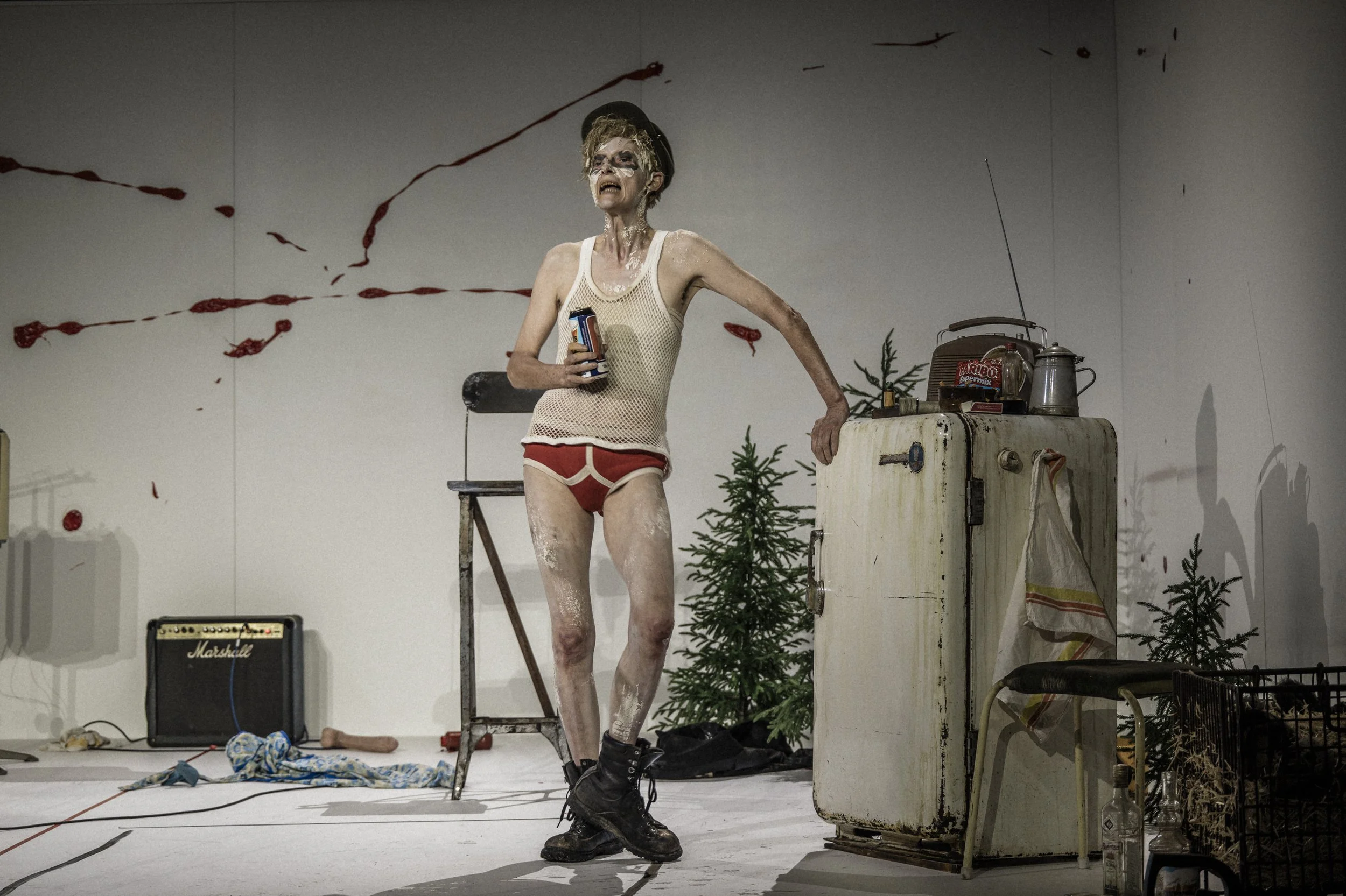
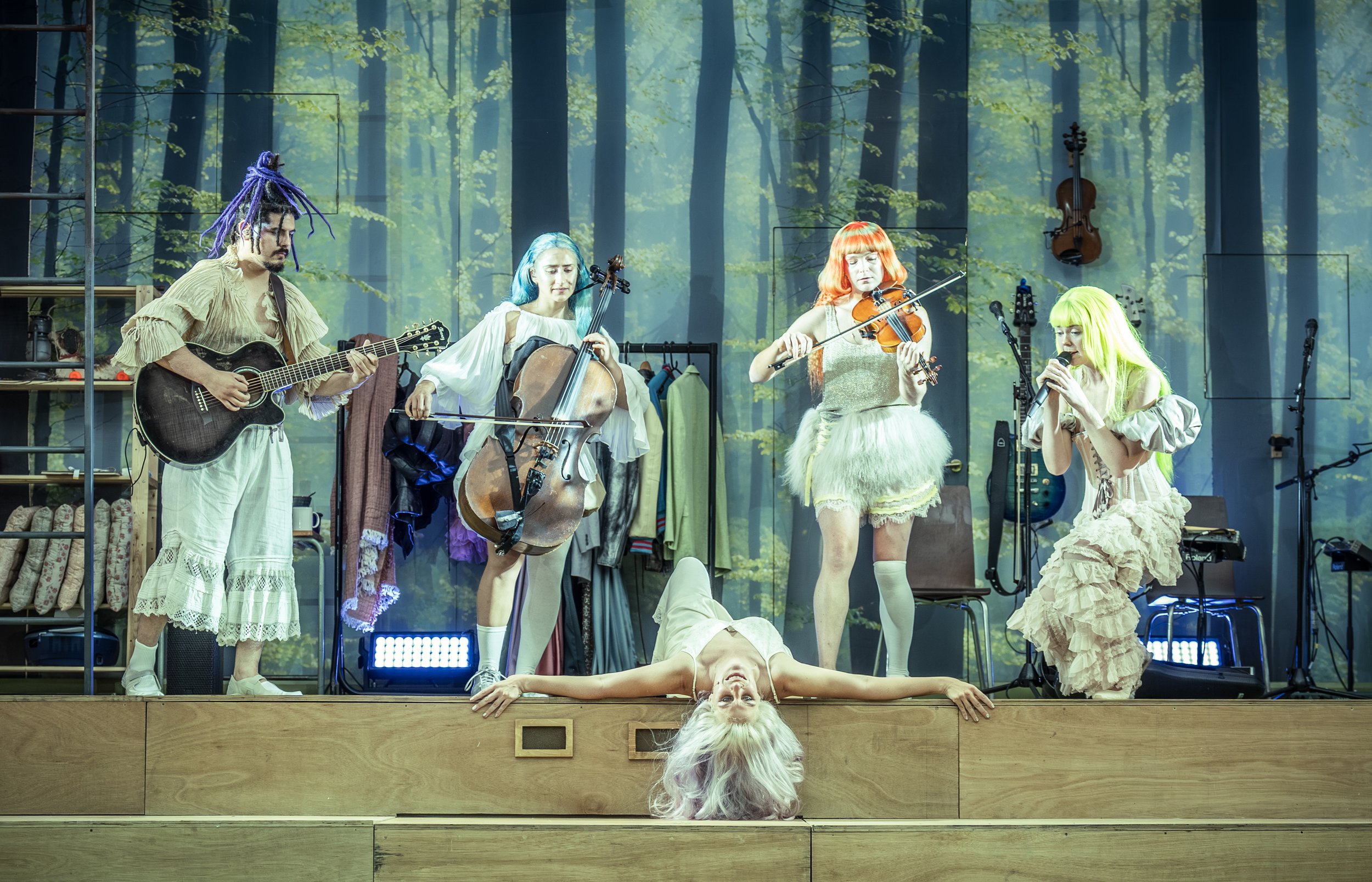
There’s a knowing sharpness to this new take on A Doll’s House at the Almeida Theatre, relocating Ibsen’s 19th-century domestic drama into a world of London finance, soft power dynamics and carefully curated lives. In Anya Reiss’s adaptation, Nora’s famous doll’s house is no longer a site of quaint oppression but something far more recognisable: a sleek, aspirational lifestyle held together by money, appearances, and a shared reluctance to ask difficult questions.
From the outset, Nora and Torvald’s marriage feels less like a romance and more like an arrangement. Their life together is built on comfort, status and a mutual understanding of what success should look like—but also on things carefully left unsaid. Money sits firmly at the centre: who earns it, who spends it, and who ultimately holds the power because of it. It’s a dynamic that feels distinctly modern, and often uncomfortably familiar.
Reiss’s writing is at its strongest in these quieter tensions. Conversations about spending and success carry an easy awkwardness, hinting at deeper fractures beneath the surface. Love begins to feel conditional—tied to security, appearances and the maintenance of a certain kind of life. What emerges is a relationship that looks solid from the outside but is, in reality, delicately balanced.
At the centre is Romola Garai’s finely judged Nora, played with restless, emotionally precise energy. She moves between roles—playful wife, anxious fixer, seductive partner—as though constantly recalibrating herself to meet expectations. There’s a sense she understands the performance she’s trapped in, even if she doesn’t yet know how to step outside it. Opposite her, Tom Mothersdale offers a Torvald who is less overtly domineering than usual, but no less unsettling for it. His authority is quieter, rooted in financial control and an easy assumption that everything will ultimately fall into place around him.

There’s plenty to admire. The production captures something recognisable about modern relationships—how easily they slip into performance, and how quickly love becomes entangled with money and expectation. The ideas are compelling, even if they don’t always land with full force, and the performances keep the piece engaging throughout.
Where it falters is in focus. The play juggles big themes—identity, power, capitalism—without fully settling on one. At times it feels caught between Nora’s personal awakening and a broader social critique, and that tension softens its emotional impact.
It’s most effective in the final confrontation, where the illusion of harmony finally collapses and both characters are forced to confront the terms of their relationship. Here, the writing sharpens, and the performances bite. But the ending itself—more ambiguous than decisive—dilutes the impact. Rather than a clean rupture, we’re left with a lingering uncertainty that feels intellectually interesting but emotionally muted.
Still, this is a thoughtful, engaging A Doll’s House, alive to the pressures that define contemporary relationships. It understands, keenly, how love and money can become entangled—and how difficult it is to separate them. It just doesn’t quite decide what to do with that understanding once the door opens.
A Doll's House is playing at Almeida Theatre until 23rd May
★★★