Dinner by Moira Buffini at Omnibus Theatre, London Review
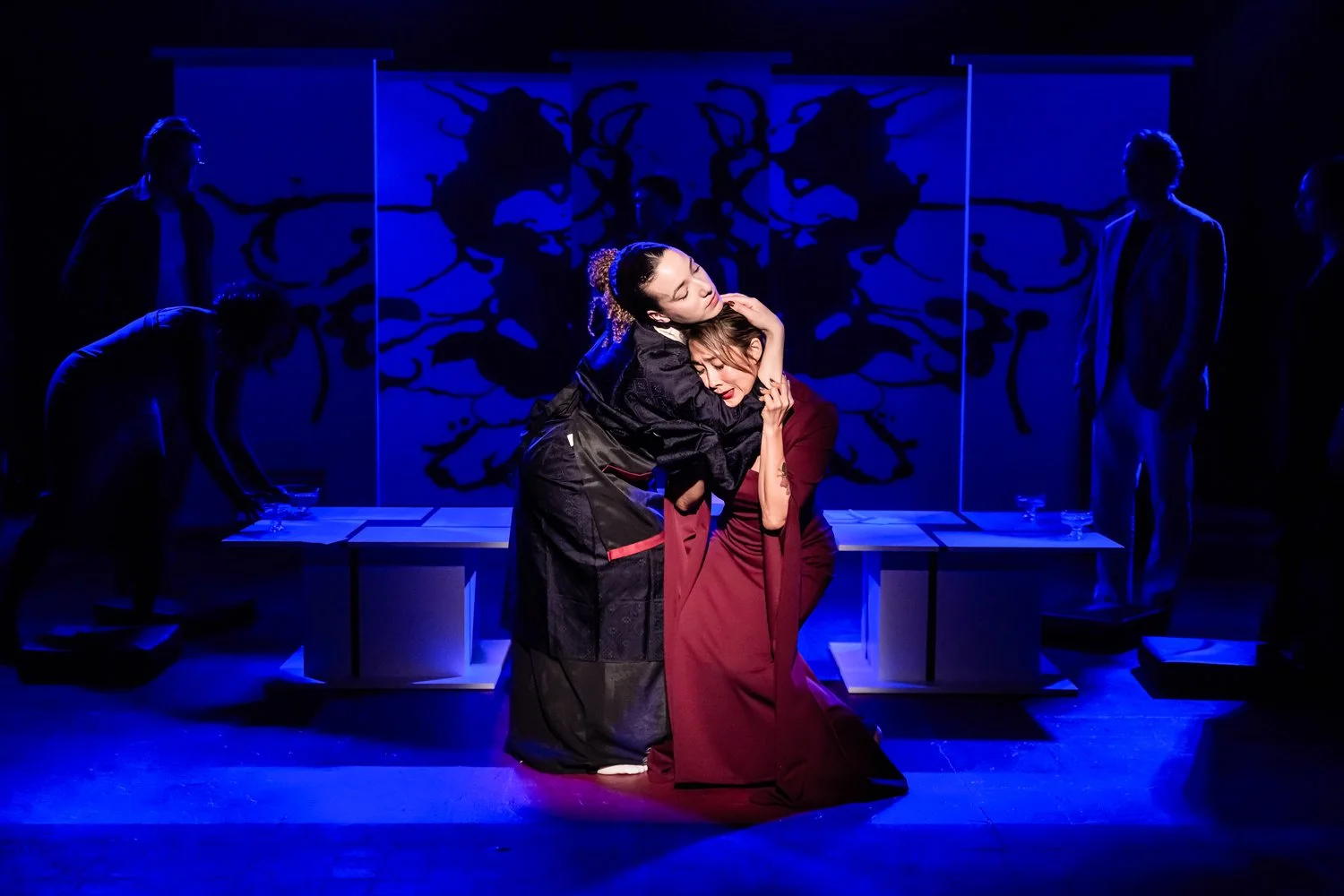
Dinner production image by Charlie Flint.
Written by Harriet for Theatre and Tonic
Disclaimer: Gifted tickets in exchange for an honest review. All views are our own
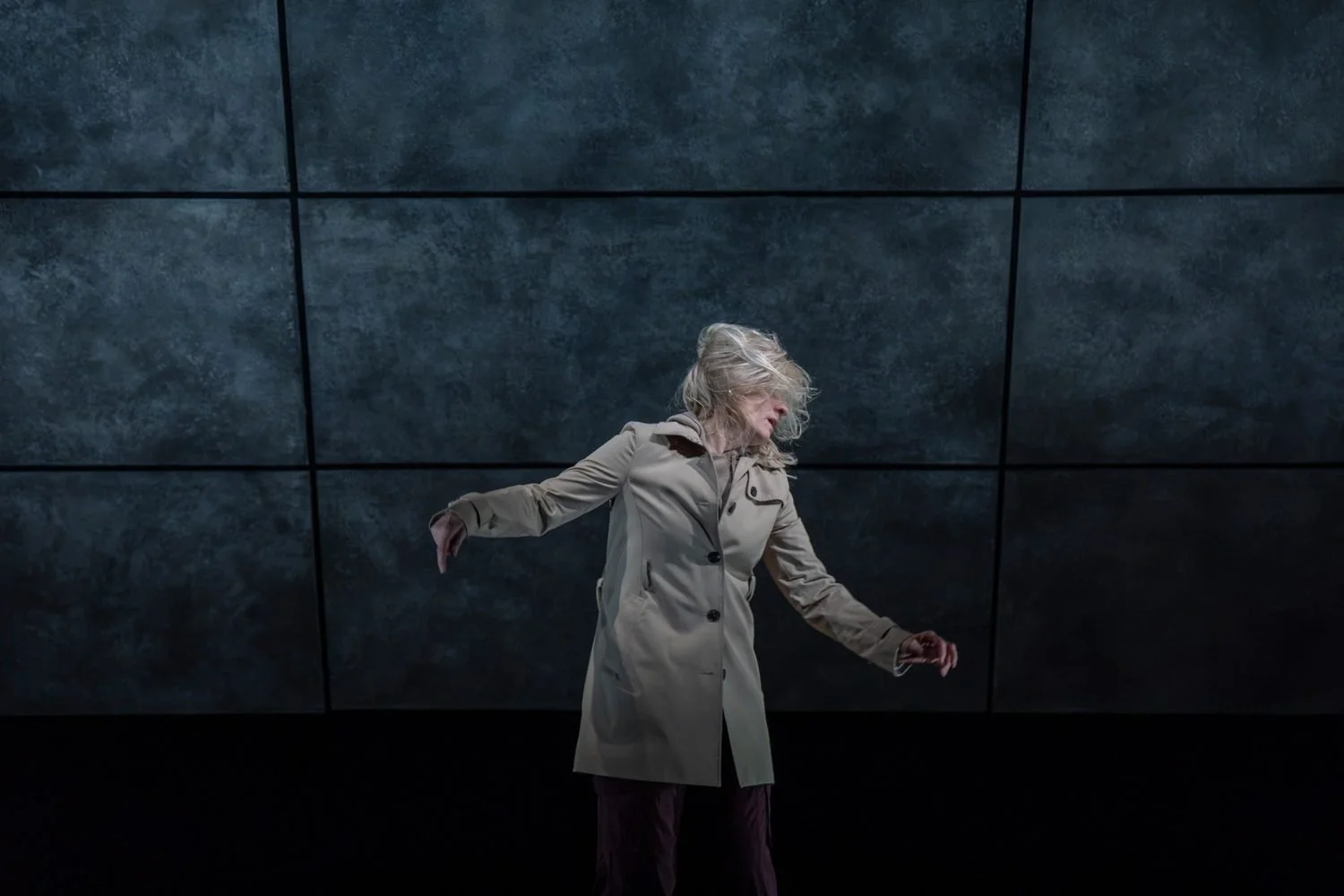
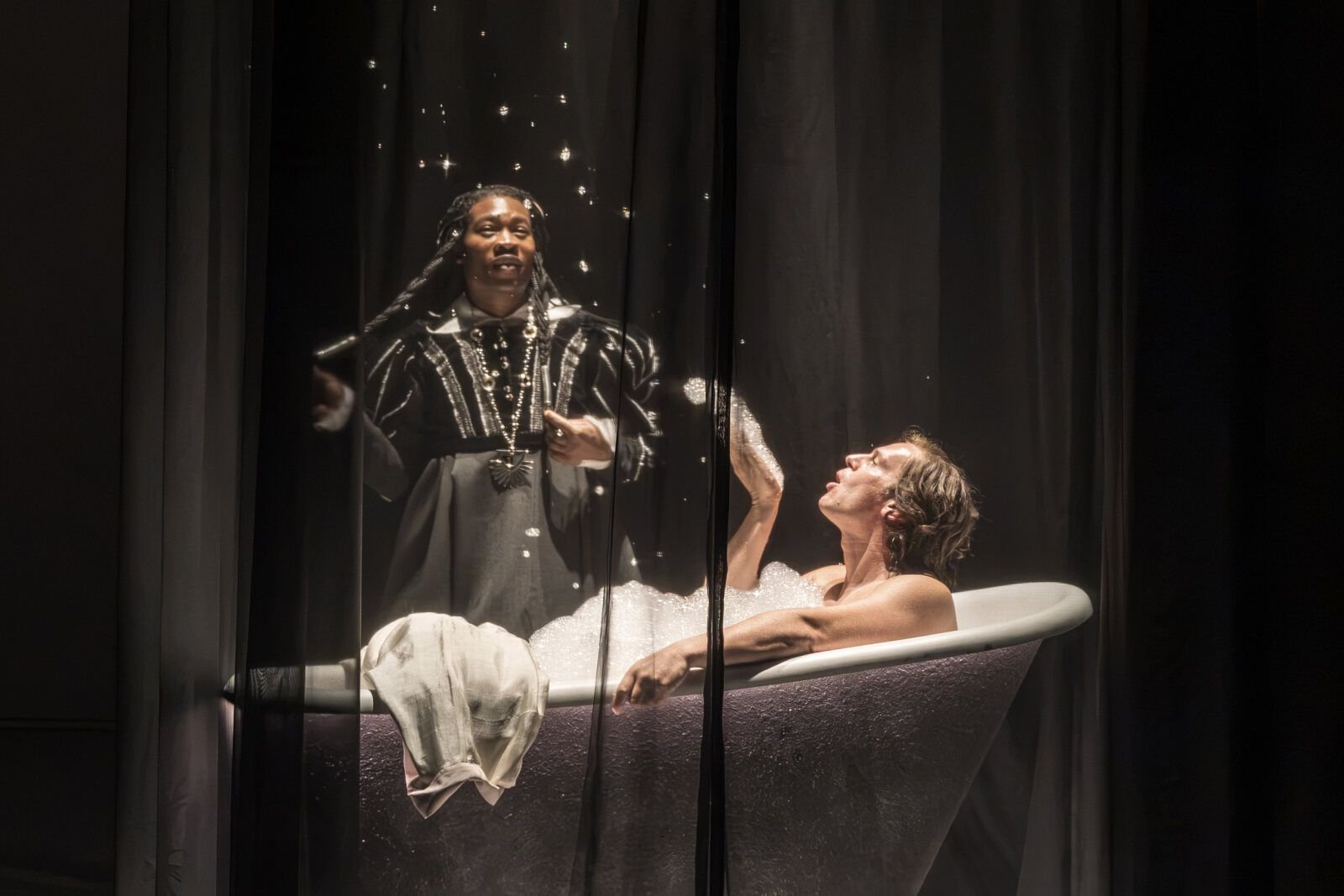
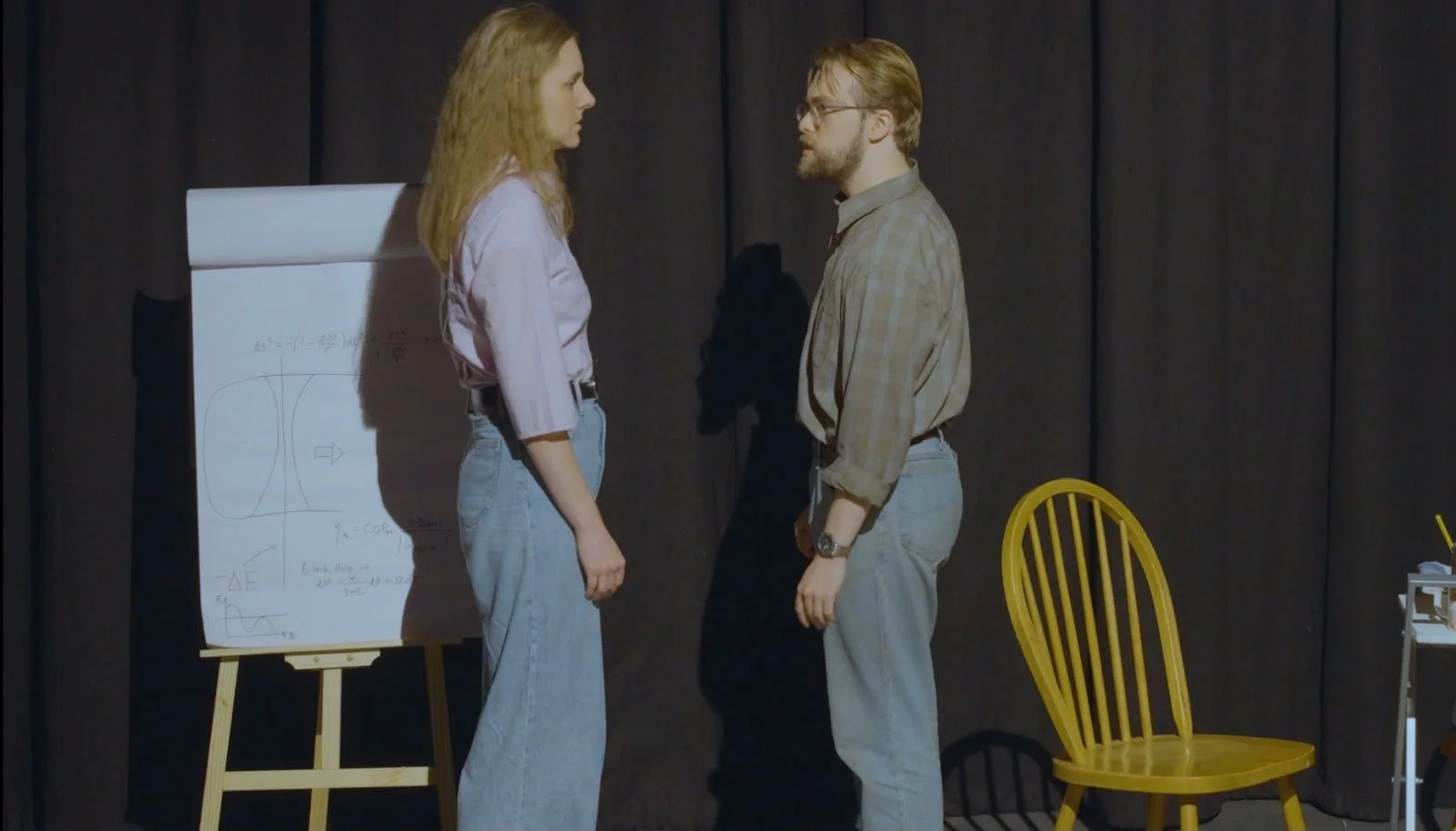
Dinner’s Off-West End revival, brought by directors David Fairs and Conor O’Kane, was a gripping take on existentialism, envy, obsession and greed. Presented by Kai Creative Studio, Moira Buffini’s play is both as prevalent and hilarious for its current audience at Clapham Common’s Omnibus Theatre as it was when it was nominated at the Oliver Award for best comedy back in 2003.
Many have been longing for a realistic take on the Y2K sheen that has dazzled the current generation, longing to know what it was like to grow up before the world of the internet. Dinner provides an accurate yet nostalgic take, through both its set and its script. Its set, which is dressed with a vintage MacBook, not only helps set the time of the piece but appeals to a wide audience, thanks to modern pop culture phenomenons like Addison Rae inspiring iPods and wired headphones to make a comeback.
While Moira Clapham’s script sparks debate on the meaning of existence in a society driven by nihilism, through a morally grey choice of dinner guests. Political and social corruption is represented through the set’s delicate infusion of Japanese culture. The dinner party takes place on a Chabudai, which serves a purpose in traditional Japanese dining as a sign of respect, modesty, and humility, while also subverting the traditional conventions of dramatic techniques such as levels within the show. While standing on platforms, steps, or simply standing as others sit is a primary theatrical convention used to attribute a character with authority, in directing characters to sit the zaisu (a low, back-supported floor chair) during the play’s most climatic and tough, tongue in cheek moments, David Fairs and Conor O’Kane managed to incorporate an interesting subversion.
Thanks to its feng shui influence this interesting dynamic becomes hilariously anchored by the use of blackout, once Welsh working-class Mike has been welcomed. Mike, brilliantly portrayed by Theo Woolford, enthrals the other rich folk, by detailing the stereotypes of the working-class everyman, much like the twisted, disingenuous obsession of poking fun at how the other half lives, which is seen in reality TV shows from the period like Wife Swap, where households from opposite ends of the economic ladder exchanged lives.
One way in which reference to the political climate of the time is directly addressed is in the opening. As the Waiter, alternately portrayed by Talitha Christina and Jessica Ivy Rose, sweeps, Paige giggles at the news headlines. Not only is this a brilliant way of setting when the piece took place, but it establishes the level of privilege in simply finding headlines entertaining before switching off.
Accordingly, Siân’s character perfectly describes how the news always ends on a heartwarming story, because the reason people watch the news is not because they care but because they want to feel reassured. The journalist, portrayed by Clarisse Zamba, encapsulates a realism which contrasts the altruism we later see Lars called out for. Yet each character seems to represent different elements of the ideological discussion featured within Lars’ new book on the ‘human psyche’. From altruism all the way to hedonism, Dinner provides us with an interesting commentary on the human condition thanks to this incredibly rounded and thought-provoking ensemble of guests.
Siân is the definition of Chanté Joseph’s, “Is Having A Boyfriend Embarrassing Now?” Vogue article published in 2025, as her lad’s lad boyfriend Hal taunts her with the objectifying ‘News Babe’ label which she despises, contrasting the eroticist that is self-proclaimed self-made artist Wynne, portrayed by the magnetic Rebecca Joy Wilson. Siân’s hedonistic choice to endure her relationship with Hal despite the degradation she cannot withstand, expresses her desire and need for status in a society before the UK Government’s 2008 Equality Act.
While Paige celebrates the publication of her husband’s self-help bestseller. Her menu is dramatic and deliberate, all served with the deeply attentive assistance of a vigilant waiter, who feels almost like a voyeuristic raisonneur for the audience, as they come to witness the downfall of the rich over appetisers and drinks. As audience members, we enable Paige’s self-destructive nature thanks to a script which is equally as infused with comedy as the set was feng shui. Wynne’s ex-lover a politician who has left her for his mistress, leaves an empty seat, feeling much like a metaphor for the voice of reason against Paige’s self-destruction, futile, and much like some of the distrust and betrayal present in modern day society.
The dramatic ending is still shockingly disturbing despite being foreboded throughout within subtle conversations between Lars and Hal, making Dinner feel like the perfect love child between J.B Priestley’s An Inspector Calls and Phoebe Waller-Bridge’s Fleabag.
Dinner plays at Omnibus Theatre from 6-24 May.
★ ★ ★ ★