The Ladies Football Club at Sheffield Crucible Review

Photo by Johan Persson.
Written by Kirsty for Theatre and Tonic
Disclaimer: Gifted tickets in exchange for an honest review
Women’s football has taken centre stage in recent years with the success of the English Lionesses. Elizabeth Newman takes us back to the origins of women’s football in The Ladies Football Club. Written by Stefano Massini and adapted by Tim Firth, it tells the story of the rise and fall of a women’s team formed during World War I.
Based on the true story of how, out of the trauma and terror of World War I, we meet a group of ladies who overcame adversity and blatant misogyny to play football in some of the greatest stadiums in the UK. Following the end of the war, women were banned by the FA on their pitches due to the unsuitability of the game for women, forcing women back to their “rightful” place in society, now that the men had returned home from war.
The cast were amazing in the play, and the bond the women developed was clear throughout. We learnt the stories of these different women, all trying to find their place in a world in turmoil, and their dread at returning to their old lives. Anne Odeke was a standout as Justine, and Clair Norris as Melanie left me emotionally devastated when we learnt her heartbreaking backstory. Cara Theobald’s Violet acted as the story’s narrator, and her closing monologue had the audience in tears, but the ending was hopeful ending and it was wonderful.


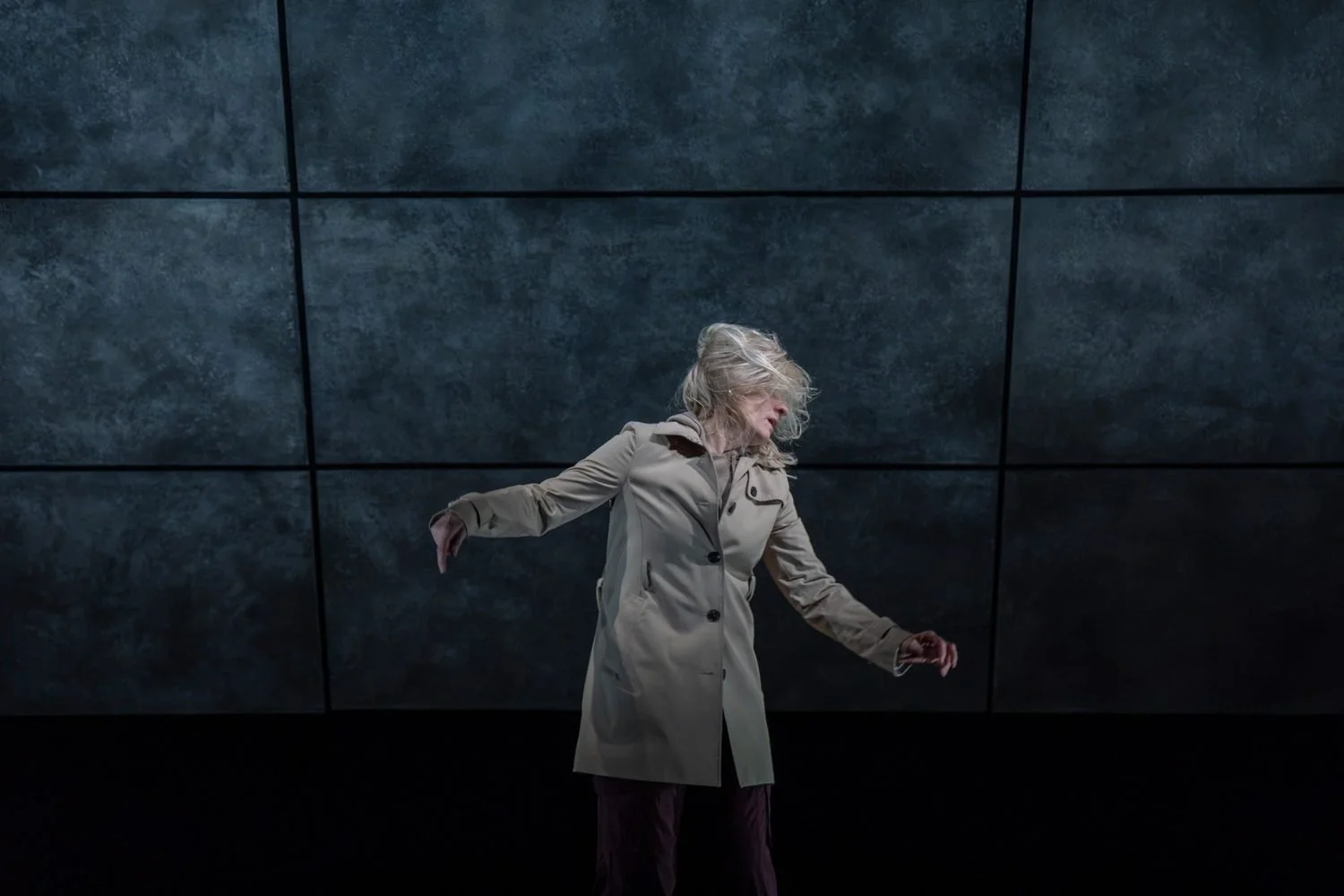
Grace Smart’s set design was simple and exceptionally effective, in conjunction with Ben Jacob’s incredible lighting design. Joe Ransom’s video design brought Smart’s stark set to life in a way that no physical set pieces could have. Scott Graham's work as Movement Director was a real highlight, creating the sense of a football match unfolding without a single kick of the ball. The movement was stunning and really helped to bring the piece together.
Just as Dear England brought the story of men’s football to a new audience, The Ladies Football Club is the perfect play to bring even more attention to women’s football, and the history that is attached to the game that many people would not have been aware of. This is one of the most exciting pieces of theatre I have seen in a long time, and I can only hope that a future London transfer is in its future.
Plays until 28 March
★★★★★