1000 (Millennia) at Almeida Theatre Review
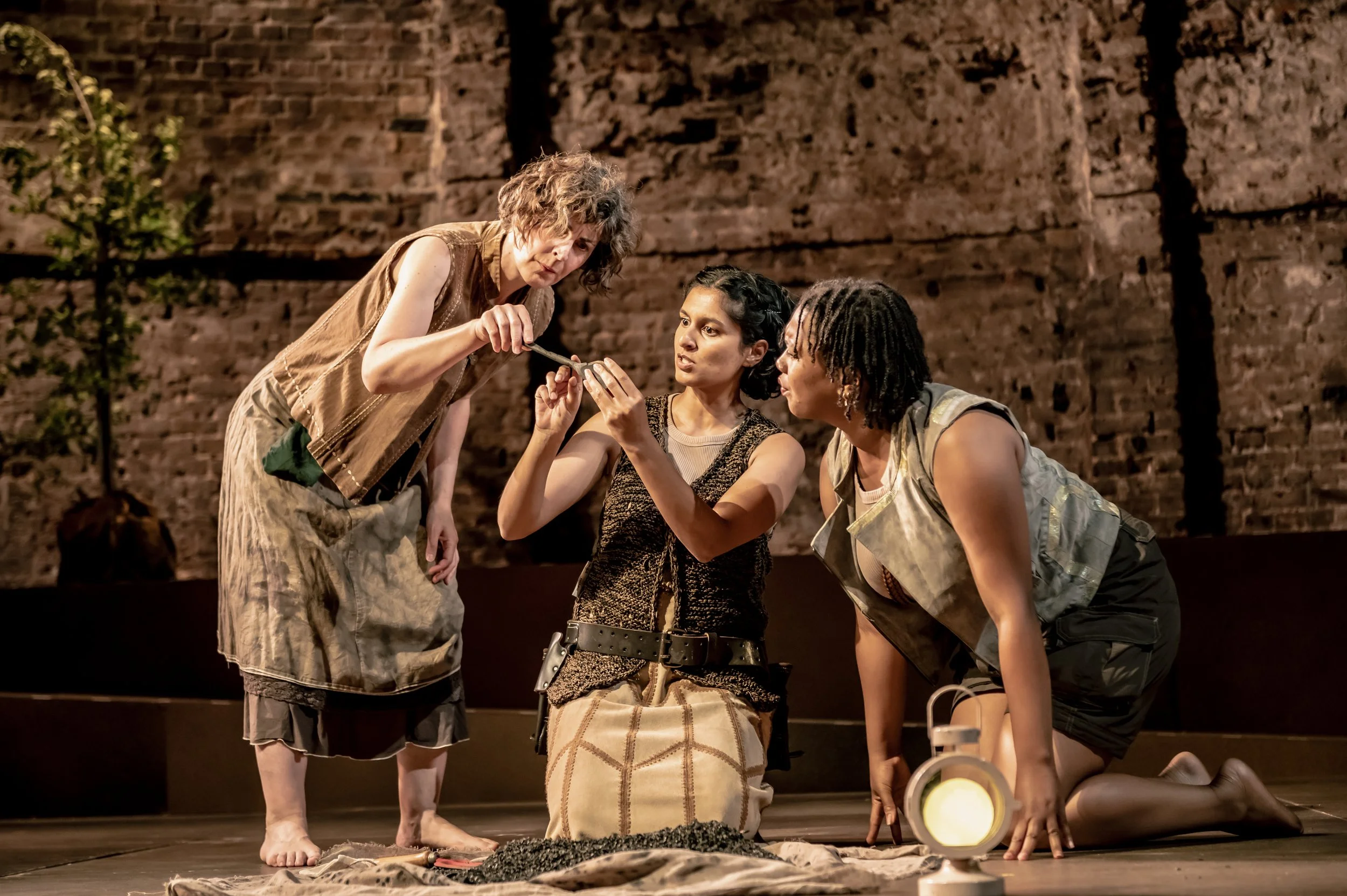
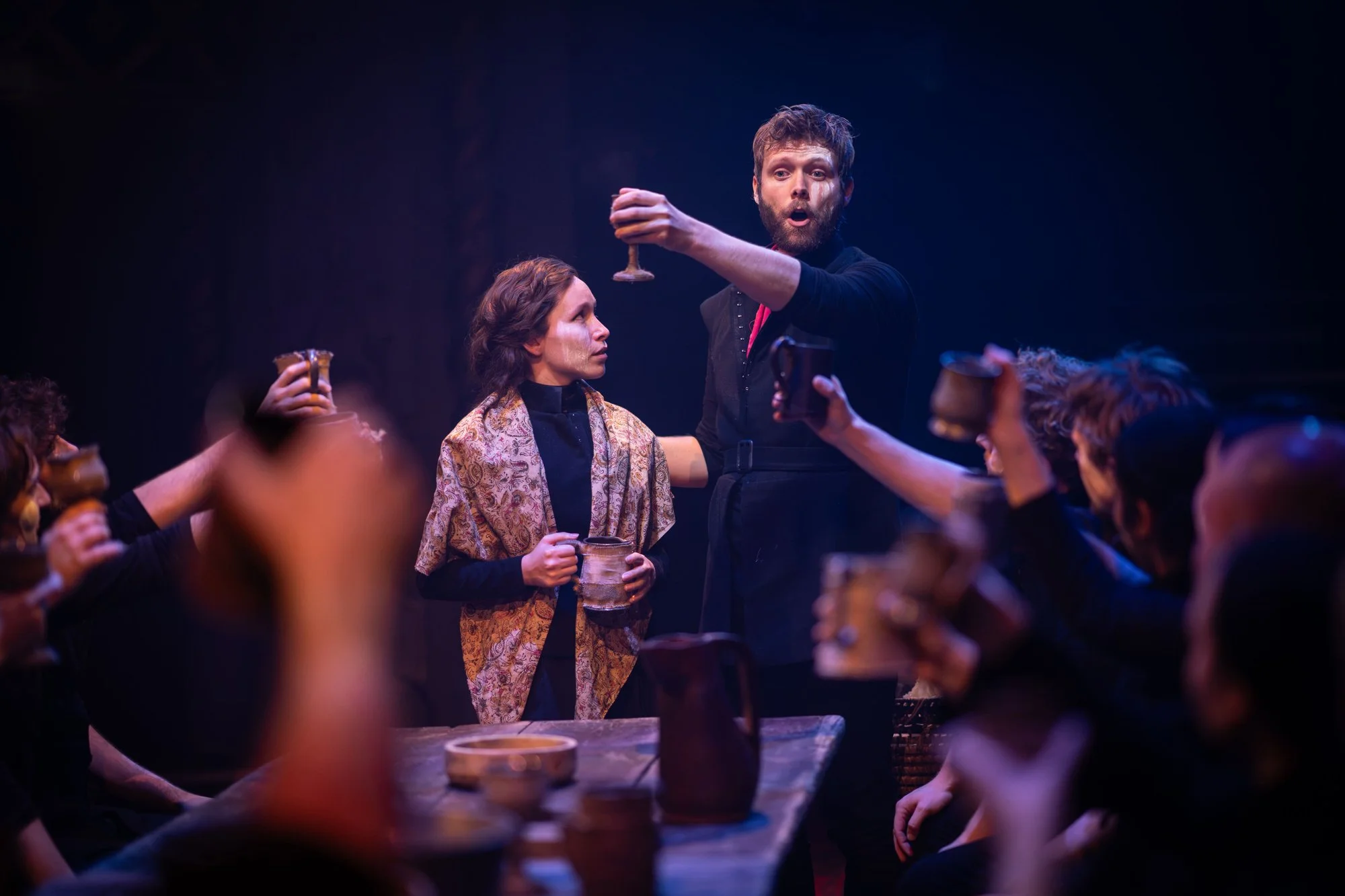
1000 (Millennia) production image. Photo by Mark Dawson.
Written by Ziwen for Theatre and Tonic
Disclaimer: Gifted tickets in exchange for an honest review. All views are our own
Following 24 (Day) in 2023 and 81 (Life) in 2025, the Islington Trilogy reaches its conclusion with 1000 (Millennia). Co-created by Stephanie Bain and the Almeida Community Company, directed by Dani Parr, and performed by a cast of 80 community members, the production ran for three days at the Almeida Theatre. Throughout the show, British Sign Language interpretation was vividly integrated into the staging, making the performance accessible to a wider audience. Yet, compelling as the people on stage undoubtedly were, the play itself never proved quite as engaging.
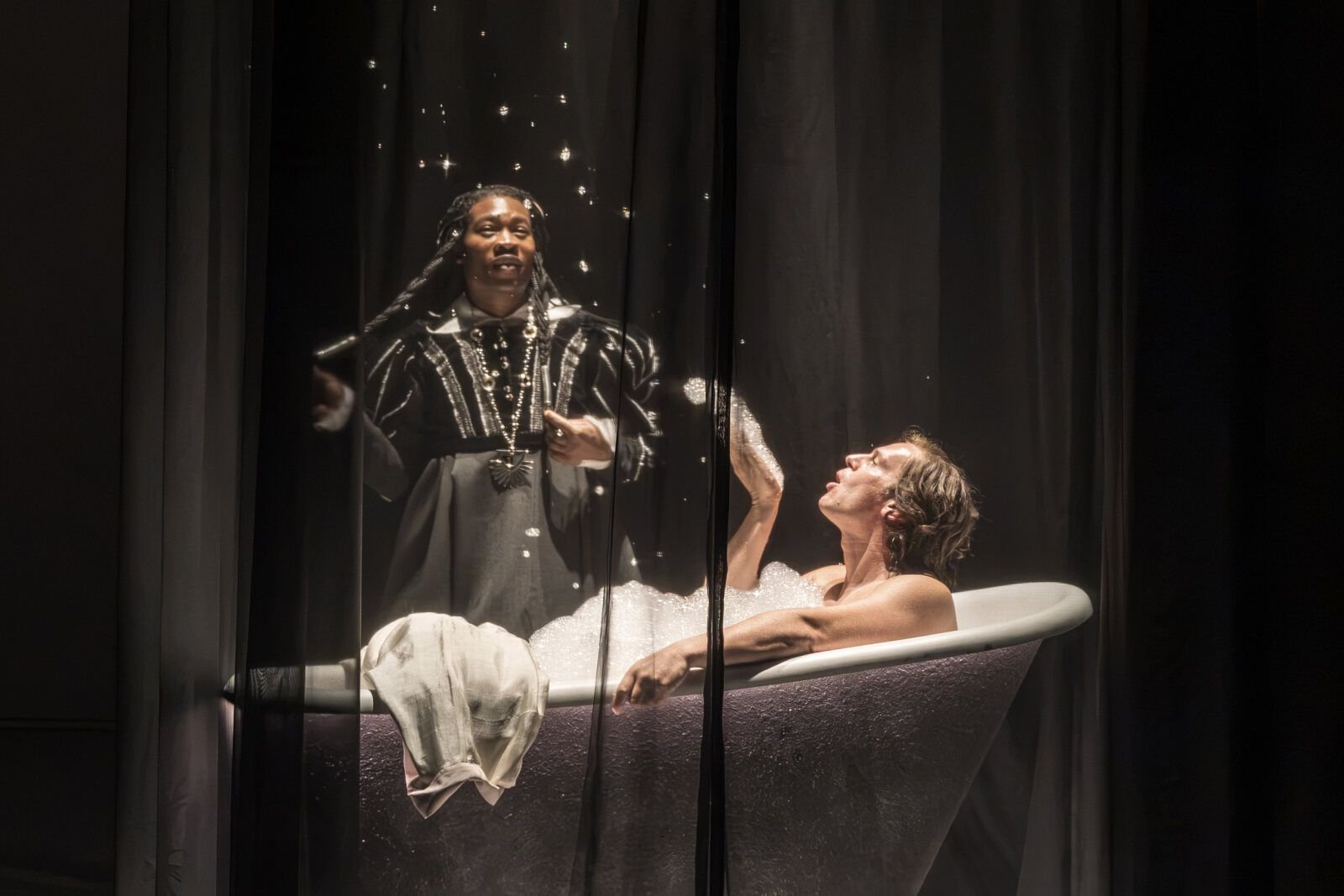
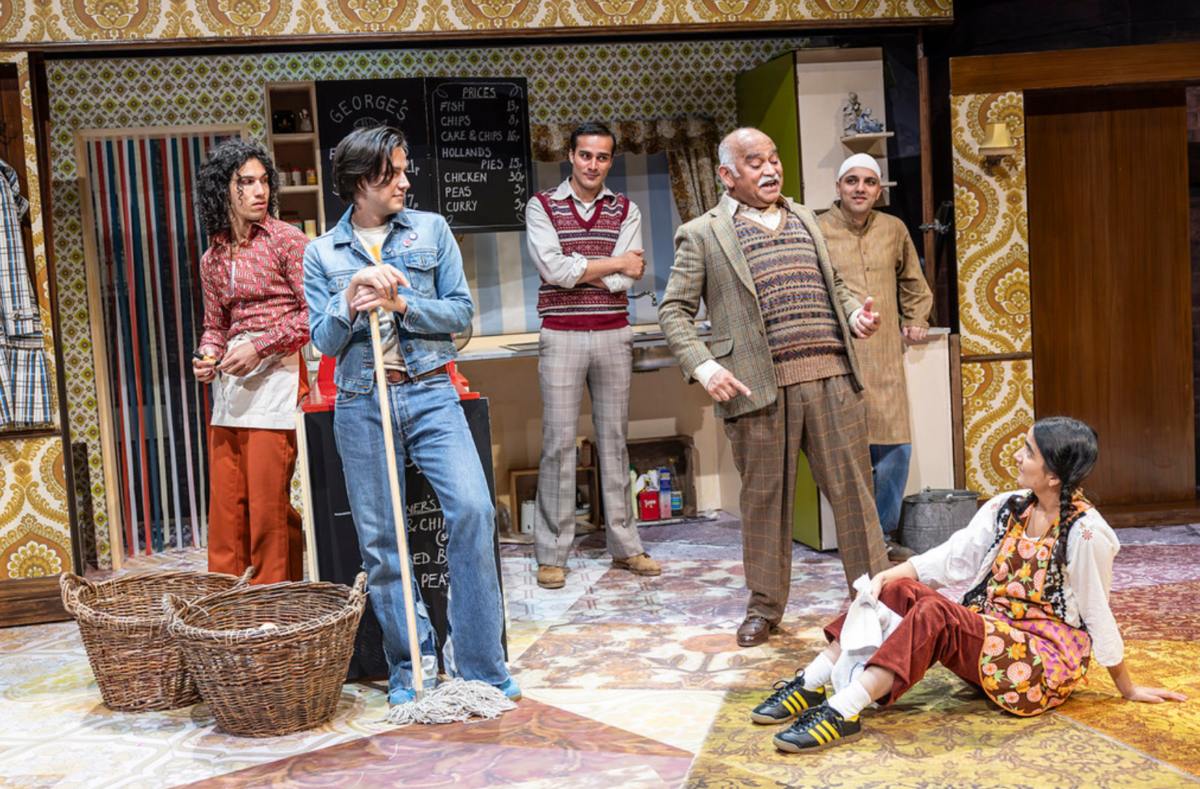
Each instalment of the trilogy adopts a different timescale through which to view the world: one day in 24 (Day), one lifetime in 81 (Life), and now one thousand years. 1000 (Millennia) follows a single road in Islington, stretching from an indistinct past into a distant future. As the centuries pass, the road changes its name—from Gisla's Hill to Upper Street, Coral Street and eventually Slow Road—while each era introduces new lives unfolding in the same place. A young murderer on the run seeks refuge there; a monk waits for divine revelation; an executioner shares a drink with a tavern keeper; a group of doomsday preppers gathers there. The premise is rich with possibility, but the production never quite realises its potential.
Each new period begins with a character announcing the year, a device that makes the passage of time feel rather mechanical. Instead of unfolding as a cohesive piece of theatre, the production comes across as a series of fragmented episodes. With only a limited amount of time devoted to each historical moment, the characters who appear in each section are never given the opportunity to develop into fully realised individuals. Although they all inhabit the same stretch of road, they fail to establish any meaningful emotional connection with one another. The dialogue, meanwhile, is often overly direct, revealing little of the characters' inner lives while lacking both wit and depth. As a result, many scenes feel longer than they need to, making it difficult to sustain the audience's attention. I found myself paying surprisingly little attention to the road itself, and struggling to form any real connection with any of the characters.
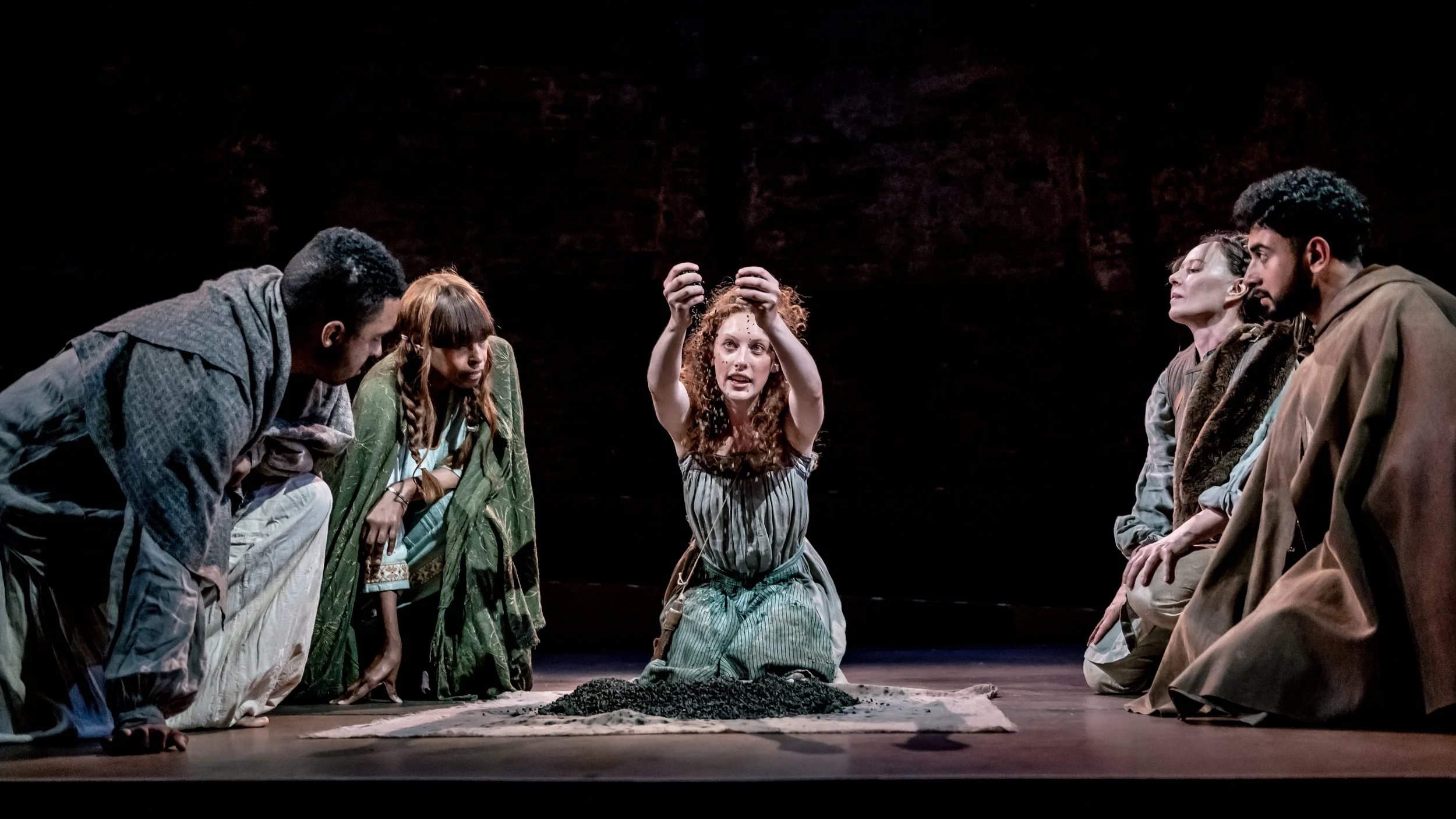
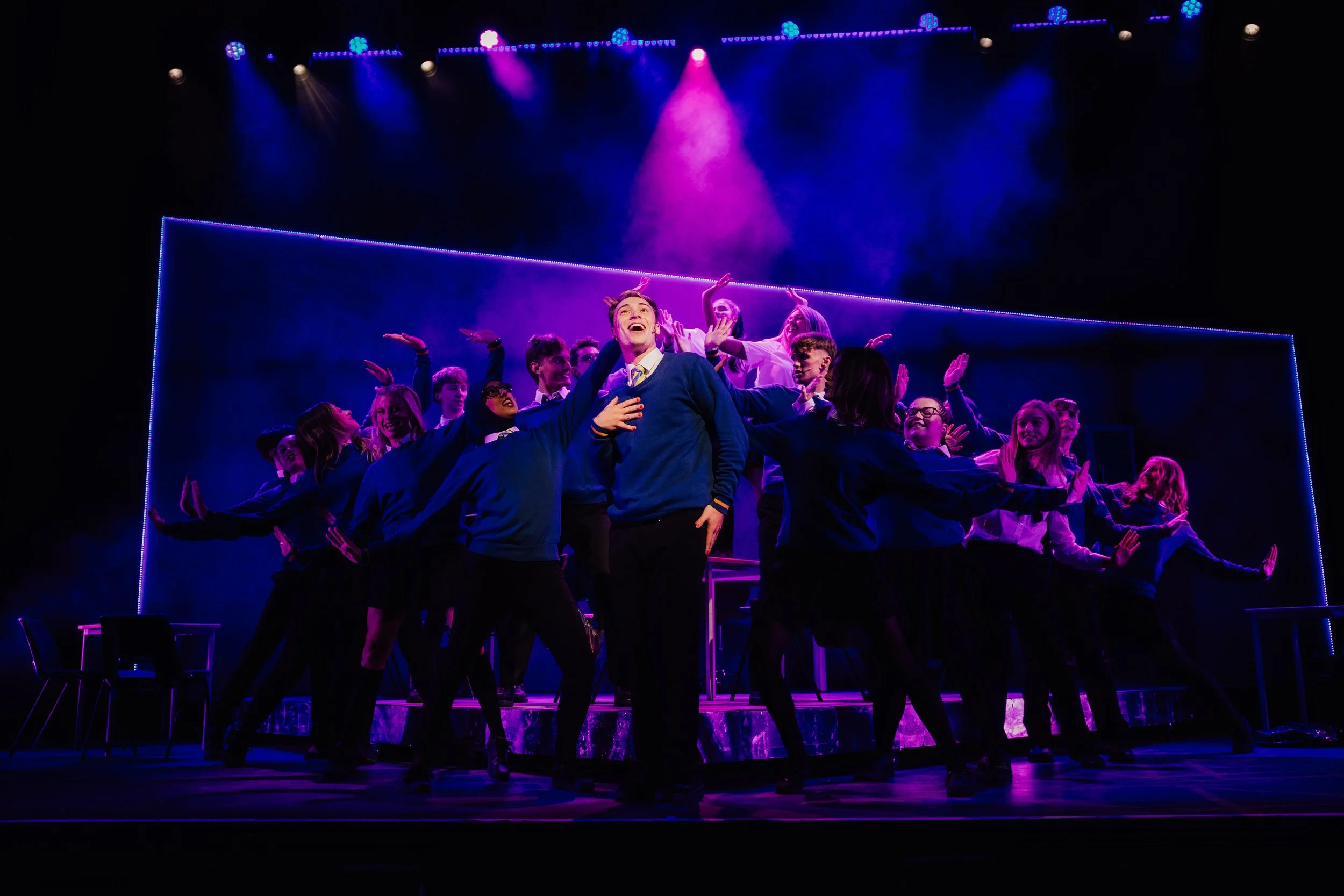
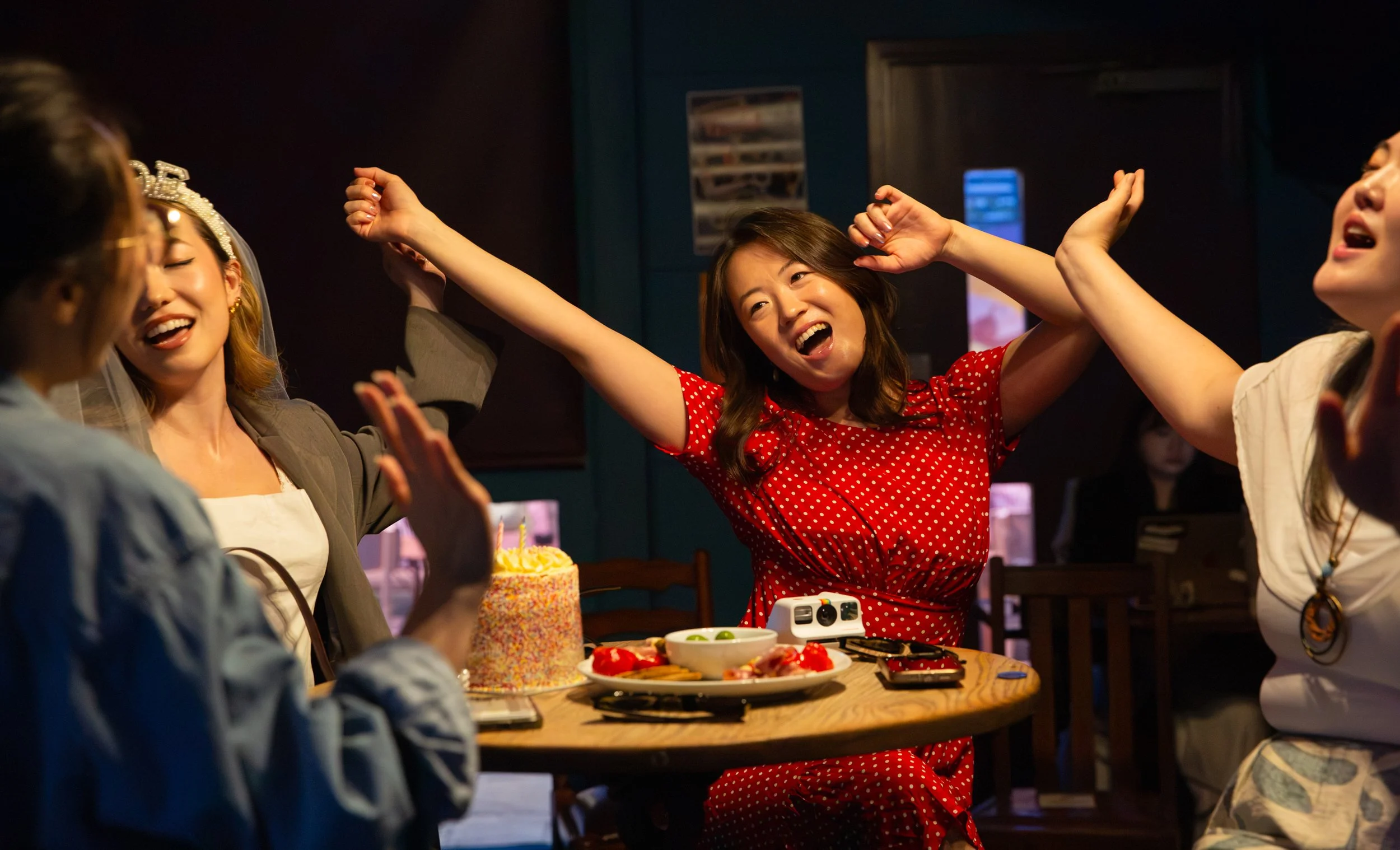
Even so, there were moments that genuinely moved me, particularly when figures from different eras shared the stage. Yet because the play never lays sufficient emotional groundwork for its characters, those moments remained intellectually interesting rather than deeply affecting. By contrast, the enthusiasm of the performers themselves was unmistakable. At times, however, they were constrained by dialogue that veered between the overly understated and the overly exaggerated. Several members of the community company clearly possess real stage presence, but the script rarely gives them enough to work with. It was only when they danced together, their shared joy radiating into the auditorium, that I realised where the production's greatest strength truly lay: beneath the fictional characters, in the genuine connections between the people of this community.
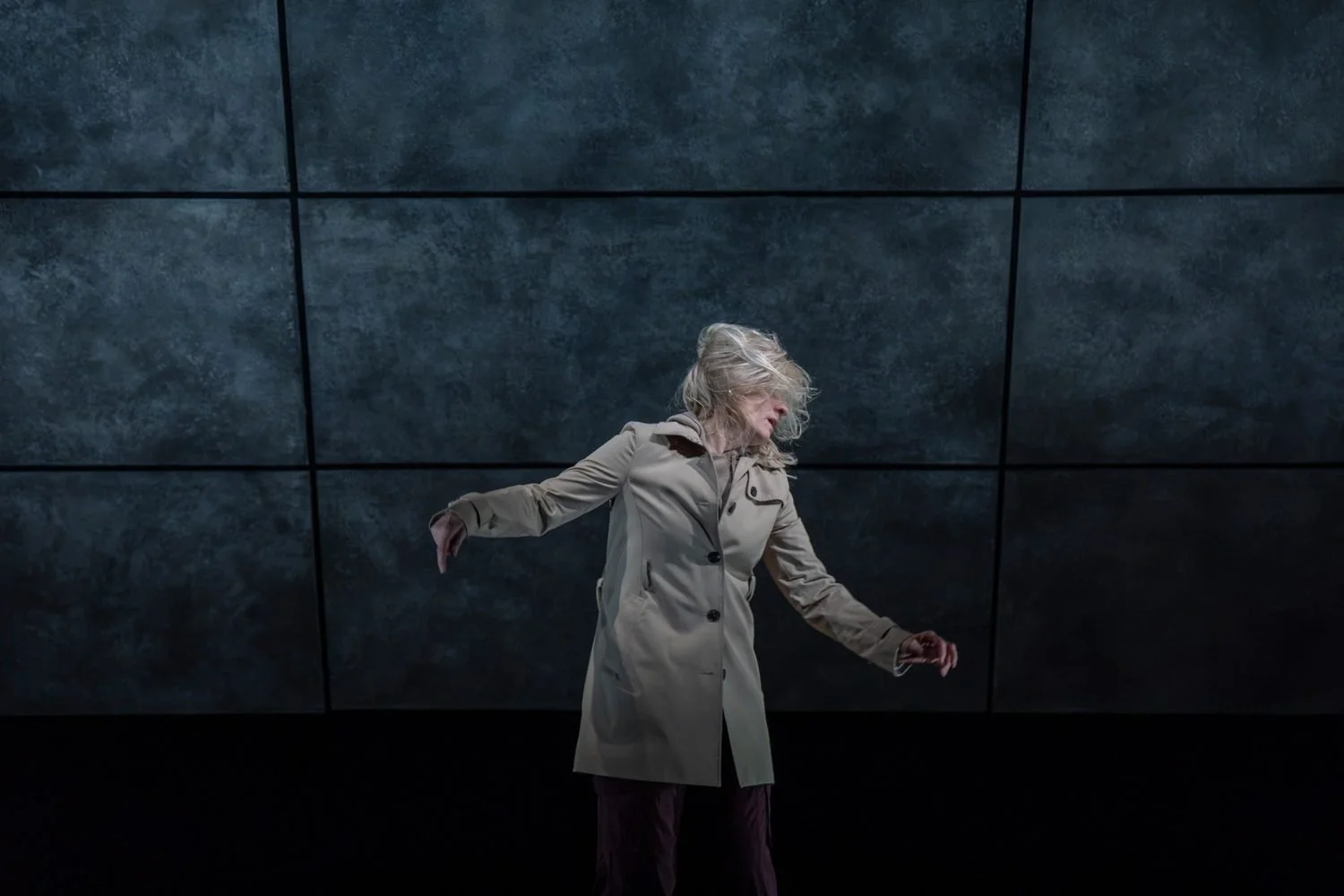
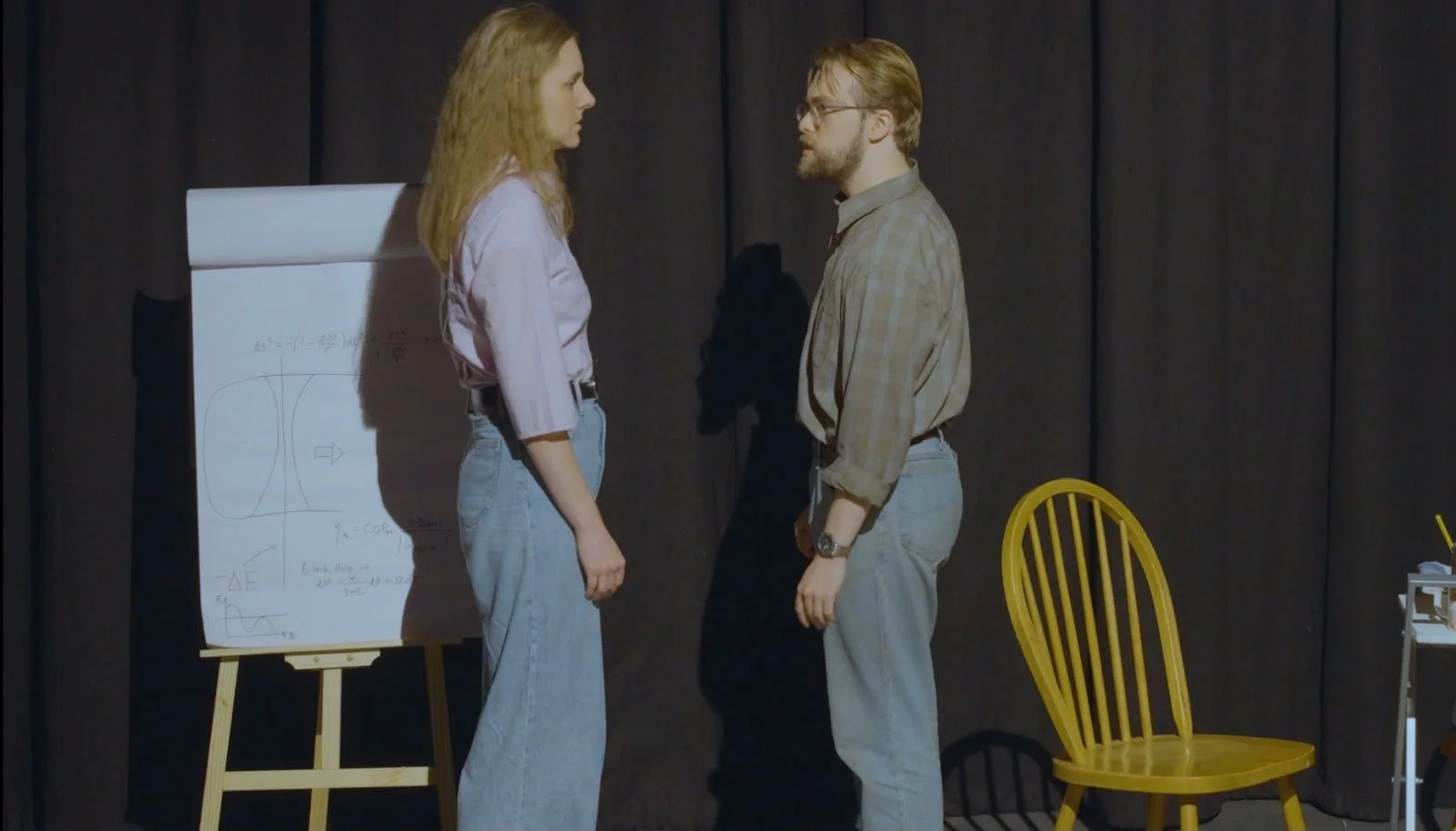
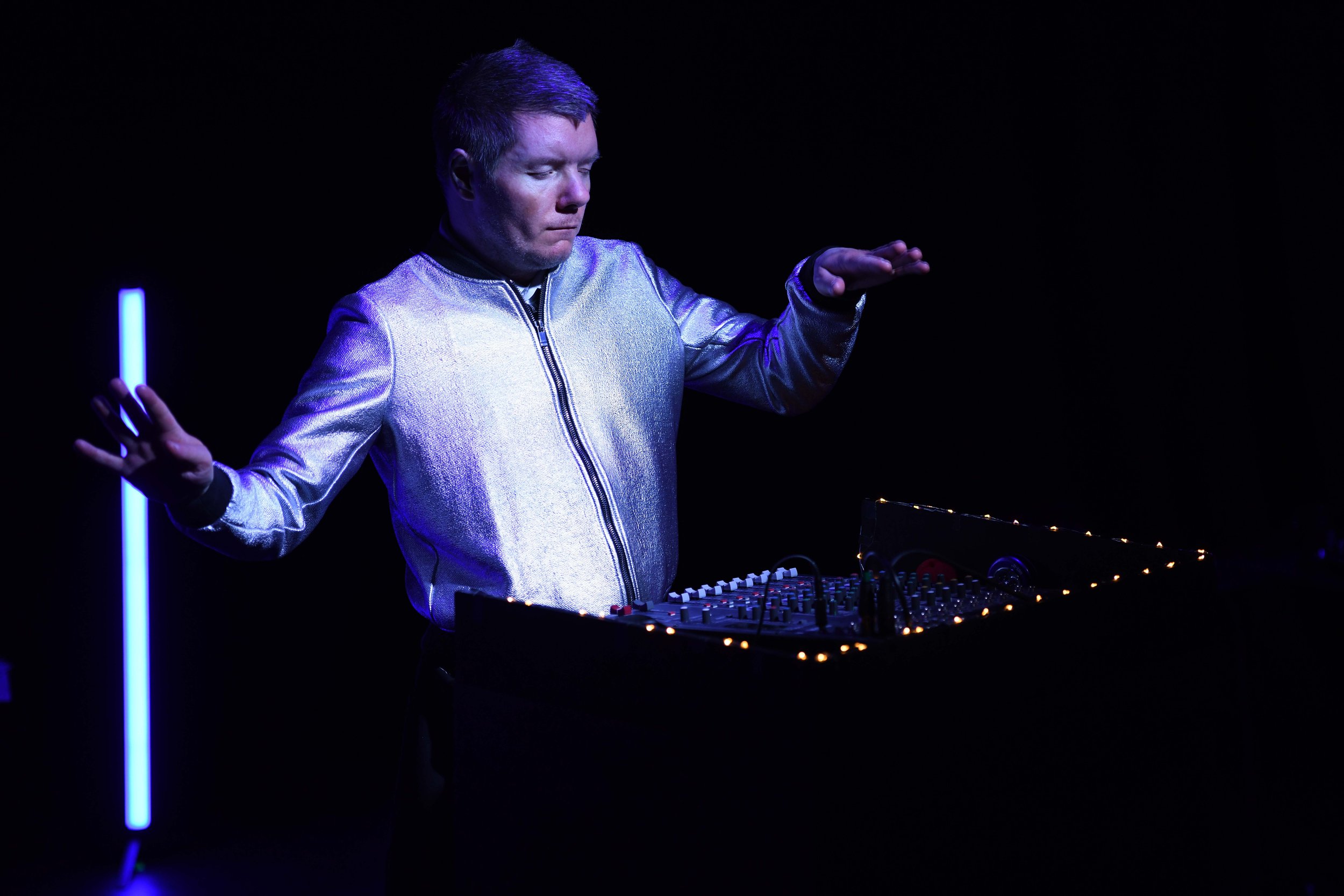
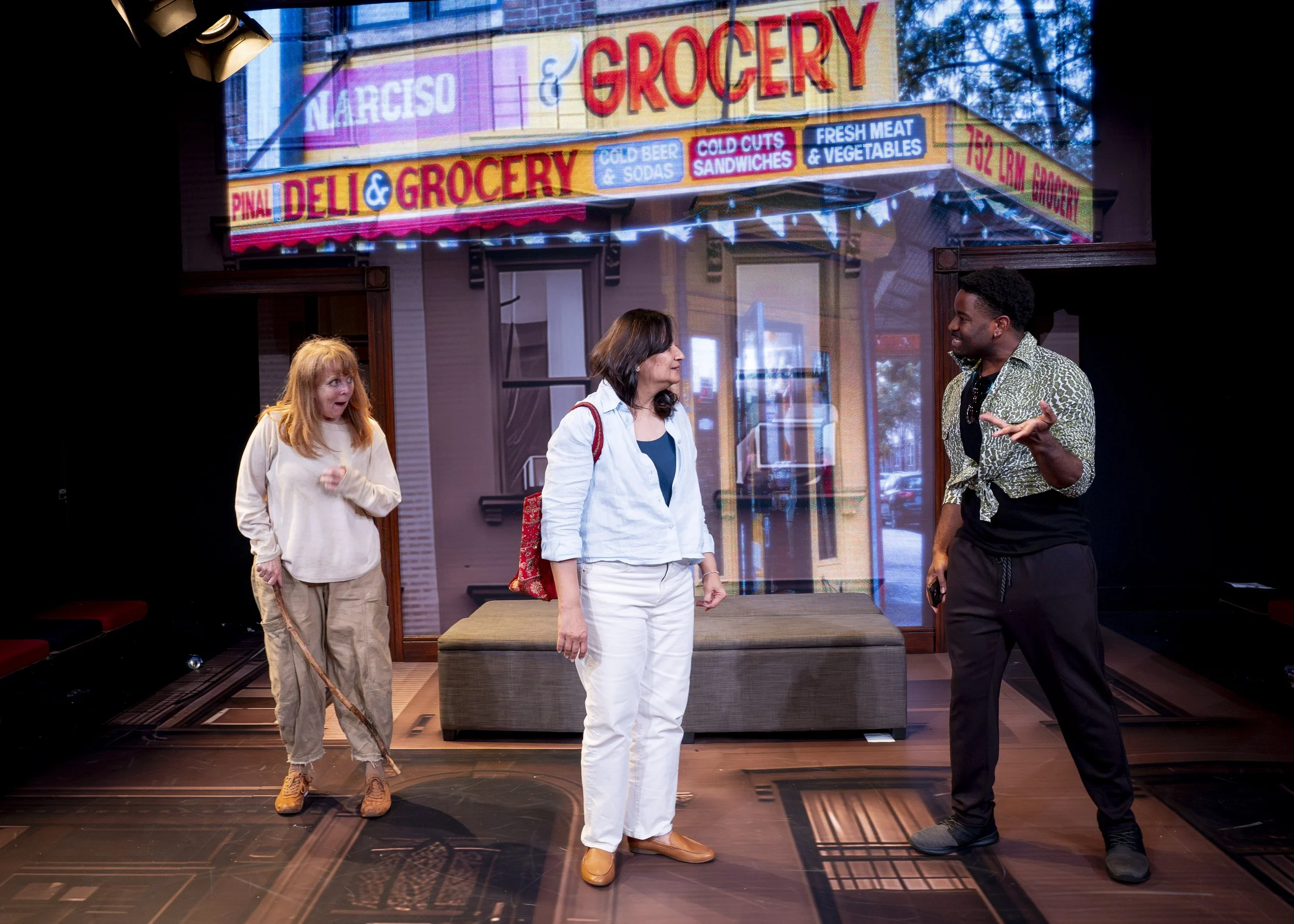
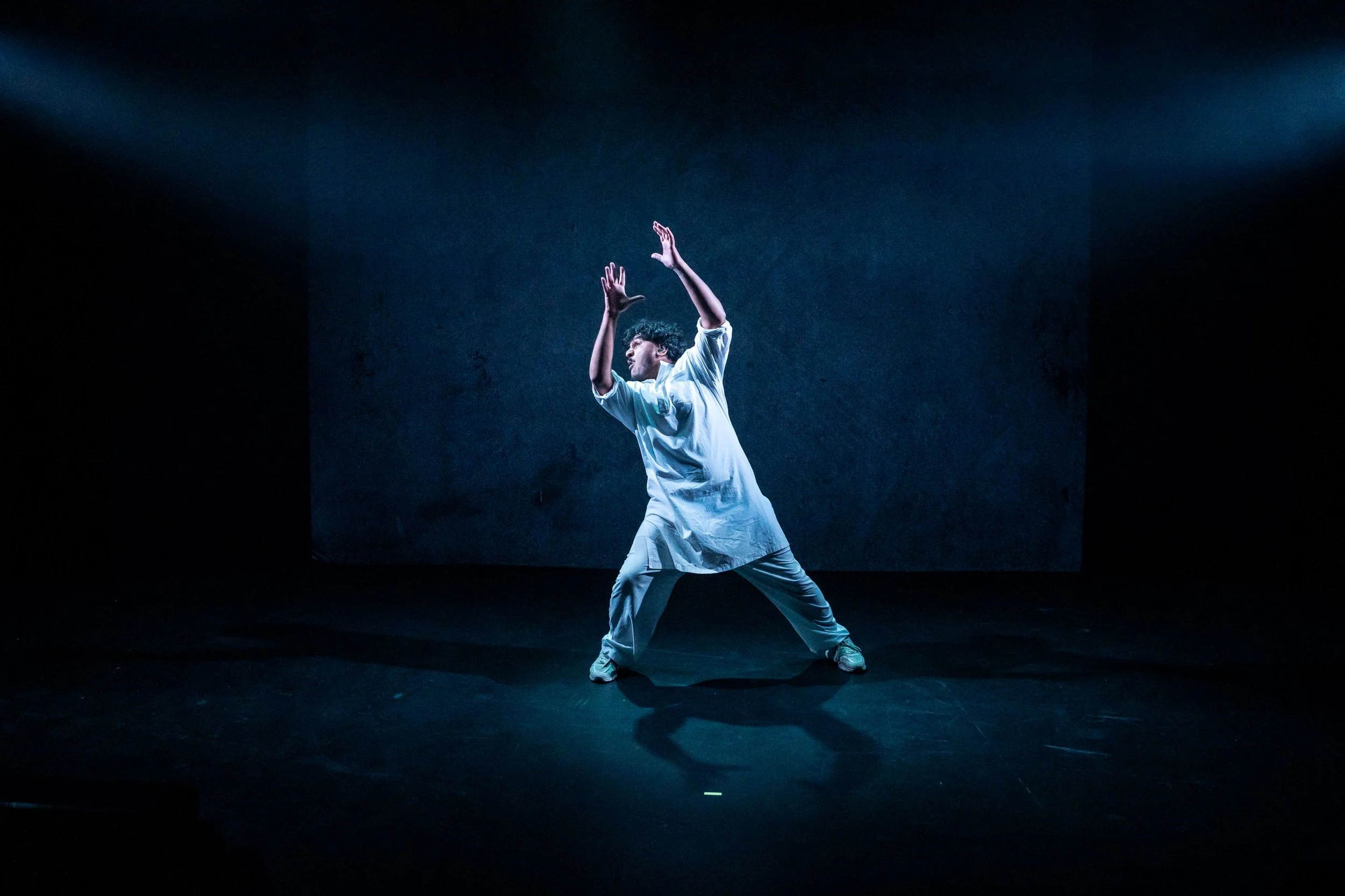
Fraser Craig's lighting design is among the production's most imaginative elements. In the distant past, the stage is illuminated almost entirely by firelight, while a cool blue wash from above casts large shadows across the back wall. As the play moves into the future, brightly coloured screens appear and the lighting becomes increasingly vivid and artificial. By comparison, the set occasionally feels rather sparse, often consisting of little more than a handful of chairs.
There is something undeniably heartening about a group of people from the same community coming together to create a work with such evident joy and commitment. Yet audiences also need compelling stories and fully realised characters in order to experience that energy on a deeper level. More than the fictional figures presented on stage, I found myself wanting to know the stories of the performers themselves. I suspect those stories might have been even more profound and compelling than the ones the play chose to tell. Even so, a production like this undoubtedly carries its own significance for the community from which it emerges.
1000 (Millennia) played at the Almeida Theatre from 9-11 July 2026
★★