Interview with Trainspotting The Musical’s Ashley Russell
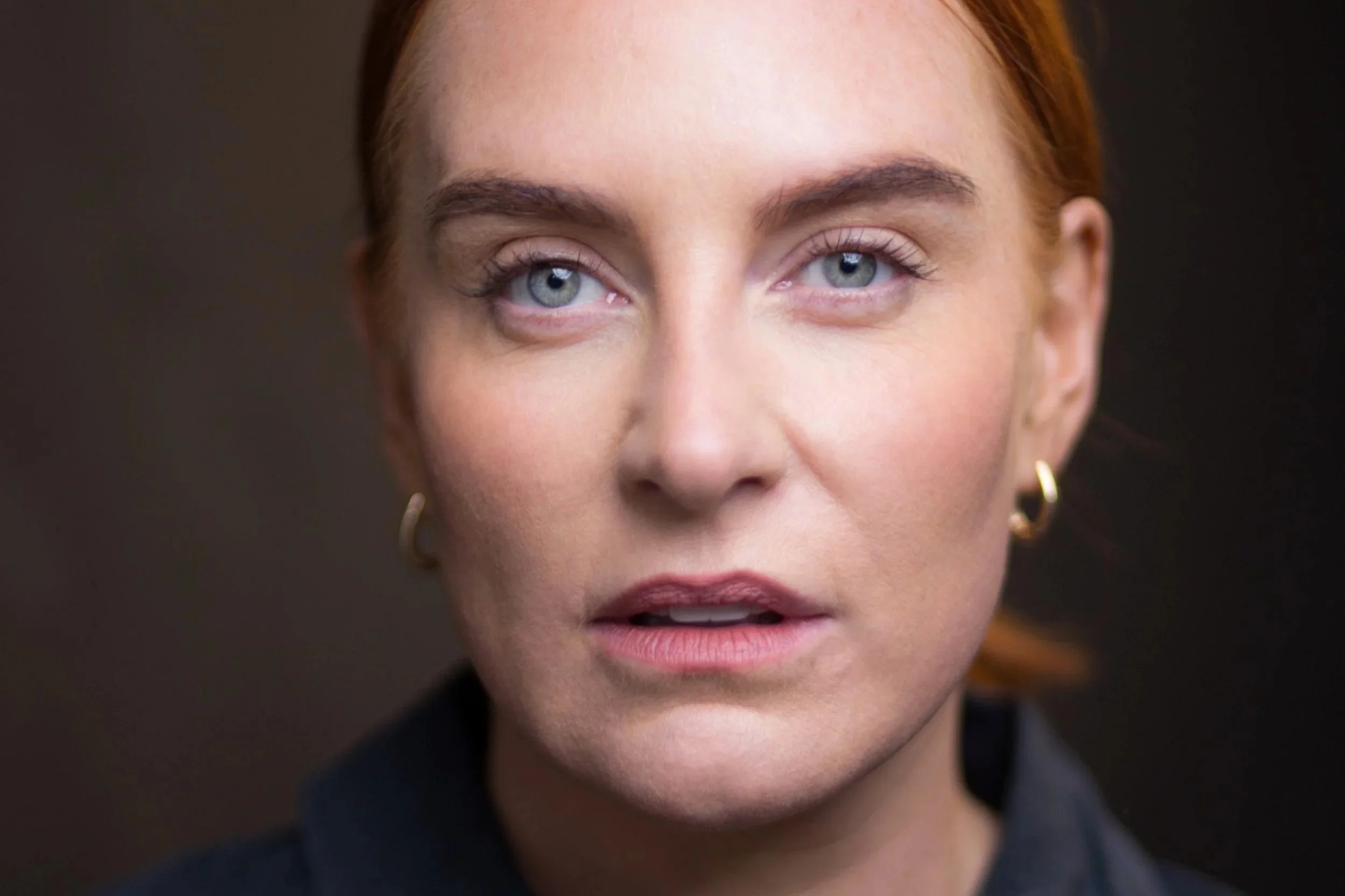
This summer, the first musical based on the beloved novel and defining 1996 film by Irvine Welsh makes its world premiere on the West End stage. Exploding onto the stage thirty years after the film revolutionised British pop culture, there’s a real buzz about this show, which brings Renton, Sick Boy, Begbie, Spud, Tommy, and Kelly back to life. We spoke with Ashley Russell, who plays Colleen, to find out more.
Trainspotting is a film that most of us are familiar with for a plethora of reasons, but might not be the obvious choice for a musical adaptation. What can you tell us about the show?
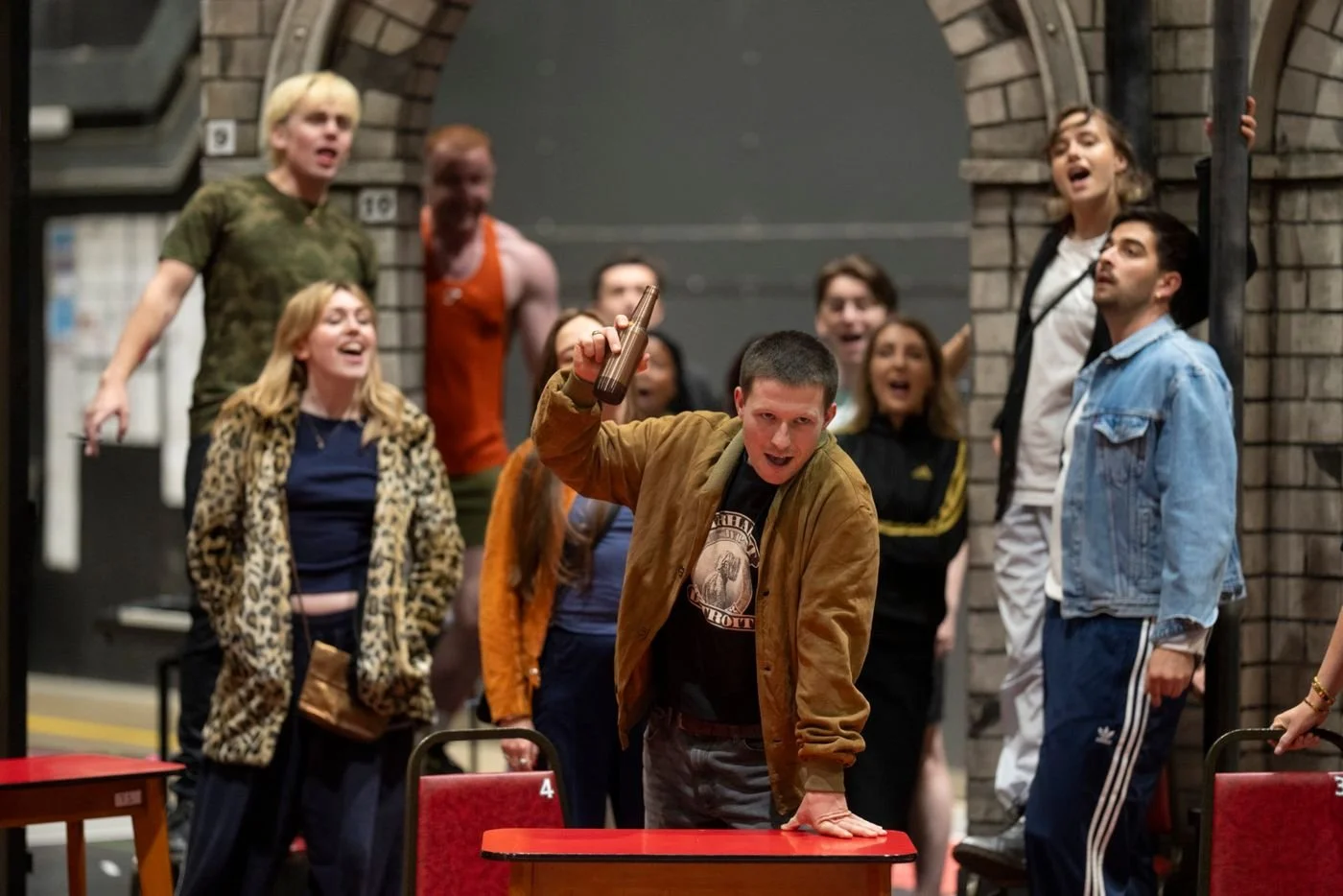
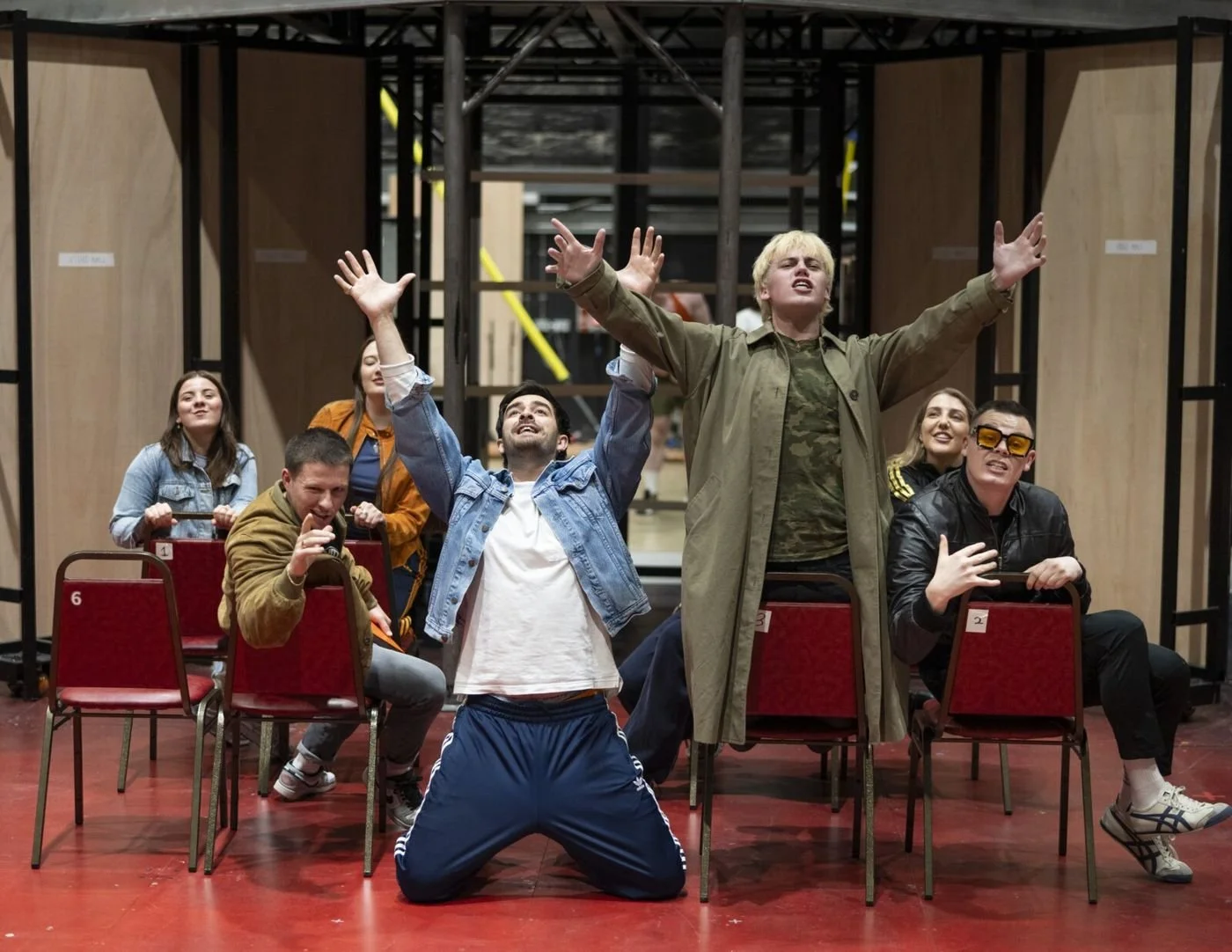
So it marks 30 years since the film was first released, and we’ve had the privilege of working with Irvine Welsh, the author of Trainspotting, and Stephen McGuinness as music producer. I think the film, and the themes within it, actually work in many genres, this isn’t your ‘normal’ musical. We’re looking at so many different styles of music, everything is quite dirty – but in a lovely way, if that makes sense! It’s definitely not Rodgers and Hammerstein – we’re not singing Oklahoma! But the way the tracks have been produced is really exciting, and we had our sitzprobe the other day, where we came together with the band for the first time, and it was just incredible. So, actually, I think by taking it into a musical, it really allows you to get deeper into telling the story, rather than just with spoken text. And some of the tracks from the film are just iconic, aren’t they? There are some of those tracks in the show, but then there are also brand new tracks, so it's really exciting.
I’m also intrigued by your character Colleen – tell us how she fits into the story?
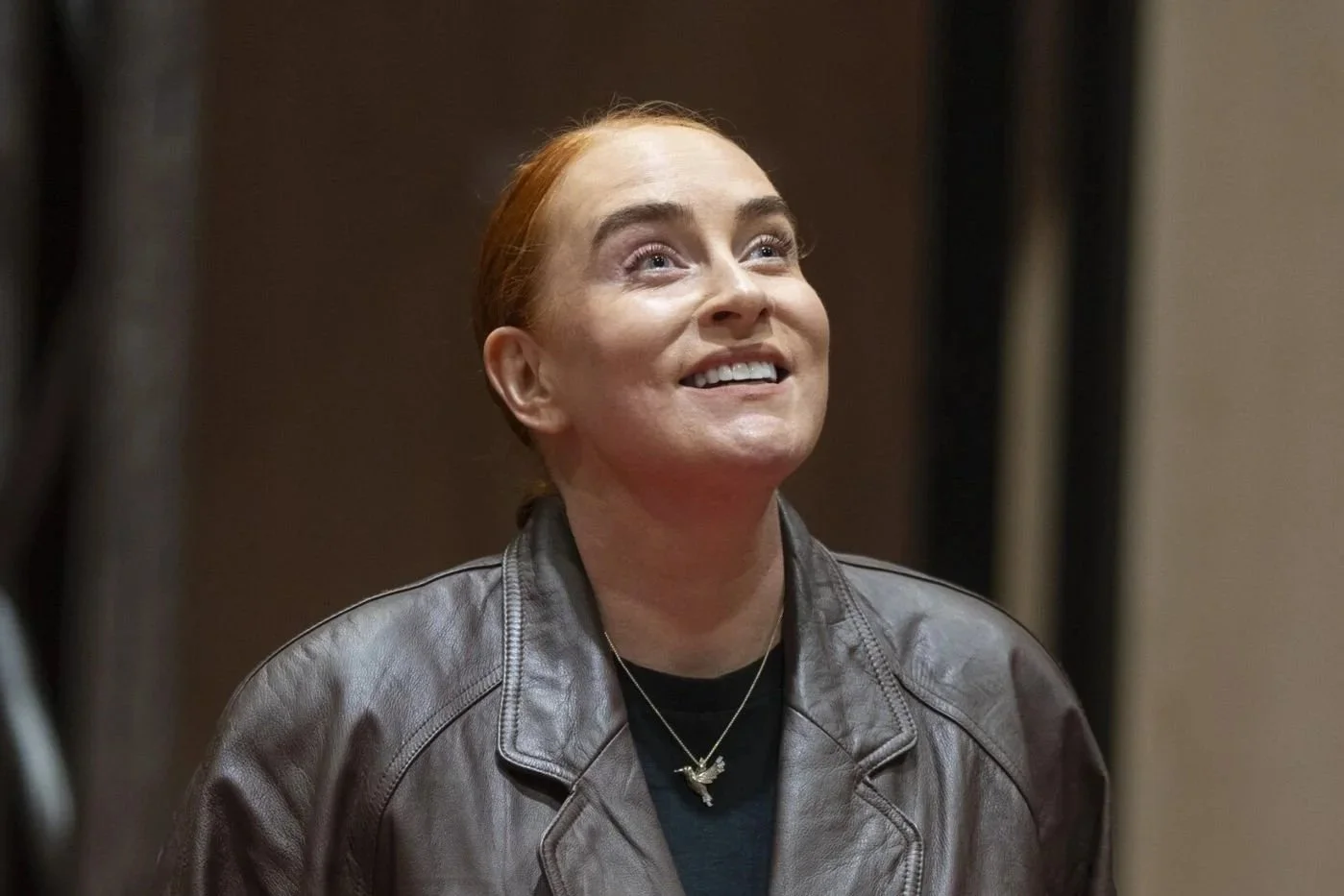
She is mentioned in the book - everything in this show is either from the book or film, or directly written by Irvine for the show – but the film is so heavily about the boys as the main characters. So Colleen is Spud’s maw, and I think by bringing the mum’s into it, it makes it even more relatable because you see the effect that heroin and that poverty has on the family, and the ripple effect it has throughout. It really lands the reality, because this is all set when the docks in Leith were closing, and people weren’t just losing jobs, they were losing careers. These were people who’d been brought up working at the docks, and the heroin was coming in from the docks, and people didn’t really know what they were starting. It just shows the effect it had on the families, and especially with my character and Renton’s mum Cathy, who’s played by Rebecca McKinnis – there’s moments where these two characters actually don’t particularly like each other, but they get over that because they understand they’re dealing with the same thing, and they find that comfort and understanding in each other.
How are rehearsals going so far? Has anything surprised you since you’ve started to bring the book to life?
Well, on the first day we did a read through and Irvine Welsh was there, so that was quite a biggie! But for me, it was lovely walking into a room of Scottish people; I live in Birmingham now and I always call myself a ‘scrummy’ – a Scottish Brummy. So I walked into this rehearsal room in London of Scottish people, telling a Scottish story written by a Scottish author, and that has got a level of magic to it before anything starts, you know?
I was going to touch on that; as a Scottish actor, what does it mean to you to be working on a show like this? I feel like it isn’t often that we get to see regional actors being able to represent where they’re from..
Well I completely agree, and I think it’s really important that we hear these stories, like you say, regional stories from around the country. There have, been other musicals recently, set in the likes of Sheffield or Dublin, and it’s important to tell these stories. This show has been great because we’re developing as we’re going. There’ll be some piece of text that has us going, ‘well, how can we develop that? How can we use that to tell this arc?’ and be true to the story, because it’s such an iconic book to us. And we’re Scottish people telling a Scottish story; however, the themes of it transcend just being Scottish.
The themes really hit home with anyone, and sadly, a lot of the themes from 30 years ago are never truer than they are now. There is something special about it, and it’s something that us as the cast, the crew, the creatives, we’ve all had this moment of ‘well this is a little bit special’. I’m so excited to take it into London and share it with a West End audience, but it will also be interesting to see how it lands when we’re touring and going to these regional venues; I think people will really relate to this, and the tour opens in October in Edinburgh which is so nicely done.
Both the film and original novel are well known for their brutal depictions of addiction, the working class and poverty. How is the show incorporating these elements in a way that translates for the stage?
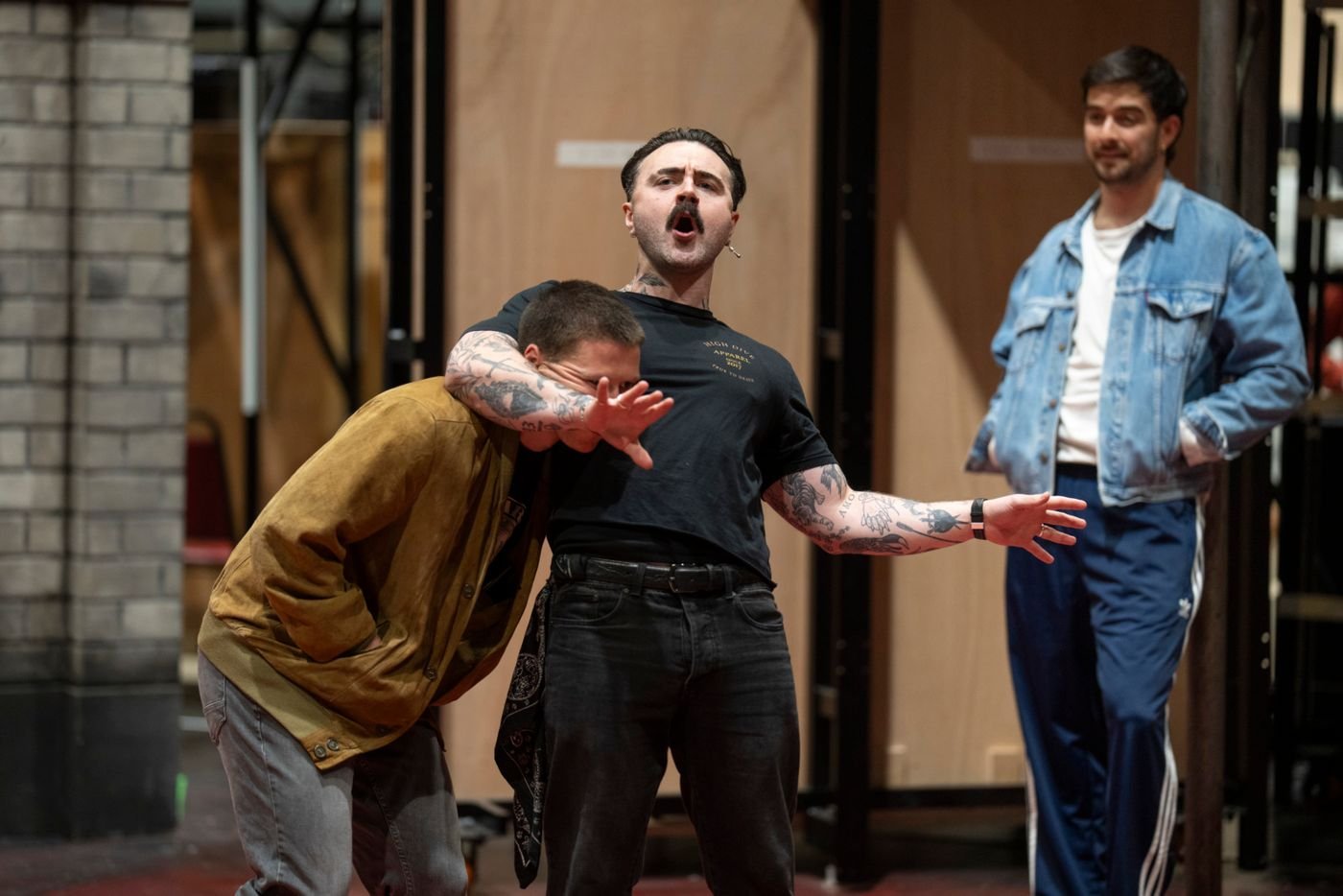
Well like I say, it’s a story that’s 30 years old, but the themes of it a still prevalent now, and you have to be true to the story and get that gravity across because the weight of it is massive. I don’t think you can shy away with that, and if you’ve ever read Irvine’s books you’ll know he doesn’t do that. It’s true storytelling: it’s there, it’s real and it’s in your face. So there are moments that really do kind of catch you and take your breath away. But, as I say, what is so true in these situations of sadness and darkness is that that’s where the natural comedy comes out, because people have to continue. You have to keep going, and how do you do that? People just try to make it work, and find that dark humour because if you don’t, what have you got? You can’t sit in that sadness and brutality, you’ve got to find the humour – and Scottish humour is especially effective.
And that was always the message with Trainspotting, wasn’t it – choose life, even in the depths of depravity..
Absolutely, and it’s about having connections with people. People come together when times are hard and build communities. The docks closing in Leith was massive; that was people’s whole lives, there were generations working at those docks. Suddenly, they had no work, and what they then had was this addiction, making them distracted. So I think the story still has that impact, and even on stage, I do feel like it still has the impact it deserves.
Considering you grew up in Scotland around that time, does this feel especially poignant or relatable to you?
Well, funnily enough, I’m from Falkirk, and in Grangemouth nearby at the moment, all the BP oil stations are closing down. So it’s crazy that this story is 30 years old and this is still happening in local towns in Scotland now, and it’s taking away people’s jobs, you know? So I think this is where, regionally, I think a lot of people will connect with the story, and our director CJ, is so wonderful and passionate about getting us to think about the impact. We’ve really looked into these characters and their situations to try to understand them, because you have to do them the justice they deserve. So it’s been really exciting from an actor’s perspective to be given this character of Colleen to develop, because she isn’t mentioned much in the book. So I’ve been able to create this character with the text, and I keep saying it feels special, but it really does – it feels important to me, and unique. I feel really grateful to be part of this process, and to tell this story that we’re originating in a world premiere (!)
What can audiences expect when they come to see the show?
I think this story just has a real truth to it, and it’s hard hitting – that’s the reality of it. And I think in any community, in the hardest times, the thing that gets you through is humour. So even though there are really deep and heavy themes running through the show, there is humour, because that is free, and people can always find that in the darkness. So as much as there are moments, like when we did the producers run and got to Act 2, there was one scene where I was crying, we all were, because you’re so in the moment it really catches you. But then there’s also moments where I’m in the wings watching certain scenes and I’m hysterically laughing, so I think people will find even through those dark themes some lovely moments of real comedy. It’s like the phrase ‘if you don’t laugh, you’ll cry’, so people can definitely expect a few laughs because these actors are just incredible. It honestly is such a pleasure to work with them. Having said that, it’s certainly not for the faint hearted – it’s definitely not Mamma Mia! I think audiences will enjoy it, and it’s a message that 30 years later still has to be told.
Trainspotting The Musical runs at Theatre Royal Haymarket from 15 July and then tours the UK from 19 October – 20 March. For tickets and venues: trainspottingthemusical.co.uk