Krapp’s Last Tapes and Godot’s To-Do List at Royal Court Theatre

Written by Eloise for Theatre and Tonic
Disclaimer: Gifted tickets in exchange for an honest review. All views are our own
I was very excited to watch Krapp’s Last Tape by Samuel Beckett at The Royal Court, one of the faster selling out shows of the 70th anniversary season. Alongside this, I was intrigued by the pre-show of thirty minute short, Godot’s To-Do List by Leo Simpe-Asante, the inaugural winner of the 2025 Royal Court Young Playwright Award. You get both shows within the one ticket – and this is the first time I have experienced this away from the fringe theatre setting – and certainly something I’d like to see run through wider theatrical programming. Having a show by an early career playwright opening for a show with a star like Gary Oldman and a classic writer like Beckett, is a wonderful way to open up accessibility within theatre and begin introducing new voices into venues such as the Royal Court.
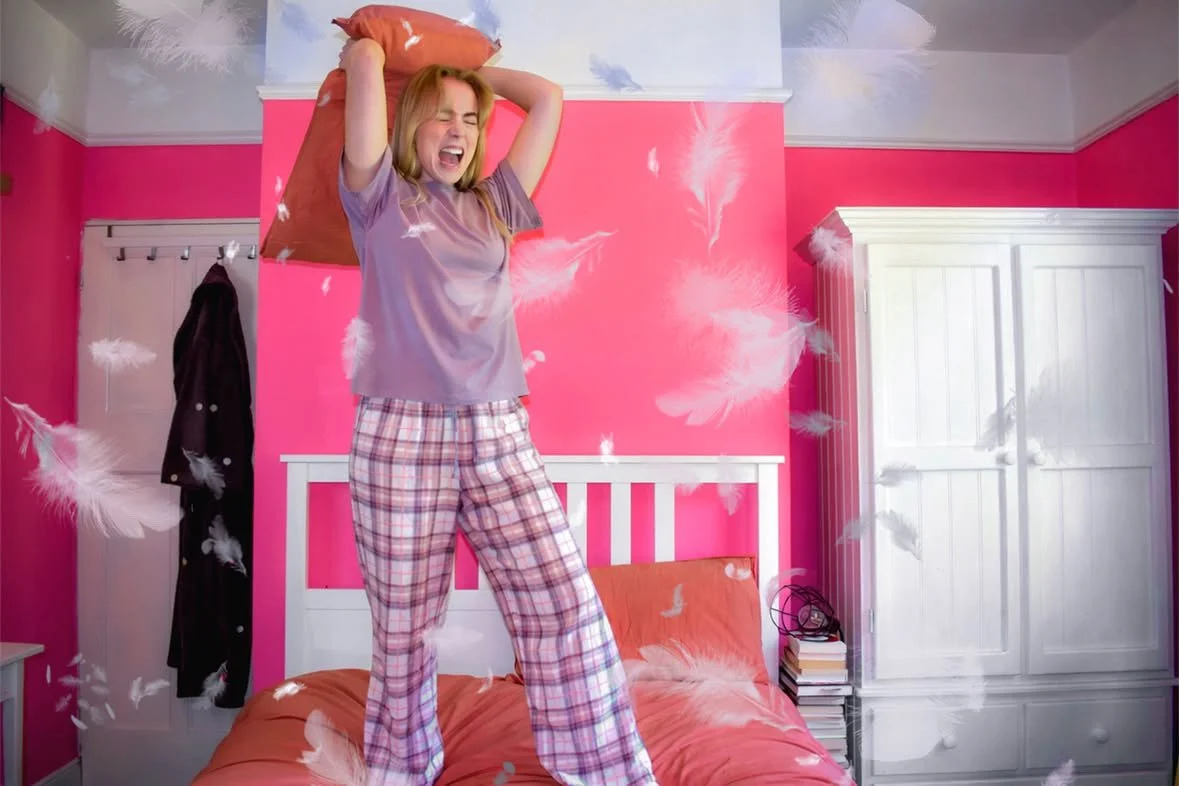
Godot’s To-Do List was a well-paced nugget of wonder. Set at the front of the stage in front of the overwhelming set of Krapp’s Last Tape in a small spotlight – Shakeel Haakim, who plays Godot, brings the audience into his every word. The play follows Godot as he is informed by The List, played by Flora Ashton, that he cannot leave until his list is completed. The tasks range from the seemingly unremarkable, such as taking a breath, to more advanced tasks such as learning something new about himself. There is a real journey through this play, which Haakim skilfully guides the audience through – his range as an actor showcased excellently, going from stage clown to full blown panic attack in seconds. Ashton, who’s voice perfectly embodies The List, plays off of Haakim perfectly – creating a dynamic partnership. However, it would have been really interesting to see Ashton physically on stage – even if just in a sound booth. I think there is the potential for something more experimental to be done with this play… however it was a brilliant starter to cueKrapp’s Last Tape.
The choice to put these two shows back-to-back must be commended, as they complement each other so well thematically. The exploration of male mental health and the concept of ‘being in the moment’ is frequent within both plays. The reflection of one man on stage ruminating on their past, or in Godot’s case, future actions, to work out if their life has meaning or a greater purpose is nothing short of existential. Though Simpe-Asante’s younger voice has potentially greater clarity for a modern audience, Beckett’s words aren’t outdated or unclear – but instead poetic and contemplative.
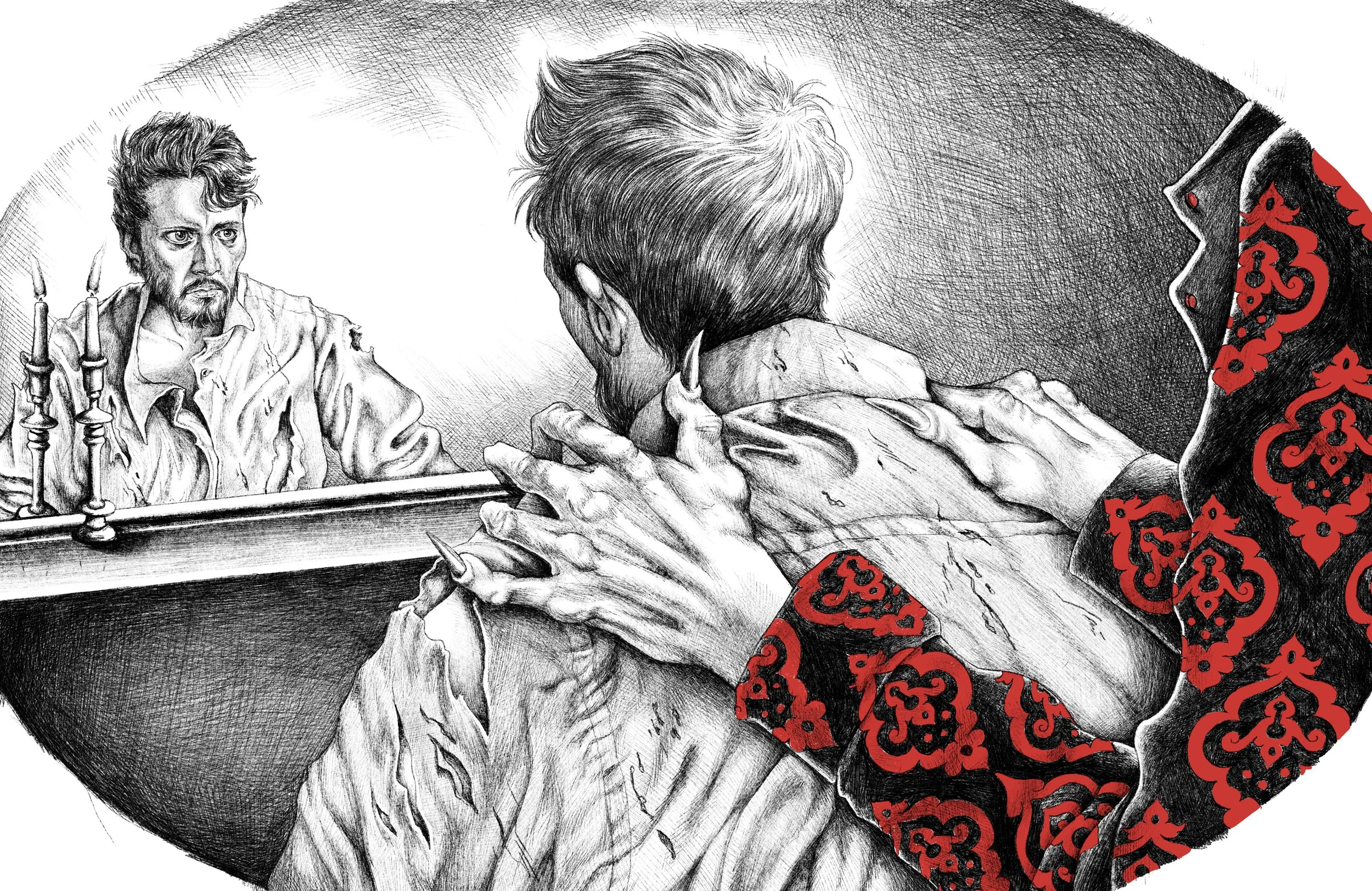
Firstly, the set of Krapp’s Last Tape was delightful. An attic space full of junk and relics of the past – with a singular desk and cobwebbed light hanging over it, illuminating the tape recorder – allowing the audience a window into Krapp’s character instantly, before Oldman had even entered the stage. Gary Oldman was not just the actor of the piece, but also director and designer. The play follows Krapp, a man on his 69th birthday who sits and listens to the tapes of his younger self, ruminating on his past, present, and potential future life.
The play begins with Oldman eating two bananas back-to-back – a fun, naturalistic start, but it certainly sets the tone that the pace of the performance is going to be slow. The performance is relatively static, as Krapp sits at his desk, listens to his tape, and only twice gets up to get a new tape from the back of the stage. It would have been nice to see the brilliant set utilised in a more creative way – with a more physical performance from Oldman. The performance was beautifully characterful and nuanced, and Oldman is a joy to watch – every emotion flashing through his eyes – but I can’t help but feel like he needed a camera there to capture it. I felt I needed to zoom in to capture the magic of his performance – where on stage it needs to be shared more widely, and I think more physical action could only aid this.
Additionally, due to the nature of the play that Krapp is listening to his tapes, the vast majority of the play is watching Oldman listen to pre-recorded stories – rather than hearing him live on stage. When we do hear him live – the stage is so alive, but in the moments where the recording draws out long, the pacing lolls, and some clarity can be lost. It felt rather Talking Head’s like, and though the character is certainly interesting – the play elicits in me all thinking, and not much feeling.
Overall, I think the range and levity in Godot’s To-Do List saves Krapp’s Last Tape from falling into a pseudo-existential hole – and Krapp’s Last Tape helps contextualise the themes and theories explored in Godot’s To-Do List - the plays complement each other well. Although the performances from all actors are brilliant, both plays could benefit from more physicalisation.
Godot’s To-Do List and Krapp’s Last Tape are playing at The Royal Court Theatre until the 30th May 2026 and are currently completely sold out. However, you can chance the box office on the day of the shows for return tickets. The show runs all the way through for 75 minutes, and contains loud noises, haze, strong language and blackouts.
★ ★ ★ ★