Our Public House at Marylebone Theatre Review
Written by George for Theatre and Tonic
Disclaimer: Gifted tickets in exchange for an honest review. All views are our own
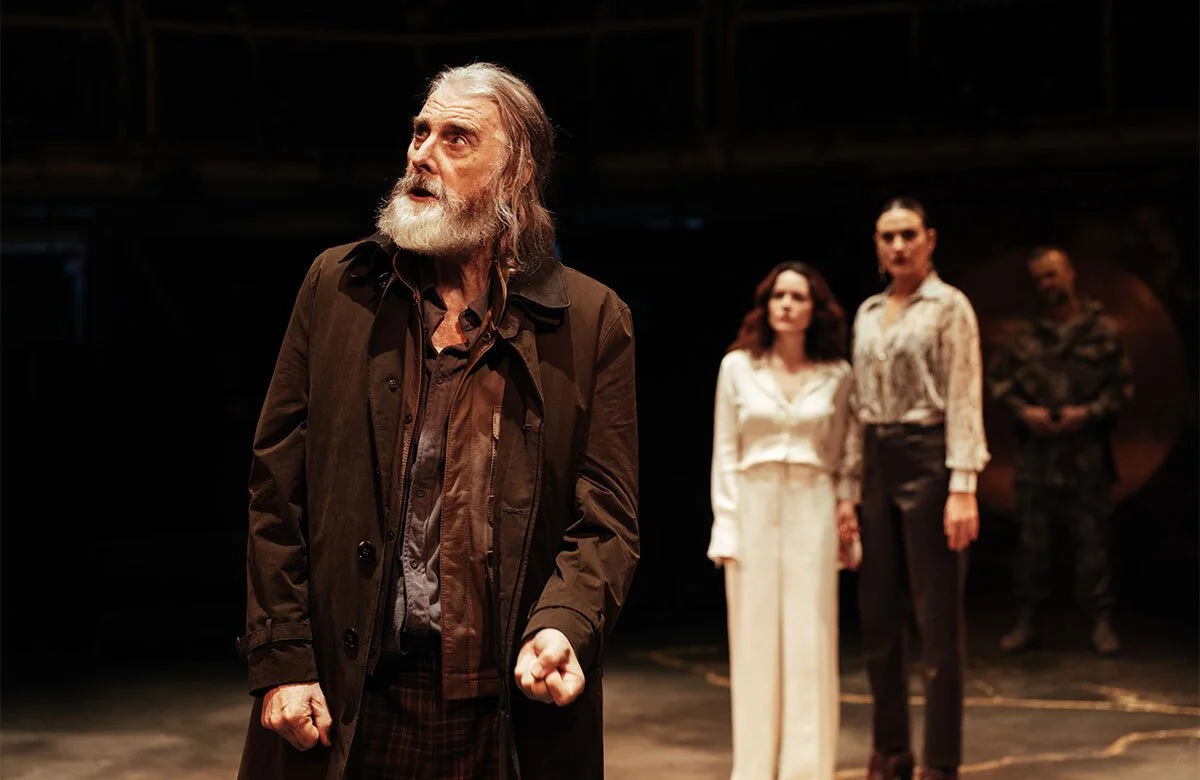
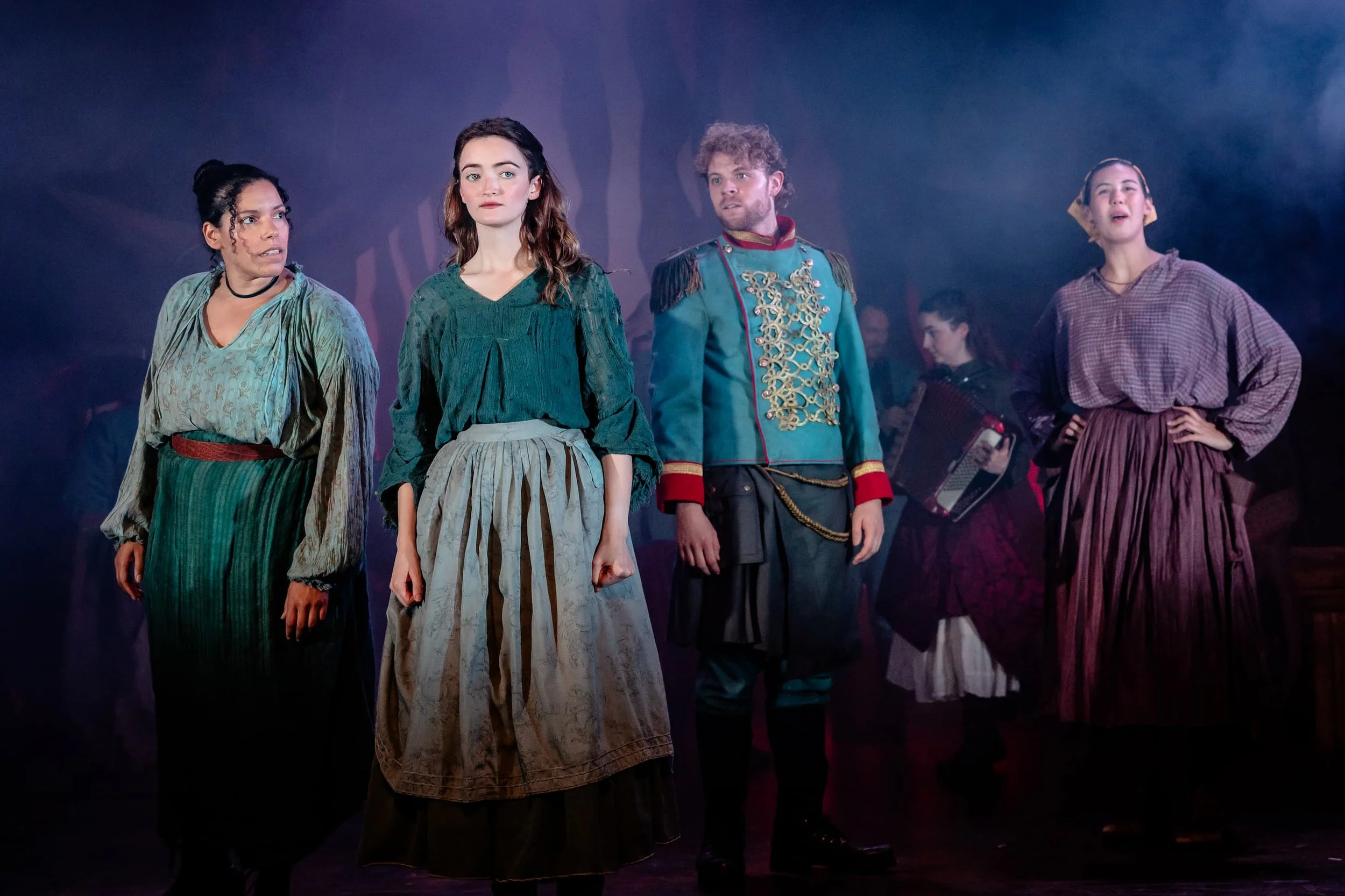
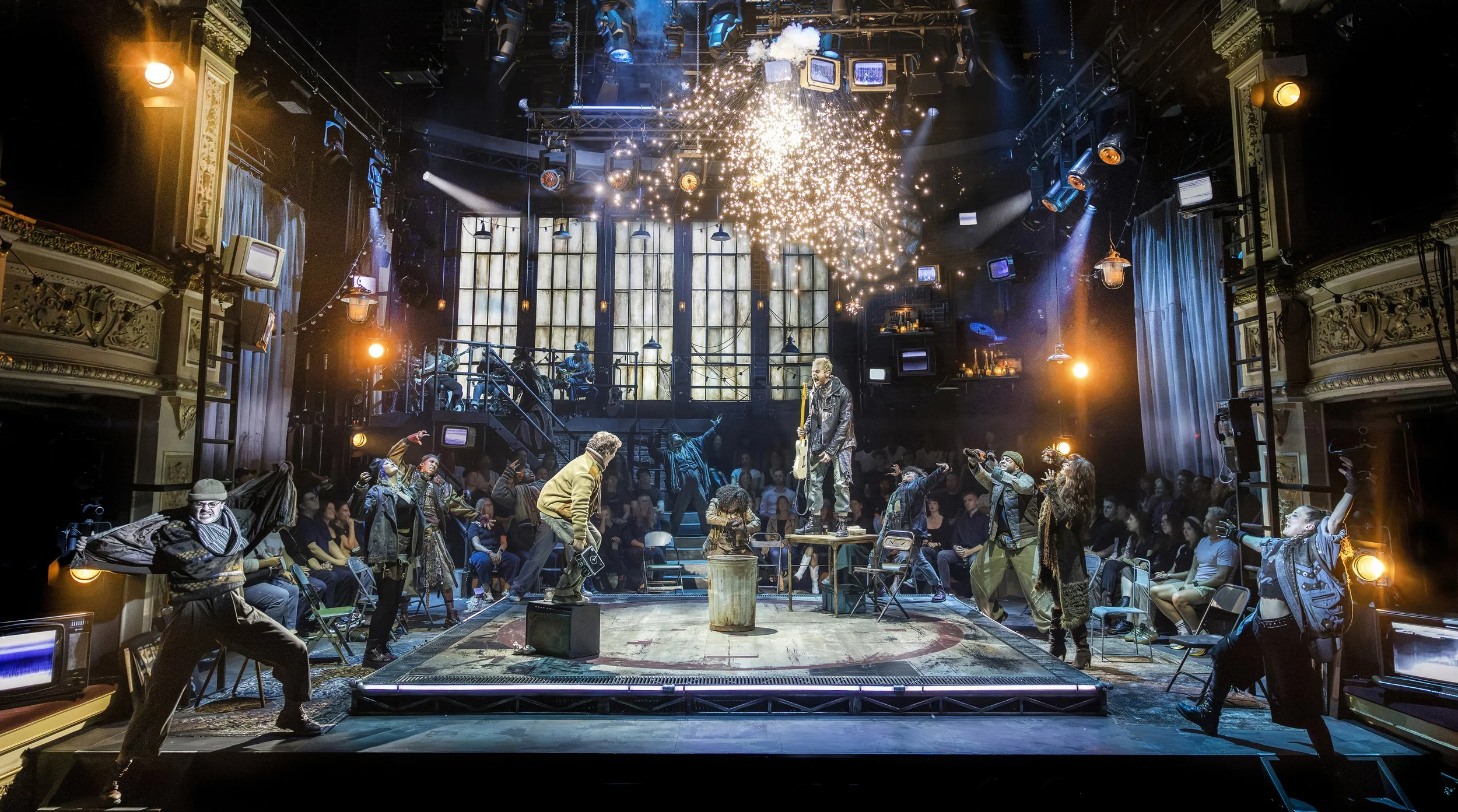
Our Public House is a play with original music set in the local pub of a community that chose to spoil their ballots in the previous election. We meet Landlady Sanjana (played by Bharti Patel), as well as her pub regulars, each with their own story and political views. Sanjana has been running a community group to teach people to write and deliver speeches on topics the individuals are passionate about. This is disrupted when Labour candidate Mary, and her advisor, Tom walk into the pub and want to become part of the group, sparking debate and confession.
The play is inspired by nearly 700 real speeches given by people nationwide across a 3-year research project by Dash Arts as they worked with schools, prisons, deaf communities, youth groups and community organisations across England, helping them write and deliver speeches about the future they wanted. I commend the ambition of the playwright, Barney Norris, and director, Josephine Burton for the scale of this play and attempting to represent people of different communities and identities from across the UK on stage, an ambition that is incredibly important in shaping the future of London Theatre.
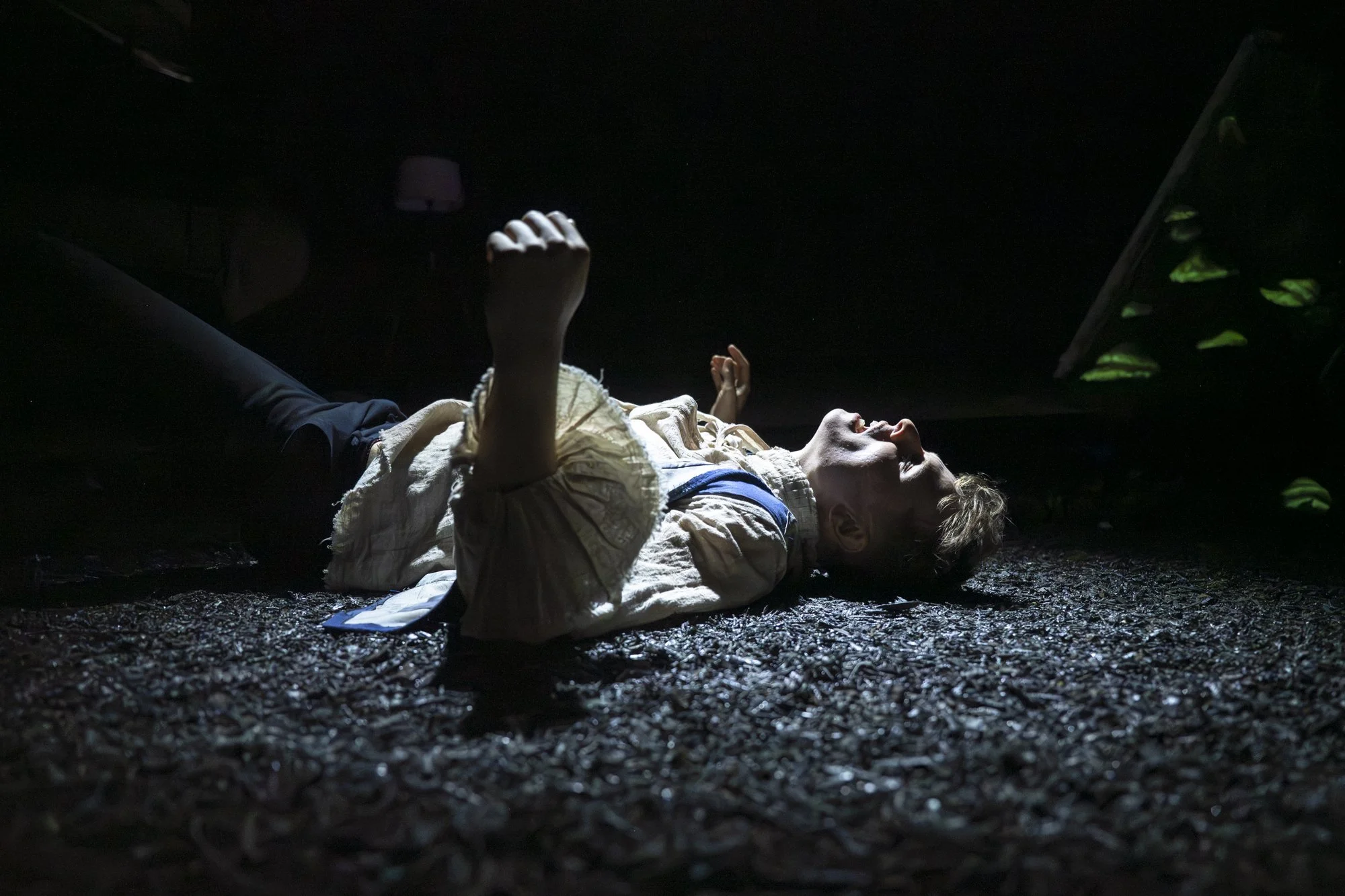
However, Our Public House unfortunately fell into the expected pitfalls of a piece of new writing of this size. Instead of focusing on individual characters in detail, Norris brushed over each person, telling us a little bit about their past and then quickly moving on to the next. All the information given to us about the characters was told to us in retrospect, instead of allowing the audience to discover the information for themselves as the story unfolds. This ‘brushing over’ repeated in the progression of the scenes as previous plot points didn’t seem to inform the characters in the next scene, instead ignoring any build or arc that could have been created within the story. For example, Scott (played by Fergus O’Donnell) has a heated conversation with Sanjana and her daughter Anika (played by Chaya Gupta) surrounding race and his position as a white man in the UK, which escalated to him announcing that he wants to stand as a candidate for Reform in the next election. There was little to no reaction from the other characters, and this plot point wasn’t mentioned again for the rest of the play. Similarly, Jo (played by Lauren Moakes) physically assaults Sanjana over not helping her to find a new flat and regain custody of her daughter, Sanjana is left bleeding from the head, and Anika calls an ambulance. In the next scene, Jo is helping Sanjana pack boxes to move house, and I find it difficult to believe that these 2 women could move on from an altercation such as that so soon. There’s a collection of interesting and complex characters, that didn’t have time to be explored or developed as much as they could have been.
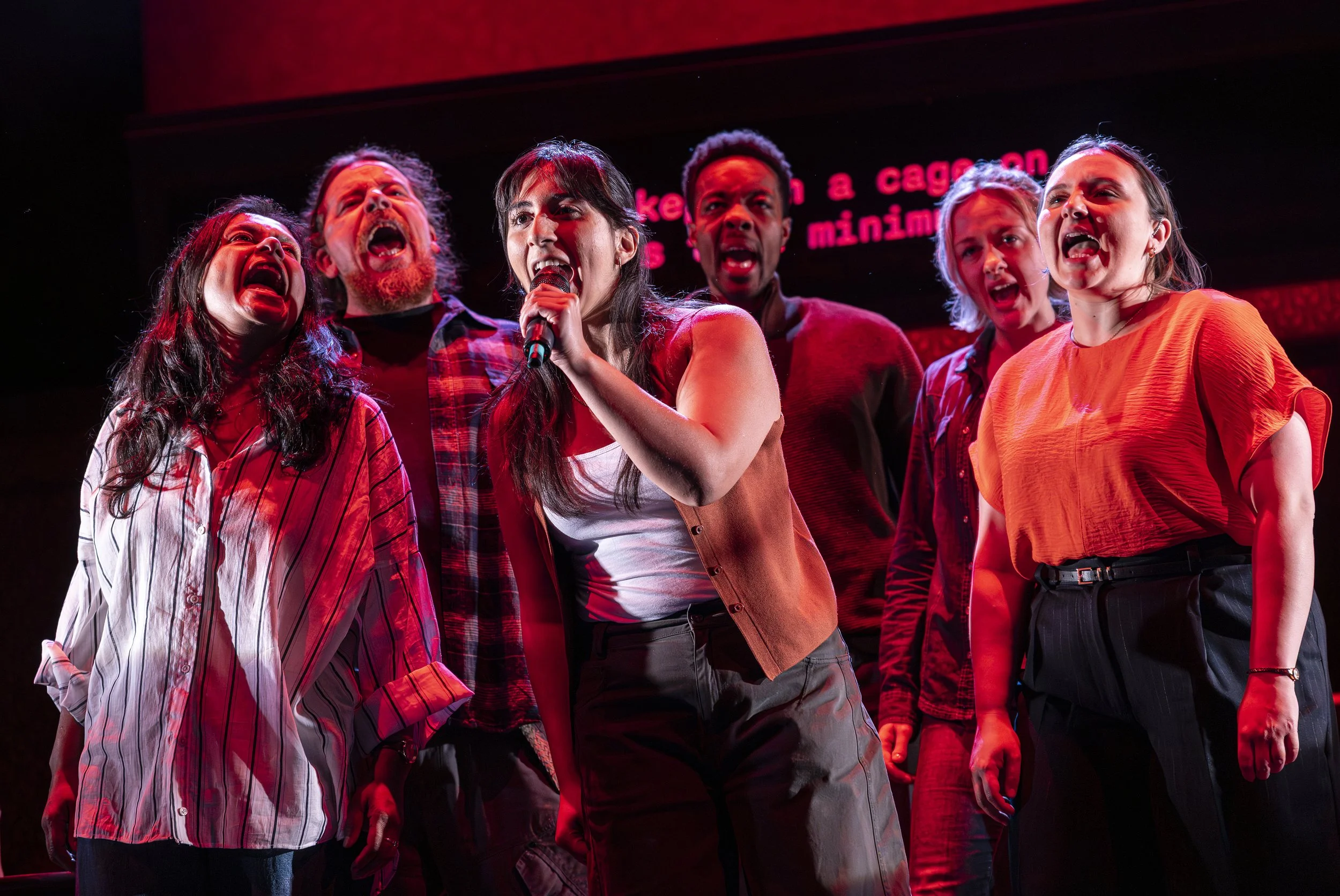
In addition, the play felt very confused. For a production focussing on identity, it struggled to have one of its own. The mix of naturalistic scenes played out in a local pub, with real verbatim speeches performed to music, to opening Act 2 with suddenly breaking the fourth wall and incorporating real life speakers didn’t work very well in establishing a rhythm. A handful of the speeches from Dash Arts’ research project had been put to music but felt very clunky and awkward to listen to and having the other characters on stage do incredibly simple moves and backing vocals felt very amateur and distracting instead of adding to the performance. The mix of styles didn’t complement the story they were telling and left me, as an audience member, very distracted from the political statements each character was trying to make.
One element of this play that should be celebrated is their commitment to d/Deaf representation on stage. Mary (played by Gabriella Leon) is a d/Deaf labour MP trying to gain the votes of the local people by immersing herself in their lives, joining their speech writing group and listening to their needs. This was my first experience of a captioned performance and the clever set design by Good Teeth Design, incorporated the captions as part of the chalkboards in the pub, allowing us to remain completely in the world of the play. The use of captions allowed some scenes between Mary, Tom, and Jo to be performed entirely in sign language without a non-signing audience missing a thing. It was really moving to see the deaf community represented on stage and Leon’s performance felt genuine and passionate as she unlocked the characters on stage and opened them up to the idea of change through politics. This is a wonderful example of how making theatre accessible can be incorporated into design, storytelling and add to the world of the play as opposed to being an afterthought.
Our Public House was an incredibly ambitious piece of theatre that fell short of what it wanted to achieve through simply a lack of specificity and commitment to characters and story. It is incredibly important to represent different communities and individuals, and detail instead of quantity of characters would have painted a clearer picture of the divided UK political landscape I believe Dash Arts and Barney Norris wanted to depict. However, this play is definitely a start to bringing these real stories and individuals into the spotlight, and that is incredibly motivating.
Our Public House is performing at the Marylebone Theatre until July 4th, when it concludes its UK tour.
★★★