The BBC's First Homosexual Review at Cinema Museum Review
Written by Ziwen for Theatre & Tonic
Disclaimer: Gifted tickets in exchange for an honest review
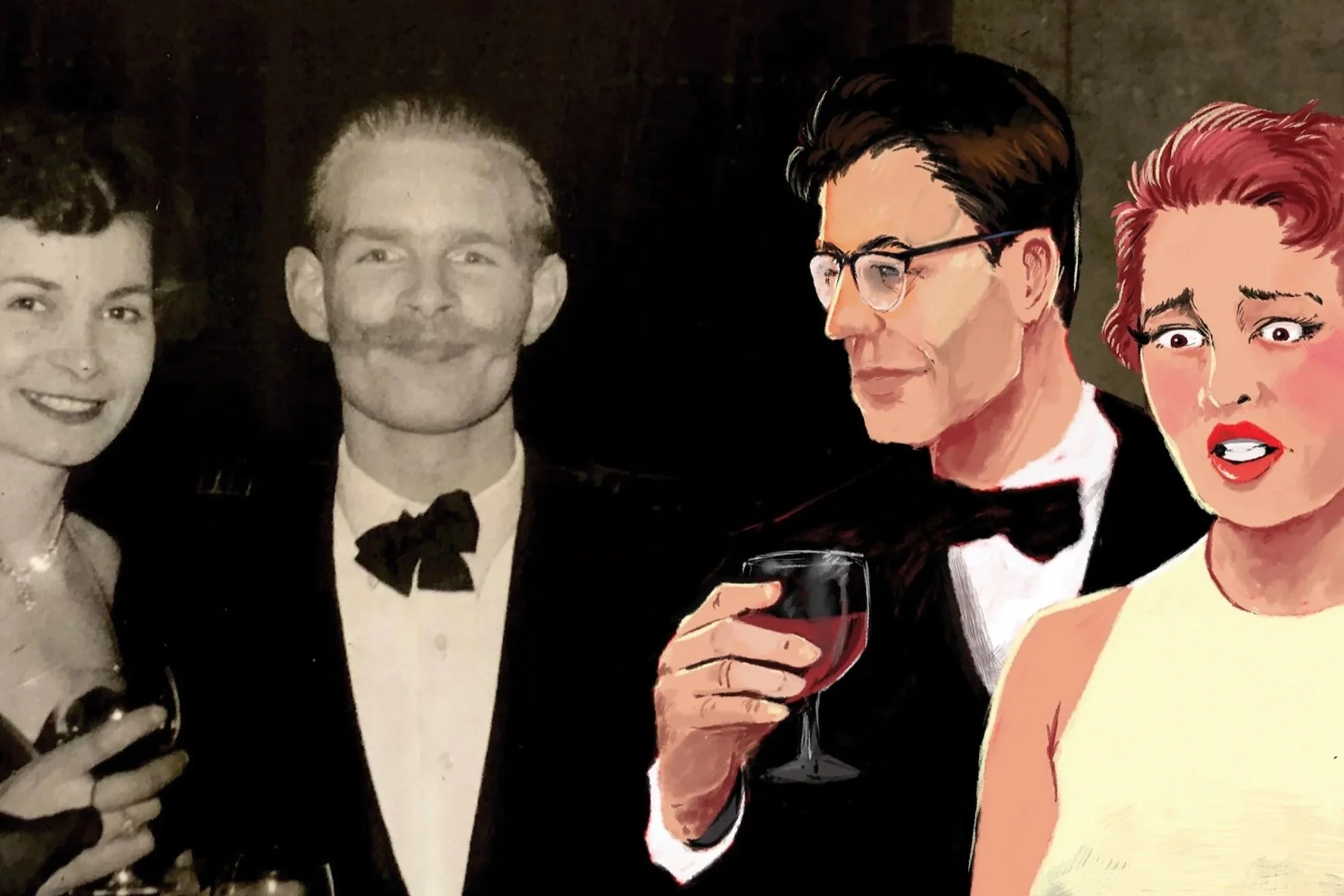
As a homosexual person, what was the living environment like in the 1950s? In 1954, the BBC produced the first documentary about male homosexuality. However, because the topic was too controversial, it was immediately taken off the air. It was not broadcast again until three years later, after heavy cuts, under the title The Homosexual Condition. Yet, in the more distant future, it still disappeared, leaving only the transcript of the original recording. This transcript was adapted by Stephen M. Hornby into the stage play The BBC’s First Homosexual, directed by Oliver Hurst, which began touring England and Wales. One of the tour venues was The Cinema Museum.
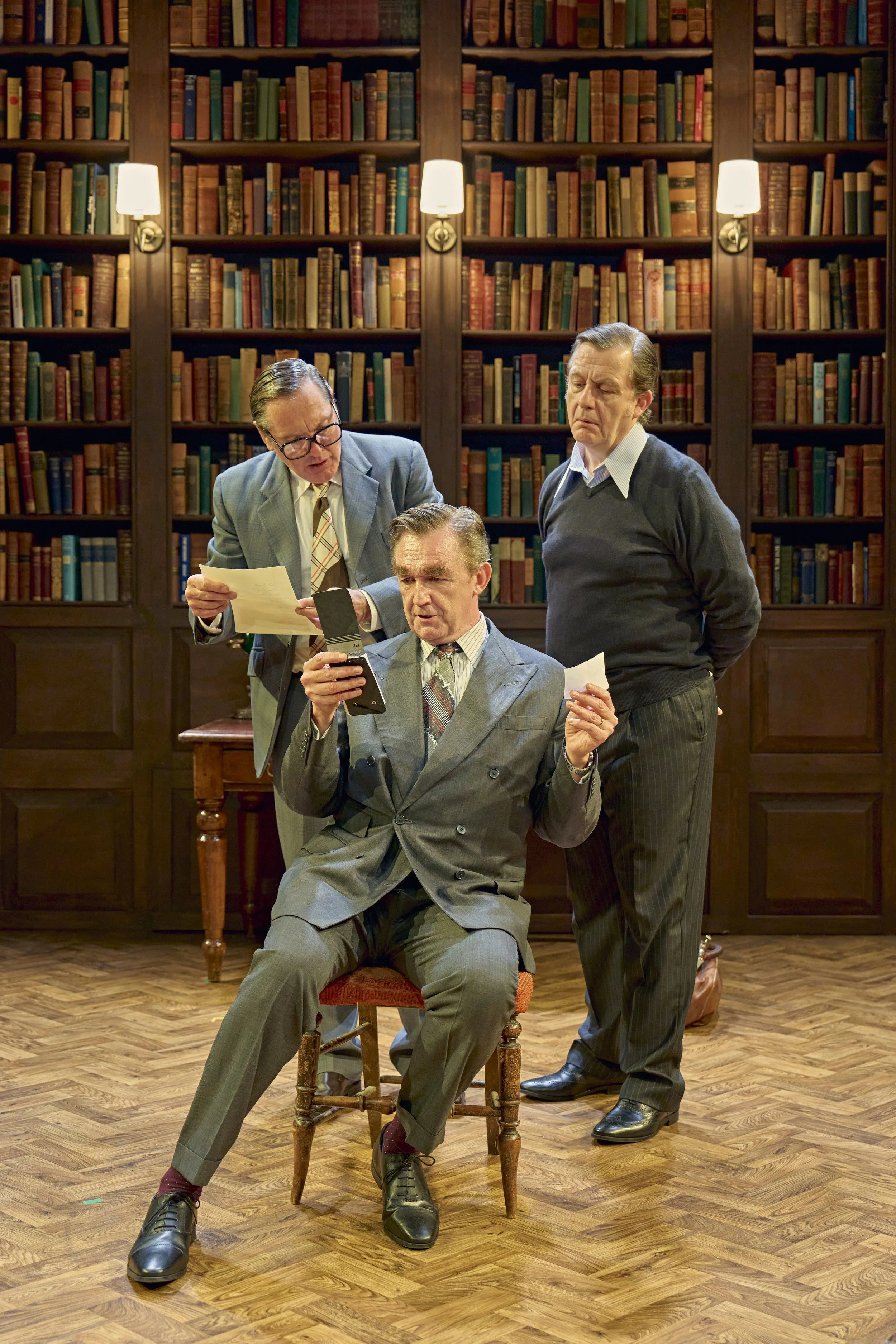
On stage, it’s presented simplistically with only two chairs at a table and two microphone stands, and the lighting changes are not complex. However, in the setting of the Cinema Museum, which has a strong historical atmosphere, the performance itself becomes more interesting. Even the opening bell that is struck suits the work very well. The whole production has only three actors (Mitchell Wilson, Max Lohan, Andrew Pollard), and the story is divided into two storylines. The first storyline shows two BBC producers discussing the process of making and releasing this documentary. In addition to the difficulties faced by the two producers, we can also hear the real content from the documentary at the time. This includes many offensive remarks made by the barrister Lord Hailsham, the educator John Wolfenden, and representatives of the Church of England. The content of the other storyline is fictional. The protagonist of this story is Tom, a 19-year-old employee at a tailor’s shop in Manchester. Through his monologues, the audience gradually learns about him and the several men he met in his youth.
The performances of the three actors undoubtedly make the work more lively. Wilson’s Tom is shy and endearing, it is easy for people to follow the story he describes and to hope that he can obtain a beautiful love. Lohan and Pollard each play multiple roles. In addition to the two BBC producers, they also play the people Tom encounters and those recorded in the documentary, among other characters. Whether male or female, the roles are portrayed vividly by Lohan and Pollard, and the differences between the characters are very clear.
However, although the work feels complete and carries an approachable sense of humor, there are also some issues. The two timelines are closely connected in terms of background, but they lack a sufficiently deep link in practice, which makes them feel somewhat disjointed. The transitions between time periods follow the same rhythm throughout, gradually becoming predictable and slightly repetitive. Quite often, Tom’s storyline is more engaging than the first one. As a result, when the two producers are talking on stage, I occasionally find myself waiting for a return to the other timeline. In addition, although Tom forms several interesting relationships, none of them is explored in great depth. Placing more emphasis on one or two of these relationships could make the story feel richer. Overall, while the work conveys a strong sense of the period’s perspective, the atmosphere of the era could be intensified further. If the connection between the two timelines were strengthened, the character relationships developed more fully, and the historical details were made more specific, the play could become even more compelling beyond its inherent significance.
The BBC’s First Homosexual plays at The Cinema Museum until 14th February 2026
★★★