The Trials at Tron Theatre, Glasgow Review
Written by Charlotte for Theatre and Tonic
Disclaimer: Gifted tickets in exchange for an honest review
Dawn King’s provocative near-future dystopia The Trials has been performed by a host of young companies around the UK in recent years, with Glasgow’s Tron Theatre being the latest to offer their production. The Trials takes place in an unspecified but evidently proximate future in which the climate crisis has escalated to critical levels and the children who will suffer its worst consequences have been called to serve as the jury in the trials against those of the older generations for contributing to environmental destruction. Hailed as a disquieting and unflinching speculation on the dire circumstances of pollution soon to knock on our door, The Trials is certainly still a timely accusation against its audiences and even itself. ‘It doesn’t matter if you pollute for art,’ one of the child-jurors argues in the deliberation over the fate of a playwright-defendant (quite possibly a King self-insert), ‘it’s still pollution.’
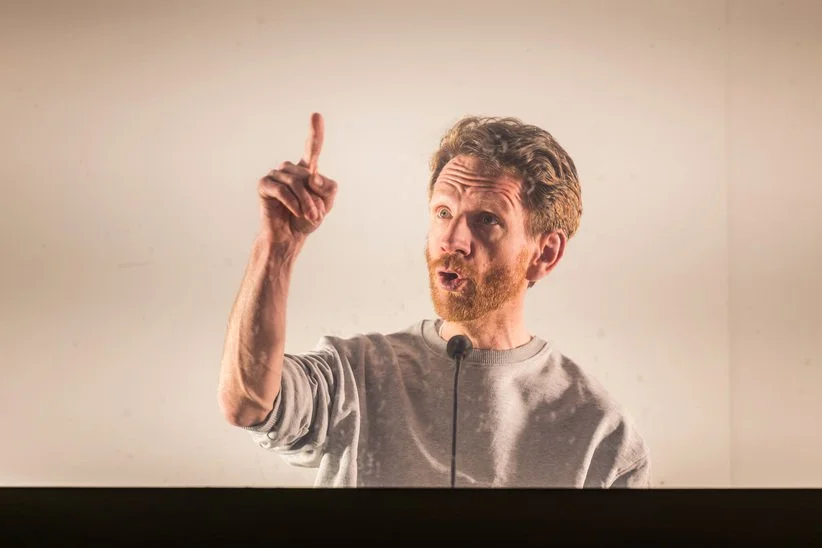
Jessica Worrall’s vividly antiseptic scenic design offers us only a sliver of this world, our world–a cut-out window above the stage giving only a narrowly-framed glimpse of the impassioned defendants as they offer their statements through a stationary gooseneck microphone. Below, the jury room is floor-to-ceiling white plywood broken up only by the fluorescent and suggestively green plastic chairs, a water cooler, and massive block letters spelling out ‘THE TRIALS,’ reminding us all what is in session. Coupled with harsh, inescapable lighting by Derek Anderson and simple but piercing sound design by Lewis den Hertog, the environment within the play’s ruined environment is realised with brilliant effect. Equal parts recognisable and uncanny, it seamlessly brings King’s impending dystopic setting to life.
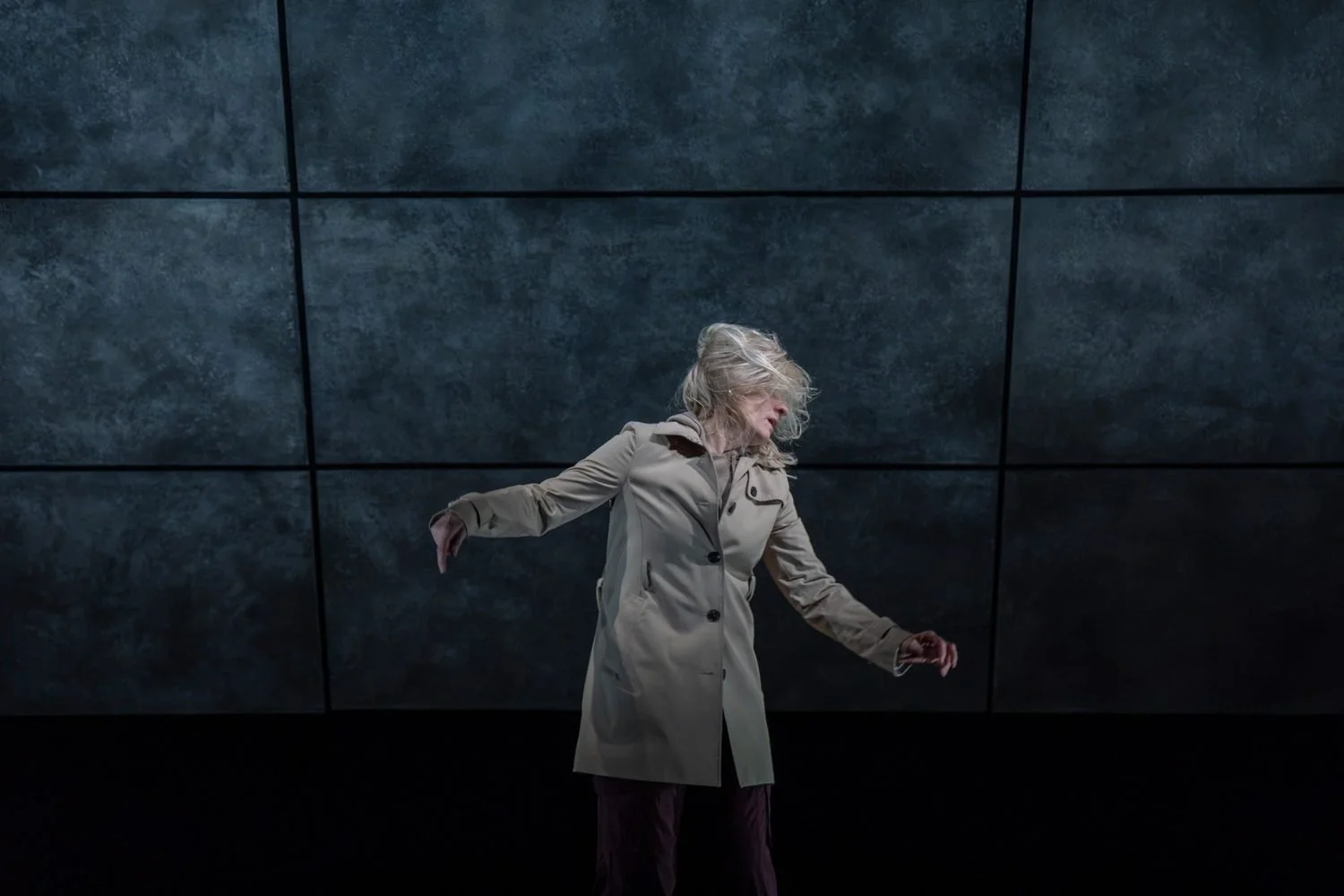
The performance itself, however, is often imbalanced. Each of the three defendants, portrayed with haunting realism by Brian Ferguson, Maryam Hamidi, and Pauline Goldsmith, delivers a truly chilling monologue in defense of their life. While these scenes make up a shorter portion of the play than the jury deliberations, they are far and away the most nuanced, meaty, and engaging portions of the production. It is in these monologues that the most pressing questions about how we live our lives today and the systems in which we are often trapped are raised. Each of the defendants feels frighteningly ordinary, someone who might easily be a loved one, a neighbor, or even we ourselves, and it is this ordinary quality that begins to break down the child-jurors, who are divided over whether prosecuting these individuals is as clearly justifiable as the earlier prosecutions of ‘super-polluters,’ the CEOs and mega-wealthy who committed the vast majority of carbon emissions. As intriguing as such a divide has the potential to be, in performance, it is bogged down by a smattering of green clichés, from the kids’ universal righteous veganism to a teenager who has dropped out of school to plant trees. In an attempt to reconcile their conceptual underpinnings, the young juror characters become too prototypical to match the complexity and depth of the defendant characters. As a play designed for young people, it can at times both infantilise and age them.
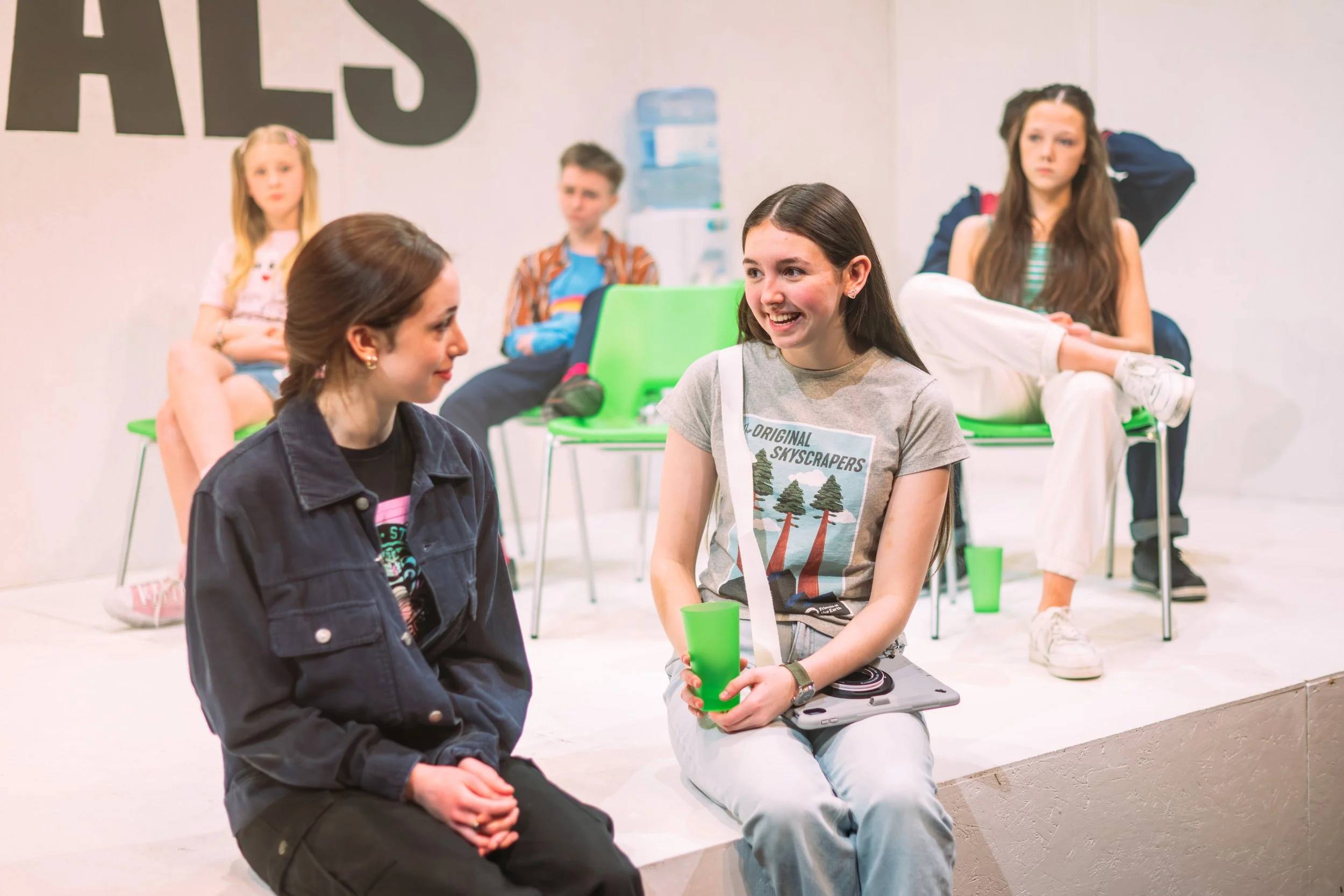
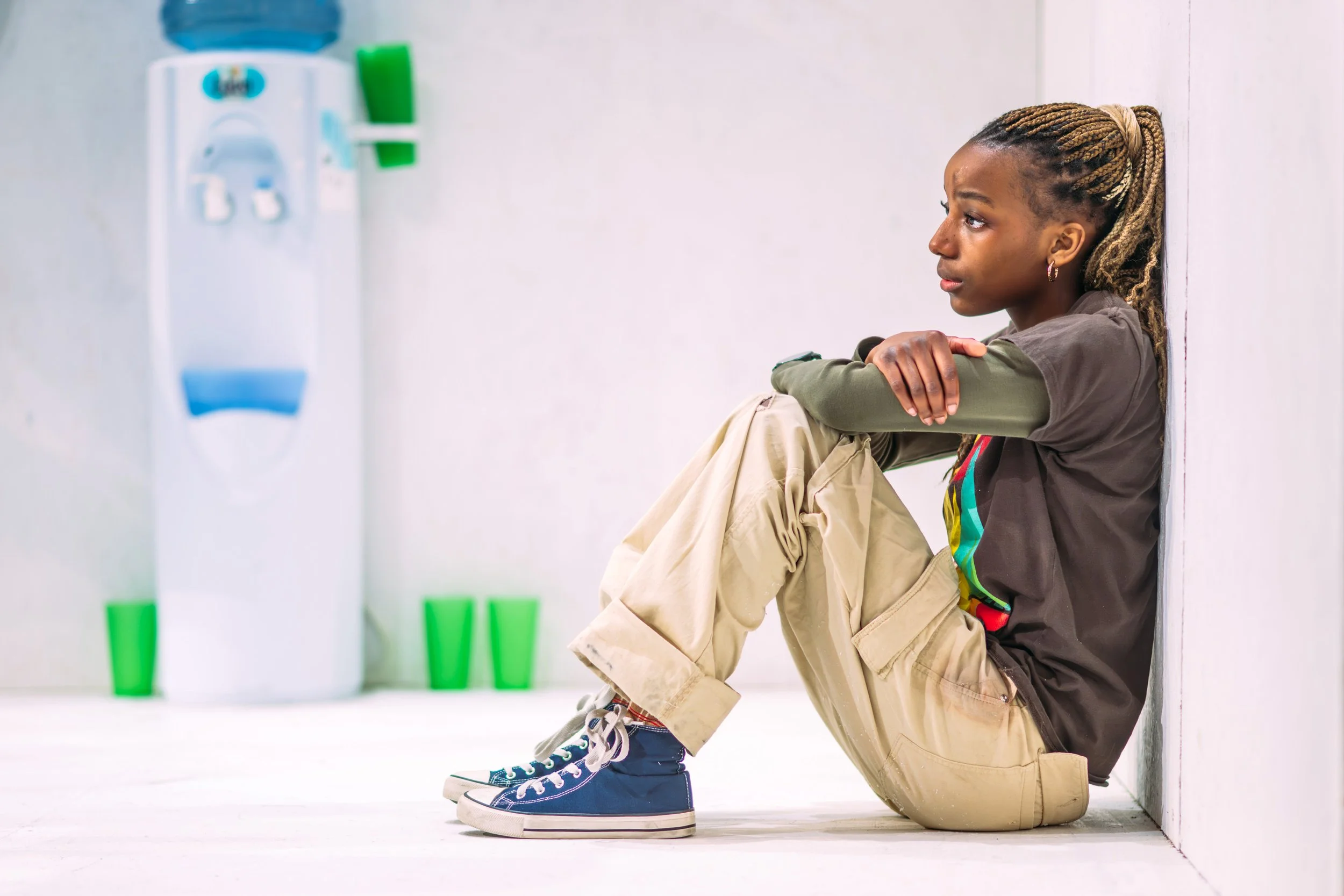
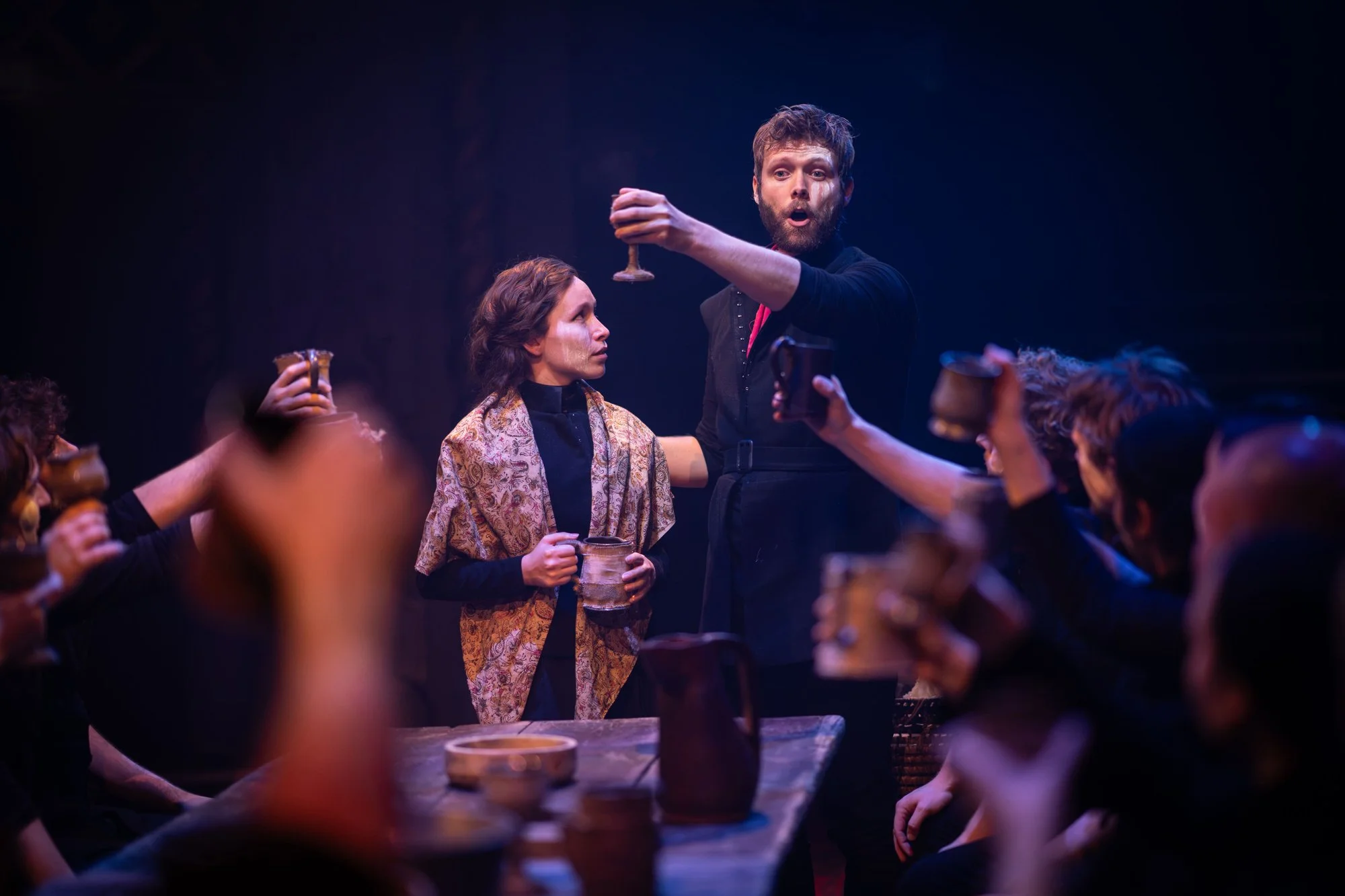
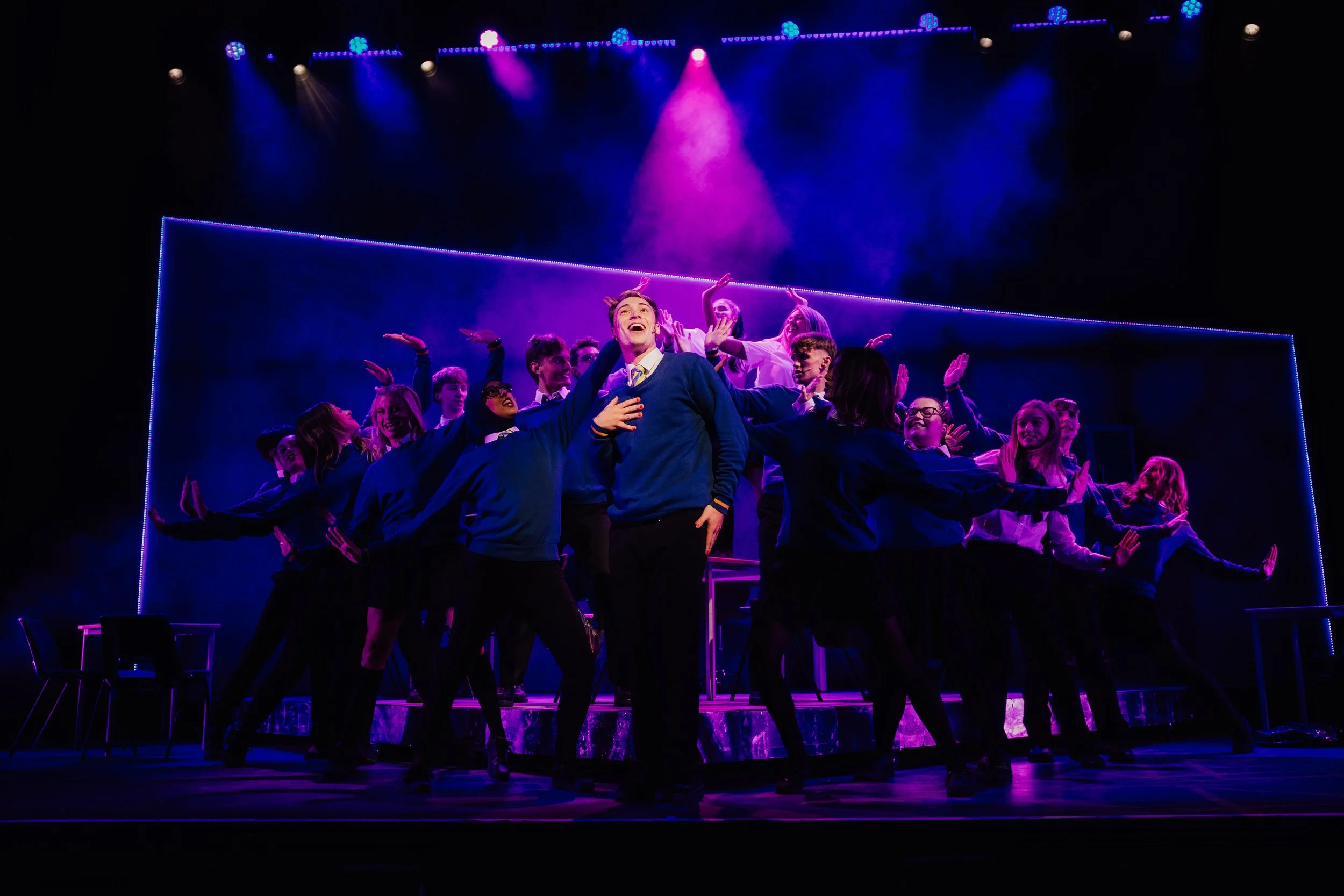
This imbalance is further felt in the sharp contrast between the magnitude of performances given by the seasoned adult actors and the youth company. It is exciting and applause-worthy to see the Tron collaborating with young artists from across Glasgow. Still, the material gives them a near impossible task–to deliver extremely bleak, emotionally dense performances alongside performers with decades of experience on them, and it unfortunately does show in a few of the show’s most critical moments.
Overall, King’s work is a bold experiment in professional youth theatre and an undeniably relevant subject for exploration. Yet, in the end, I am given to wondering if this eco-fascist imaginary is potent enough to justify its own asymmetries.
Plays until 14 March
★ ★ ★