Ballad Lines at Southwark Playhouse (Elephant) Review
Written by Cathie for Theatre & Tonic
Disclaimer: Gifted tickets in exchange for an honest review
Music is well known as a universal language that can bond communities regardless of the languages spoken. However, Ballad Lines, the new folk musical at Southwark Playhouse Elephant, takes this one step further and delves into how songs can indelibly mark generations and form connections between souls over hundreds of years.
Created by Finn Anderson and Tania Azevedo, Ballad Lines focuses on Sarah, a lesbian masseuse who has just bought an apartment with her Architect partner, Alix. After receiving a box filled with her estranged dead Aunt Beth’s audio memoir as a Ballad singer, the entire course of her life changes. She retells the story of two of Sarah’s ancestors. Without many spoilers, first is Cait, a priest’s wife who journeyed from Scotland in the 17th century, then we see Jean’s travels from Ulster, Northern Ireland, in the 18th century, and how that led to her family living in Appalachia. Their stories are filled with bravery, heartbreak, and, like all good ballads, are filled with the bittersweet richness of life.
The themes of this production are twofold. First is the evolution and journey of the ballads and musical styles as they traverse three countries and two continents. It explores how the soul of the music never changes and it never forgets its roots; it also grows to include new individuals who join the community over time, with the incorporation of the banjo into folk music serving as a powerful example.
The second theme focuses on women’s freedom and agency over their own bodies. Originally titled ‘A Mother’s Song,’ much of the freedom explored relates to Sarah and her ancestors’ attitudes toward having children and navigating miscarriages, stillbirths, maternal mortality, and abortion. These are difficult topics to discuss, but the musical approaches them with respect and a deep understanding of how these issues still affect women today. This is reflected in Sarah’s decision to explore modern fertility treatments and her own adoption by her aunt. If ballads are best sung when discussing real events, these fictional characters certainly exemplify many of the fates that have befallen women in the past. It also highlights the powerful role of Ballad Singers — often women — who preserve these stories and songs and pass them down through generations in a chain of oral history spanning centuries. The importance of remembering our past as it shapes our future was brilliantly illustrated.
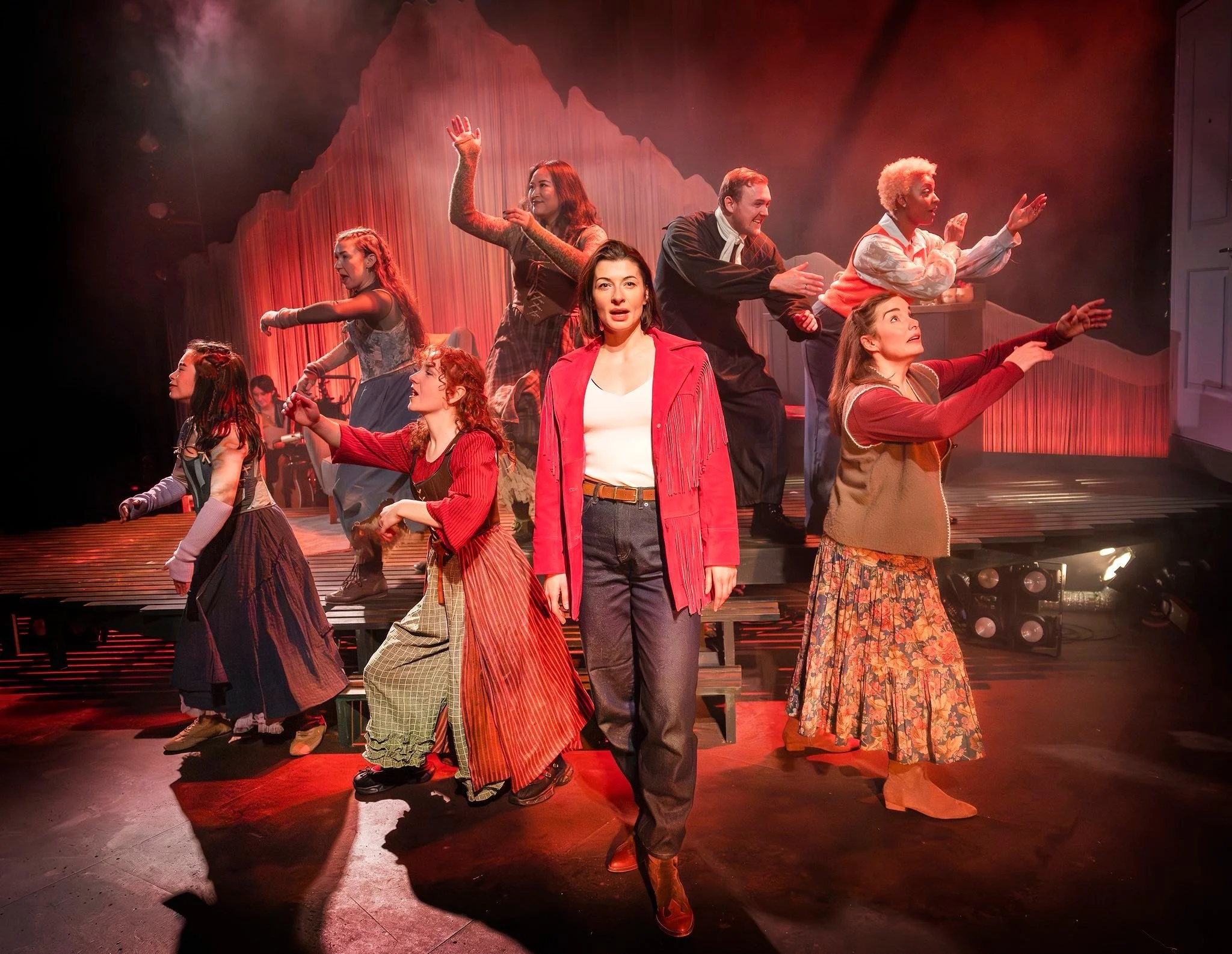
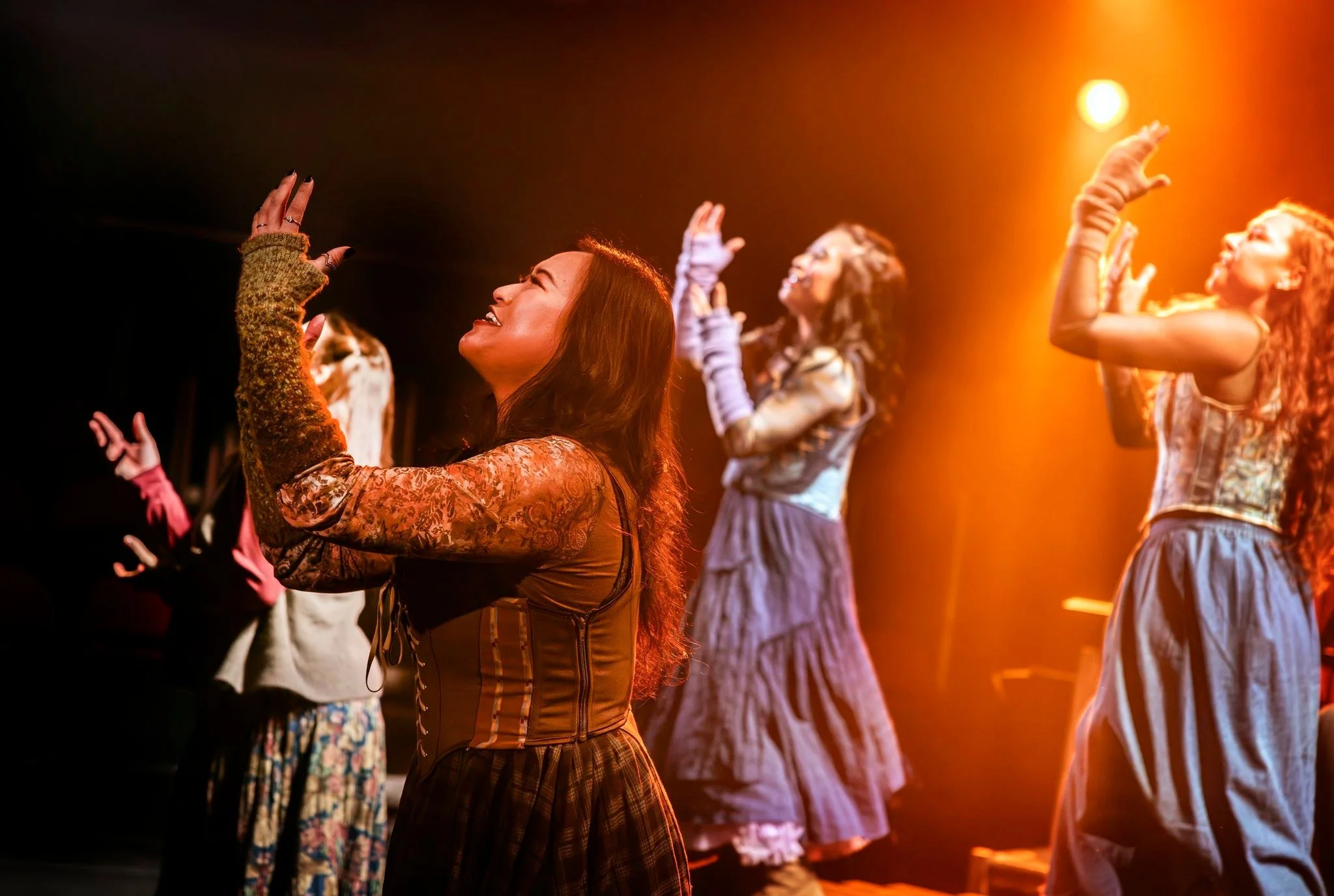
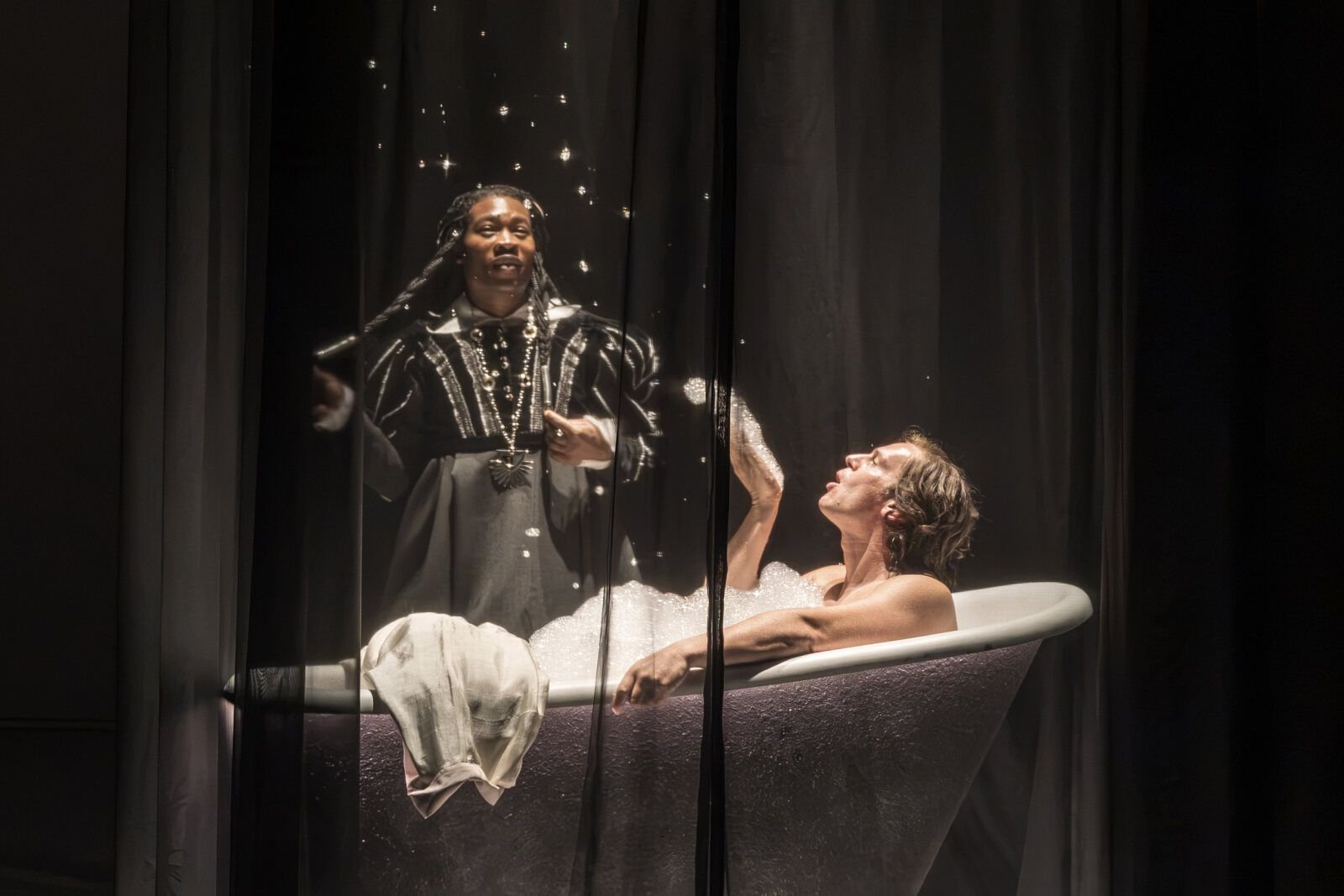
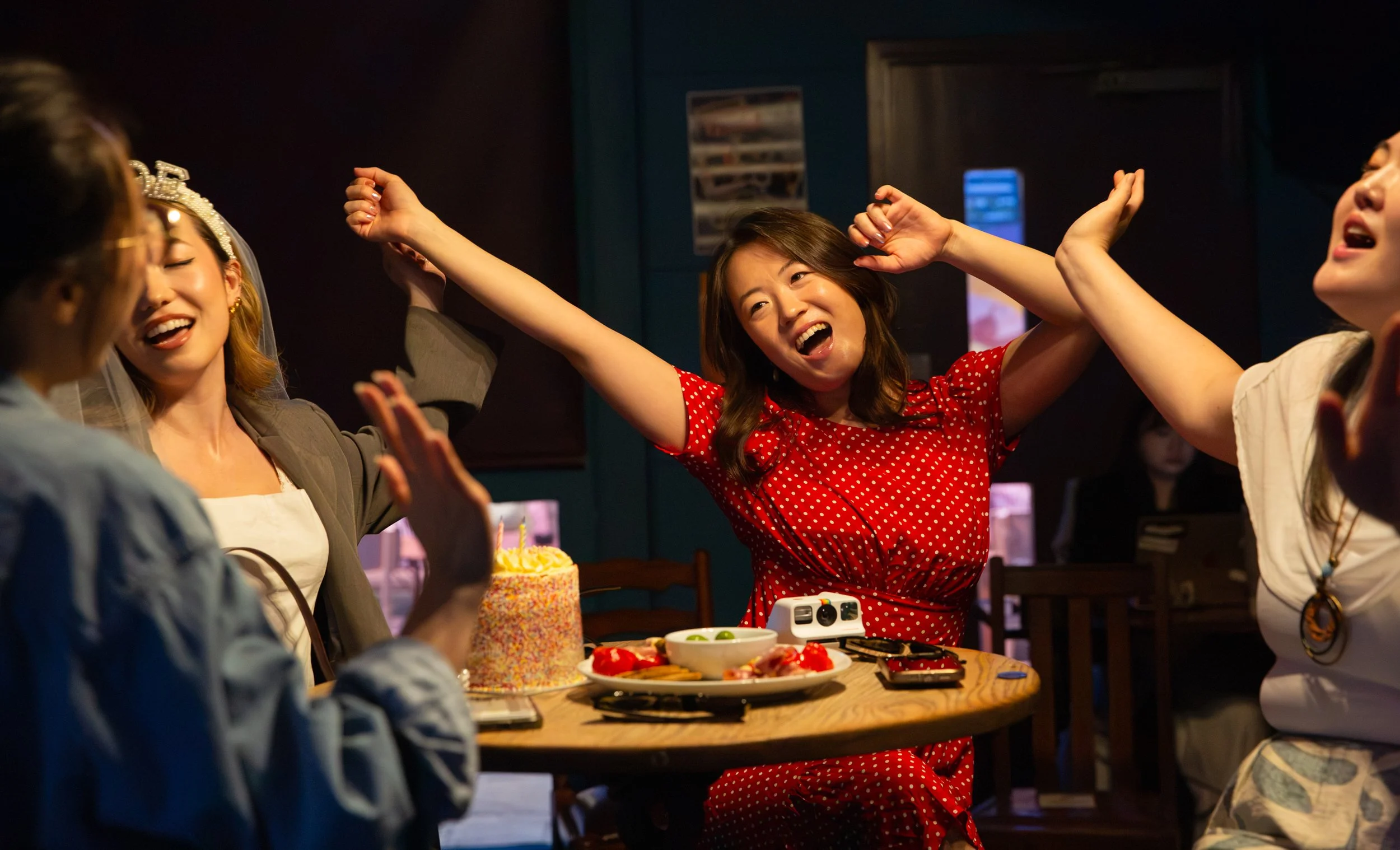
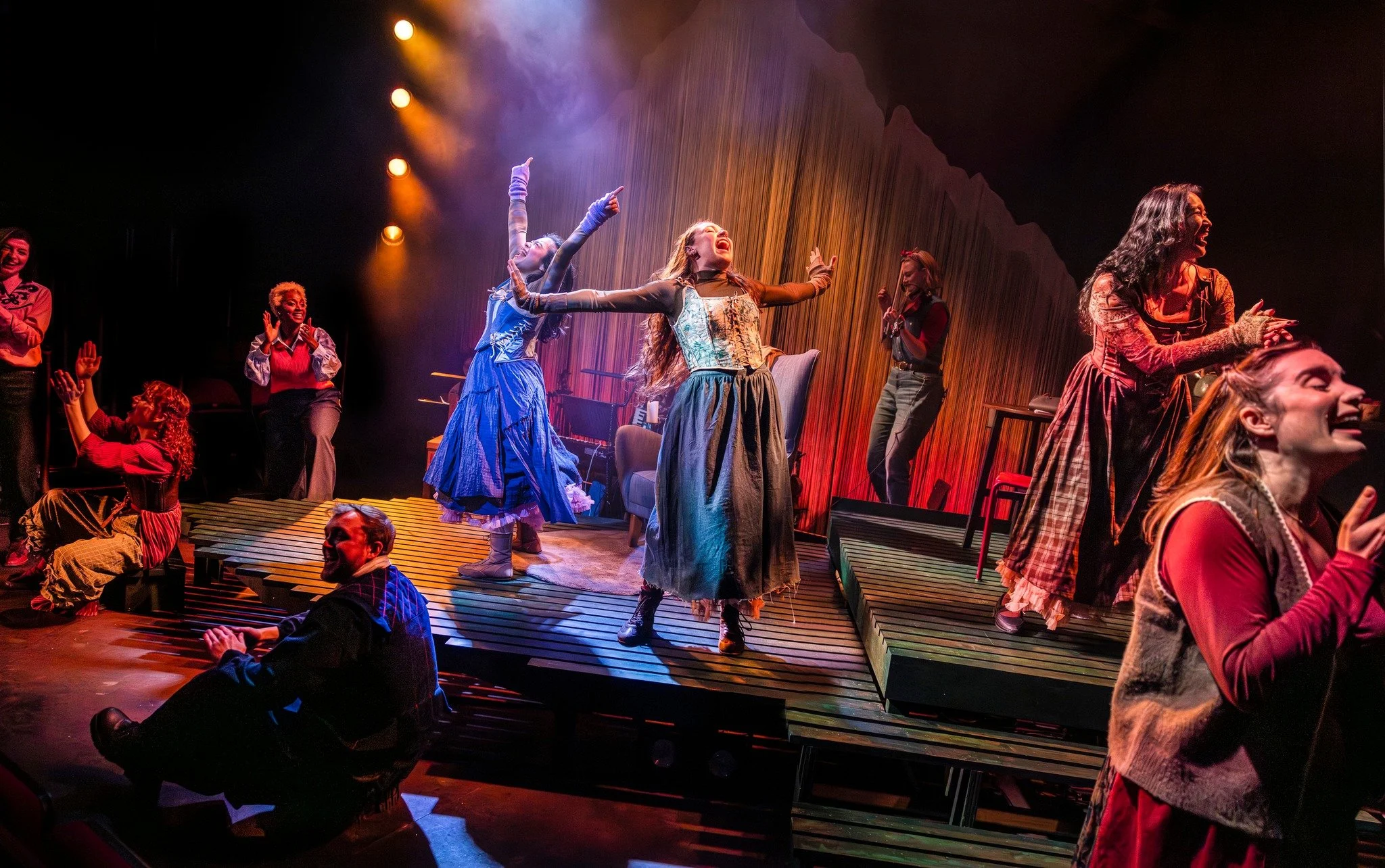
The cast are magnetic and a phenomenal force on stage. Yna Tresvalles is powerfully passionate and bold as young Jean, who challenges the limited options available to her to forge her own path. Her and Siân Louise Dowdalls’ chemistry was believable and bittersweet to see evolve. Dowdall’s singing was captivating and powerful to witness. Kirsty Findlay was phenomenal as Cait, the original ancestor, and presented with powerful singing and beautiful layered nuance to her character. Gracie Lai was magnetic as healer Morna, who faces her own discrimination and challenges in this story for daring to help women claim their own agency. Ally Kennard was a brilliant foil to the cast as the only multi-character member. He was especially impressive in presenting such different, nuanced layers to each of his characters that it was hard to connect that he was the same person. Rebecca Trehearn was utterly brilliant as Aunt Betty and a powerhouse of a narrator to this tale. Sydney Sainté was self-assured and a fantastic portrayal of a modern woman as Alix, with just as much of her own story as well as being Sarah’s partner. Frances McNamee as Sarah gives the performance of a lifetime. Her magnetic chemistry with the cast was powerful and deeply captivating to watch, and she brought much compassion and care to this role.
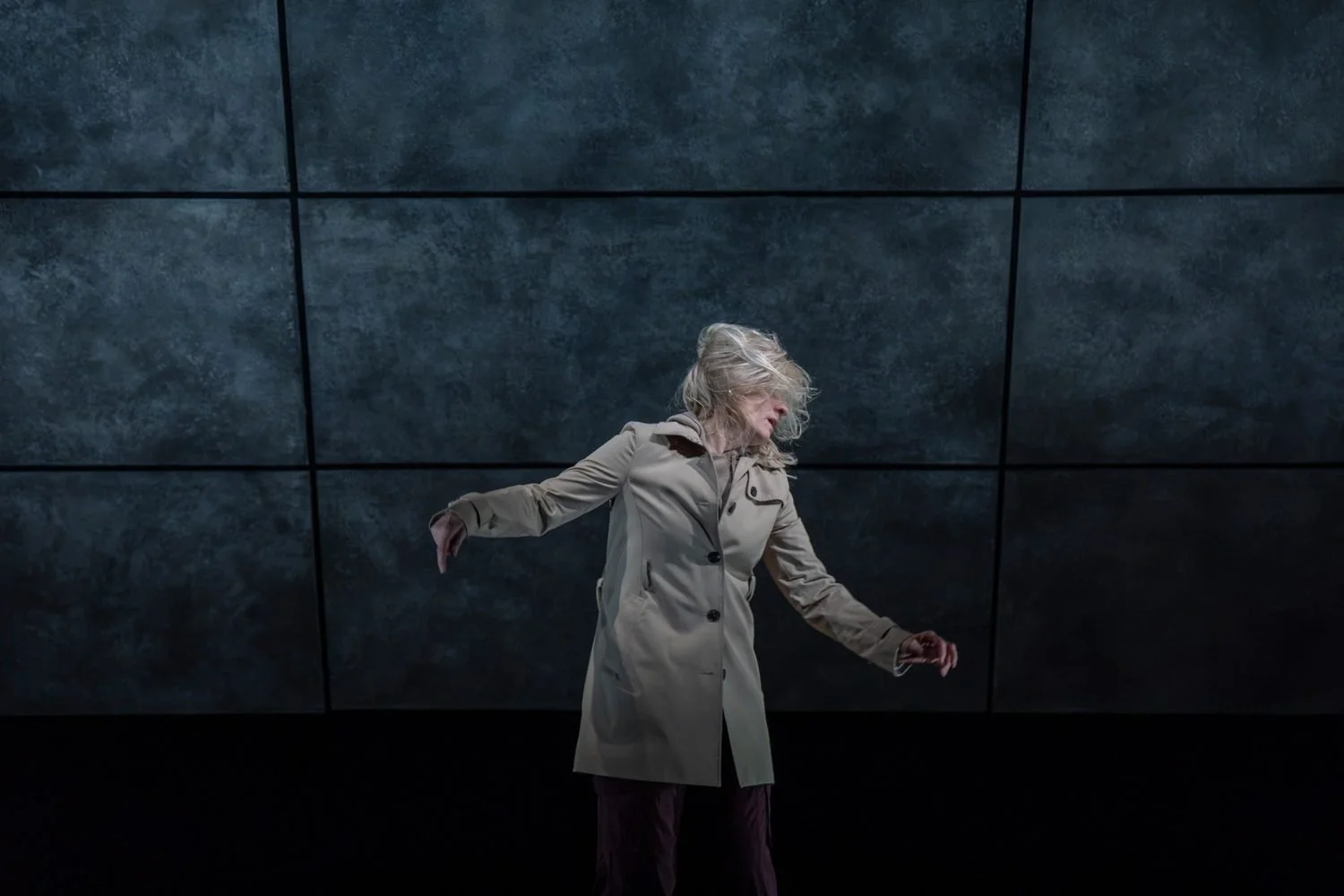
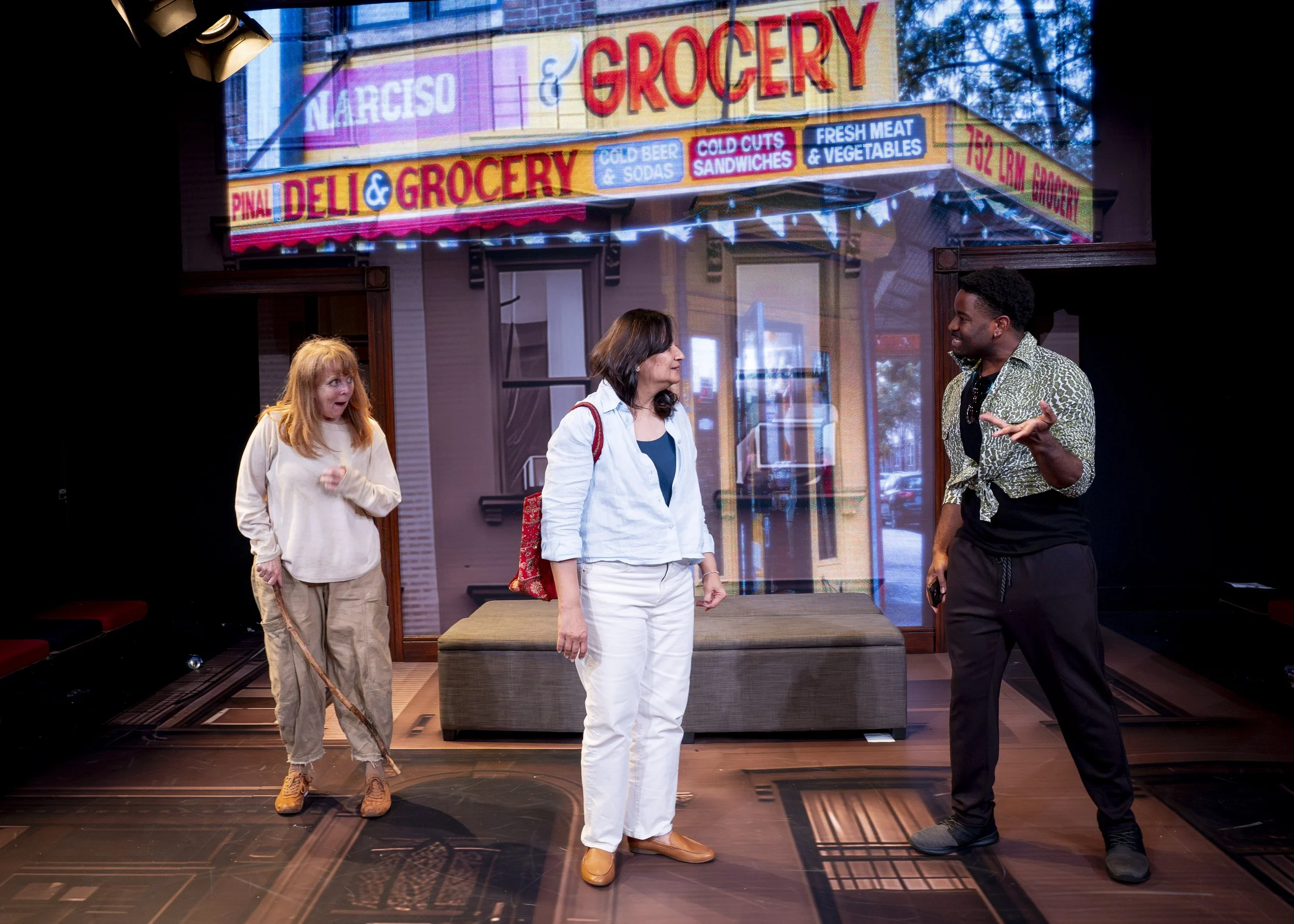
The songs in Ballad Lines are beautifully written, and the harmonies are phenomenal. I had goosebumps throughout the entire show. There is a mix of both traditional ballads and modern songs, but all are within the Scottish-Irish traditional folk musical style. Musically, it echoes predecessor shows, including Come from Away and Hadestown, and features the same foundations in structure. The set, by TK Hay, is minimalist but works well to convey a modern NY apartment. The talented musicians are showcased just behind the raised dais representing the apartment, and towering over the characters and staging is a large beaded curtain representing the mountains of Sarah’s Appalachian childhood home, and also the legacy of the women before her. Simon Wilkinson’s lighting design and Andy Johnson’s sound design worked well together to create an experience that feels larger than life in the theatre and reminiscent of a lively ceilidh simultaneously. Carly Brownbridge’s costume design is stylish and worked well for showing the vibes of the characters’ personalities, but is not historically accurate.
Although the characters are far from perfect, “the songs are solid gold”. This musical is a rallying cry to remember the powerful women of our past who dared to make their own choices in a challenging world and how to create a better future for our own children. It is a story that firmly foregrounds women’s voices in history and celebrates the incredible resilience of oral musical history. This is a must-see for any musical fan and a brilliant theatrical experience where the songs will linger in your mind for a long time in the future. If you enjoy powerful ballads, a phenomenal cast, and a story that is at the heart of our modern society, then this is the musical for you.
Plays until 21 March 2026.
★★★★★