Written by David for Theatre & Tonic
Disclaimer: Gifted tickets in exchange for an honest review
Cuban choreographer Carlos Acosta’s upbringing in Castro-era Havana was not suffused with the festive splendour at the heart of the timeless classic The Nutcracker; Christmas was, in fact, banned until 1998. The sugary, eurocentric ballet may not seem the apt vessel for a Latin-American adaptation, yet Acosta blends traditional classical dance with Afro-Cuban movement to form a culturally amalgamated piece with bouncing carnivalic rhythm.
Performed by the Acosta Danza company, Nutcracker in Havana transplants the Germanic wintry tale to the neighbourhoods of the Cuban capital; the famous opening — a grand mansion with gown adorned guests, now — a humble palm-thatched house with children dancing round elderly yet equally energetic relatives.
With a Havana postcard projected onto the curtain, it’s a nostalgic love letter to Acosta’s homeland. The opening scene’s multigenerational gathering celebrates the bond between family and culture, giving way to the entrance of the magical Tío Elías Drosselmeyer (Alexander Varona), who returns home from Miami with dancing toys and a nutcracker (a Cuban Independence soldier) for niece Clara (Thalia Cardin).
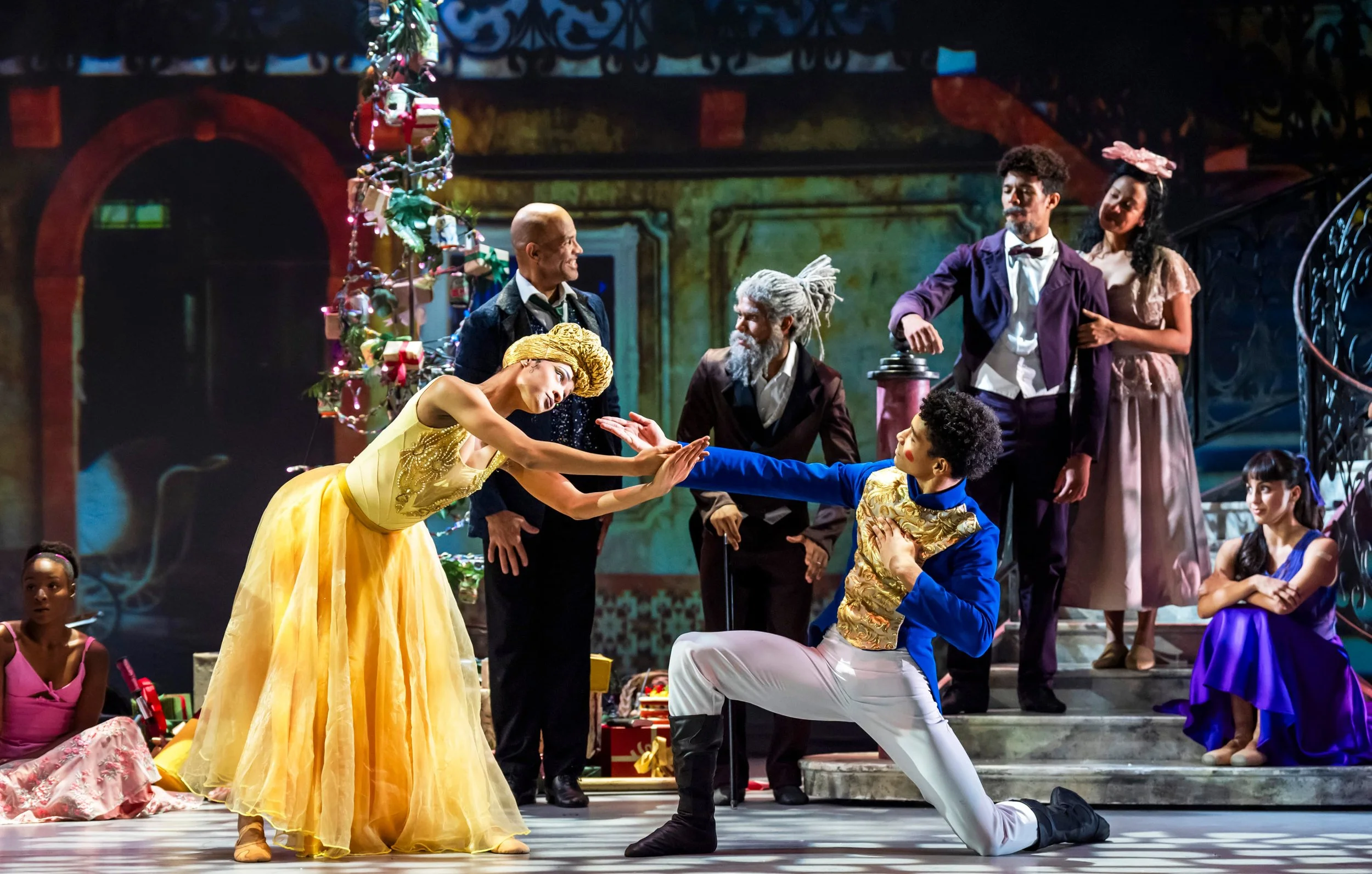
The shrewd fusion of cultures through dance and music is captivating. Acosta’s choreography holds momentum, capturing cohesion in transitions of classical precision to rhythmic Afro-Cuban fluidity — pirouettes are symbiotic with rhythmic, undulating movements. Moments like the traditional chancleta clog dance are intelligent instruments that signify dance as a pillar of Cuban culture.
Pepe Gavilondo Peón’s reworking of Tchaikovsky’s timeless score perfectly aids Acosta’s innovative choreography — his integration of Son Cubano sounds with melodic bursts of Cuban trumpets and guitars creates a multifaceted sound beaming with energy.
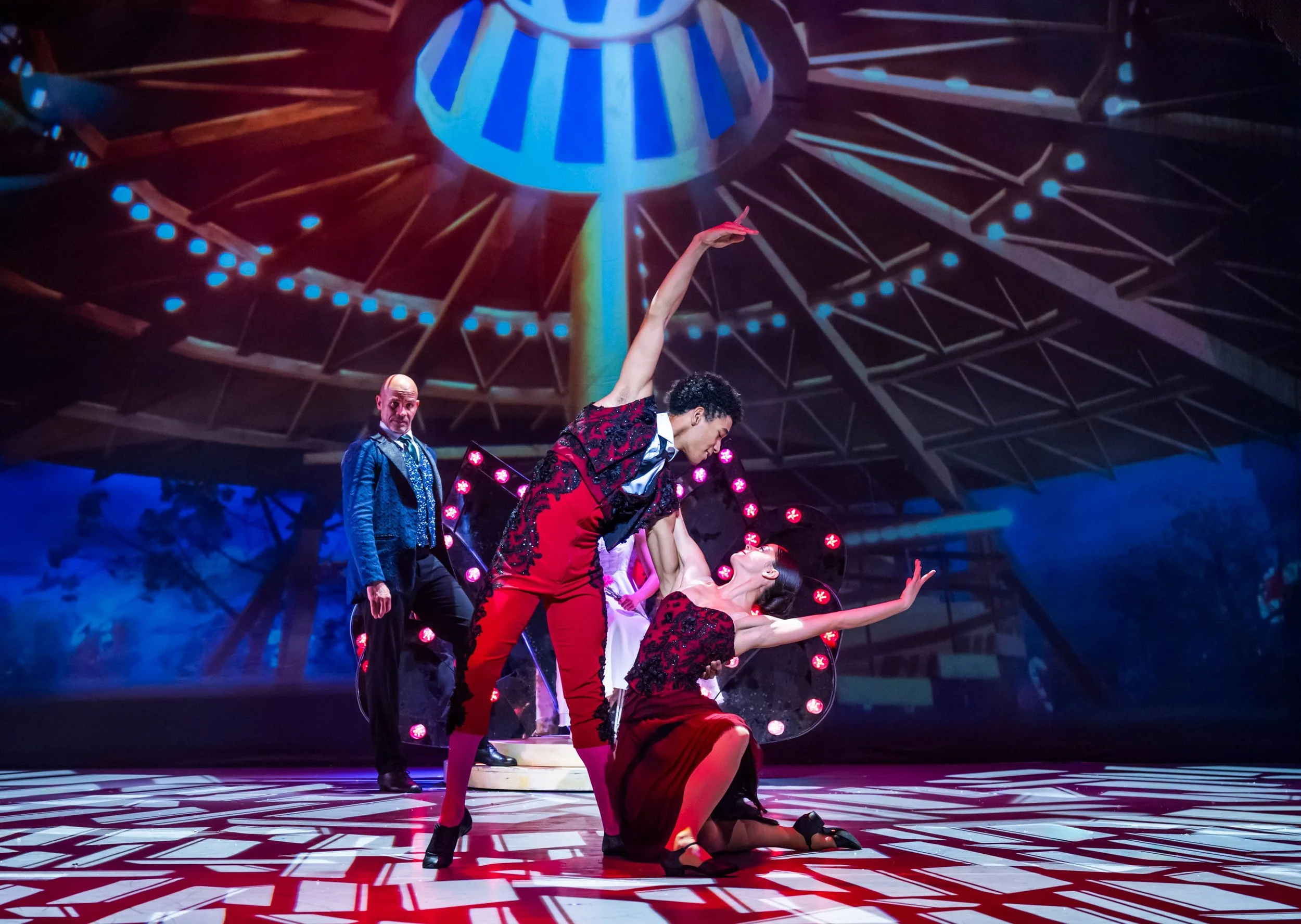
The conga does, however, go awry in Act Two when Clara is transported to the Kingdom of Sweets. The famous character dances are steered towards classical ballet, dampening the Afro-Cuban glow of Act One; the technicality of the young Acosta Danza company also wanes slightly. The Prince (Dani Hernandez) and Sugar Plum Fairy (Annette Delgado) sequences are memorable, but the dominance of classical dance in Act Two weakens the cultural fusion built in the previous act.
The tres in place of the celesta, coffee bean projections, and moments in the jungle are stark emblems of a fresh, diversified Nutcracker. It may not be the most technically impressive ballet at times, but it’s a colourful, diverse wonder that will have Edinburgh audiences captivated.
Plays until 4 February at Festival Theatre in Edinburgh
★★★★