Empty at Drayton Arms Theatre Review
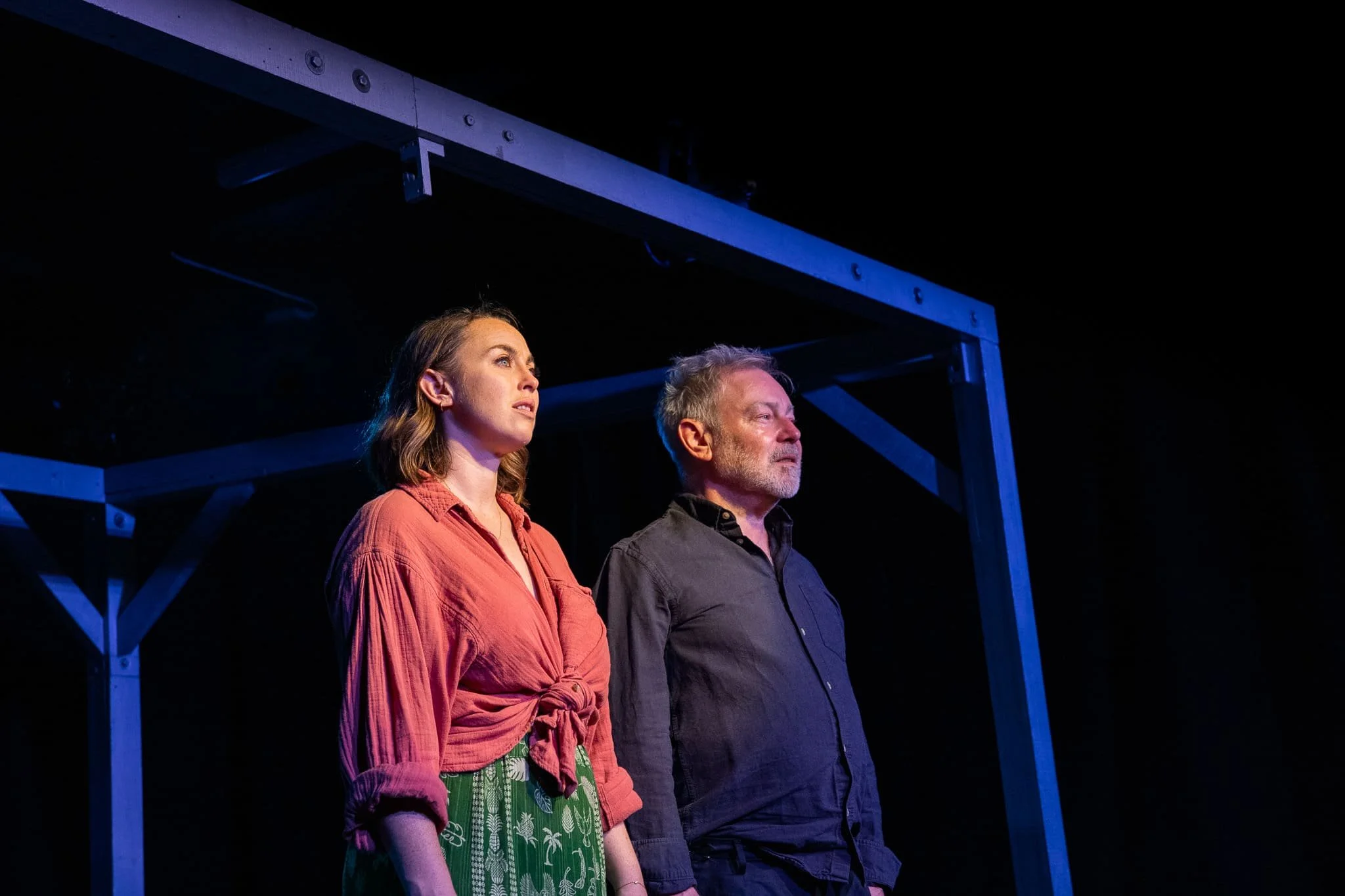
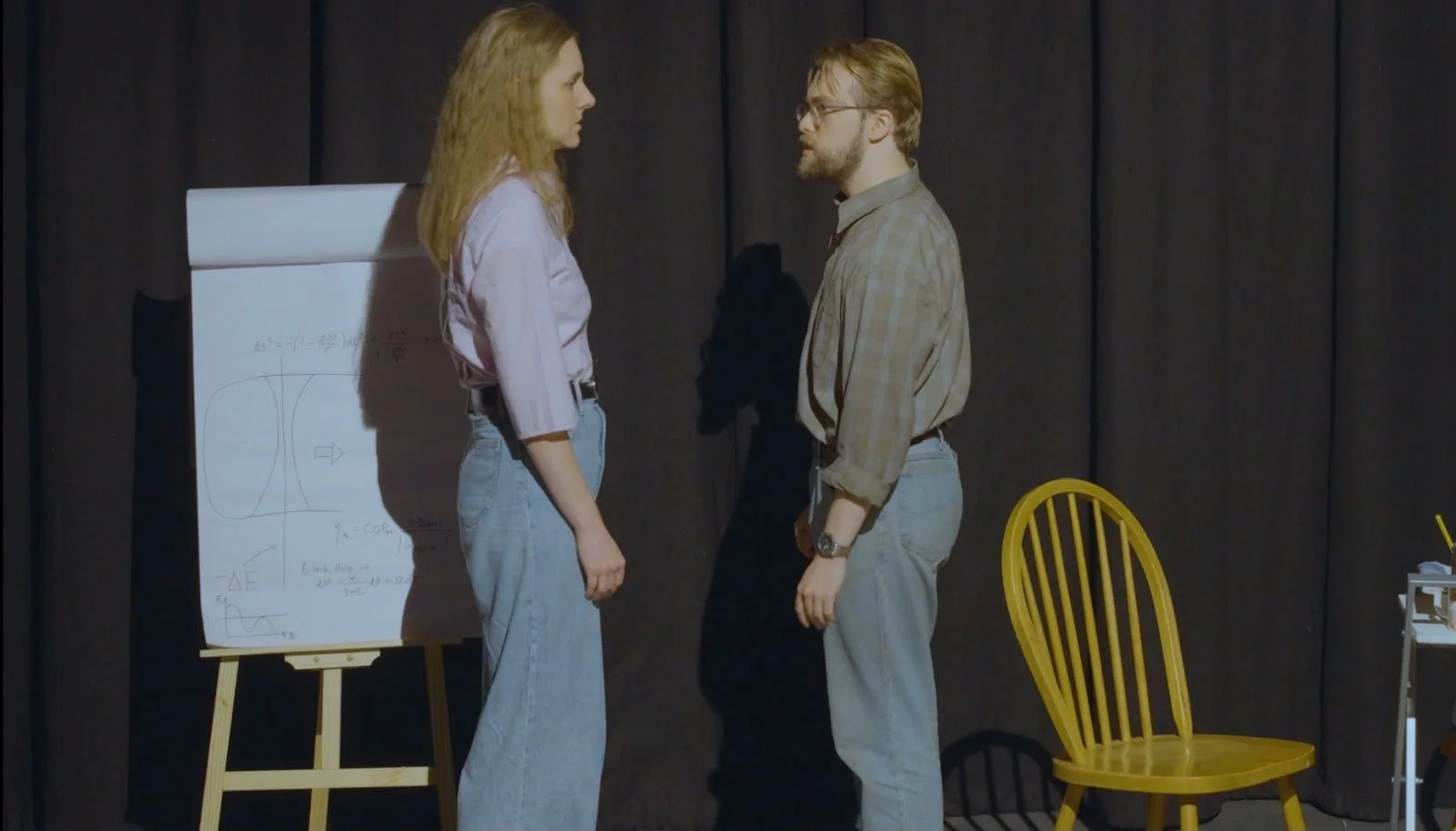
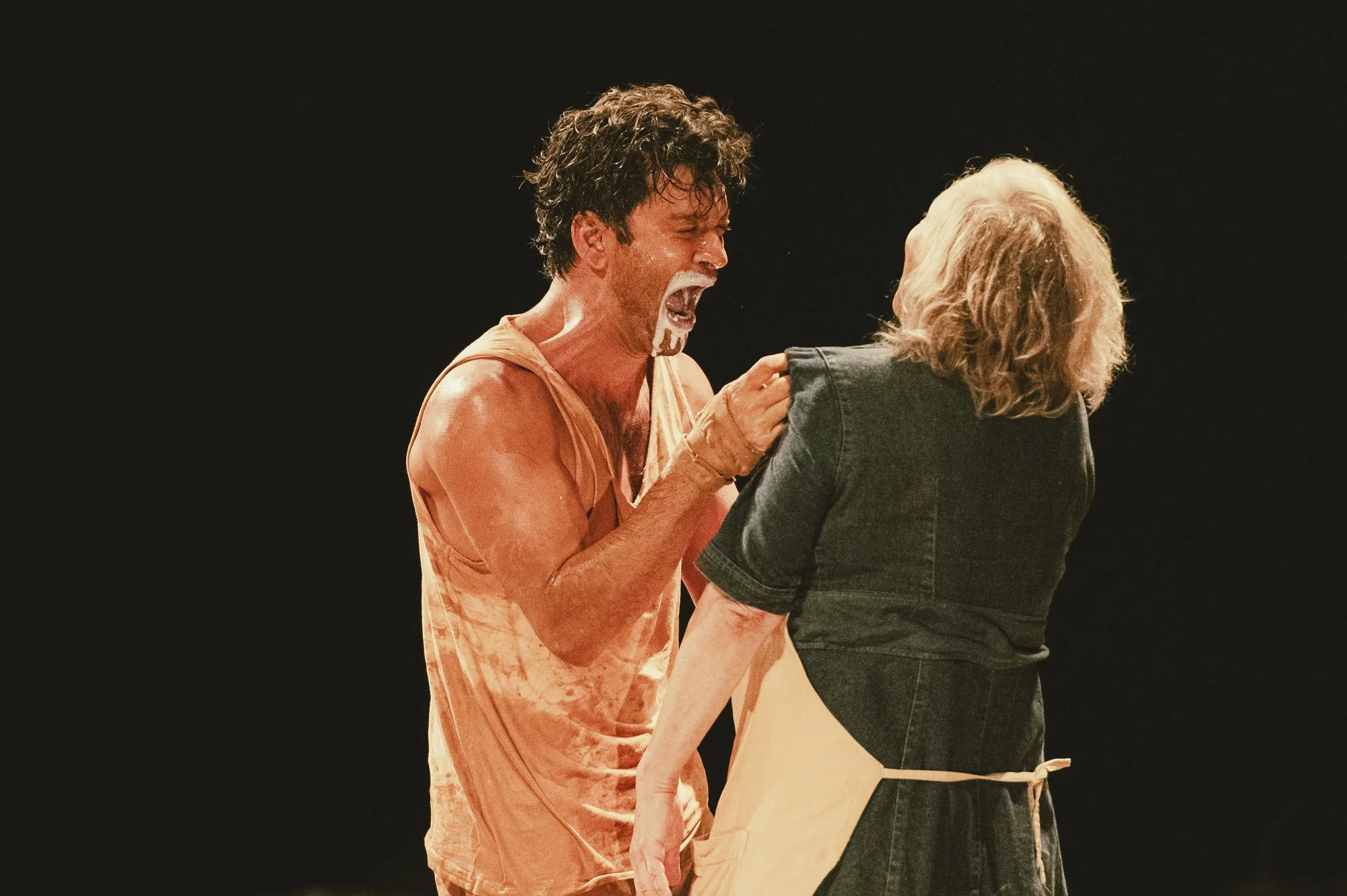
Empty production image. Photo by Lucy Hayes.
Written by Chiara for Theatre and Tonic
Disclaimer: Gifted tickets in exchange for our thoughts to be shared. All opinons are our own
This compelling two-hander by Robert Nurden brings to life the hidden pain of involuntary childlessness.
Two former lovers, David and Amy, meet again after eight years. David's new flat suggests he is still a staunch child-free bachelor, even in his fifties. Amy is married now, and, whilst pushing 40, presumably on track to finally have children. It seems the two continue to be on opposite sides of the divide that tore them apart. But as the night unfolds, new revelations emerge, and they must grapple with past choices and present longings.
Empty offers an intelligent, sensitive perspective on the fraught emotional landscape of missed parenthood. Inspired by Nurden's book I Have Always Wanted to Be a Dad, the play wants to give voice to the often under-discussed male experience. It achieves this, to a point, though at times this feels more like Amy's story than David's — a tension the production never fully resolves, even as it strains to give David equal weight.
Amy, played by Hannah Douglas, is intent on venting her rage and despair. Chasing parenthood has cost her dearly, and her life is unravelling. This is a commanding performance, oozing disappointment, angst and fragility.
Paul Kemp plays David, who is equally powerful in his contained, pared-back sorrow. He in turn shows sympathy, and expresses his newly found longing for parenthood with tenderness. If Amy's is an outward display of grief and rage at her own body, at the medical profession, at the brutality of IVF, David's pain is less focused, but no less pervasive. His sorrow is more internalised, and for that just as compelling — he has no external target for his grief, only his own past choices to reckon with.
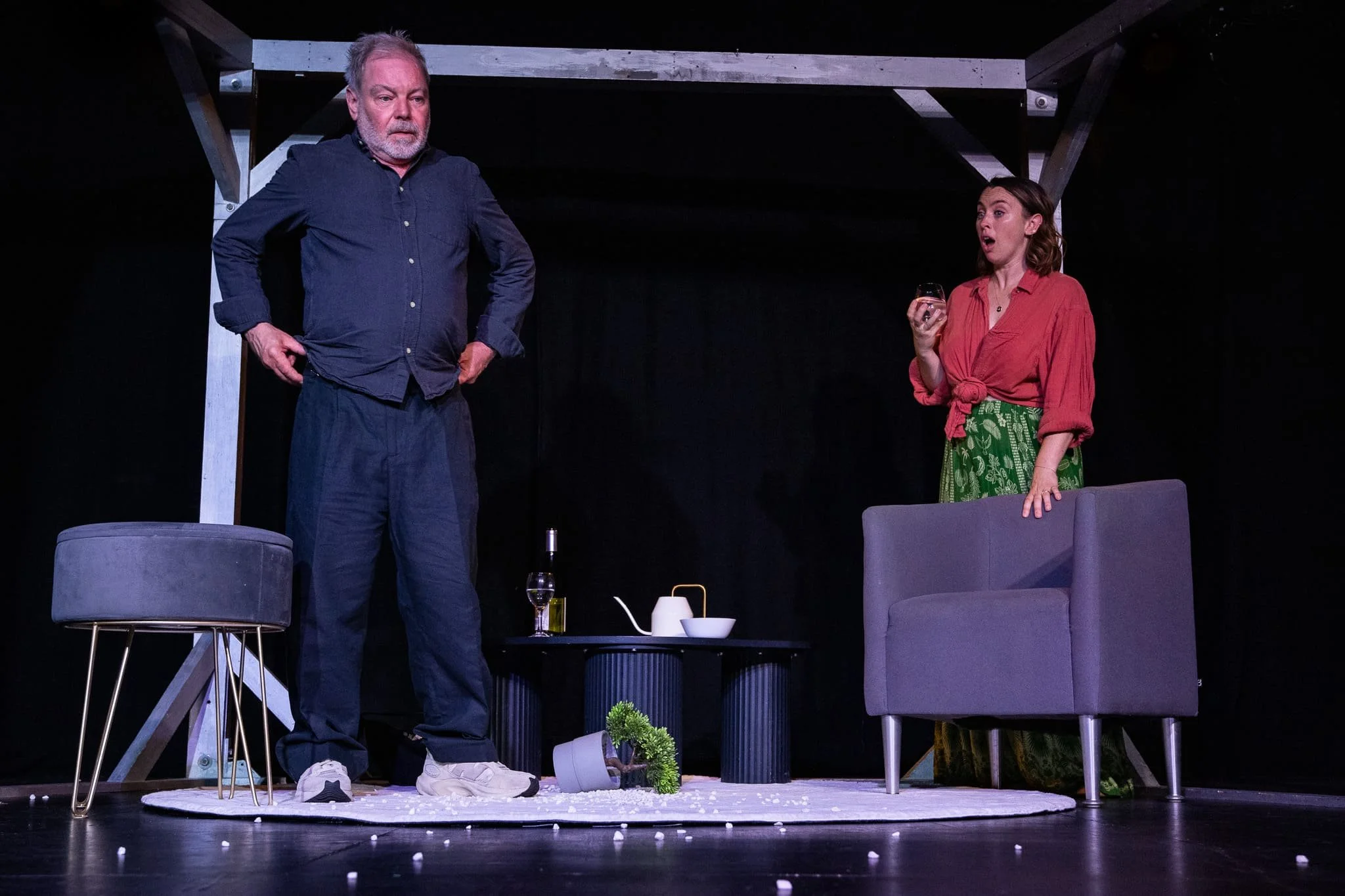
The stakes ramp up over their increasingly intense exchange. They are two people at the precipice of finality, gambling on parenthood one last time.
The story moves from the personal to the political, with Amy and David now on the same side of the fence, recipients of tone-deaf yet well-meaning advice about childlessness from others.
David Furlong's direction is skilful and sensitive, creating moments of connection between the two characters, only to dissolve them as each returns to the loop of their individual plight. The result is a haunting sense of isolation.
The set (consultancy by Juliette Demoulin) effortlessly cues well-heeled bachelor aesthetics. This is a home decidedly for one, contrasting with David's recent longing for a family of his own. It remains unchanged for the whole play, a static reminder of a life that resists change even as David wishes it would. A bonsai tree becomes a powerful prop — it is David's only nurturing outlet, and Amy's comment, "Bonsais grow very slowly, David," is funny and painfully poignant.
The lighting, beautifully designed by John Ryan, lends atmospheric settings as well as effective punctuation to the course of the night. Mark Fenton's sound design is deliberately sparse, with slightly dissonant music by Satie bookending Amy and David's encounter, and haunting soundscapes used sparingly.
There is also a powerful use of verbatim voiceovers towards the end, drowning the characters in tone-deaf, if well-meaning, platitudes on childlessness. This is when the two characters begin to address the audience directly. The choice is interesting in opening up the conversation; however, in breaking the fourth wall, part of the spell is broken too.
Empty is a timely counterpoint to the growing narrative of child-free life as empowered choice, and a call for empathy over unsolicited advice.
Empty plays at Drayton Arms Theatre until 11 July.
★★★★