SHMEDIC at The Nest, Chichester Festival Theatre Review

Written by Rosie for Theatre and Tonic
Disclaimer: Gifted tickets in return for an honest review
This show contains haze, loud noises and alarms, flashing lights, and themes that may cause distress to audiences, such as medical trauma. For a full list of trigger warnings, please visit CFT’s website.
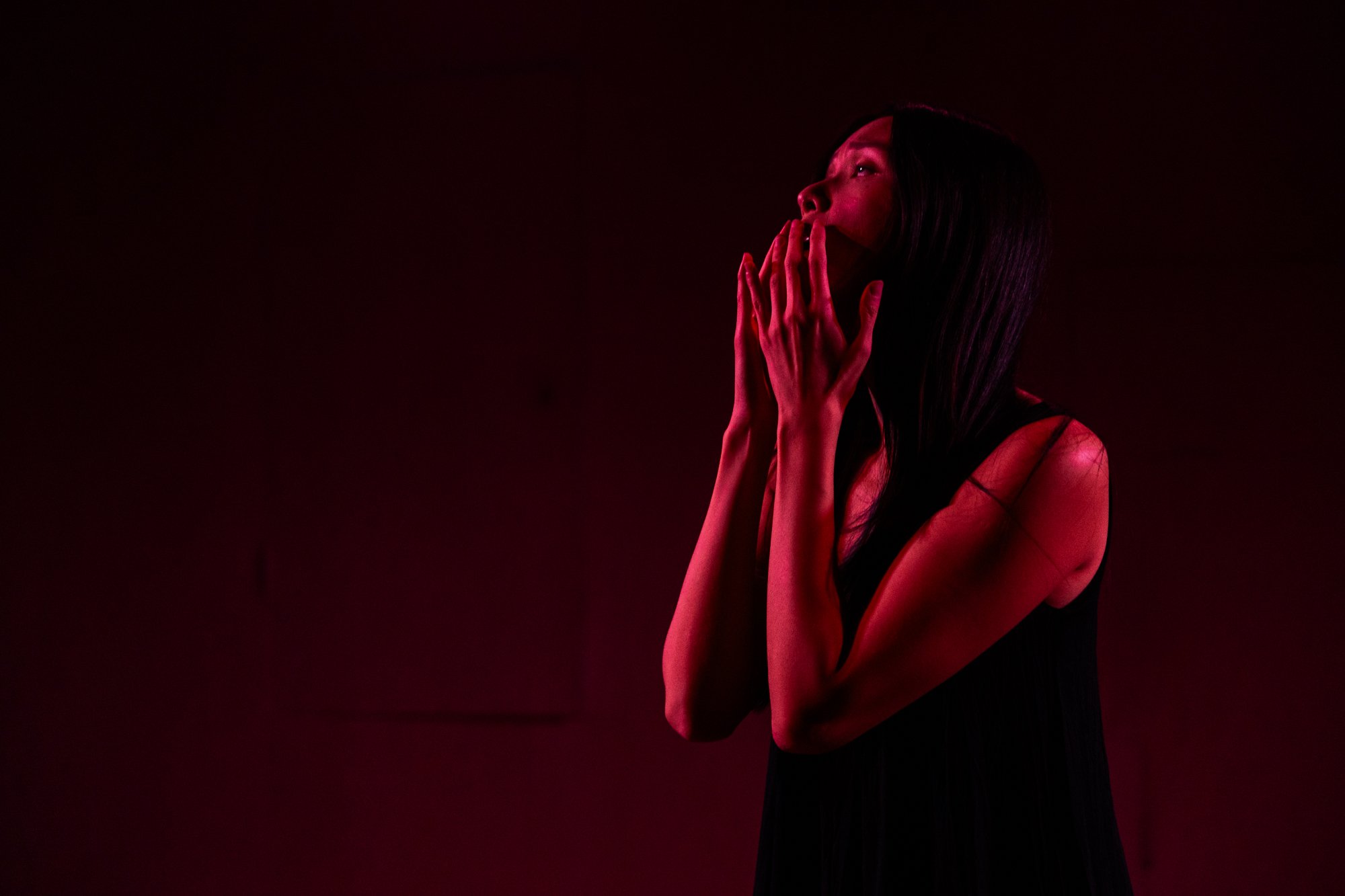
What happens when the helper becomes the one in need of help? Dr Sara Otung’s new one-woman play “Shmedic” tackles the harsh reality of the strains of being a healthcare worker for the NHS, the caretaker of your own family, and the repercussions it can have when you are working to help everyone but yourself.
Shmedic may still be in a developmental stage as it is performed for audiences, but when asked how Otung’s one woman play could be improved at the end of the show by director Antoinette Jackman, the general consensus was that, in all honesty, it didn’t need much. A riveting, fast-paced, one act show, Shmedic has a lot of potential to be a valuable learning tool for audience members and health workers alike, not just around sickle cell disease (one of the main defining talking points of the show) but also for the need for health workers to look after themselves, too in the face of the current medical climate. Having a piece like this which was conceptualised and written by a professional doctor-turned-actress, it grounds itself in a reality that really sits with the audience - from the language used to the demeanour many of us have seen when coming face-to-face with a physician, you never have to question anything Otung is doing as she embodies the central character. I do wish there was just a tiny bit more reflection on the brother’s disease to help those watching understand what exactly the condition is, but it is understandable that the character would not necessarily want to dive into details during her recollection of events that take place.
Despite the pacing which jumps between calmer, slower therapy sessions with the central character and an almost omnipresent, invisible therapist (who is merely a voice over the speakers) and the rapid pace of the flashbacks to the hospital, it all feels very accessible in its message. The medical jargon is clear and precise, and her lived experience as a doctor adds a raw desperation to the character as she transitions in and out of the character’s memories of childhood, moments of recurrent abuse and harassment as a black woman, the love she has for her brother, and the trauma she experiences in the job she has chosen to pursue. Shmedic deals with these issues in such quick succession it could have been lost in the one hour run time, but instead it all cleverly builds until the climax of the piece. Having the play set during the course of a one hour therapy session also means that everything has to be snappy and concise to keep within the time constraints, and for the most part did very well.
Particularly impressive was the physical direction of Otung’s mannerisms and her ability to switch between accents and physicalities in each memory or flashback. The ease at which this came across made it very clear (with the help of sound and lighting by Alessandro Quaranta and Sam Cole respectively) exactly where the character was at each moment in time, from the antsy finger movements at the start to the brash defensiveness in her posture nearer the end. The fluidity of the transitions from memory to the therapy session allowed the story to flow with such ease. There were a few moments where it did feel as though Otung was being drowned out by the sound unintentionally, with just a little tweaking needed here and there.
Overall, Shmedic has all the grounds to be an incredibly impactful piece of theatre when it has been fully developed - though, I am unsure how much more major work it needs. Looking around the room at the attendees (many of whom revealed afterwards that they were healthcare workers), there were very few dry eyes in the house. It is a hard-hitting play which explores the vulnerabilities of humanity, even those who believe they have to be strong in the face of trauma and despair, and I am looking forward to seeing where Dr Sara Otung and Antoinette Jackman take this show in the future.