Arcadia at Duke of York’s Theatre Review
Written by Annie for Theatre and Tonic
Disclaimer: Gifted tickets in exchange for an honest review. All views are our own
The late, great Tom Stoppard’s Arcadia has just transferred to the West End after an acclaimed run at The Old Vic. There is no question that the majority view is that Arcadia is Stoppard’s greatest play, and it is clear that the theatre community universally regards Stoppard as a genius, so this transfer feels especially prominent after the playwright's recent death. Made even more special by the fact that opening night fell on the day that the Duke of York Theatre was renamed the Tom Stoppard Theatre, it’s proof that Stoppard’s brilliance will continue to be a legacy for many years to come.
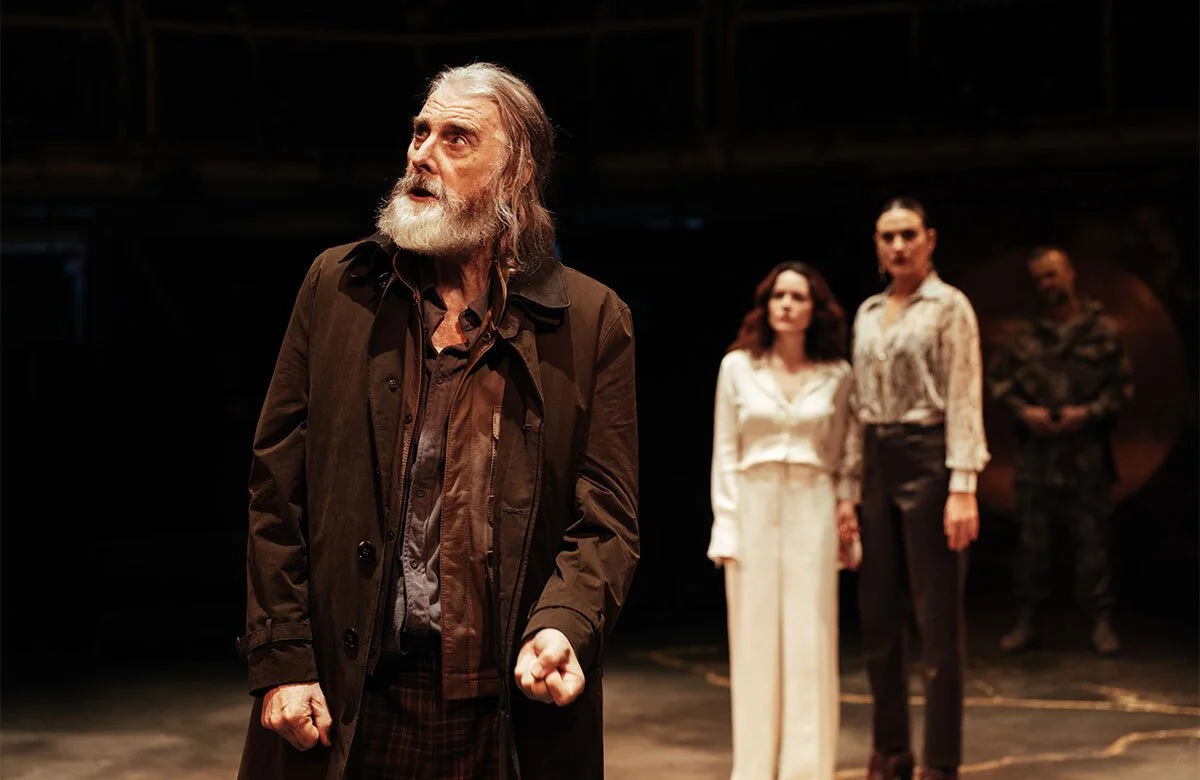
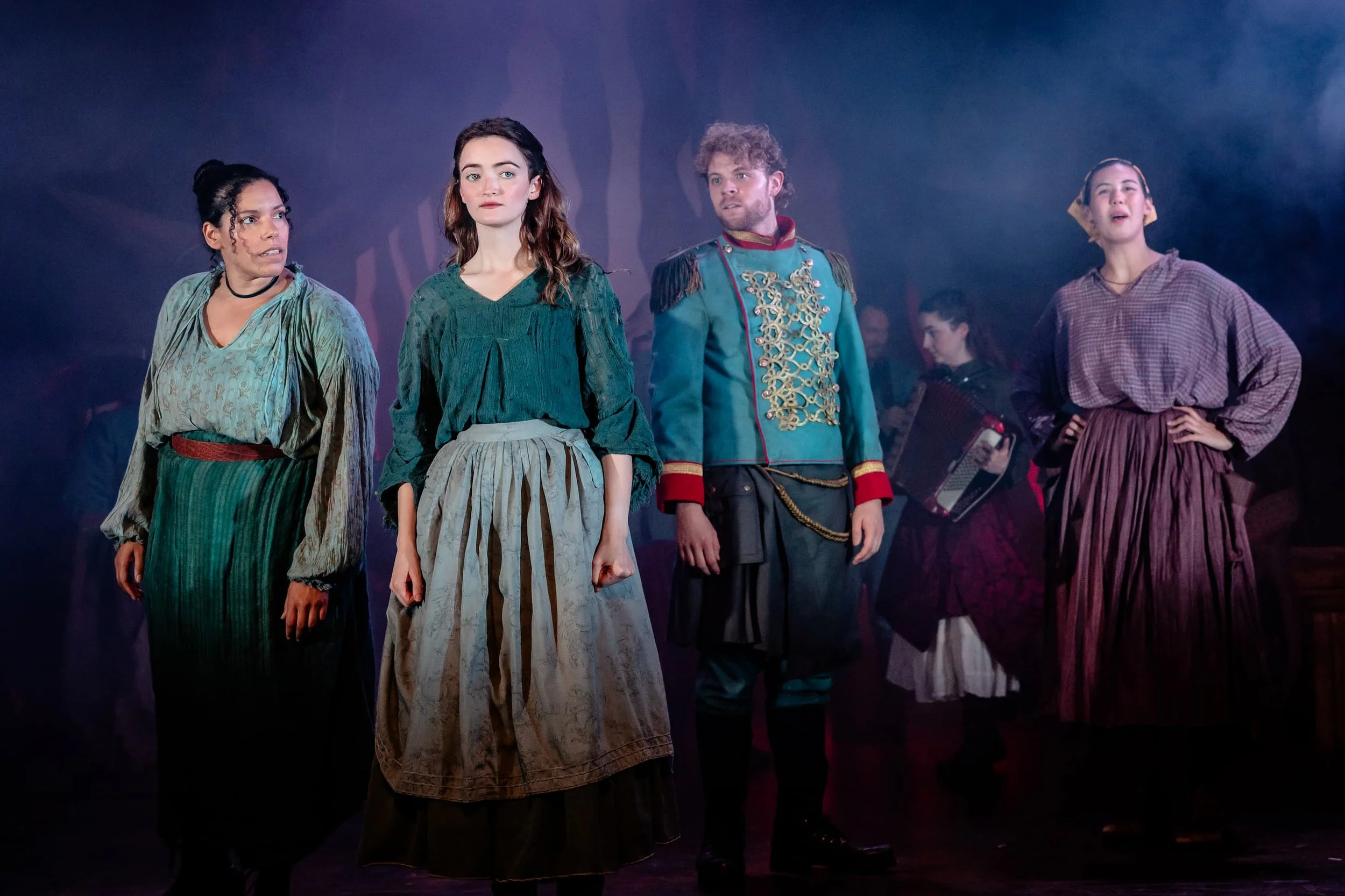
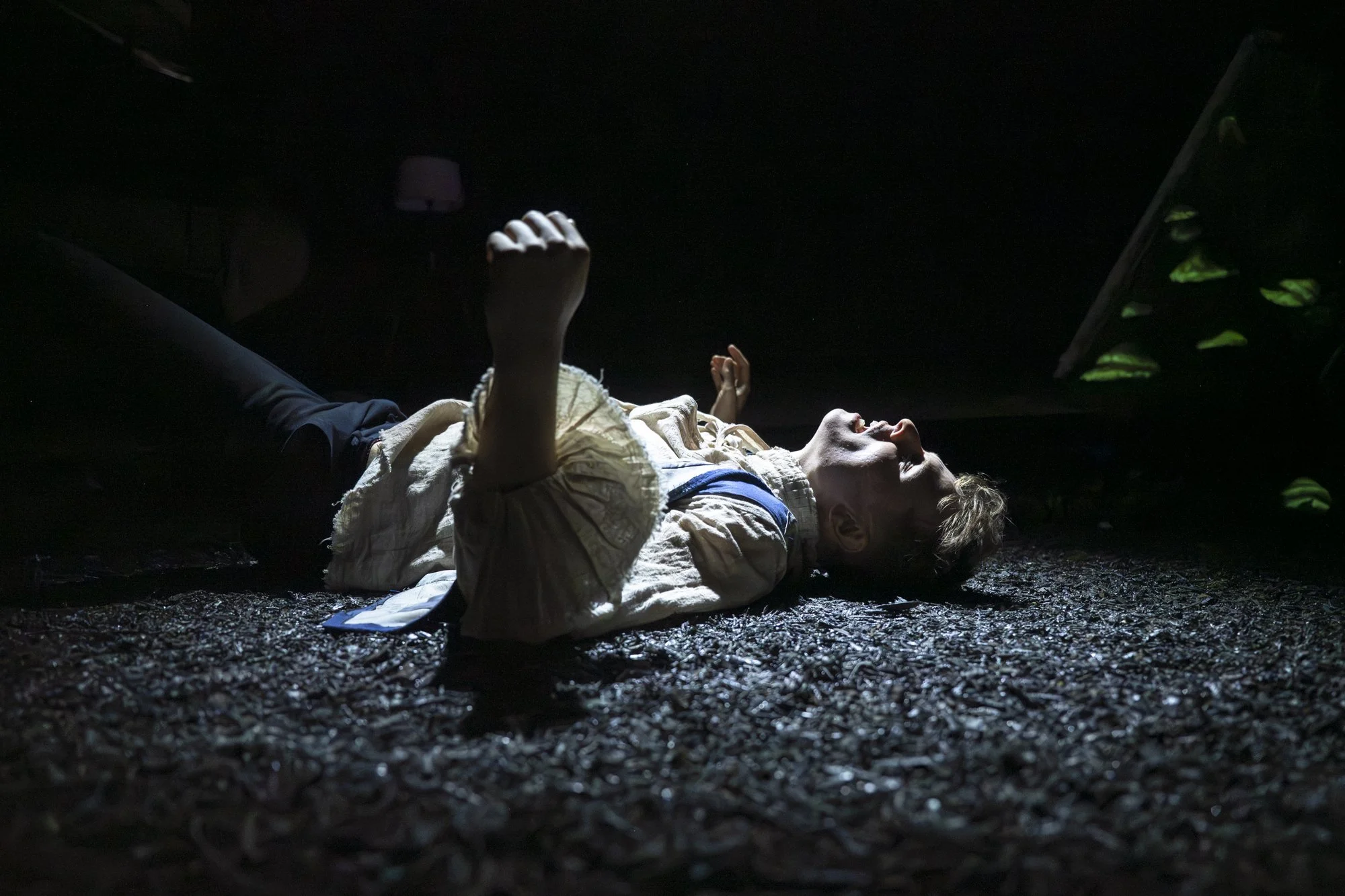
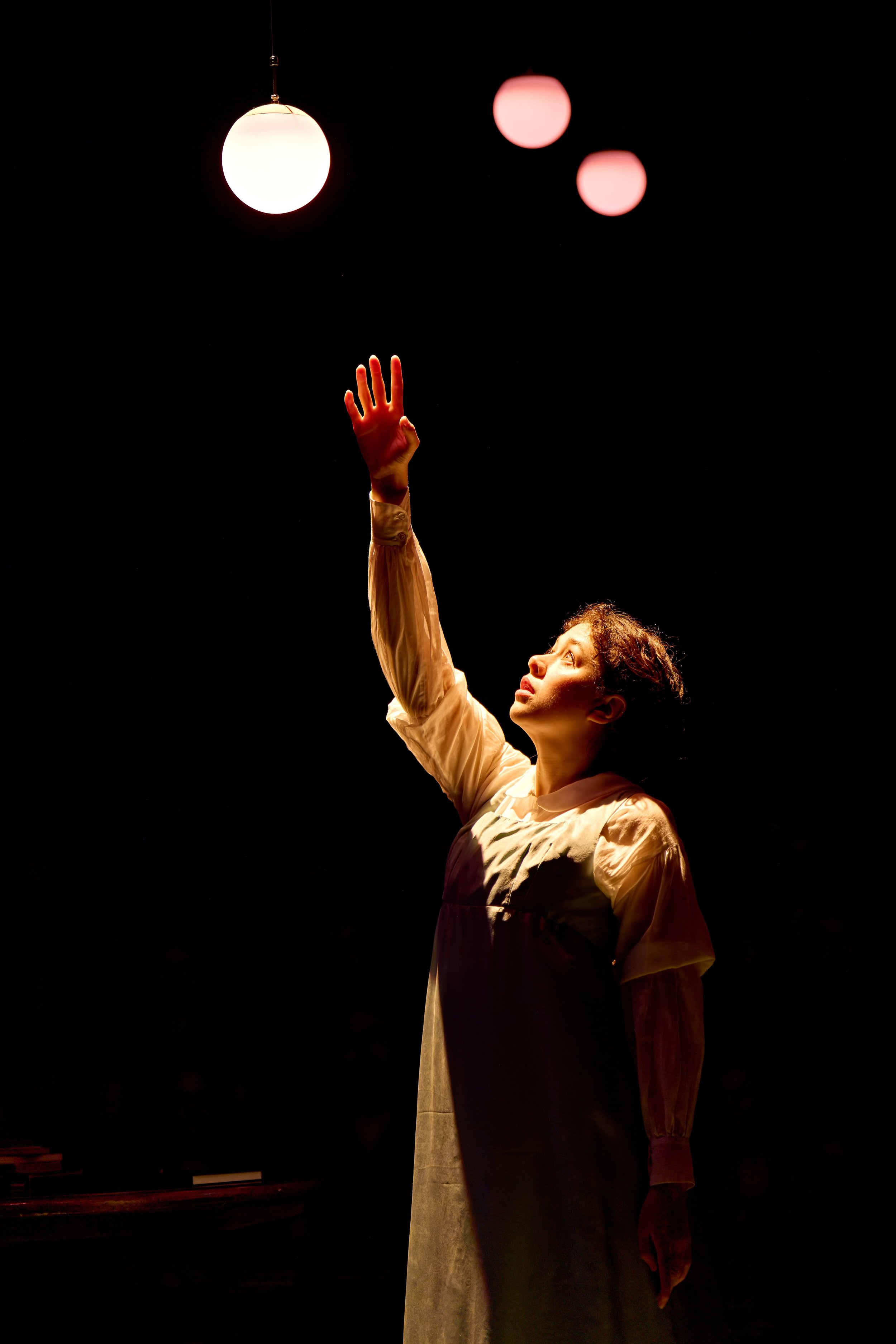
Arcadia is not only beautifully written but also intellectually brilliant. Set in two periods on the same country estate, it tells the intertwining story of two times set over 200 years apart, but yet so close in their ideas and beliefs despite the ever-changing societal and historical developments. Opening in 1803, we meet the innocent yet inquisitive Thomasina, the daughter of the owners of the estate, who, with her tutor Septimus Hodge, challenges everything from maths to biology, to the natural world, and eventually uncovers scientific discoveries well ahead of her time. Isis Hainsworth returns to the role and provides all the innocent purity to Thomasina mixed with a mischievous side; her performance is stunning. Playing off her counterpart Hodge, played by Seamus Dillane, the pair excellently explore the characters’ developing and challenging relationship, and it has only gone up in strength since its run at The Old Vic.
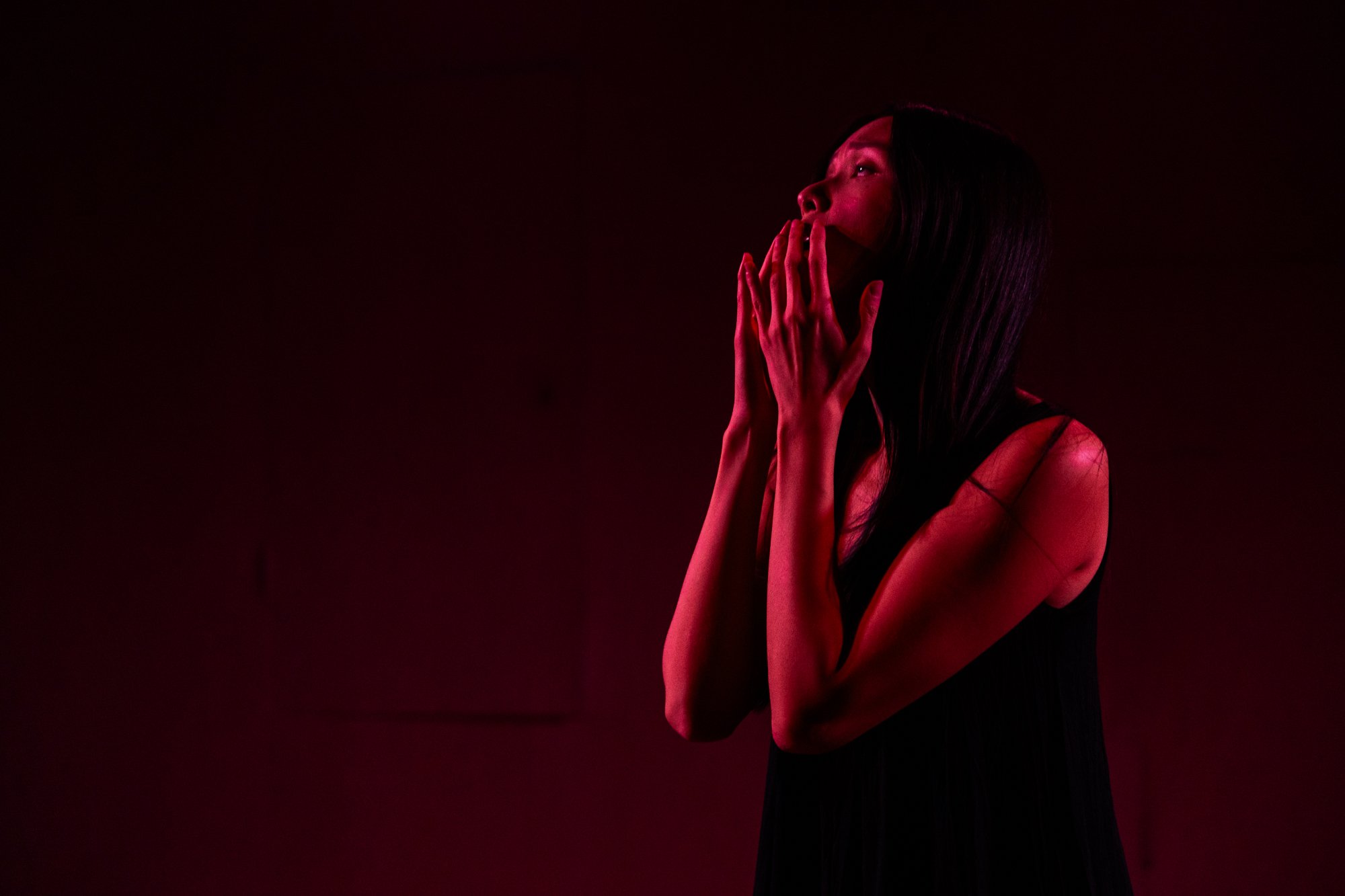
We are quickly transported to 1993, where two rival historians are visiting the estate to research possible guests throughout history. The self-righteous and arrogant Bernard Nightingale is confidently ignorant as he waltzes into the story, ruffling the feathers of Hannah Jarvis, a fellow historian whose work has been both damned and disrupted by Nightingale. They both have niche leads at the estate, and slowly they reluctantly assist one another despite their hatred. Oliver Chris has excellently taken over the role of Nightingale, and cleverly plays the ignorant side to the character, bringing humour at his expense. It provides light relief to the somewhat heavy and factual nature of many of the 1993 based scenes, which is at times very welcome. Nikki Amuka-Bird provides a collected and calm contrast as Jarvis, allowing Nightingale to fall into his own laid traps. The pair interact constantly with the children of the estate, and Angus Cooper returns at Valentine Coverly, an intelligent yet struggling student, who provides many of the pivotal scenes to link the more present day with the earlier period, which are extremely context-heavy but Cooper wades through the text without it seeming too heavy.

Interestingly, the majority of the wit and humour of the play comes from the 1800’s sections - the 1993 scenes seem to serve the majority of the linking and plot development, but at times struggle to ensure the same reception as the earlier set scenes.
The play explores a plethora of topics and ideas, and although it is often hard to follow absolutely every theorem or discussion, as well as the intertwining plots, the brilliance of Stoppard’s play is that you will still understand the main point of the play. It’s a prominent idea that time will always continue and move forward, and we cannot ever go back. The play is quite stoic in its portrayal towards the end, yet the overarching opinion is something quite beautiful.
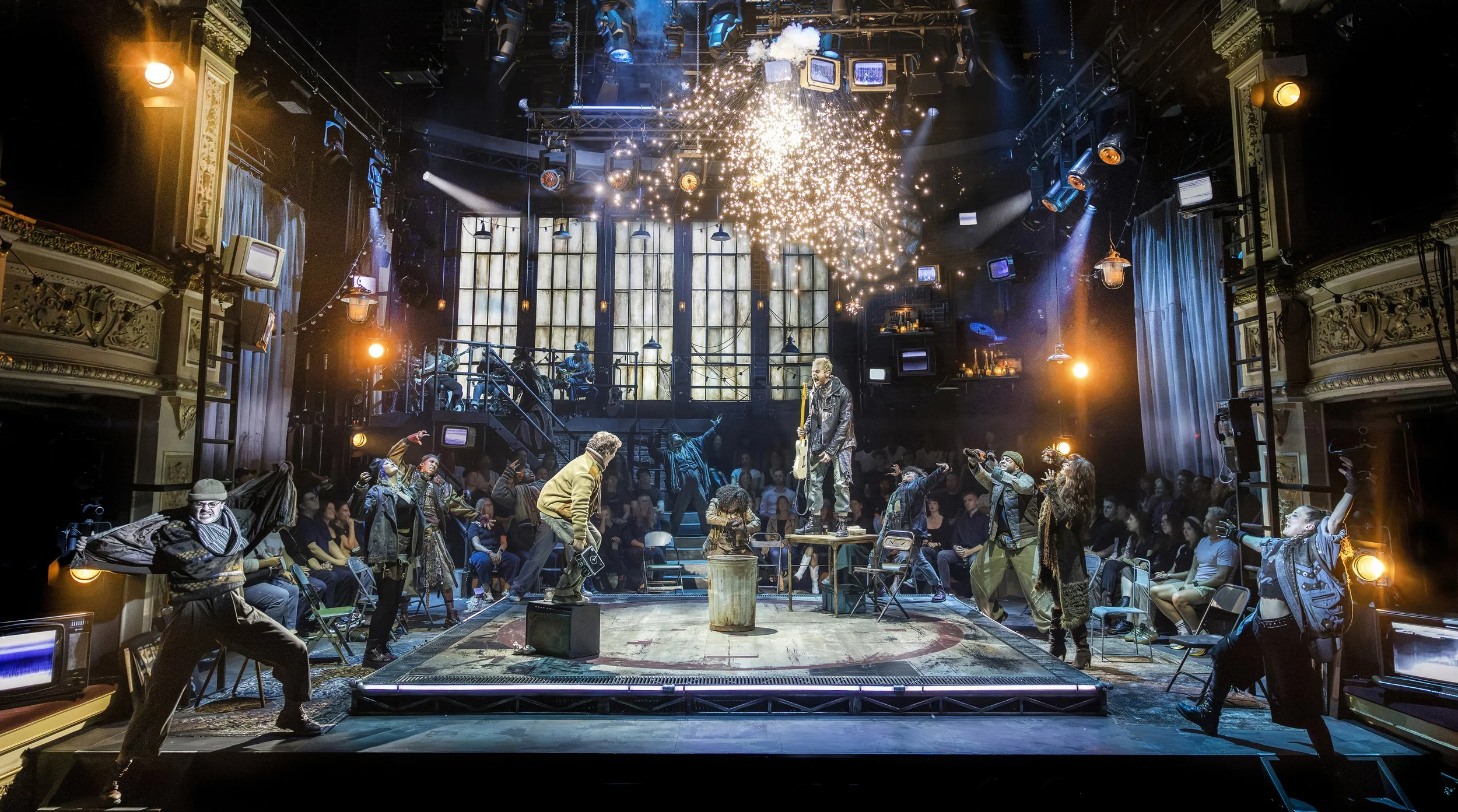
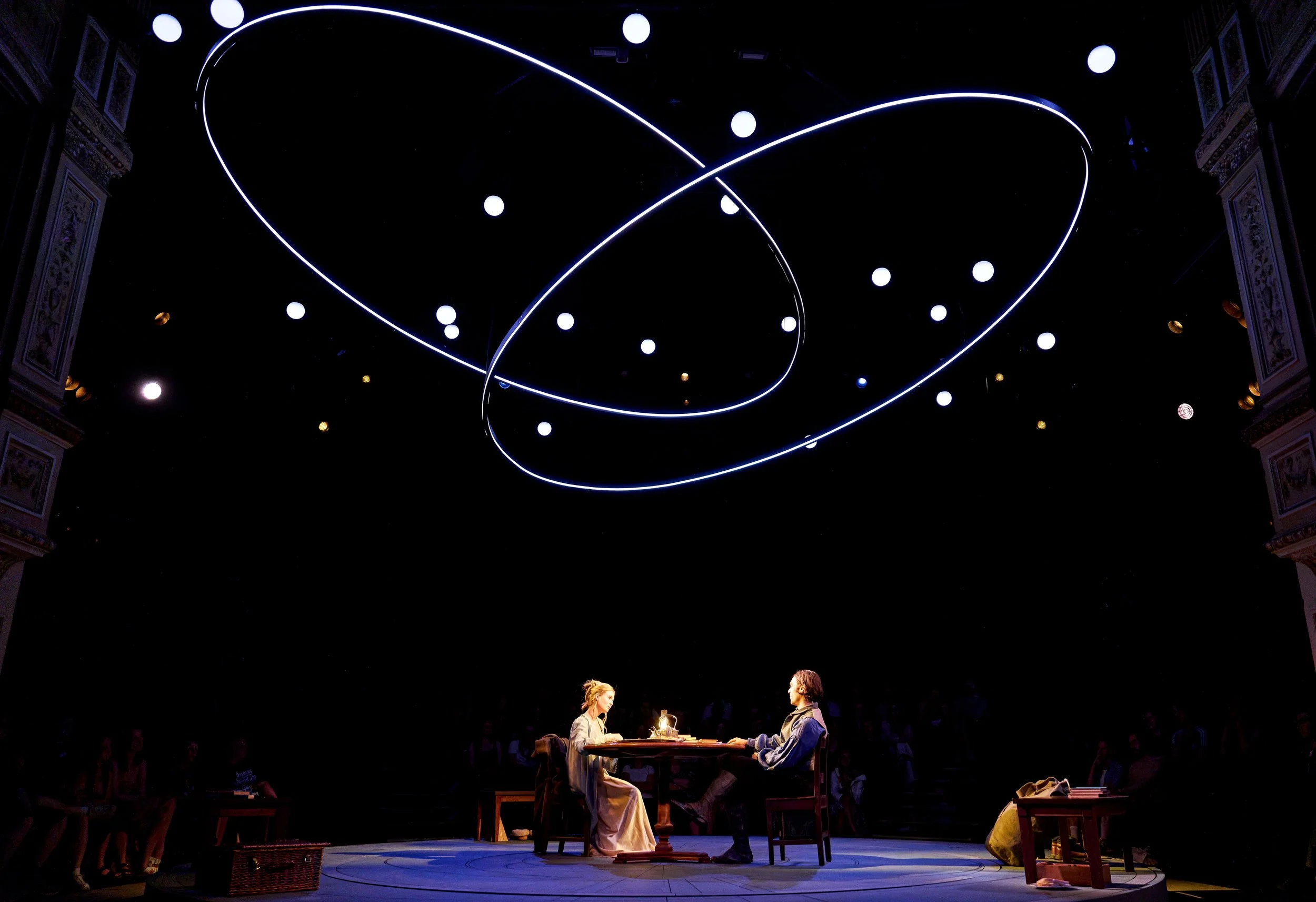
Alex Eales set design has retained the in-the-round staging which the play made use of at the Old Vic with its current set up. It works well for the majority of the play, and provides symbolic motifs for the play’s themes, but perhaps the onstage seating benefited from a more intimate performance, given that some of the seating in the theatre struggles to see parts of the play at some points. Given the use of the rotating staging, the rest of the scenery is kept minimal, ensuring the sole focus is on the script. The hanging circular lights beautifully illuminate the stage as we’re warped from one period to the next, and Guy Hoare also provides hanging bulbs which imitate stars and provide a lovely nod that, despite history, some things, like stars, are constant.
Stoppard’s Arcadia is certainly an intelligent play, and its message remains as important as it did back in 1993. It is a profound piece that challenges ideas, and the writing is beautifully genius. Its only challenge is that it is such a perfect play, it is hard to do anything “new” with it in fear of detracting from its brilliance. Carrie Cracknell has masterfully found the sweet spot - bringing new air and life to the play without detracting from how perfectly complete it already is.
Arcadia runs at the Tom Stoppard Theatre until 12th September.
★★★★★