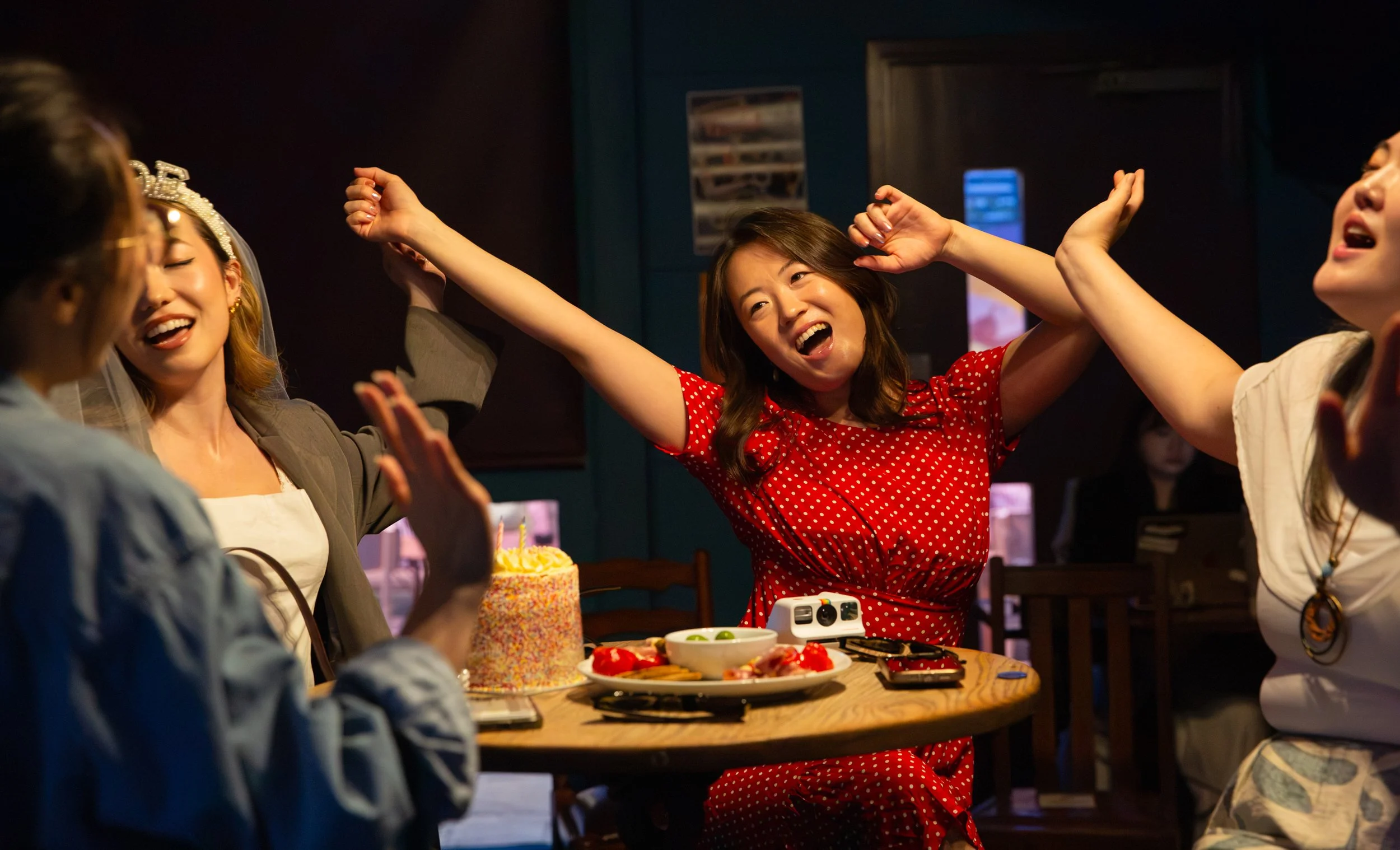
I’m Every Woman - The Chaka Khan Musical at Wembley Theatre Review
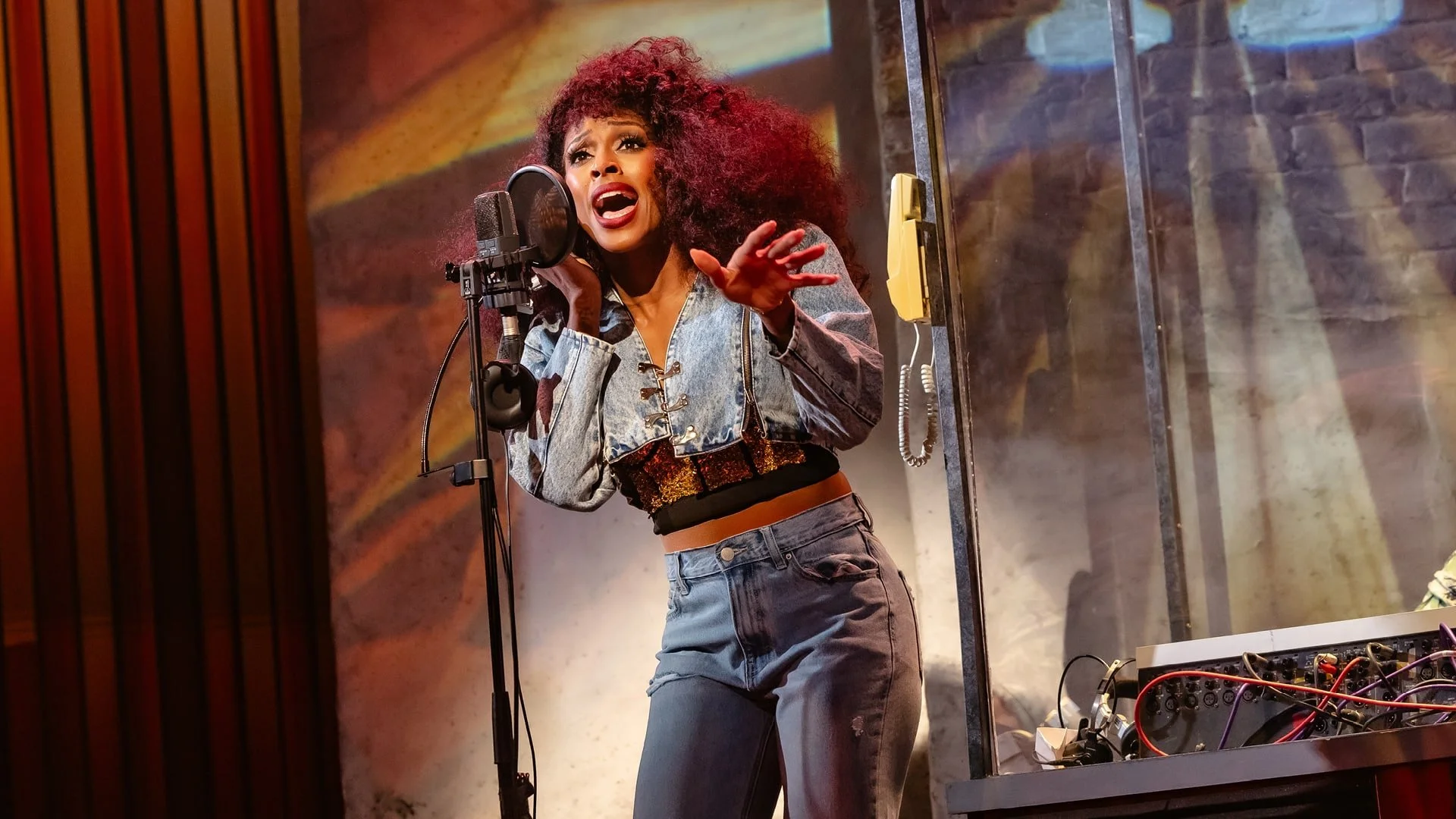
I’m Every Woman - The Chaka Khan musical promises “Fame”, and “Fire”, and “Fight”, but feels superficial and one-dimensional. In the same way we’ve seen before (think Tina, Jersey Boys), this autobiographical jukebox musical tells the story of Yvette Marie “Chaka Khan” Stevens, and uses her undisputedly impressive discography to explore her journey into stardom.
The Troubadour Wembley Park Theatre, most recently home to the reimagined production of Starlight Express, is completely transformed for this limited run. Built in 2019, what makes the venue so exciting is its ability to transform into pretty much any configuration (seating up to 2,000). For this production, this flexibility certainly feels under utilised, as the auditorium serves as a typical end-on stage, with one tier of seating expanding out to the very back of the theatre. With such a broad audience space, the stage feels far too small in comparison, and sight-lines at the back can’t be very good.
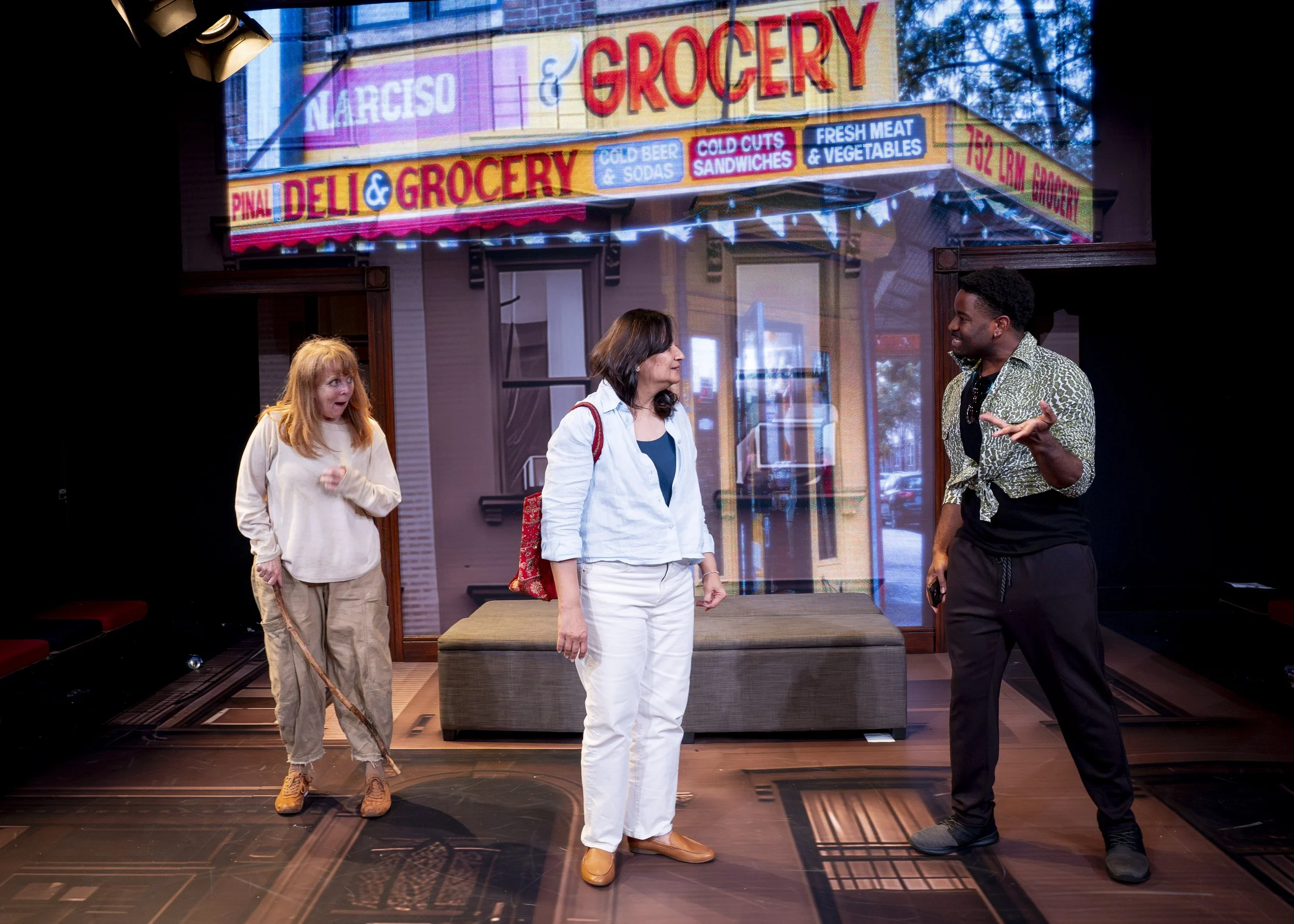
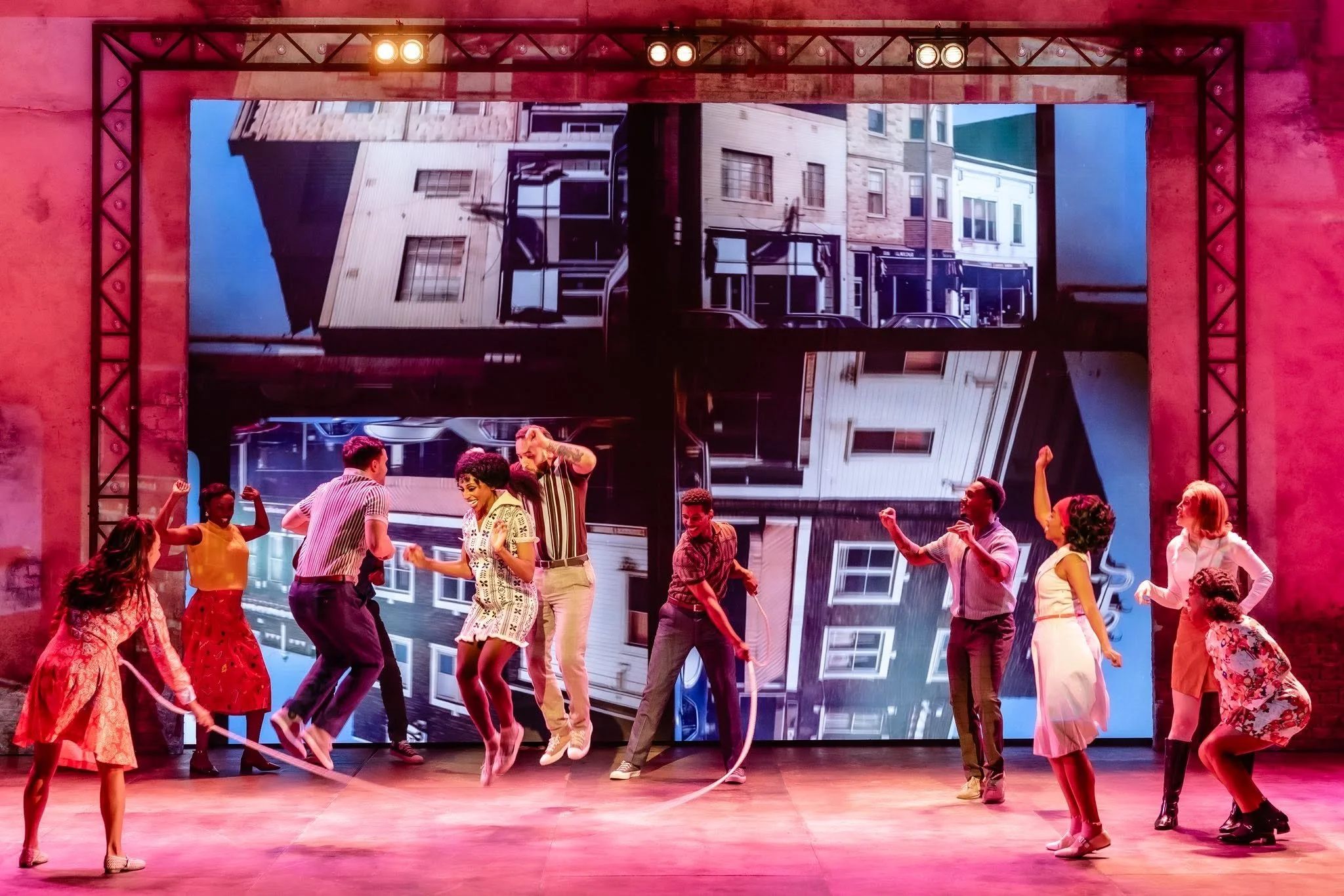
In terms of set, there isn’t much. This production relies on a large number of sliding panels and projections, which are slick, but feel low-budget. The plot is told in a frame narrative. We meet Chaka in what is presumably present day (although unclear), at a rehab meeting with her family. After a brief introduction, we are catapulted back over 50 years to the very start of her career, and the story plays chronologically from then on.
Throughout the show, we see Chaka’s struggles with addiction and the reality of being a young black woman in the music industry. These are important parts of her identity, but the speed of the narrative means we brush over them without really looking at the impact these might have had on her mental health. Her music is peppered in sporadically, but sometimes falls into the trap of feeling unnecessary or formulaic. Chaka is not the only recognisable name in this show; we also meet Whitney Houston, Joni Mitchell, Stevie Wonder, Miles Davis, and even Prince. Khan’s relationships with these characters feel very surface level on stage.
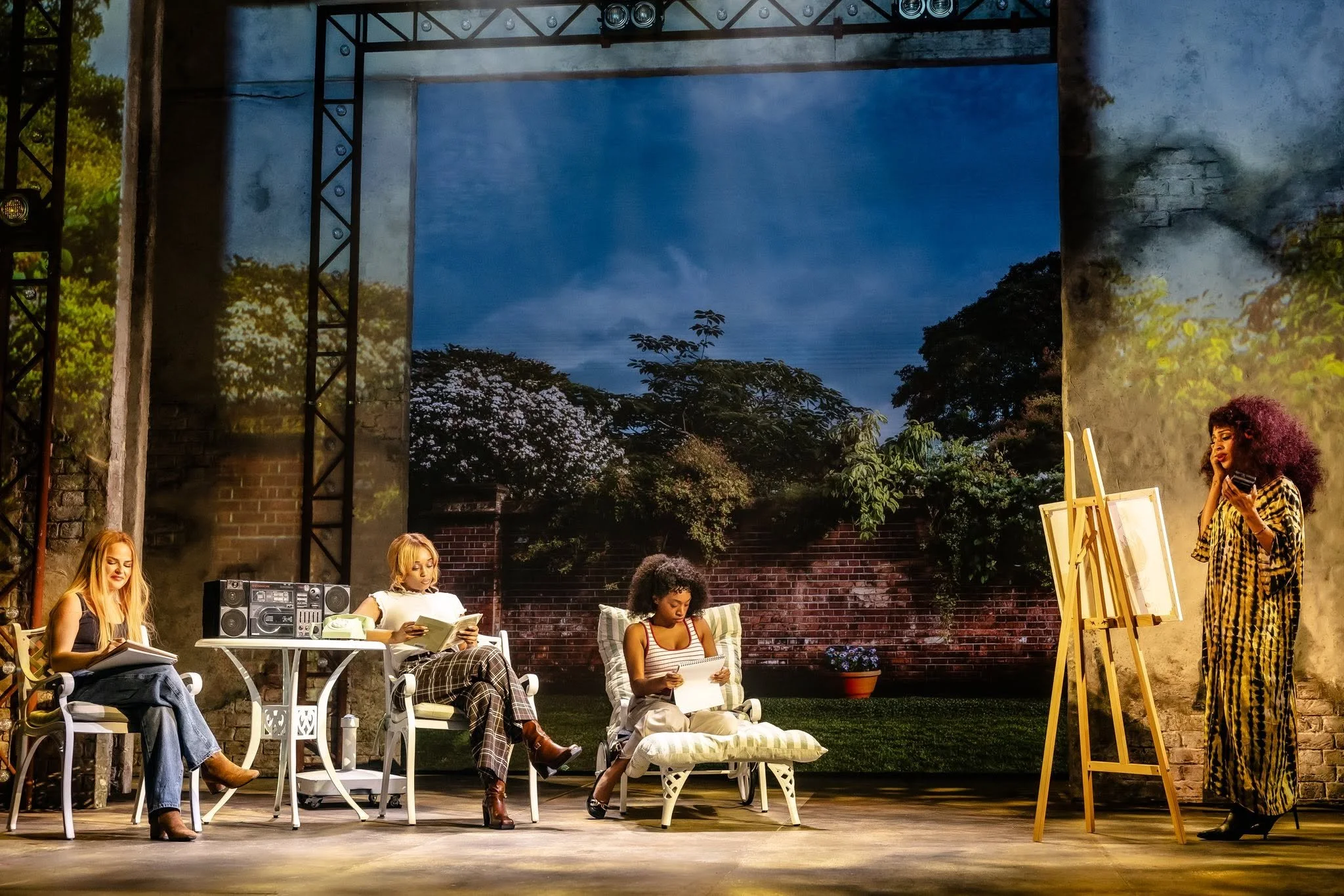
In what could be read as the emotional climax of the show, we see Chaka react to Prince’s death. She cries, but the audience can’t empathise with her because we didn’t believe in the relationship to begin with. And that’s where this musical’s greatest problem lies.
While Chaka’s story is undoubtedly inspiring and empowering, the writing feels subpar, and it makes these big moments in her life (eg. shooting at her second husband, Richard Holland) feel insignificant. As a result of this, the scenes feel clunky and lack spontaneity. This doesn’t feel like a fault of the performers; more so the creatives, and the audience lose interest in the characters and relationships very quickly.
That being said, there are some good moments of storytelling (ironically when there is no speaking). In the songs ‘I Put A Spell On You’, and ‘Through the Fire’, the story is told through dance montage. Alexandra Burke proves herself a triple threat, utilising some of her ballroom skills from Strictly.
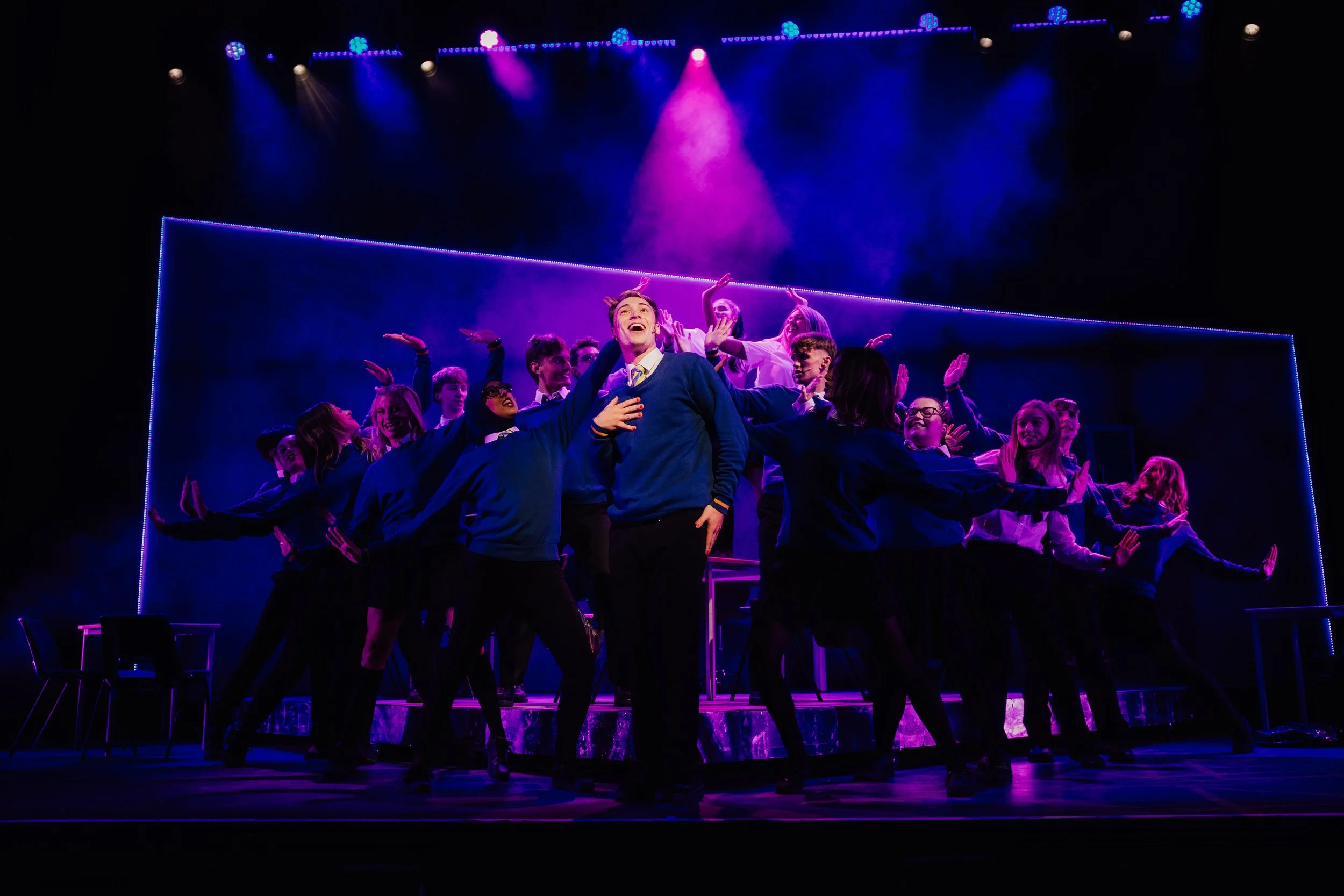
What the show lacks in emotional depth, it makes up for in visuals. The choreography by Ebony Clarke is slick and captivating, and the lighting by Zoe Spurr often makes you feel like you’re in a stadium concert.
Burke excels as Chaka Khan - a huge sing, but her vocals are on-point from start to finish. In the supporting cast, Sophie Earl sounds absolutely stunning as Joni Mitchell, and Chrissie Bhima is scene stealing in her role as Yvette’s drug-enabling conscience.
If you like the music of Chaka Khan, you’ll probably enjoy this musical. Running at the Troubadour Wembley Park theatre until the 27th September, this autobiographical jukebox musical lacks the heart it promises.
★★
Reviewed by Sarah, August 2026.