Martin Guerre at The Old Vic Review
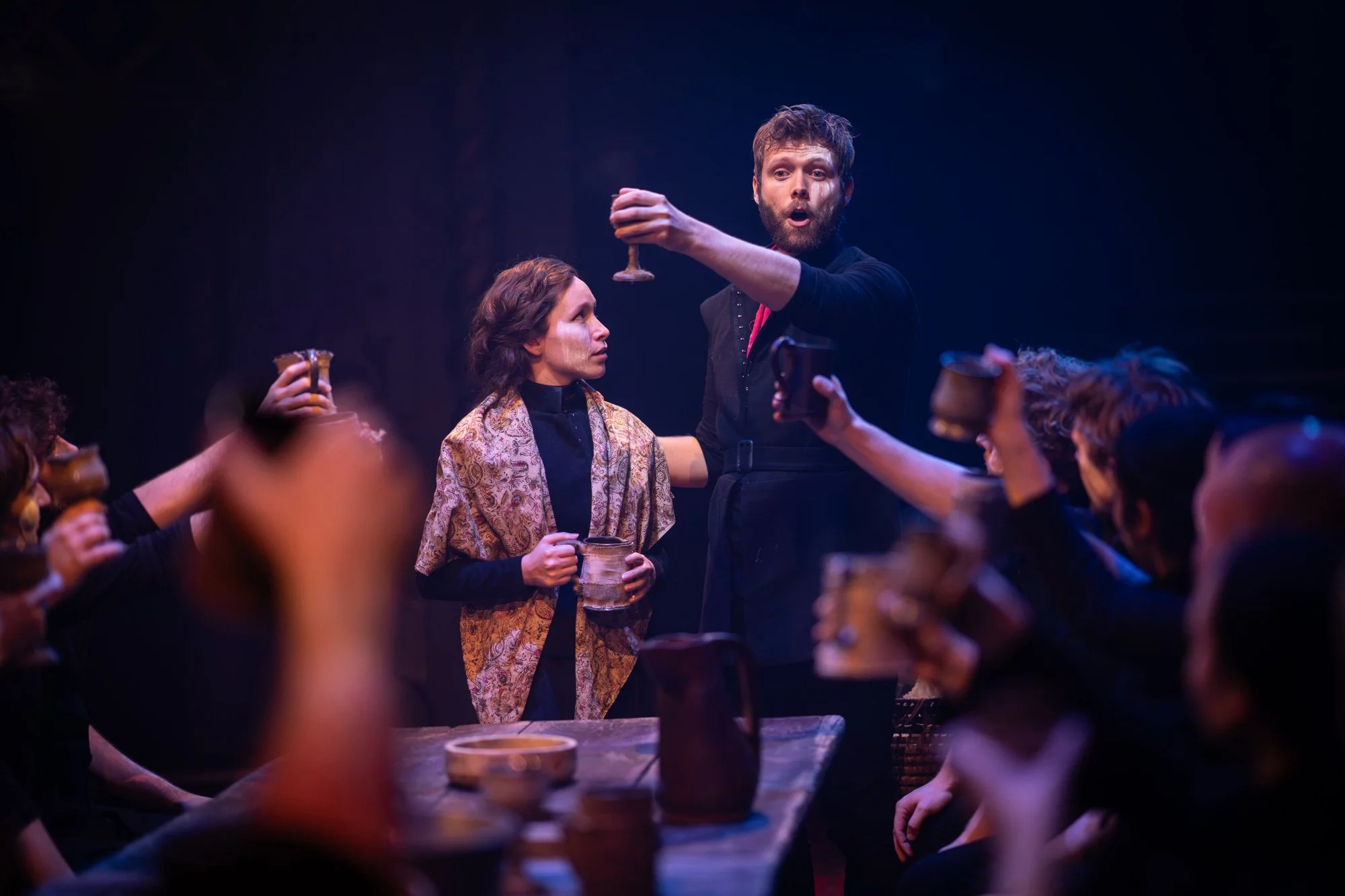
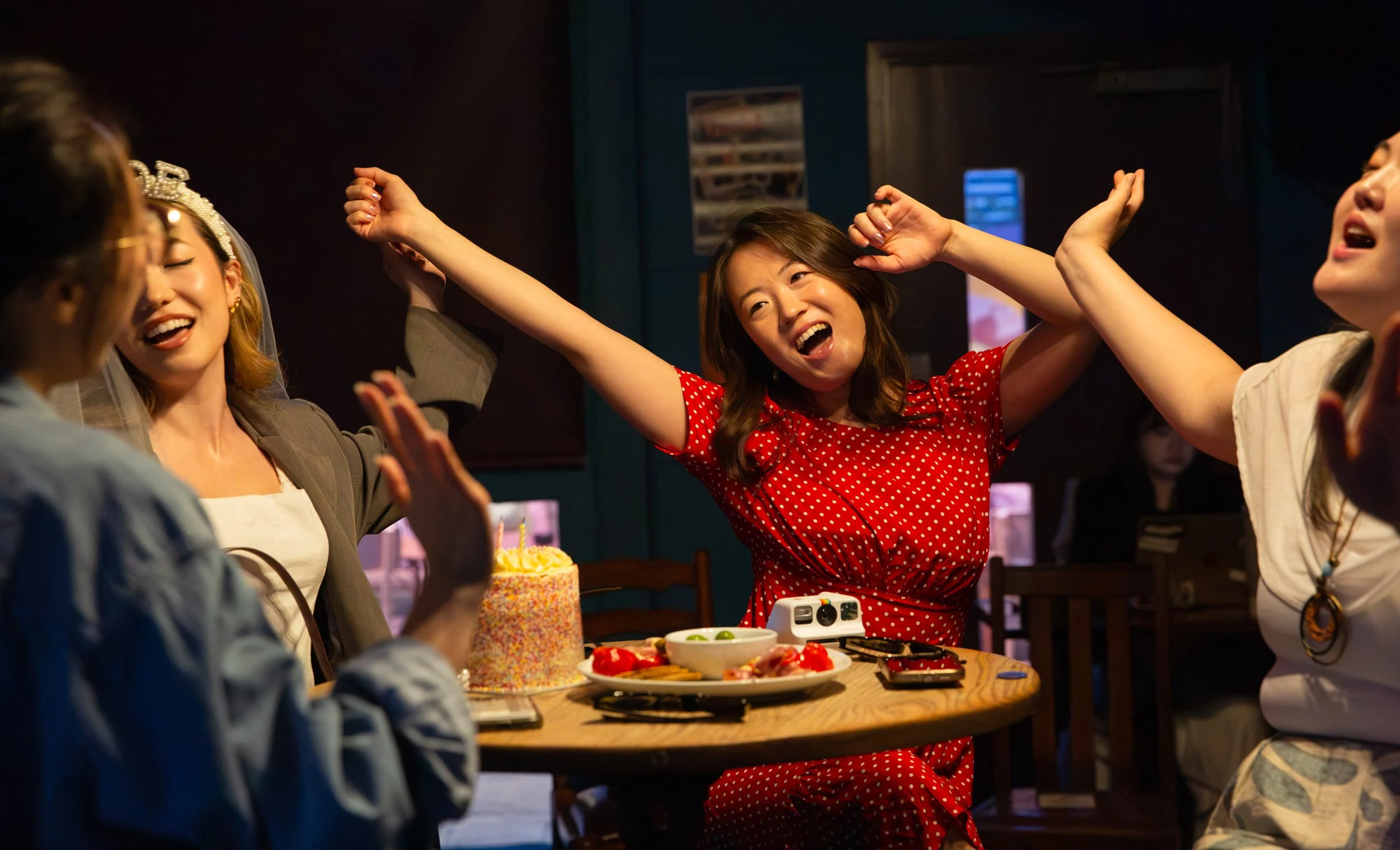
Liv Andrusier and Shane O'Riordan in Martin Guerre at The Old Vic 2026. Photo by Helen Maybanks
After three decades, Alain Boublil and Claude-Michel Schönberg's Martin Guerre has returned to the London stage, but in a never-before-seen adaptation. Following its original 1996 run at the Prince Edward Theatre, and a subsequent revival at the Watermill Theatre in 2007, the duo revisited the work during the Covid pandemic, having regained the rights to the musical. Bringing lyricist Annabel Mutale Reed and writer Paul Hodge on board, they set about creating a "radically reworked" adaptation of their original score. Now brought to life at The Old Vic under the direction of Matthew Warchus, this semi-staged production is an extraordinarily moving reimagining of the original musical.
Loosely based on the story of the 16th-century French historical figure Martin Guerre, the production is presented as a folktale reimagining of the extraordinary events surrounding his disappearance and eventual return. Opening in medias res, we are given a whistle-stop account of Martin's marriage to Bertrande and his subsequent departure for war, before jumping forward seven years to the arrival of his friend, Arnaud du Thil, who assumes Martin's identity and returns to his village. The townspeople are immediately hoodwinked, welcoming Arnaud as the long-lost Martin, all except Guillaume, who has pined for Bertrande for years and refuses to accept the returned soldier. His suspicions are dismissed as jealousy, but as the story unfolds, Guillaume discovers evidence that the man claiming to be Martin is, in fact, an impostor. The narrative eventually circles back to the beginning, revealing the true events behind Martin's disappearance and Arnaud's deception.
Originally presented in two acts, this new adaptation has been condensed into a single, 90-minute performance. Whilst I am often apprehensive about the increasing popularity of one-act productions, in this instance I think the decision serves the musical exceptionally well. The storytelling is slick, maintaining a sense of urgency and heightened stakes throughout, and I suspect an interval would have interrupted the emotional momentum, making it difficult to immerse ourselves quite so deeply in the story upon returning. Instead, the 90 minutes fly by, and I found myself utterly mesmerised, as I so often do with Boublil and Schönberg's work.
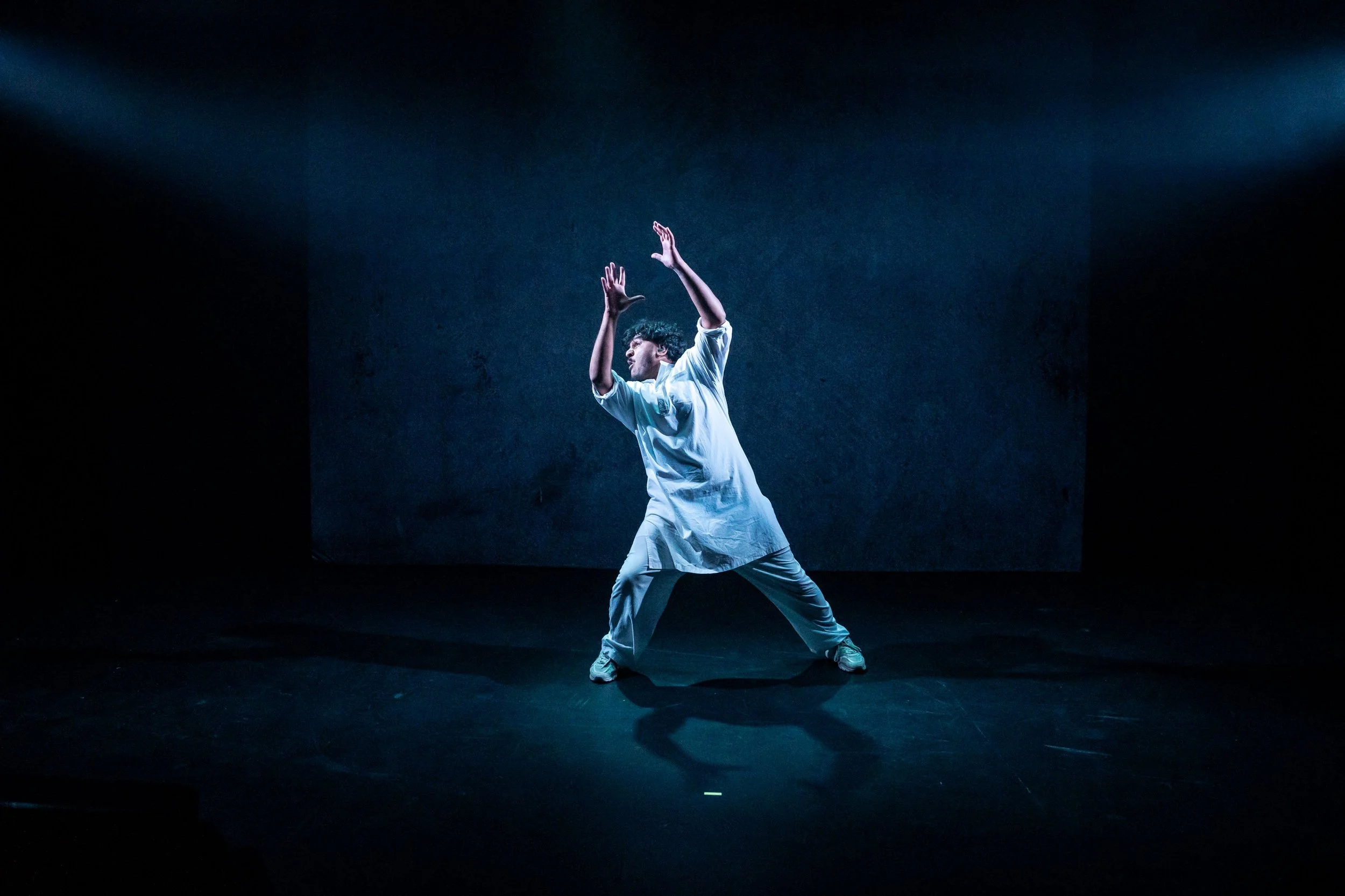
Alex James-Hatton in Martin Guerre at The Old Vic 2026. Photo by Helen Maybanks
Their operatically influenced scores and largely sung-through approach may be less conventional than those of many contemporary musicals, but I feel this style is particularly effective in a production such as Martin Guerre. The music becomes inseparable from the storytelling, allowing the anguish, passion and emotional weight of the narrative to unfold without interruption. Rather than breaking the dramatic tension to accommodate individual musical numbers, the score sustains it, continually raising the stakes and drawing us further into the lives of the characters.
The reworked script also shifts the focus more equally between the title character and Bertrande, allowing us to explore the impact of Martin's disappearance and the extraordinary stoicism and loyalty of the wife he leaves behind. Even as the truth begins to unravel, Bertrande's devotion remains unwavering, despite the consequences of defying the expectations and laws of her community. There are some beautifully raw and intimate moments between Bertrande and Martin, alongside several scene-stealing solo performances from the powerhouse that is Liv Andrusier. Her performance brings an emotional depth to Bertrande that makes her far more than simply the abandoned wife, placing her firmly at the heart of the story.
Shane O'Riordan is equally exceptional as Arnaud, masquerading as Martin, completing something of a Boublil and Schönberg hat-trick, having previously performed in both Les Misérables and Miss Saigon. His voice is perfectly suited to the duo's sweeping musical style, and he is an utter marvel to watch perform. Adam Pearce commands the stage as the powerful Father Dominic, whilst Barney Wilkinson is despicably impressive as Guillaume, capturing the character's bitterness and jealousy with conviction. Dan Hand is also particularly impressive as Young Martin, delivering a remarkable vocal performance. I look forward to seeing what promises to be a very bright future for this young performer.
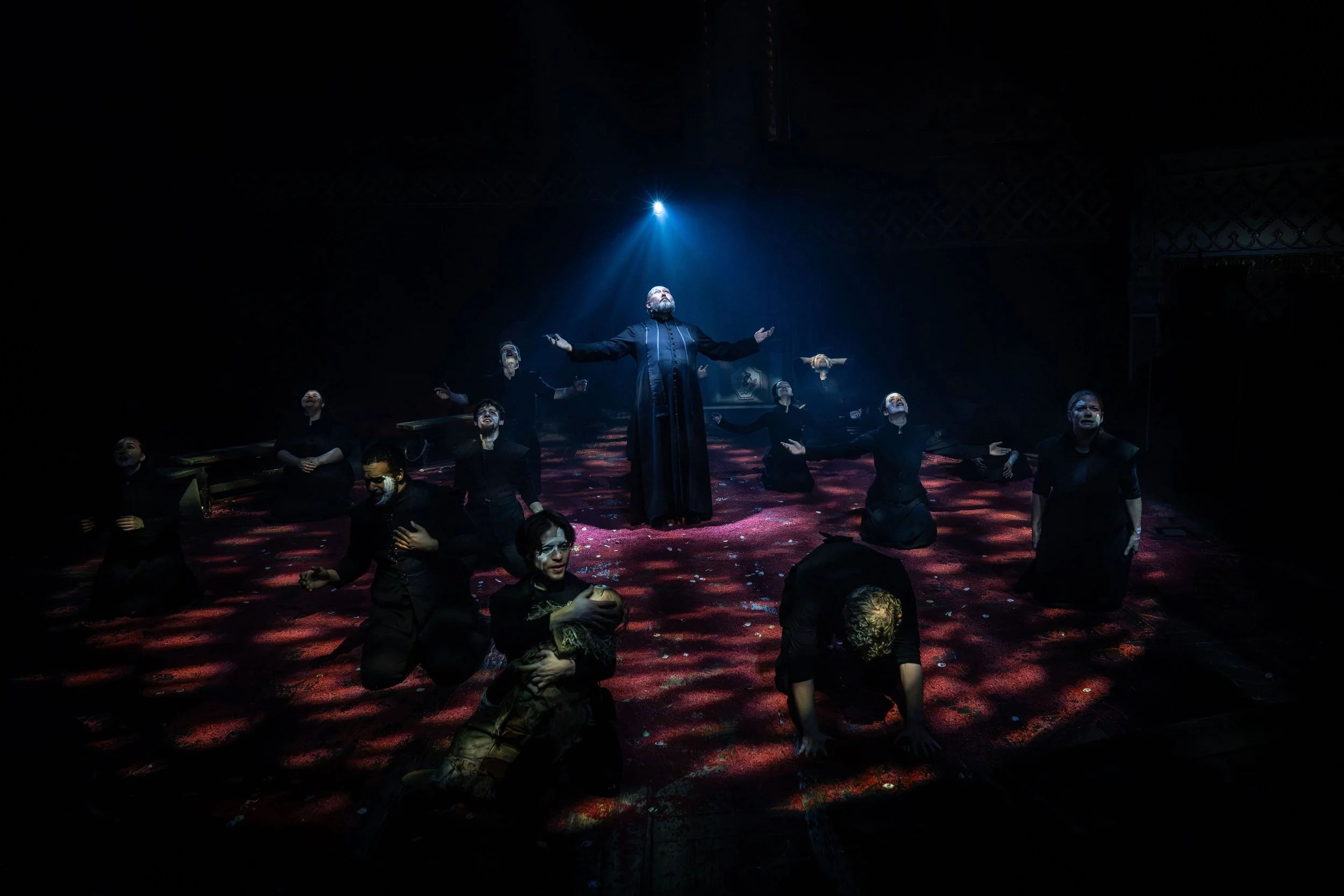
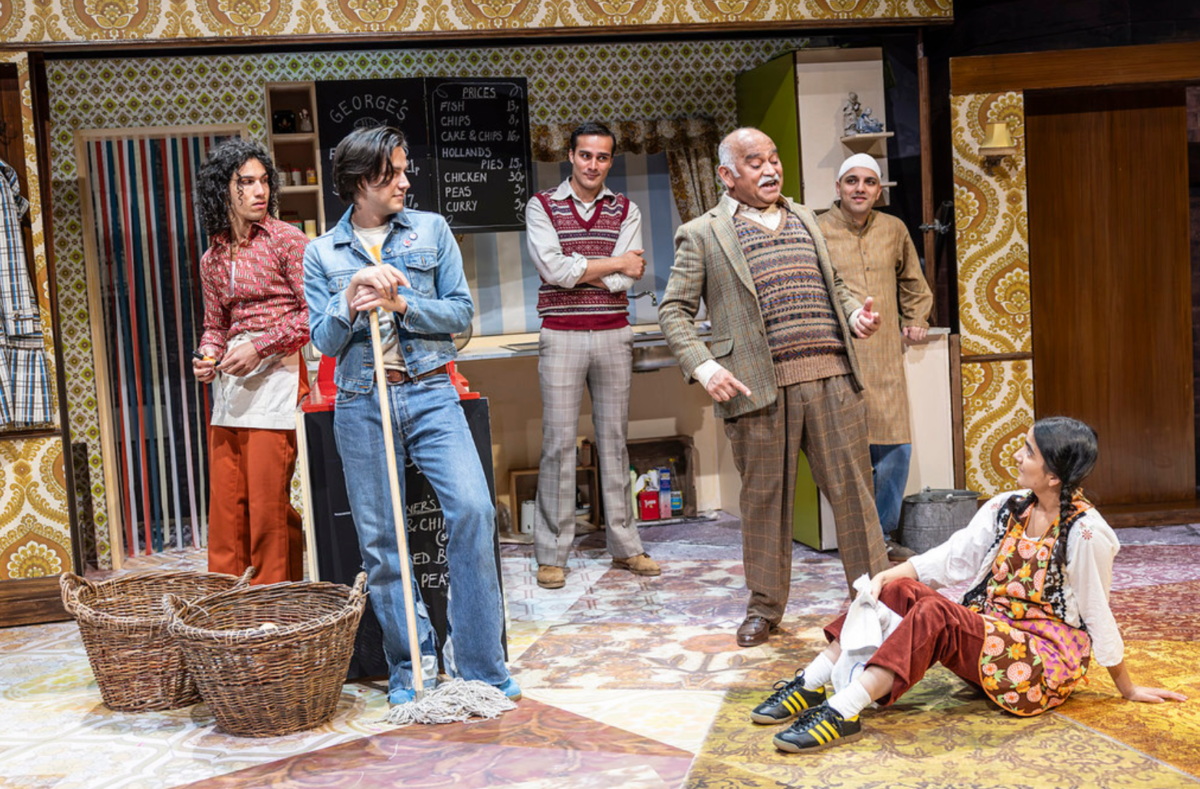
The Company of Martin Guerre at The Old Vic 2026. Photo by Helen Maybanks
The score itself is wonderfully rich, with some truly stellar individual numbers that showcase Boublil and Schönberg's extraordinary ability to marry music with emotion. Admittedly, I didn't find the larger ensemble numbers quite as immediately memorable as those of some of the duo's other works, although perhaps that is an unfair comparison. After all, we're practically born knowing the lyrics to Les Mis, and it's difficult to separate the brilliance of its score from the decades of familiarity that have made it so iconic. What Martin Guerre does offer, however, is a beautifully cohesive musical experience, with the score working as a continuous emotional undercurrent rather than simply a collection of standout songs. It is perhaps a musical best appreciated as a whole, rather than judged on the immediate memorability of its individual numbers. I certainly found the entire production incredibly moving, memorable and impactful.
Matthew Warchus's direction is, as one might expect from an Old Vic production, deeply immersed in the storytelling and its intricacies, bringing a fresh perspective to the material. Performed in the round on a minimal set, the production makes impressive use of its intimate staging, demonstrating that theatrical impact needn't rely on elaborate scenery or spectacle. Instead, the focus remains firmly on the performers, the music and the emotional weight of the story, resulting in a remarkably affecting piece of theatre.
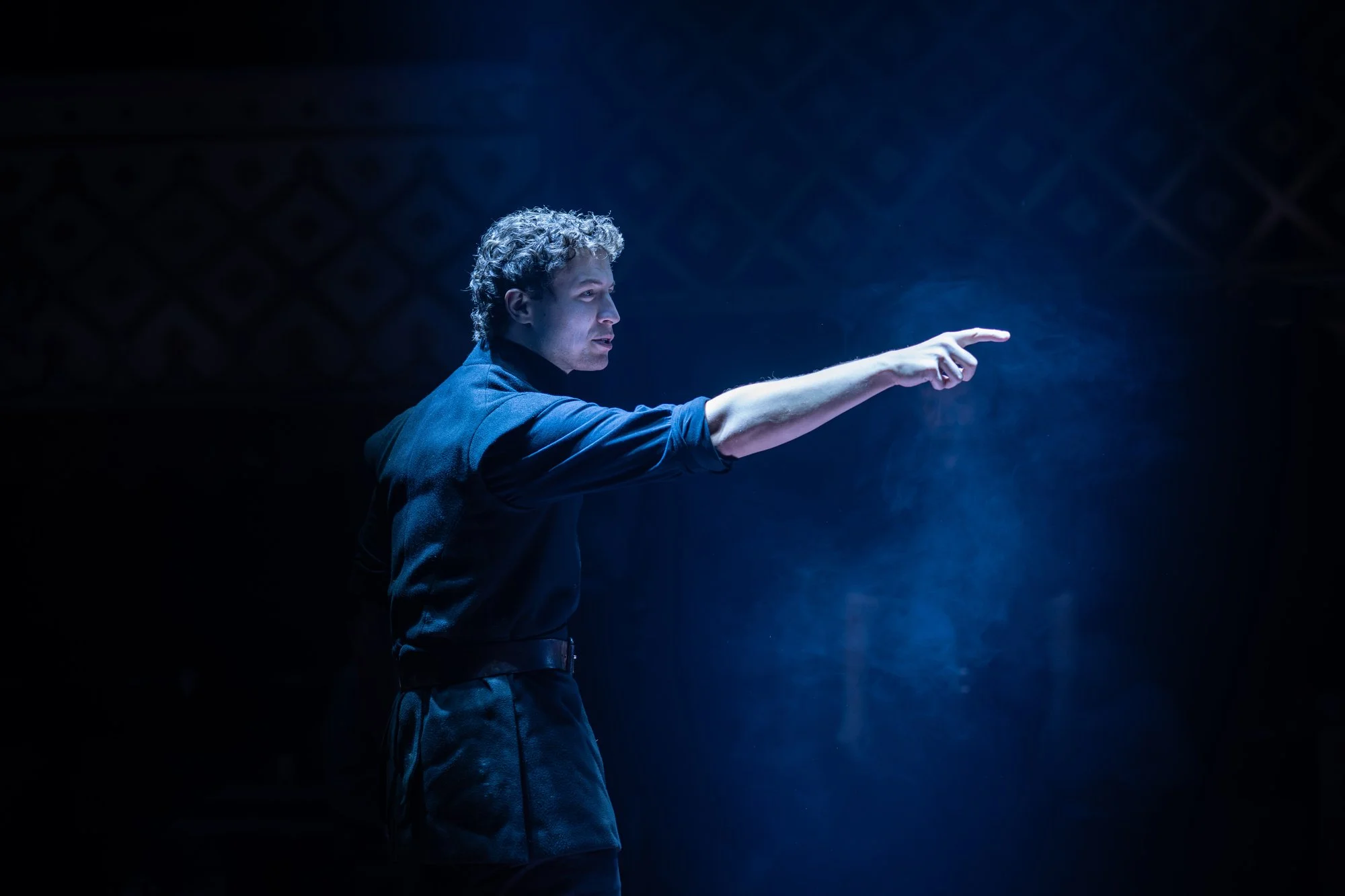
Lizzi Gee's choreography is equally effective, bringing a contemporary energy to the production without detracting from its historical setting. I was particularly impressed by the lighting design from Hugh Vanstone, Luca Panetta and Toby Ison, which plays an integral role in establishing the atmosphere and amplifying the emotional impact of the performance. Together, these creative elements demonstrate how much can be achieved within a relatively stripped-back production.

As a final observation, I also wanted to acknowledge something I particularly appreciated about The Old Vic's website: its decision to credit not only the cast and creative team, but also the musicians and stage management. Boublil and Schönberg's musicals are as much about the orchestration and musicianship as they are about the vocal performances. Of course, this is true of musical theatre more broadly, but with a score as integral to the storytelling as Martin Guerre's, it feels particularly important to recognise those bringing the music to life. It's wonderful to see that recognition extended to the many individuals whose contributions are so essential to a successful production.
Ultimately, this new adaptation of Martin Guerre is a testament to the power of revisiting and reimagining existing work. Thirty years after its premiere, Boublis's musical deserves renewed attention, and this intimate, emotionally charged production makes a compelling case for its place on the London stage. A beautifully realised piece of musical theatre, and one that will certainly stay with me for a long time.
Martin Guerre plays at The Old Vic until 31 October.
★★★★★
Written by Annie for Theatre and Tonic, October 2026.