Here There Are Blueberries at Stratford East Review
Written by Liam Arnold for Theatre & Tonic
Disclaimer: Gifted tickets in exchange for an honest review
You can feel the temperature drop the moment the lights come up. A Leica camera sits in isolation, an artefact that changed how the 20th century saw itself. From that small, mechanical eye unfolds Moisés Kaufman and Amanda Gronich’s Here There Are Blueberries — a play about photographs taken at Auschwitz that show not piles of bodies, but picnics. Smiles. Women perched on a ledge eating blueberries.
The album, discovered decades after the war and donated to the US Holocaust Memorial Museum, belonged to Karl Höcker, an SS officer. Its images capture Nazi staff at leisure in the Solahütte retreat near the camp. The absence is what shocks: no prisoners, no smoke, no visible horror. Just ordinary people enjoying a day off. The play’s engine is the museum archivists’ debate about whether to exhibit these photographs at all. Is it illumination — or inadvertent humanisation?
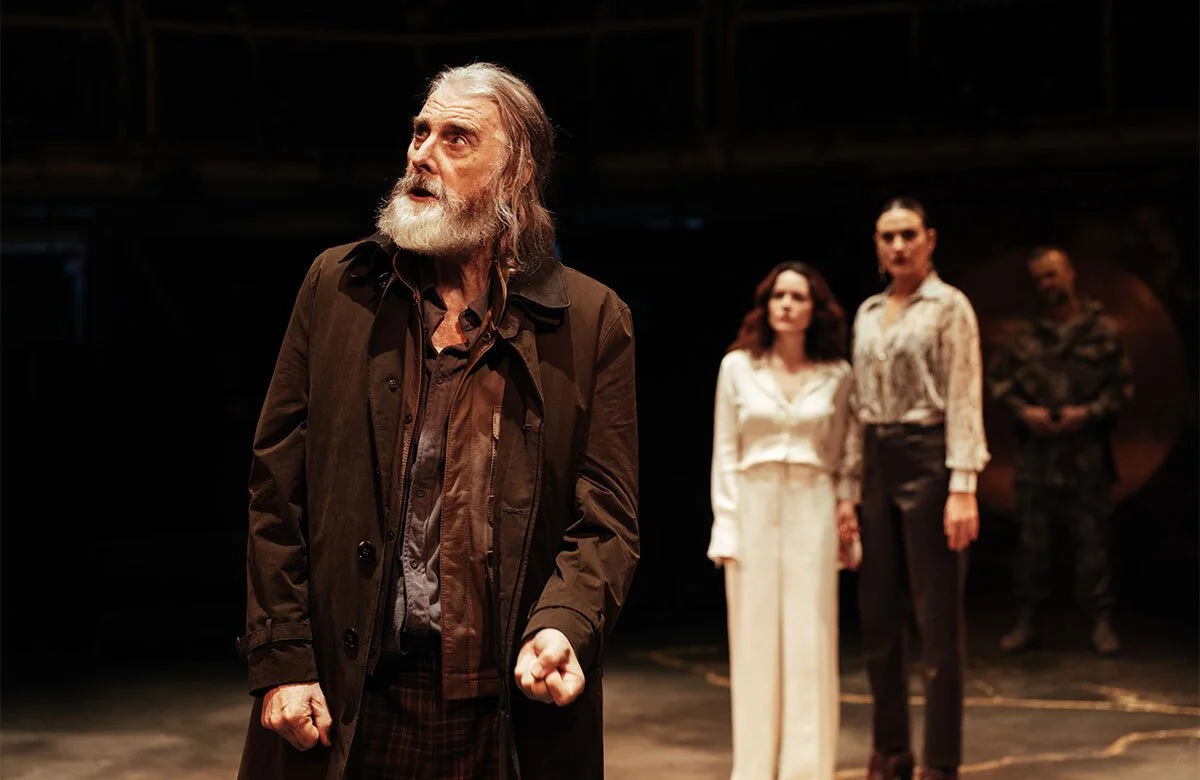
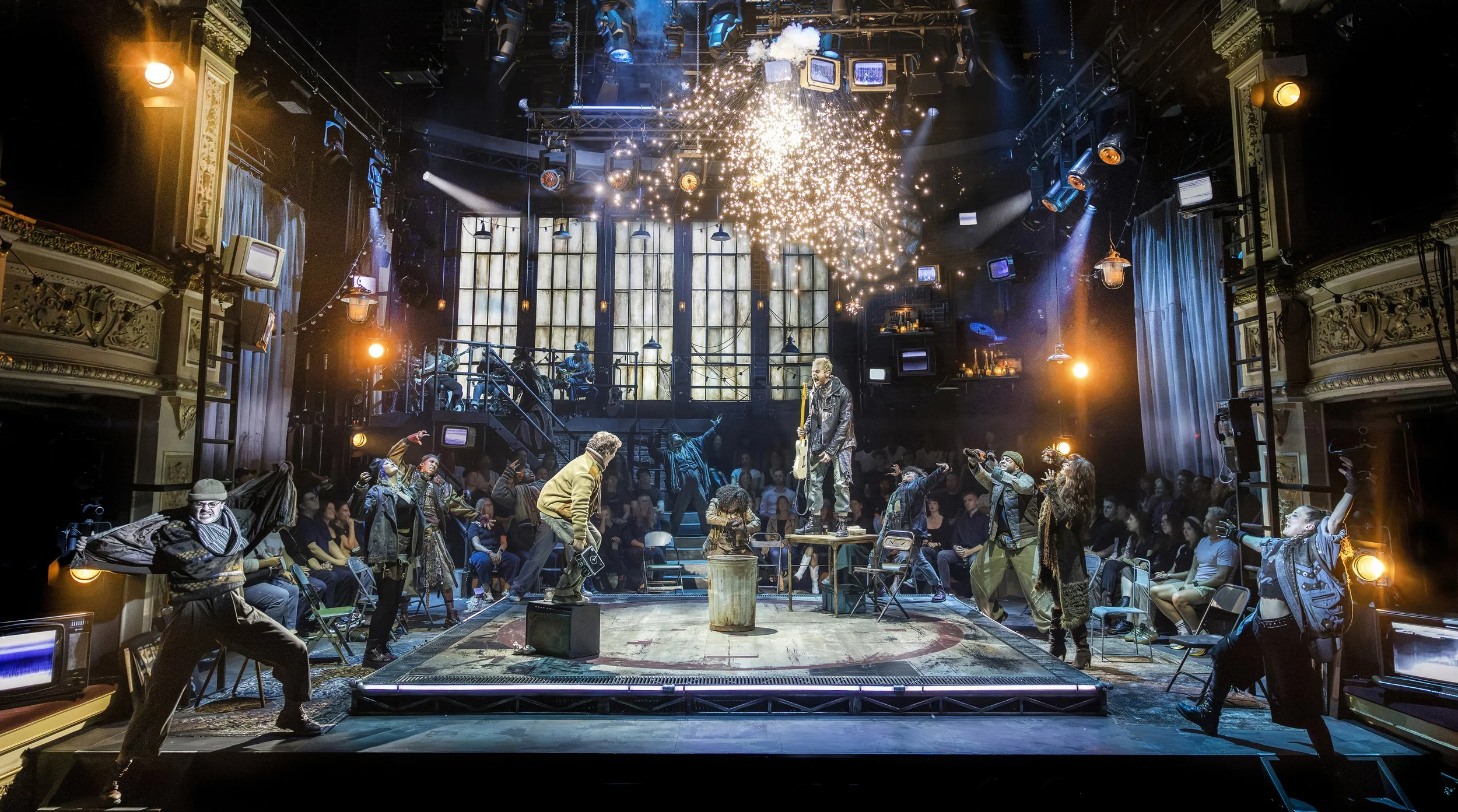
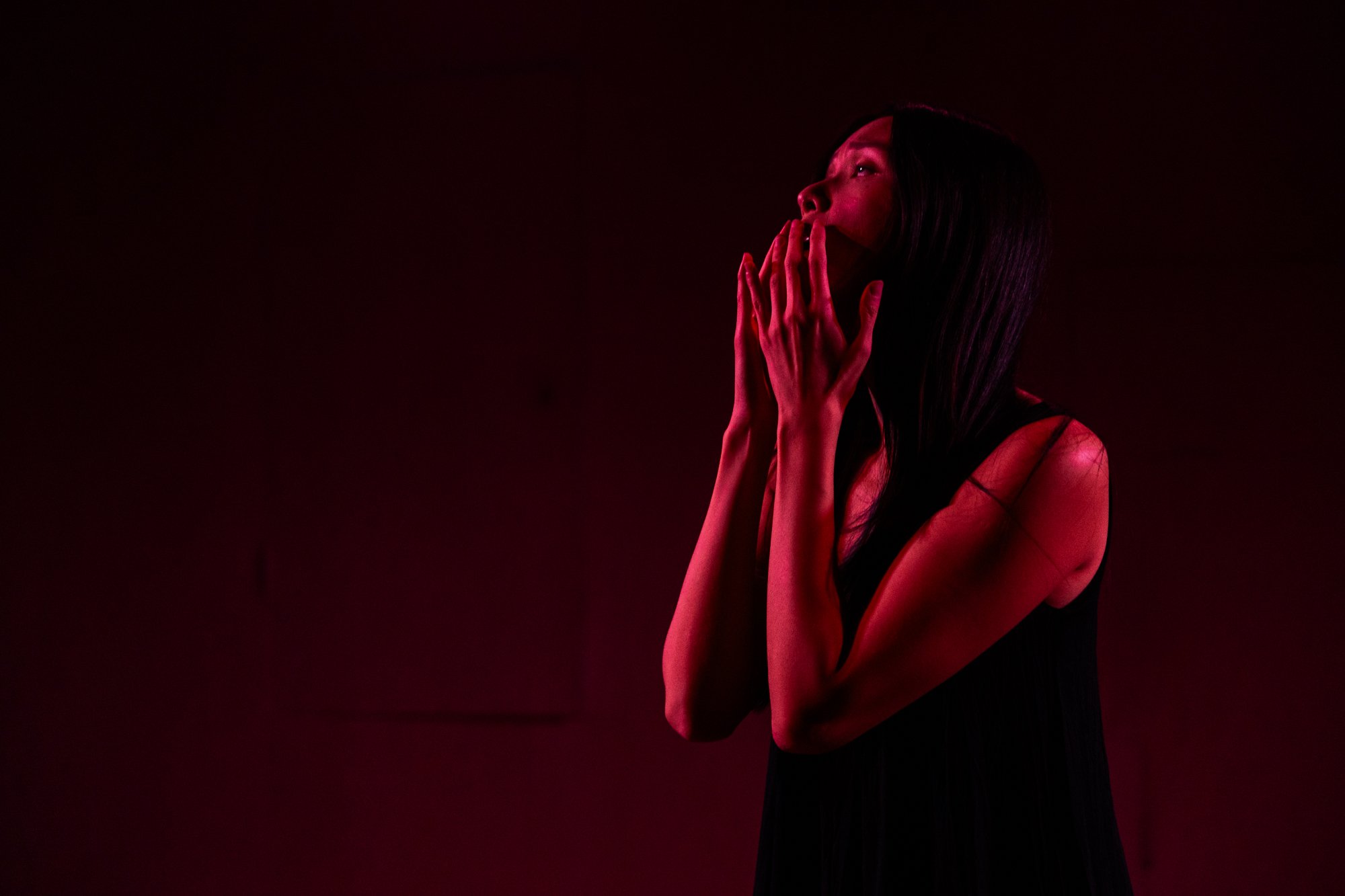
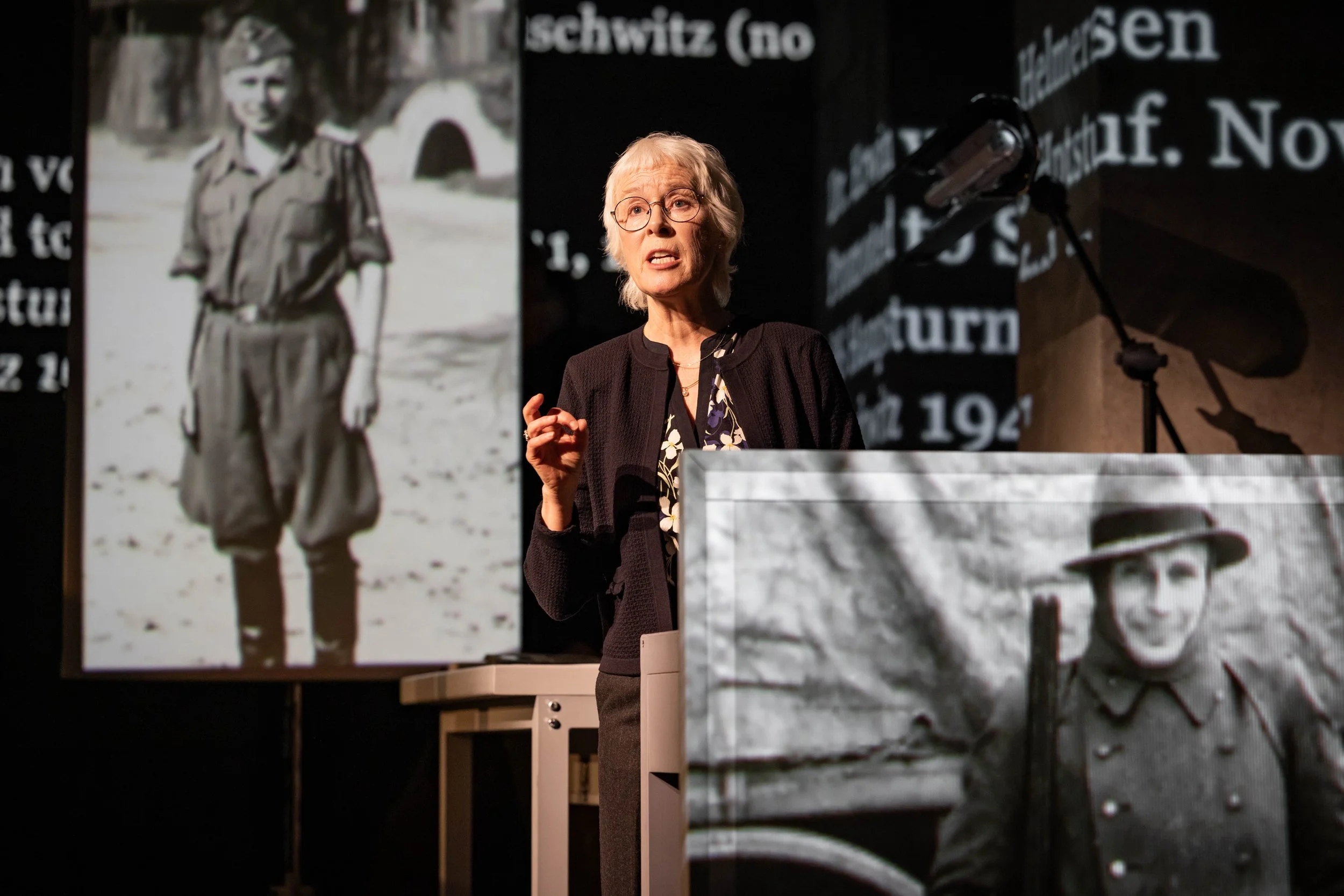
Kaufman stages the piece with the cool restraint of a laboratory demonstration. The cast of eight function as researchers, survivors and descendants, speaking largely outwards to us rather than to one another. Derek McLane’s set is clean, almost antiseptic; projections enlarge the black-and-white photographs until every grin becomes loaded with dread. The production is technically immaculate. David Bengali’s video design, in particular, is used with precision — images glide across surfaces, sometimes blooming into colour, sometimes fractured into fragments. It is handsome, controlled theatre.
And yet control is both virtue and vice here.
The evening is gripping in concept but curiously static in execution. The script circles its central question — what does it mean to look at perpetrators? — without quite building towards a revelation. Rhetorical questions accumulate. What did they know? What would we have done? Can we look at these faces without granting them something dangerously close to empathy? The problem is not that these questions are asked, but that they are asked again and again, often accompanied by explanatory footnotes that slightly underestimate the audience’s ability to join the dots.
Philippine Velge, as archivist Rebecca Erbelding, gives the most grounded performance of the night. She finds flickers of private reckoning beneath professional poise, especially when confronting the young women of the Bund Deutscher Mädel pictured laughing into the camera. A strand involving a Nazi officer’s descendant introduces a more volatile emotional register and briefly jolts the production out of its academic mode. But these moments are islands in a sea of careful exposition.
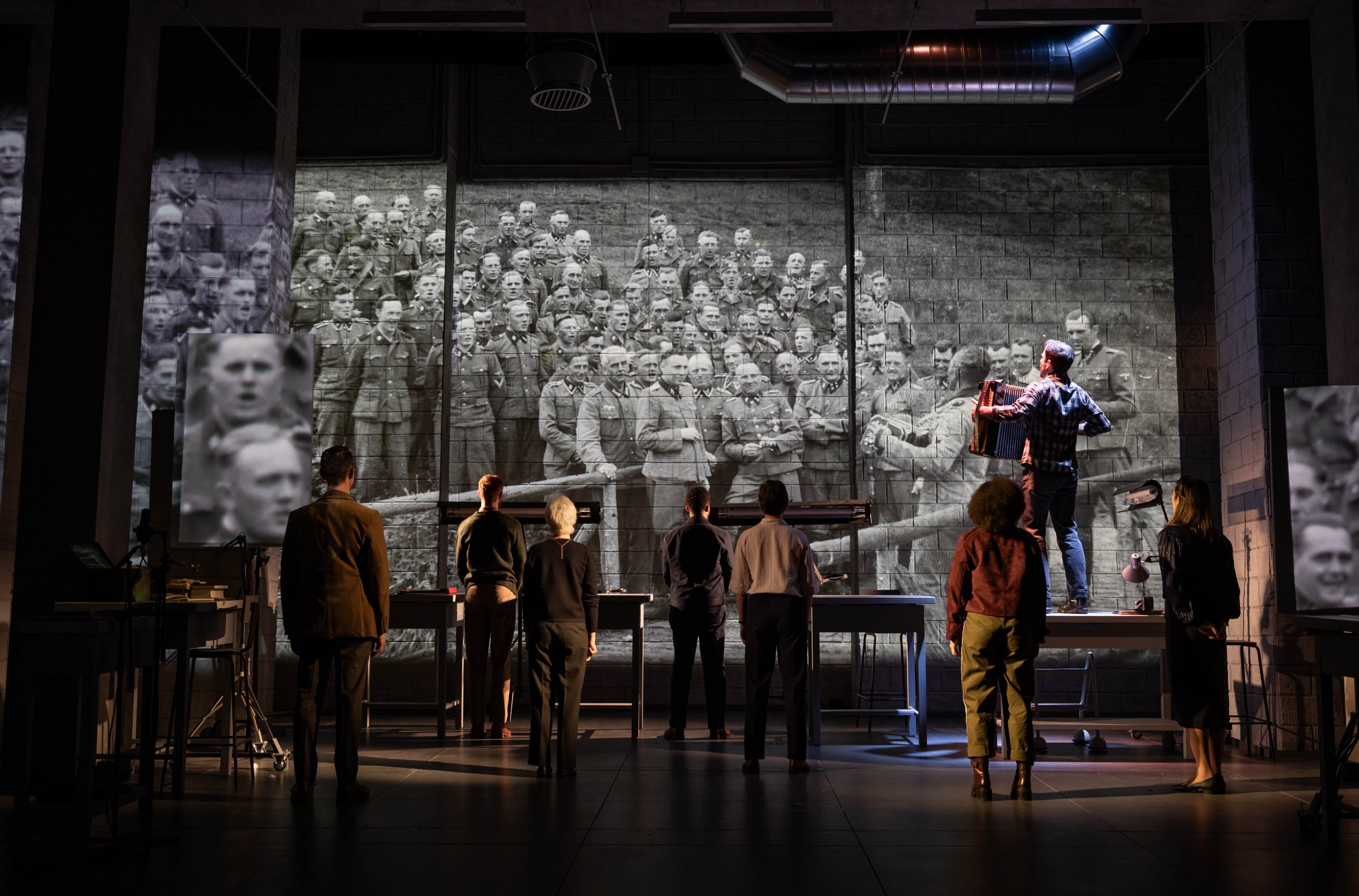
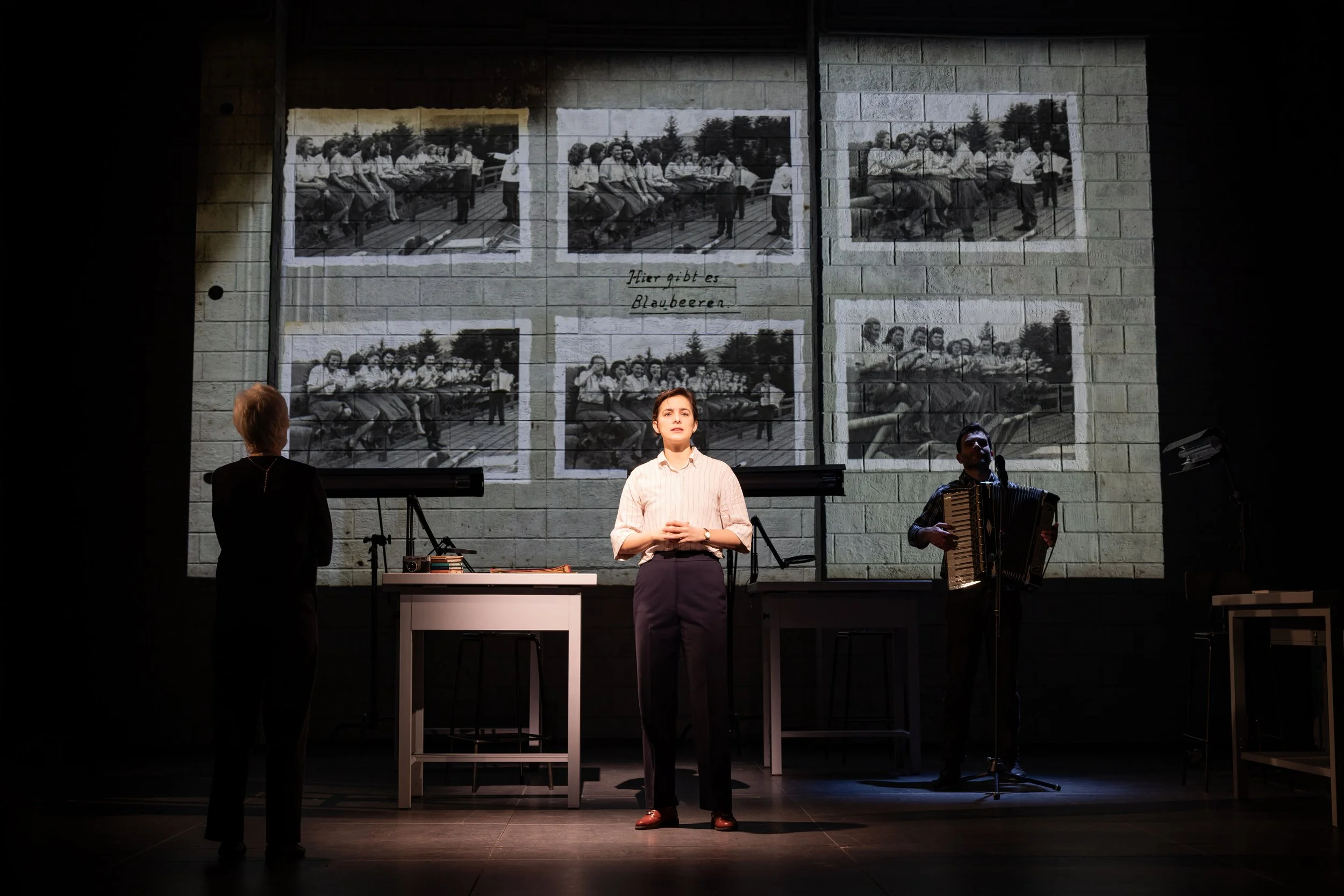
What lingers most powerfully is the banality. The photographs resemble anyone’s holiday snaps. That is the point, of course — that genocide was administered by people who also sang songs, flirted, and posed for the camera. The play insists that monsters are a comforting myth. Ordinary people did this. The moral discomfort is real, and the production refuses easy catharsis.
But theatre, even documentary theatre, needs propulsion. Here, the intellectual rigour sometimes edges into didacticism. The piece can feel less like a drama unfolding and more like a symposium meticulously staged. It is admirable, necessary work — but admiration does not always translate into emotional engagement.
In its final moments, the play broadens its gaze to our own image-saturated age. What records are we creating? How will we be seen? It’s a provocative gesture, though it slightly diffuses the sharp historical focus that has made the evening compelling.
I left Stratford East thoughtful, disturbed — and slightly unmoved. Here There Are Blueberries is an important, beautifully mounted piece of theatre that asks urgent questions about memory and responsibility. I just wish it trusted the power of its material enough to ask fewer of them.
Here There Are Blueberries plays at Stratford East until 28th February
★★★