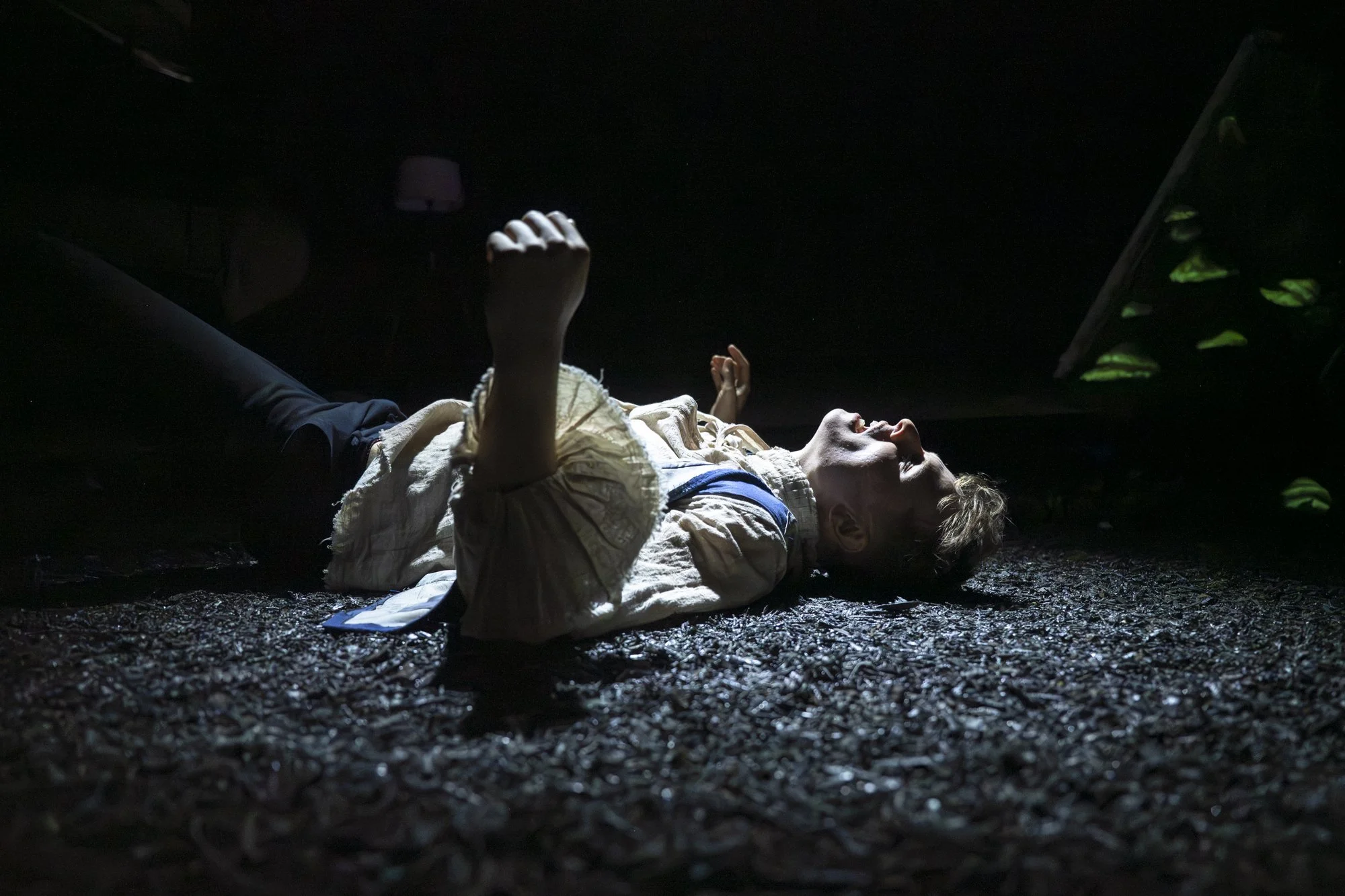
Stand and Deliver: The Lee Jeans Sit In at Tron Theatre, Glasgow Review
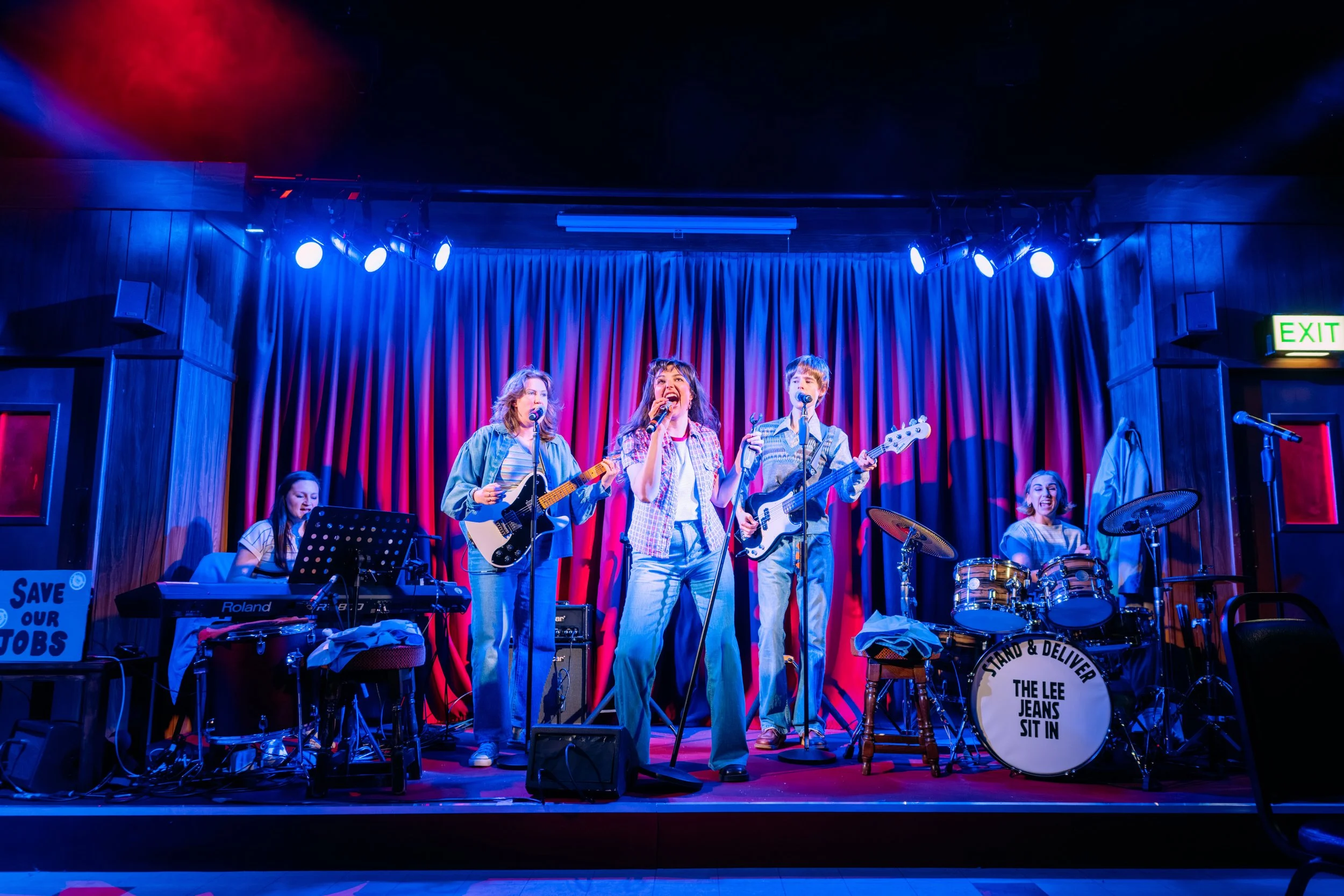
Image by Mihaela Bodlovic
Written by Kerry for Theatre & Tonic
Disclaimer: Gifted tickets in exchange for an honest review. All views are our own
Opening to a kickass version of Kim Wilde’s “Kids in America” (which has now appeared in my Spotify on repeat in less than twenty-four hours), Stand & Deliver: The Lee Jeans Sit In tells the iconic story of 240 workers of a jeans factory in Greenock in 1981 who would not stand by idly as their jobs were being taken. The reason being was to move the factory to Northern Ireland, even if their factory was more profitable. Taking the occasional, deserted jab at then Prime Minister Margaret Thatcher’s choices when it came to working class jobs and the effectiveness and ineffectiveness of unions.
There’s a strong sense of community woven through the show, even with a limited cast, who can seamlessly merge between characters like its second nature. And what tops it is the fact that the five actors who make up the band were playing multiple instruments each, which seemed to appear out of thin air onto stage. I mean imagine going into an audition, nailing it and then casually mentioning you also know how to play the trumpet or accordion?! The song choices were absolutely immaculate, not just as individual performances but each one acting as a plot driver and an exploration of what it meant to be working class British in 1981. Whilst Frances Poet’s script, which I was lucky enough to receive a copy of on press night, flows with a quick-witted nature which is precipitated by the cast, catapulting it off the page with a unique Scottish flair.
The cast never seems to struggle with the text, gliding through it in such a way that you forget you're watching a play and not in the actual sit in. Chiara Sparkes plays Maggie like an angered pixie stick just waiting to explode, yet seems to struggle with the fear of change. This pairs perfectly with Jo Freer’s Helen, a nuanced role that throughout the piece fights not just the owners and those that don’t believe in the cause, but also one within herself, trying to not let others see her weakness. The entire cast bounce off each other, even with jokes that some of the audience may not understand (thanks to my dad for watching U&Gold all those years just so I could understand the Hi-De-Hi reference), there seems to be an abundance that worked regardless of age, especially those between Maggie and Cathie, played by Hannah Jarrett-Scott, providing the sisterly teasing throughout.
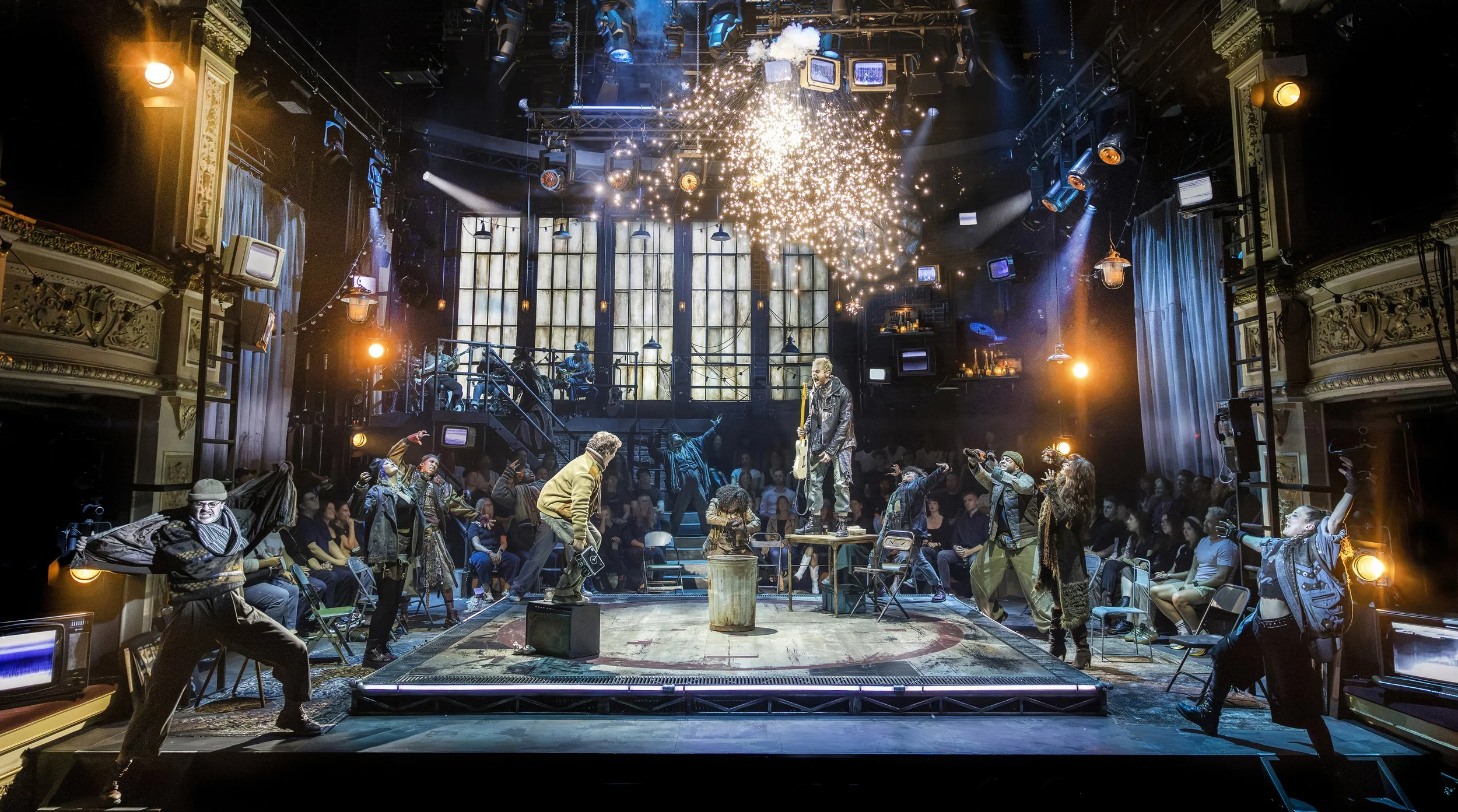
As you enter the theatre, it is clear that this is not your average play, almost split in two. The smaller stage acts as almost a concert space, somewhere other than the factory but somehow stills manages to be used throughout regardless. There’s a working class grit feel that almost engulfs the stage, as someone who wasn’t alive in the eighties, it's interesting to see how different forms of the arts and media present the decade to its audience and how it develops over time, acting almost as a new insight into the commonplace past. Jessica Worrall’s set has a lived-in feeling, the red curtains surrounding the stage acting as an almost safety curtain of sorts, protecting the girls from the outside world during the sit-in. It wasn’t until the end of the interval that I even noticed there was a disco ball hanging just above the stage, I would have liked to have seen it used a bit more, but can understand holding off on it until the climax of the piece, which definitely paid off. There was also a very smart use of props to show the passage of time, especially an extremely long scarf that marked the number of weeks since the sit-in began, which must have taken ages to make, so applause to the person who knitted it.
Stand & Deliver: The Lee Jeans Sit In, written by Frances Poet and directed by Jemima Levick, takes well-paid risks in putting a concert-style feel at its forefront, telling a story that could have been lost in the next decade or two without this piece, which puts a question at the forefront of the audience’s mind: should we be telling stories of those who came before us before they are lost for good?
★ ★ ★ ★ ★