Romeo and Juliet at the Harold Pinter Theatre Review
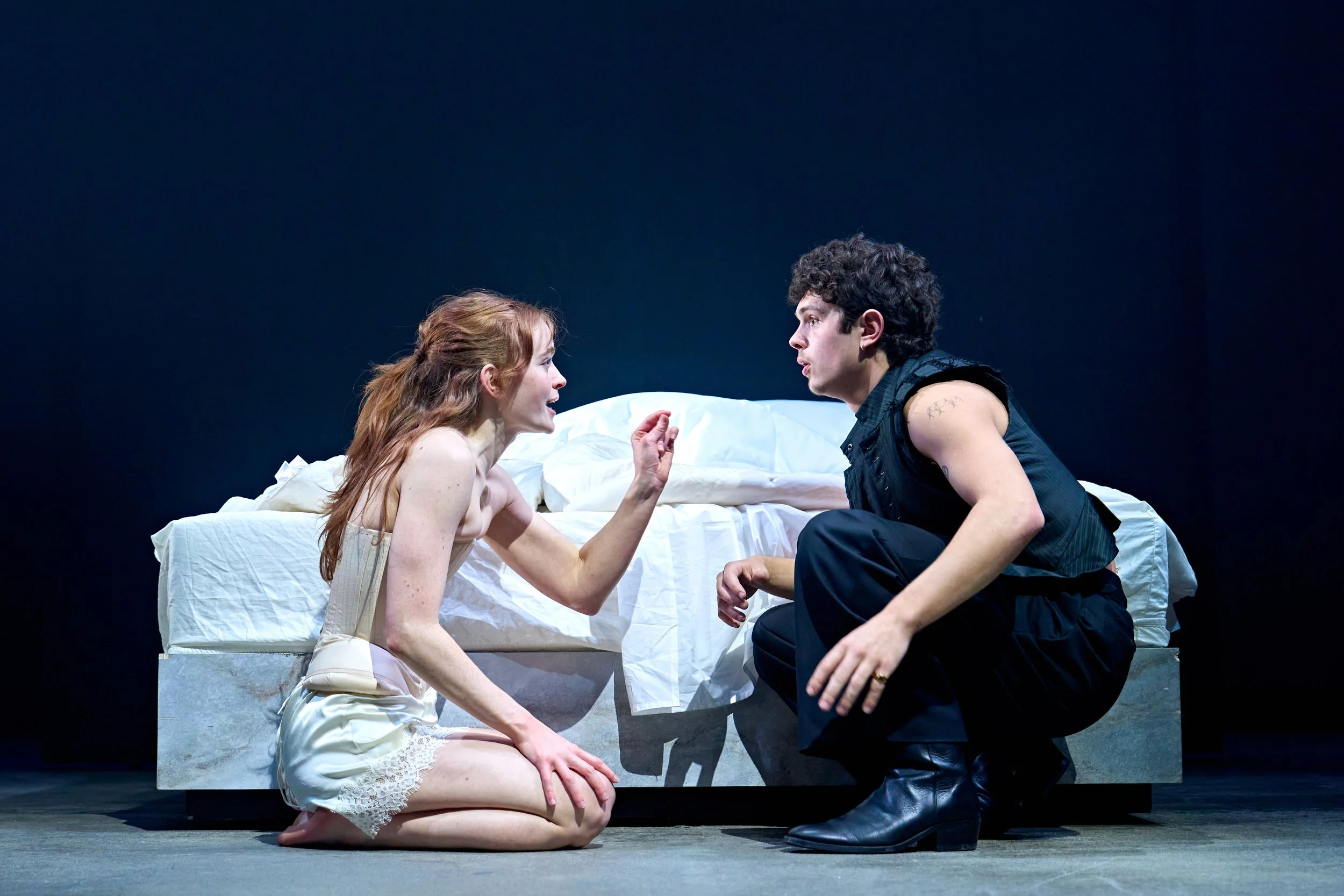
Sadie Sink & Noah Jupe in Romeo and Juliet. Photo by Manuel Harlan
Written by Annie for Theatre and Tonic
Disclaimer: Tickets were gifted in return for an honest review. All views are our own
Robert Icke returns to the West End, following his critically acclaimed production of Oedipus starring Mark Strong and Lesley Manville, to bring us another classic tragedy - this time turning to perhaps the most iconic playwright, Shakespeare - with a new adaptation of Romeo & Juliet.
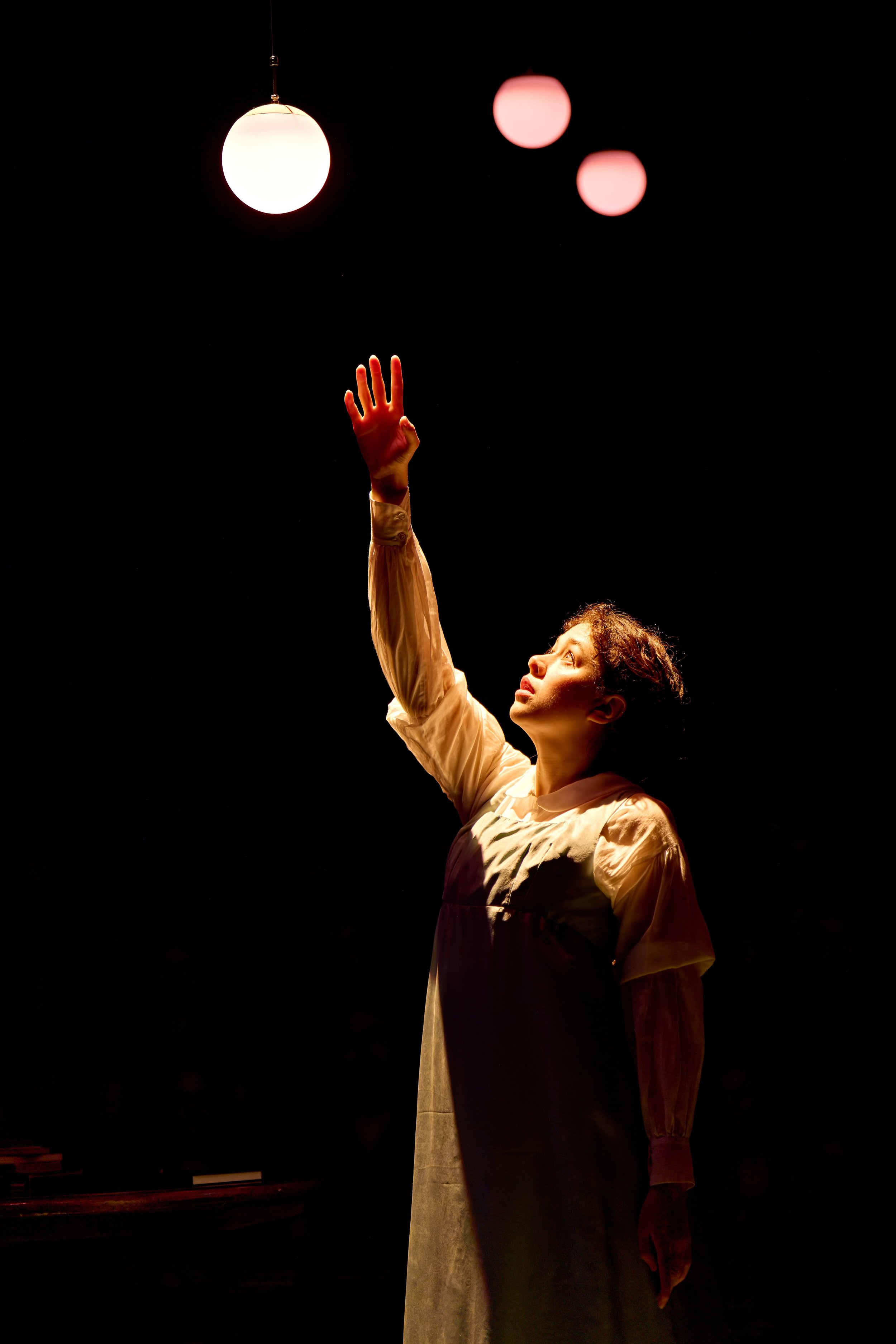
Icke is renowned for his contemporary takes on classic plays, but Romeo & Juliet was never a frontrunner for him, but working with Sadie Sink was high on the list - and thus this production was born. Sink’s talent is no secret, having previously starred in the hit John Proctor is the Villain on Broadway, as well as on screen in Stranger Things, and her Juliet is no exception to the rule. It is a phenomenal performance from start to finish, and Sink truly is a scene stealer throughout. Her understanding of the text, the character and the context is remarkable and brings a pure naivety to Juliet, which is a fresh take which heightens the tragedy of the damned lover. She performs with power, control and conviction and leaves the audience in awe of her portrayal.
It must be said that this production’s casting is perhaps the best I’ve seen for Romeo & Juliet. For starters, the star-crossed lovers are actually aged down, leaning into the teenage love story that Shakespeare wrote, which, for some reason, is ignored in modern interpretations. But actually, it gives a more raw and painful reaction to the story, as it really exemplifies the couple’s naivety and innocence throughout. Their speech feels more passionate, more childlike and more tragic as a result.
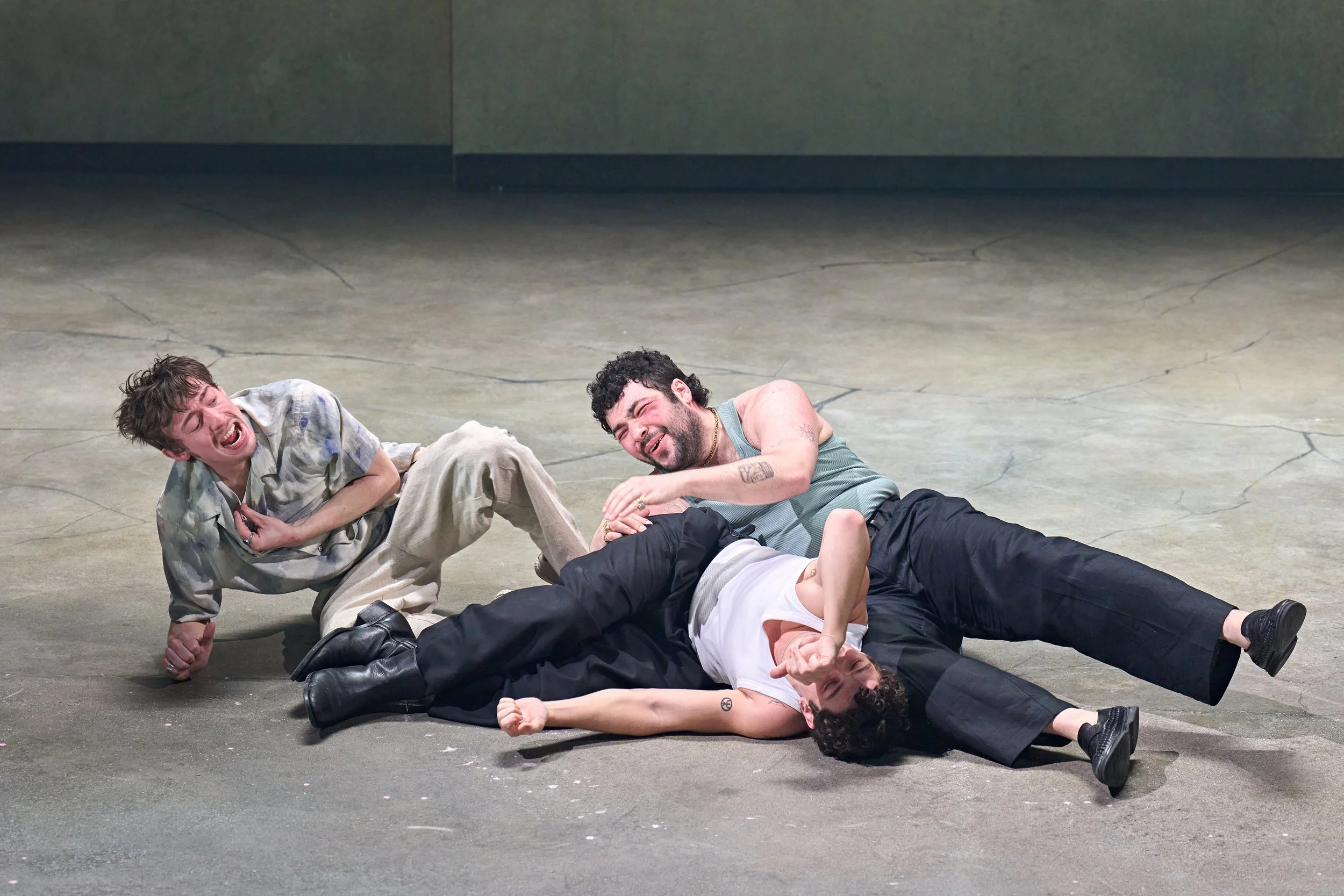
Countering Sink’s fiery and passionate Juliet is Noah Jupe’s Romeo - who is a charismatic and genuine boy, full of boyish charm. It’s a more reserved approach to the character but one that balances out their dynamic well, and makes Romeo’s eventual murder of Tybalt even more painful as it feels so out of character for him to have this fit of rage.
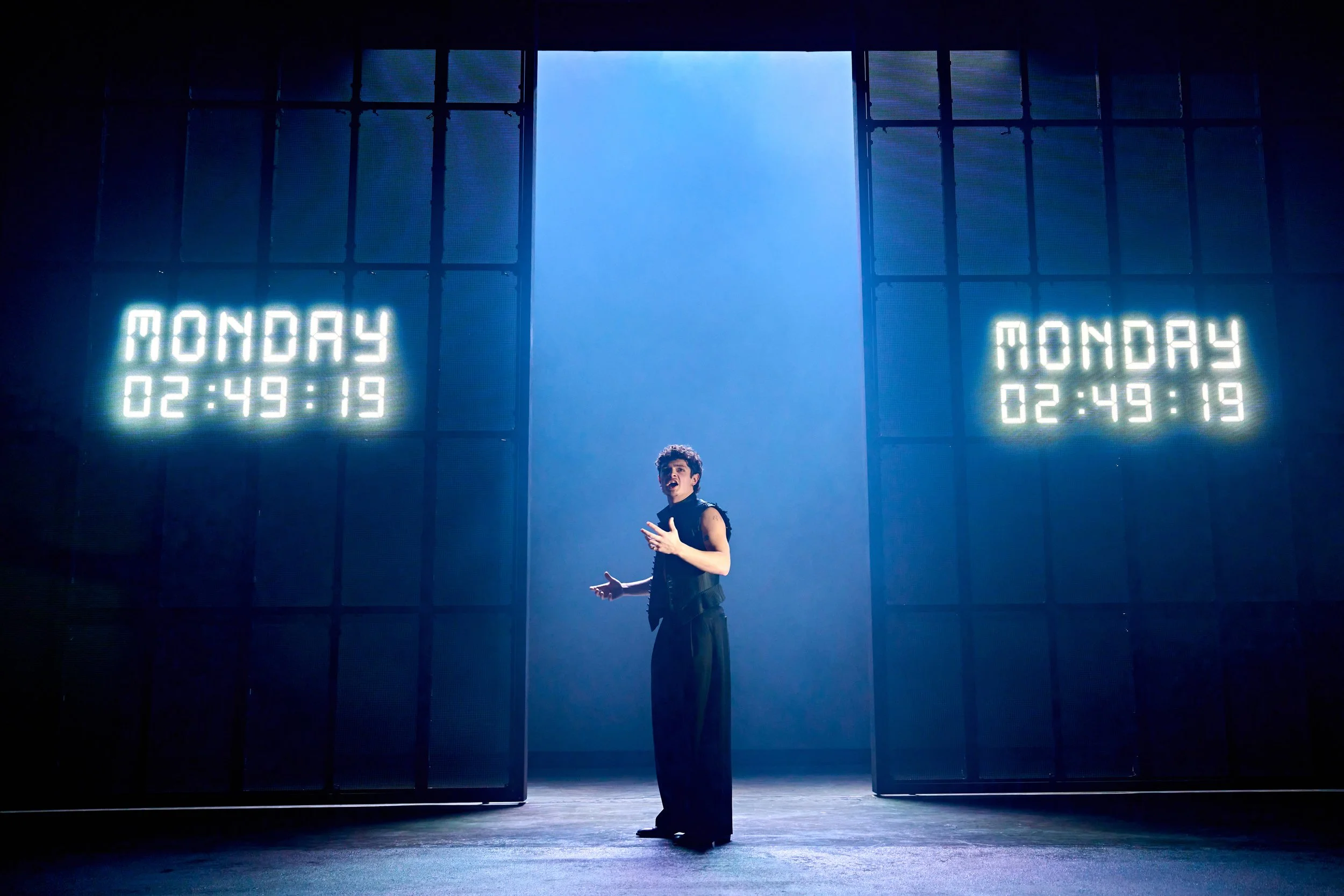
Icke’s focus on time throughout may seem an obvious take, with “hour” being so heavily used throughout the text, but one which few actually utilise to their advantage. Icke literally highlights the short time frame over which the story unfolds by the illumination of an alarm clock repeatedly appearing throughout the show, it heightens the rapidness of the characters’ decisions. Clark Gregg is an excellent Capulet Snr, quickly descending in a frenzied rage, in which his marrying off of Juliet to Paris feels rushed and without thought, challenged by Friar Laurence for its hasty turnaround of just short of two days.
It’s quite easy to forget that the whole play spans a mere 4-5 days in many productions, but Icke really ensures the timeframe is central to the story throughout, which not only keeps an excellent tempo, but also highlights the lack of rest or sleep that the characters get, and perhaps a trigger for so many irrational actions. Romeo & Juliet’s tragedy is all based on a number of unfortunate circumstances that if had not have happened, then the fatal ending could have been avoided.
Icke explores this with a “sliding doors” approach - brought to life by Hildegard Bechtler’s stripped back set, showing key pivotal moments of the story that could’ve prevented the ending. This is flashed into existence by blinding white lights before rewinding some 5 or so lines to repeat the scene with an alternative reaction, showing what could’ve been and then the result of the “door” this story takes. Jon Clark’s lighting is certainly not short of being bold and bright. Clark masterfully brings Icke’s vision to light. It’s an extremely interesting and original take, and one that you’d expect Icke to find - being renowned for finding unique interpretations of some of the most iconic plays. However, at times it feels as if the focus is more on this “what if” element, and detracts from the actual story and the original script’s impact.
Giles Thomas’ sound design adds a “movie score” feel to the production, with some intentionally chosen music, drawing focus back onto the impact of time. However, at times the background music seems much too loud and makes it quite difficult to hear some of the more softly spoken actors, which feels a shame given the magnificence of the script, that some of it is slightly lost.
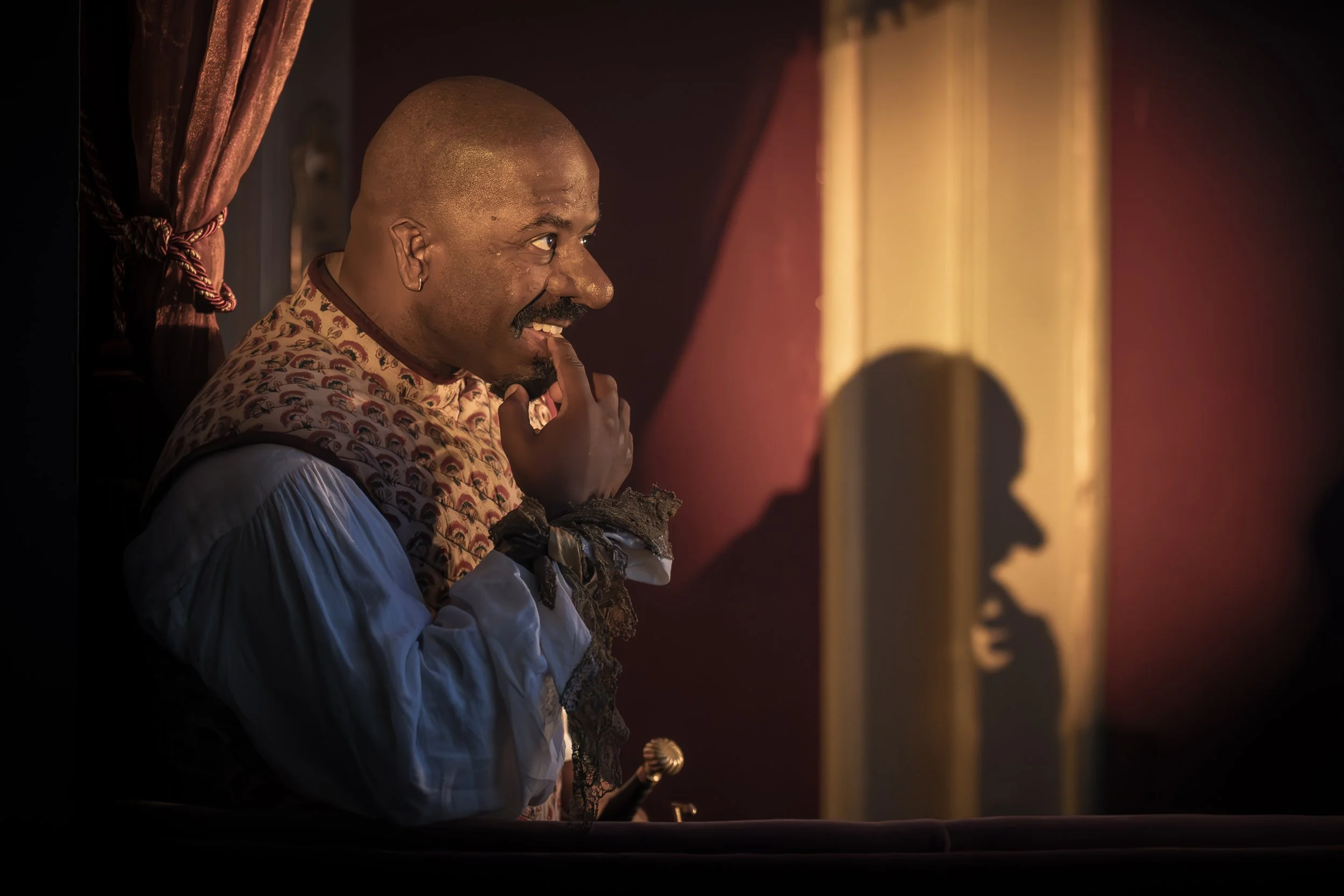
Icke celebrates the more secondary characters in his production, many of whom are typically cut from performances - such as the Capulet’s loyal servant Peter (Jamie Ankrah), as well as retaining lesser known monologues. A particular highlight is Kasper Hitlon-Hille’s cheeky Mercutio - playing a loveable rogue and benefits from some beautiful monologues which are performed with natural ability. Clarke Perkin’s portrayal of the nurse is a particular favourite - played with strength and care whilst offering comic relief at times, it offers a maternal figure for Juliet whilst highlighting her innocence.
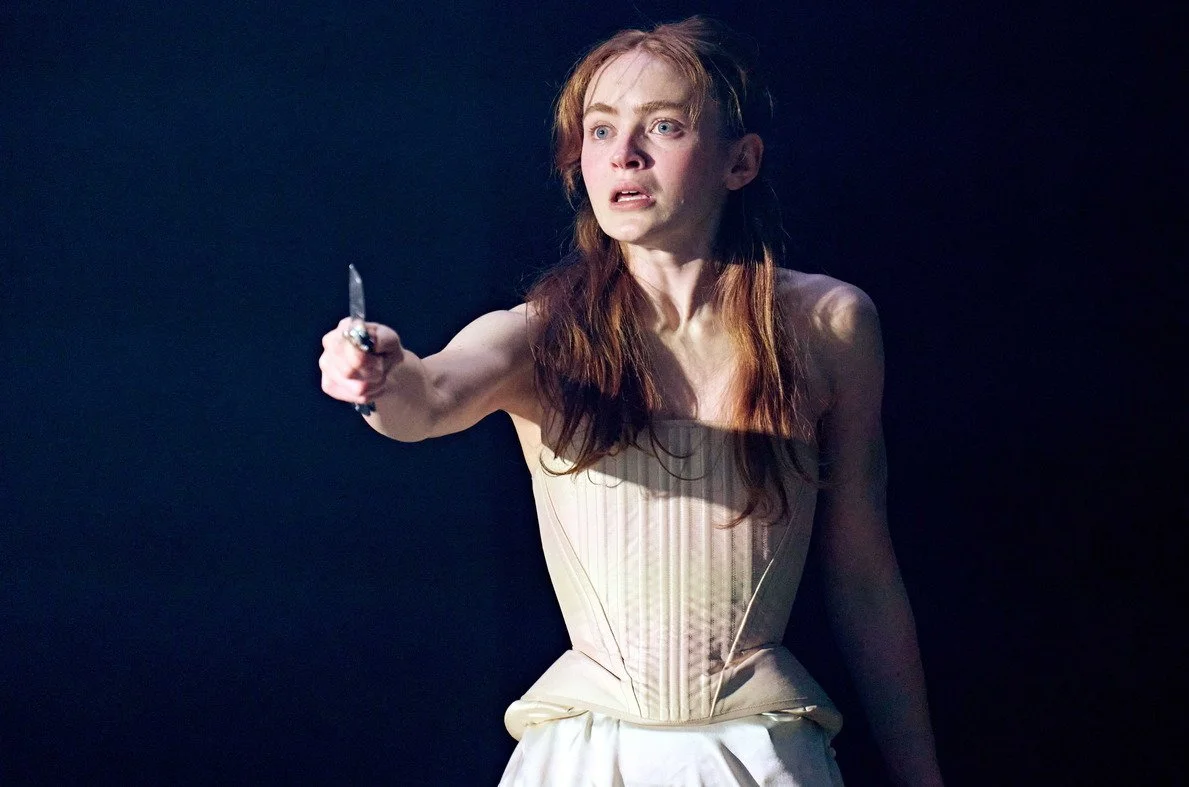
However, despite these celebrations of the smaller moments, the overall effect left me feeling slightly lacklustre and losing the impact of the bigger picture. You struggle to feel the rivalry of the Capulets and Montagues, the revelation of Friar Laurance finding out his letter did not reach Romeo feels rushed, and the final death scene lacked anguish. Icke finishes the play with a film-esque dream sequence, in which Juliet has visions of what her life with Romeo could have been if he had not taken his life at her innocent trick, which although is beautifully directed, means the final moment of Juliet’s death lacks the fatal emotion you’d expect. It feels at times that Icke’s interpretation is prioritised over Shakespeare’s text and although it is an excellent study, it does diminish the effect of the script and with it the emotion.
Overall, Icke has created an extremely impressive and contemporary revival of Shakespeare’s tragic love story. Although it may not be the most traditional, it offers some new viewpoints of the show, which is extremely difficult for a play that has had more retellings than anyone could count. Although it may lose some of the original’s impact it is overall an impressive piece of theatre, not least to the impeccable cast and their performances. It perhaps doesn’t quite hit the mark in the way it hopes, but nonetheless is an enjoyable evening of theatre.
Plays until 20 June.
★★★★