The Constant Wife, UK Tour Review (2026)
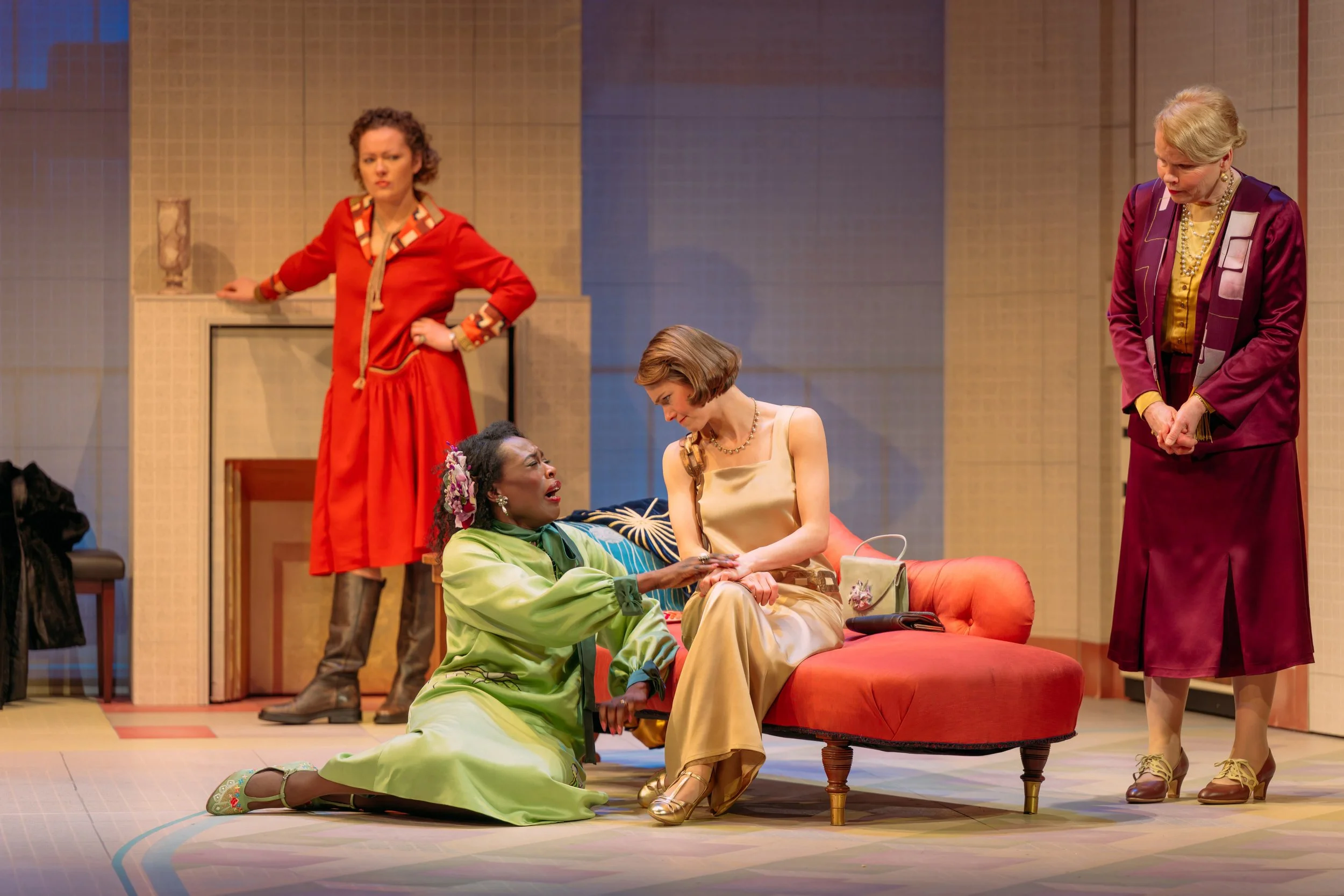
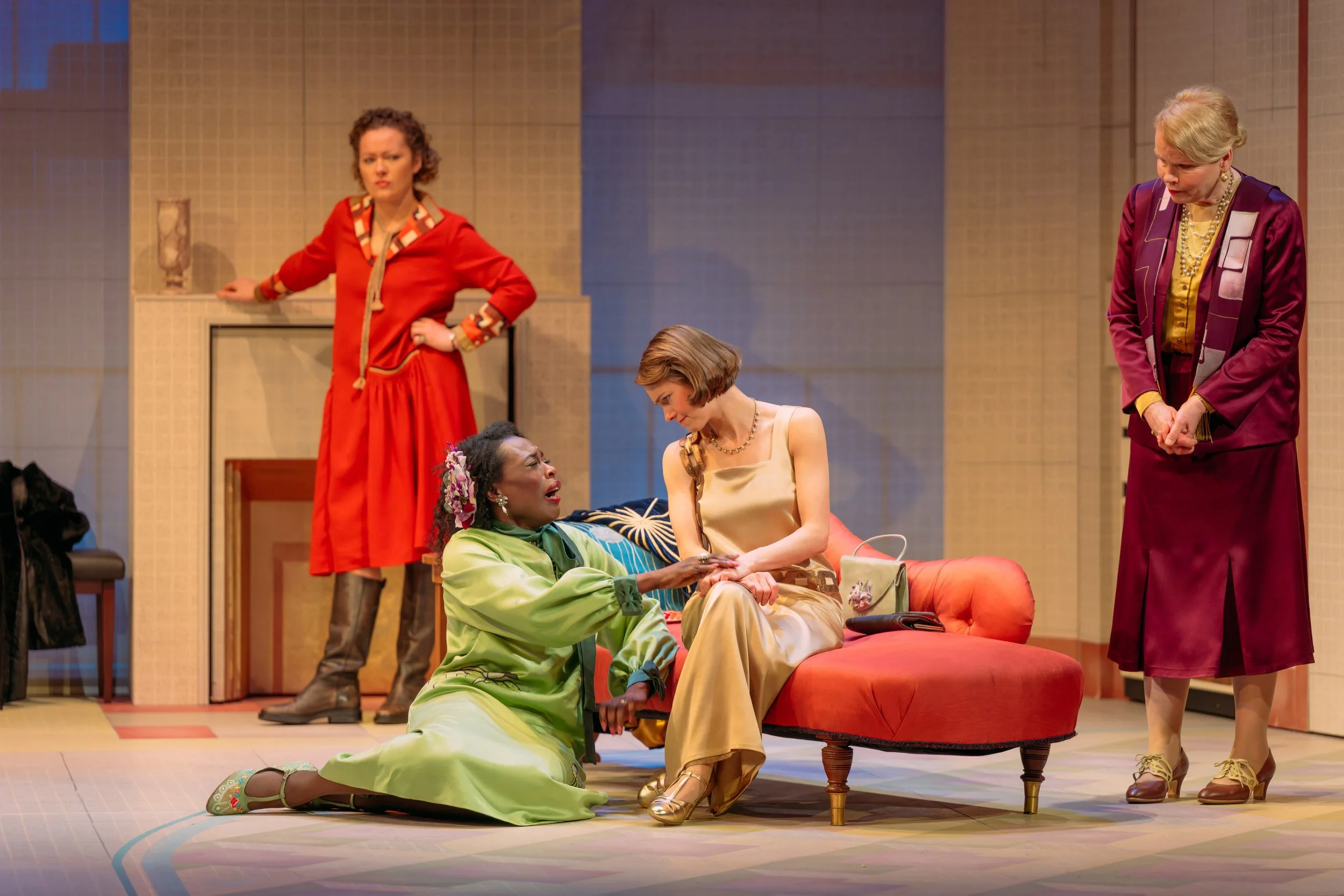
The Constant Wife. Photo by Mihaela Bodlovic
Written by Philip for Theatre & Tonic
Disclaimer: Gifted tickets in exchange for an honest review
Laura Wade’s adaptation of W. Somerset Maugham’s century-old comedy The Constant Wife continues its UK tour at Richmond Theatre, following its debut as part of the RSC season last year.
Reviving a play written over 100 years ago is no small feat; preserving its wit while ensuring its relevance for contemporary audiences requires both care and imagination. Wade achieves this with remarkable assurance. The themes of love and lust, betrayal and forgiveness, and the shifting power dynamics within marriage resonate just as strongly today as they did when the play was first penned.
Set in the years just after the First World War, the action unfolds in a beautifully appointed drawing room, where Constance Middleton is very much the subject of conversation. Her mother and sister deliberate over whether to inform her that her husband, John, is having an affair with her best friend, Marie-Louise. What they do not realise is that Constance has known for some time. Rather than confront the scandal, she chooses to keep her counsel, quietly manoeuvring the situation to secure her own financial and personal independence. Wade’s adaptation thoughtfully reshapes certain plot points, sharpening the focus on gender politics and the structural inequalities embedded within marriage.
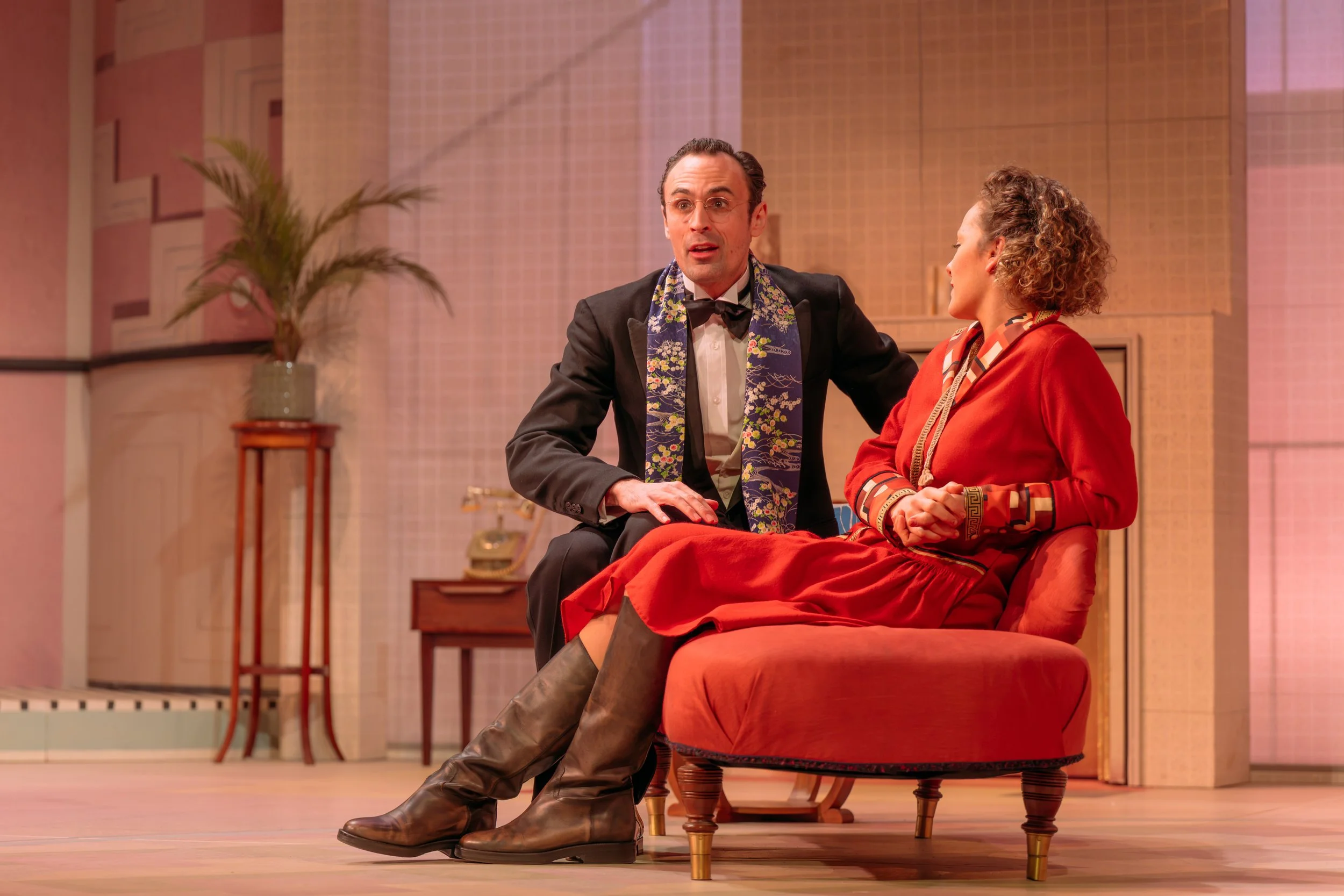
With feminism at the heart of the piece, it is thrilling to see such a formidable ensemble of female characters brought vividly to life. Kara Tointon delivers a superb central performance as Constance — witty, composed and effortlessly charming. Yet beneath her polished exterior lies a current of vulnerability. In her quieter, solitary moments, Tointon reveals the character’s inner conflict with striking subtlety and nuance.
Sara Crowe and Amy Vicary-Smith provide a compelling contrast as Constance’s mother, Mrs Culver, and her sister, Marta. They are delightfully at odds — a living embodiment of tradition versus modernity. Crowe’s Mrs Culver is steeped in old-fashioned sensibility, believing that a woman’s duty is to endure and not disturb the status quo. Crowe plays her with restrained resignation and a dry wit that earns frequent laughs, and it is satisfying to see her rigidity soften as events unfold.
In contrast, Vicary-Smith’s Marta is a blazing force of progressivism — bold, articulate, and unwilling to accept double standards. She believes a woman should give as good as she gets and live life entirely on her own terms. Vicary-Smith imbues her with bite and vitality, frequently skewering the ineptitude of the men around her. She is instantly likeable and commands the audience’s allegiance from her first line.
Gloria Onitiri relishes the melodrama of Marie-Louise Durham, moving fluidly between ingénue and seductress. Her performance is gloriously theatrical — knowingly exaggerated yet sharply comic. Onitiri commits wholeheartedly, both physically and emotionally, delivering a performance that is as bold as it is entertaining.
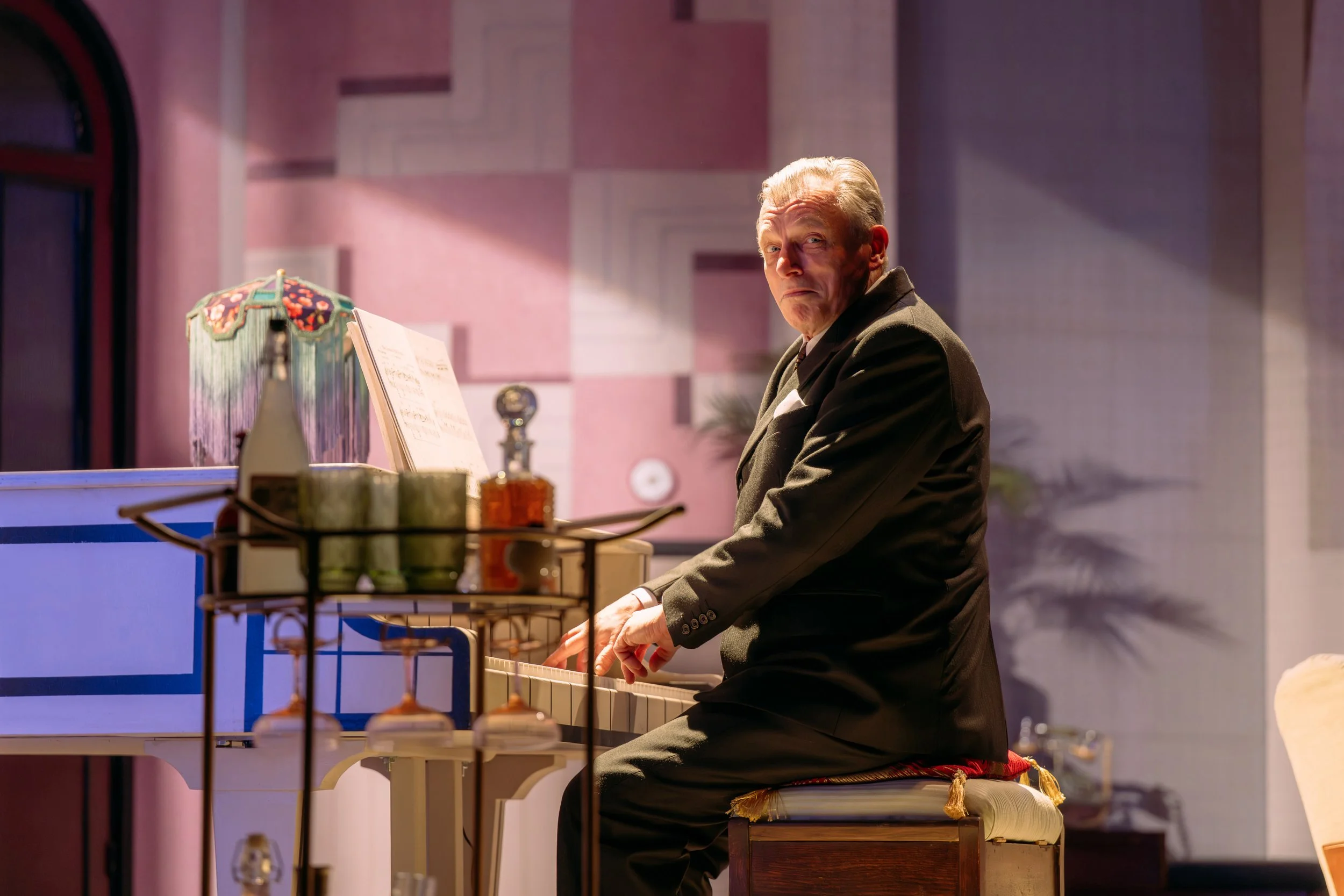
By contrast, the male characters are afforded less dramatic weight, though each is skilfully drawn. Alex Mugnaioni is warm and gently understated as Bernard Kersal, while Philip Rham’s Bentley is far more than a traditional butler; he serves as Constance’s confidant and quiet ally, played with endearing sensitivity.
Tim Delap’s John Middleton is perhaps the most significant male presence — pompous, self-assured, and brimming with complacent entitlement. Though fond of his wife, his inflated sense of self-importance is unmistakable. Delap inhabits this vanity convincingly, and it is particularly satisfying to watch his assured superiority gradually unravel as he confronts the consequences of his actions.
Tamara Harvey’s direction ensures a brisk, buoyant pace, never allowing the energy to falter. Yet she is wise enough to carve out moments of stillness, granting Constance the space to reflect and simply exist beyond the scrutiny of others. Complementing the production beautifully are Jamie Cullum’s jazz interludes, which feel both timeless and unexpectedly apt. Anna Fleischle’s set and costume design exude elegance and grandeur, with a cleverly adaptable set that subtly marks the passage of time.
Overall, this is an exceptionally classy production — intelligent, cohesive and impeccably executed. Wade’s adaptation honours the original while breathing fresh urgency into its themes. The Constant Wife emerges not merely revived, but revitalised: sharp, relevant and ultimately triumphant.
The Constant Wife plays at Richmond Theatre until 14th February 2026 before continuing its UK Tour.
★★★★