The Fastest Clock in the Universe by Cellar Door Theatre Company Review

Written by Philip for Theatre and Tonic
Philip Ridley's The Fastest Clock in the Universe remains a strange and unsettling piece of theatre more than thirty years after its premiere. First staged in 1992, its themes of vanity, ageing and self-delusion feel surprisingly relevant in an era dominated by curated identities and image obsession. Cellar Door Theatre Company's revival at the New Wimbledon Theatre Studio embraces the play's eccentricity, delivering an evening that is engaging, often darkly funny, and occasionally frustrating.
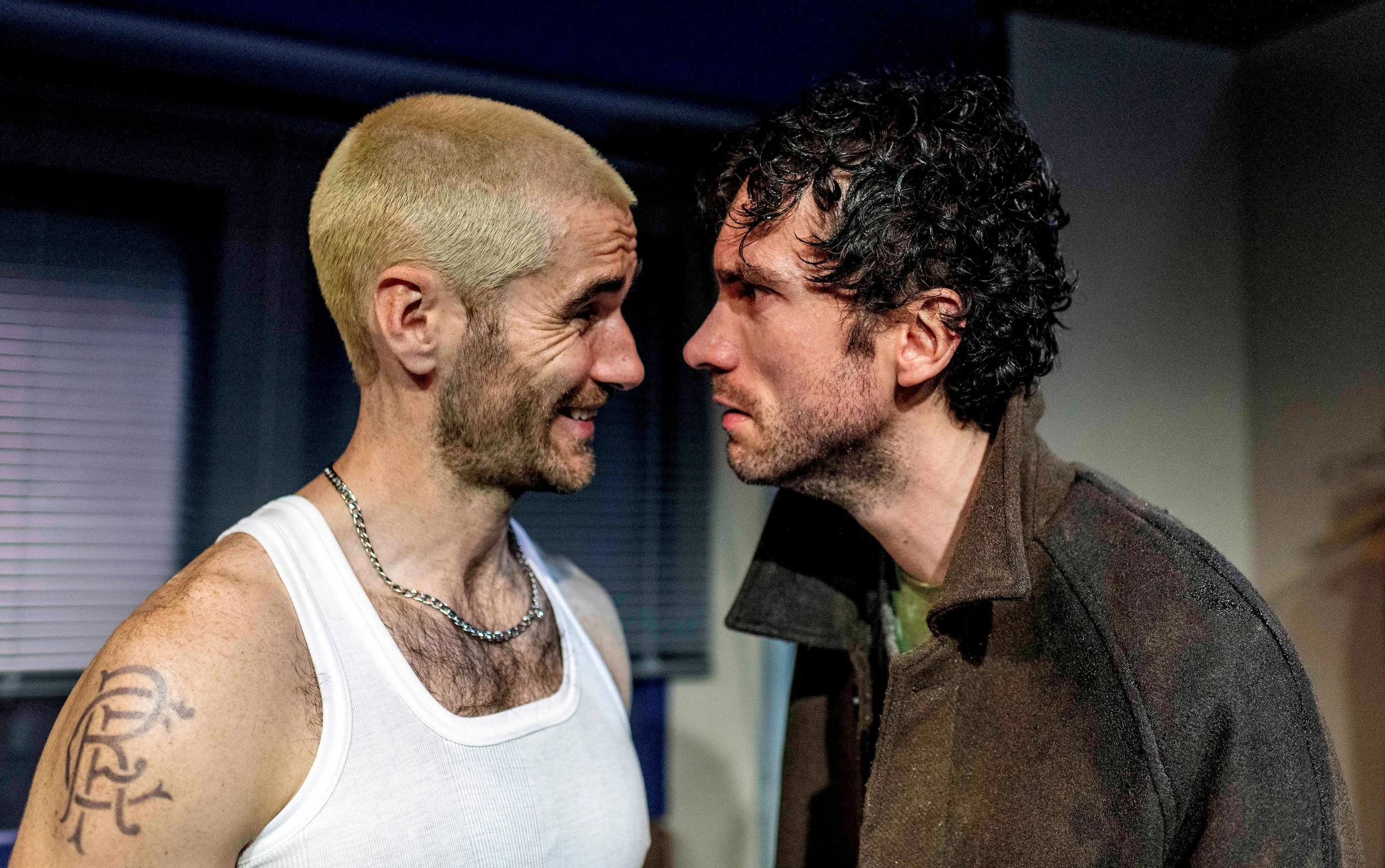
Set in a cramped East London flat, the play centres on Cougar Glass (Frederick Russell), a man determined to celebrate his nineteenth birthday indefinitely. His fantasy is supported by Captain Tock (Brian Aris), an antique dealer whose devotion to Cougar borders on tragic. As preparations for a small birthday gathering unfold, unexpected arrivals expose uncomfortable truths and send the evening spiralling into increasingly chaotic territory.
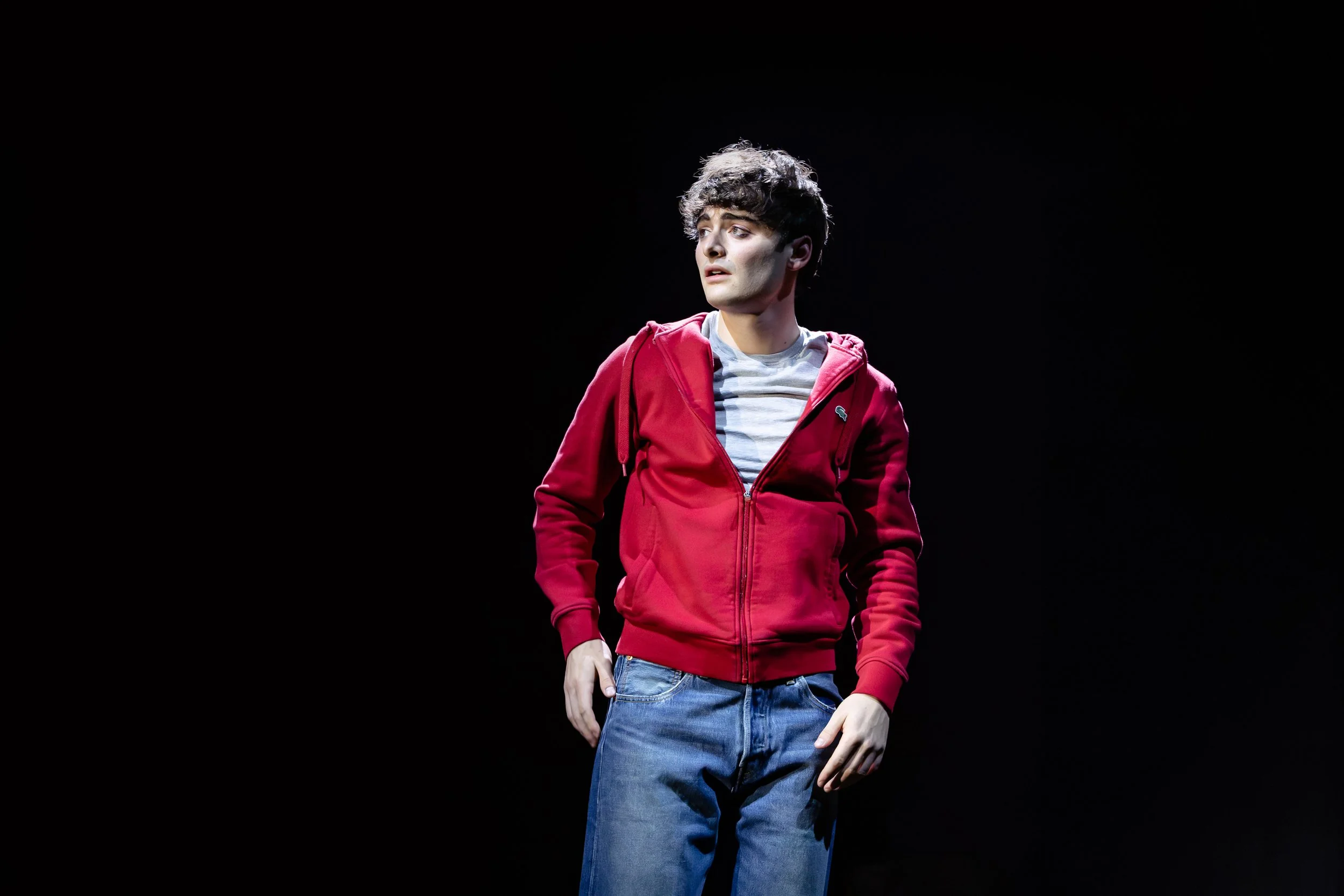
Russell commits fully to Cougar's narcissism and volatility, creating a character who is as fascinating as he is difficult to like. Beneath the bravado are glimpses of genuine vulnerability, revealing a man desperately trying to outrun the passage of time. The production frequently operates at a heightened emotional pitch, which suits Ridley's surreal world, though there are moments where a little more restraint might have allowed Cougar's quieter anxieties to land with greater impact.
Brian Aris brings warmth and melancholy to Captain Tock, grounding much of the production's chaos. His portrayal captures the sadness of a man trapped by emotional dependency, and the dynamic between Tock and Cougar becomes increasingly uncomfortable as the evening progresses.
Karen Holley is particularly effective as Cheetah Bee, the ageing landlady who offers fleeting moments of humanity amidst the dysfunction. Her repeated reassurance to Cougar gradually takes on a deeper significance, and her final monologue is delivered with genuine emotional weight. It provides one of the production's most affecting moments.
The second half receives a welcome injection of energy from Naomi Preston-Low's Sherbet Gravel, whose sharp comic timing and commanding stage presence immediately shift the atmosphere. Kim Whatmore also impresses as Foxtrot Darling, bringing a youthful innocence that contrasts strongly with the increasingly fractured world around him.
Visually, the production is strong. The set makes excellent use of the intimate Studio space, creating a believable and claustrophobic environment that draws the audience directly into the characters' lives. The costumes are equally effective, helping to establish each character while complementing the play's heightened reality.
Director Brittany Rex embraces Ridley's bizarre and often grotesque vision with confidence. The production rarely lacks momentum, and the intimate venue amplifies the sense of discomfort that runs throughout the play. At times, however, the consistently high intensity leaves little room for quieter moments to breathe. Greater variation in pace and tone might have made some of the evening's more dramatic developments feel even more impactful.
This is particularly noticeable during the final sequence. Ridley's writing has always balanced absurdity with violence, and the production commits wholeheartedly to that escalation. However, the climactic scenes feel somewhat less polished than what comes before, preventing the ending from achieving its full dramatic potential.
Even so, there is much to admire in this revival. The performances are committed, the design work is impressive, and Ridley's themes remain strikingly relevant. While the production does not always find the perfect balance between chaos and control, it remains a thought-provoking and engaging evening of theatre.
The Fatest Clock in the Universe plays at New Wimbledon Theatre from 6-9 May 2026.
★★★