The Silence That Follows at Hope Theatre Review
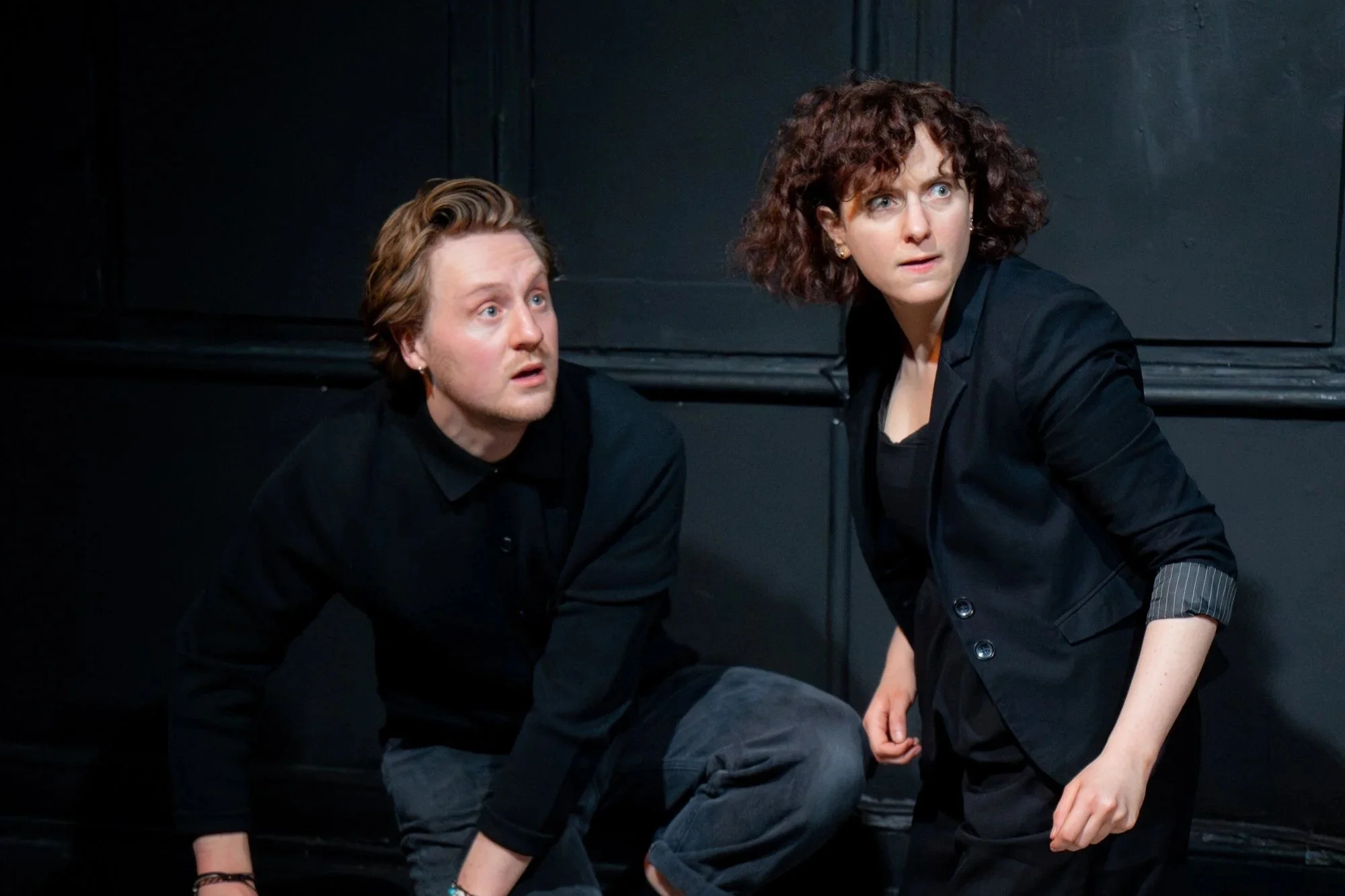
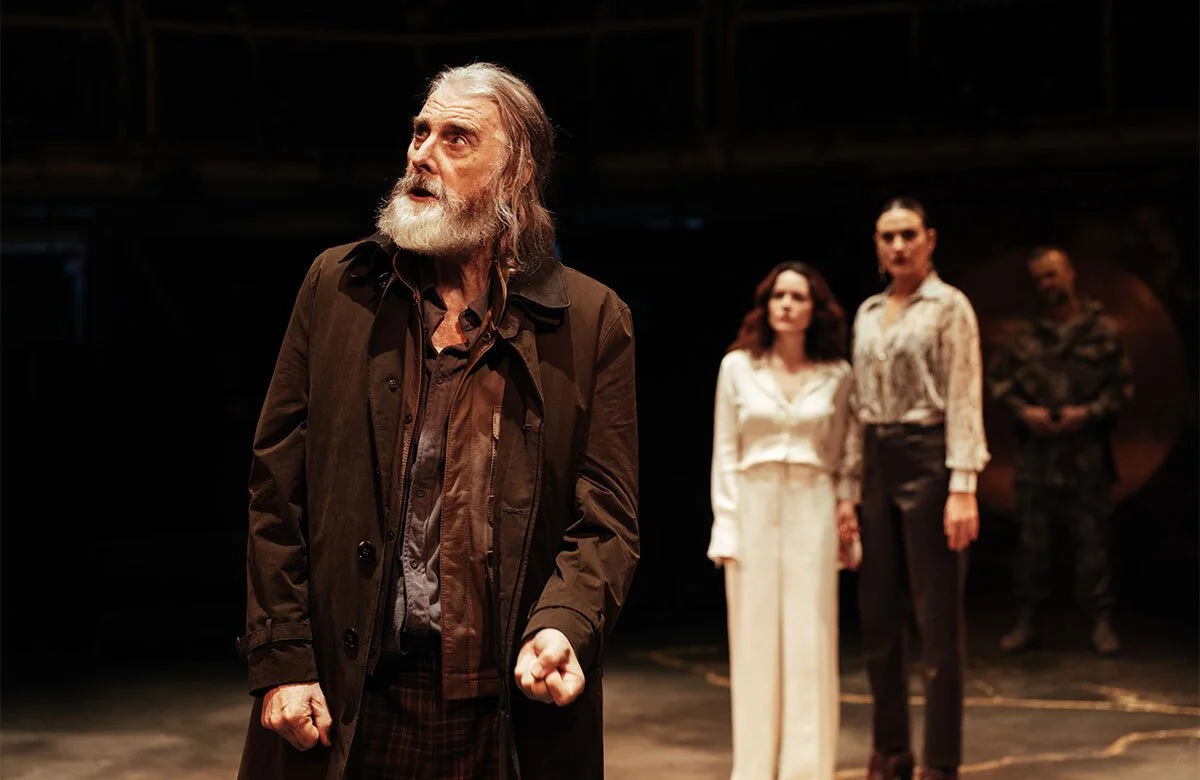
Photo by Miranda Mazzarella
Written by Eloise for Theatre & Tonic
Disclaimer: Gifted tickets in exchange for an honest review
Content warnings: references to mental health, including anxiety and suicide. Flashing and strobing lights.
An experimental, unique, and captivating play following two orchestral musicians through wonder, guilt, and co-dependency. When Ophélie (Marie Castel) and Harry (Oliver Maynard) discover they can summon a wondrous, voiceless man when playing music together, the two are irrevocably bonded. However, a member of the orchestra threatens this ecstasy by being a subpar musician - when she plays, the man doesn’t appear. Though it is unclear what the man represents, Ophélie’s and Harry’s connection and dependency to the man (Rufus Hunt) is clear. They realise they must oust the other musician from the orchestra though whatever means necessary in order to protect their mystical discovery.
As strange as this play sounds, it is very much rooted in true emotion. Castel (who is also the playwright) and Maynard carry the dialogue with such intensity and drive that it never feels over academic, which is the risk when talking about Tchaikovsky! By rooting the play in a universal truthfulness, searching for connection with, and within, another person, the audience doesn’t need to understand the nuances of classical music or conservatoire training to get this play. There is a wonderful pace, directed by Anna Clart, which is separated by slower moments of beautiful moments of movement (devised by the company) performed by Rufus Hunt and Anita Brokmeier. Zombie like and haunting, their physical work is a lovely contrast to the intensity of the dialogue. I would have liked to have seen these physical moments pushed slightly further to compliment the terror felt by Ophélie and Harry – especially as we get to the climax of the piece.
Maynard did a great job at portraying the popular, tortured genius who isn’t living up to his full potential – it feels like this role is written for him. Complimented perfectly by Castel who plays the innocent, timid, and anxious counterpart to the pair. Their chemistry is palpable and their shared wonder is delicious to watch.
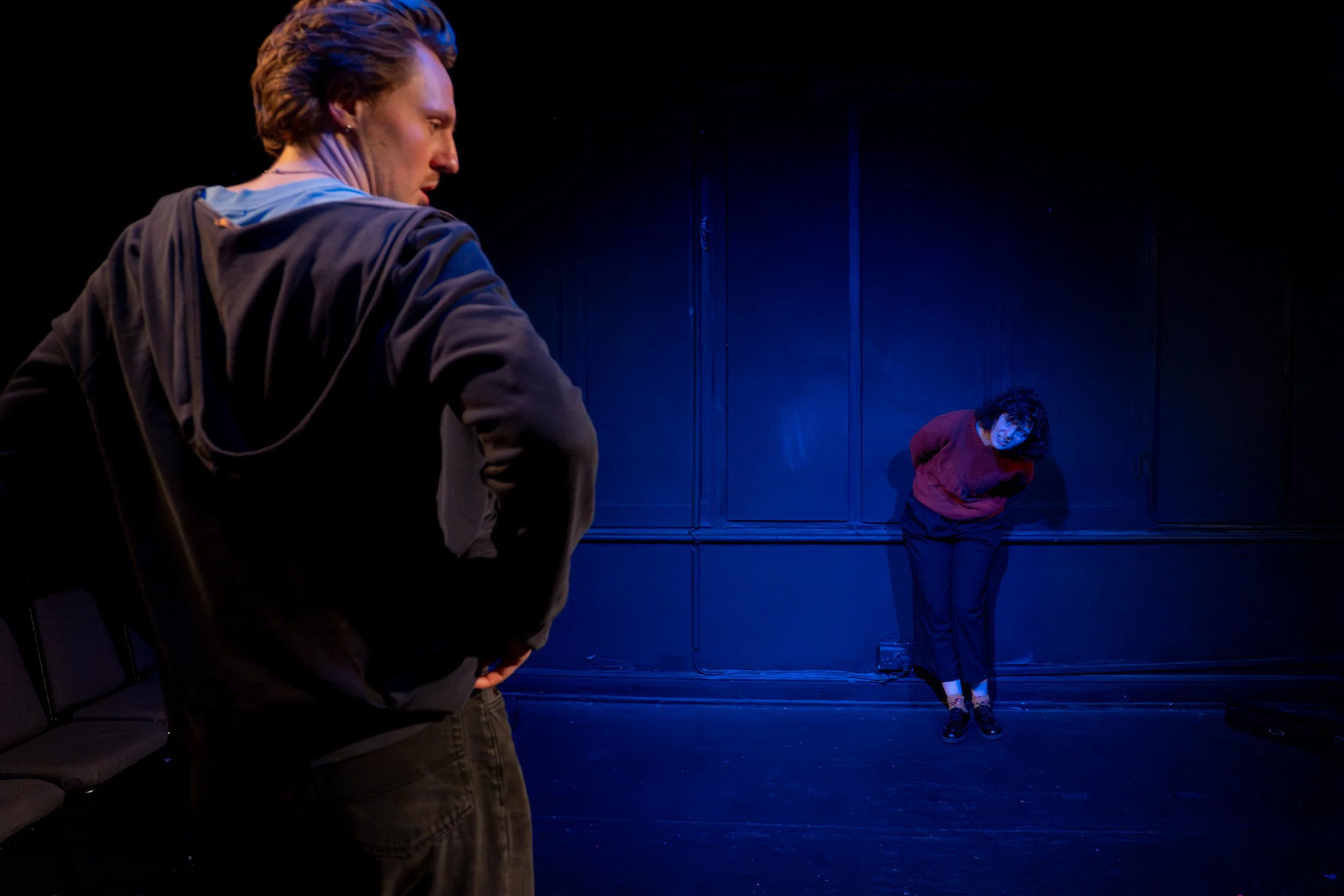
The Hope Theatre is a difficult space, being a thrust configuration with no raked seating. However, the actors did well to play to the space, and the tech complimented this - never missing a cue. The show was well designed and worked very well with its minimal props and no set pieces – the violin cases with the lights was a personal favourite – perfectly setting the mood.
The play is essentially an elaborate look at the guilt of bullying - and in itself explores so many themes that its identity is slightly blurred. The marketing for the play mirrors this with a page long description which gave away the main plot points. Depending on the audience member, you can take many things away from this play – reading it as an exploration of sexuality, guilt, addiction, competition, fantasy, mental health, or something else entirely. Maybe that is the appeal of The Silence That Follows? However you look at it, the play is extremely original, watchable, and is a refreshing addition to the fringe theatre scene.
Though some moments of the play need developing to be made clearer, and the themes could do with streamlining - this is a really unique and exciting piece of theatre. I’m looking forward to seeing where the story goes, especially in another venue which may allow the physical moments to be bolder and slightly riskier…
The Silence That Follows was playing at The Hope Theatre in London on the 23rd and 24th January 2026.
★★★★