Glitch: The True Story of The Post Office Scandal, UK Tour (2026) Review
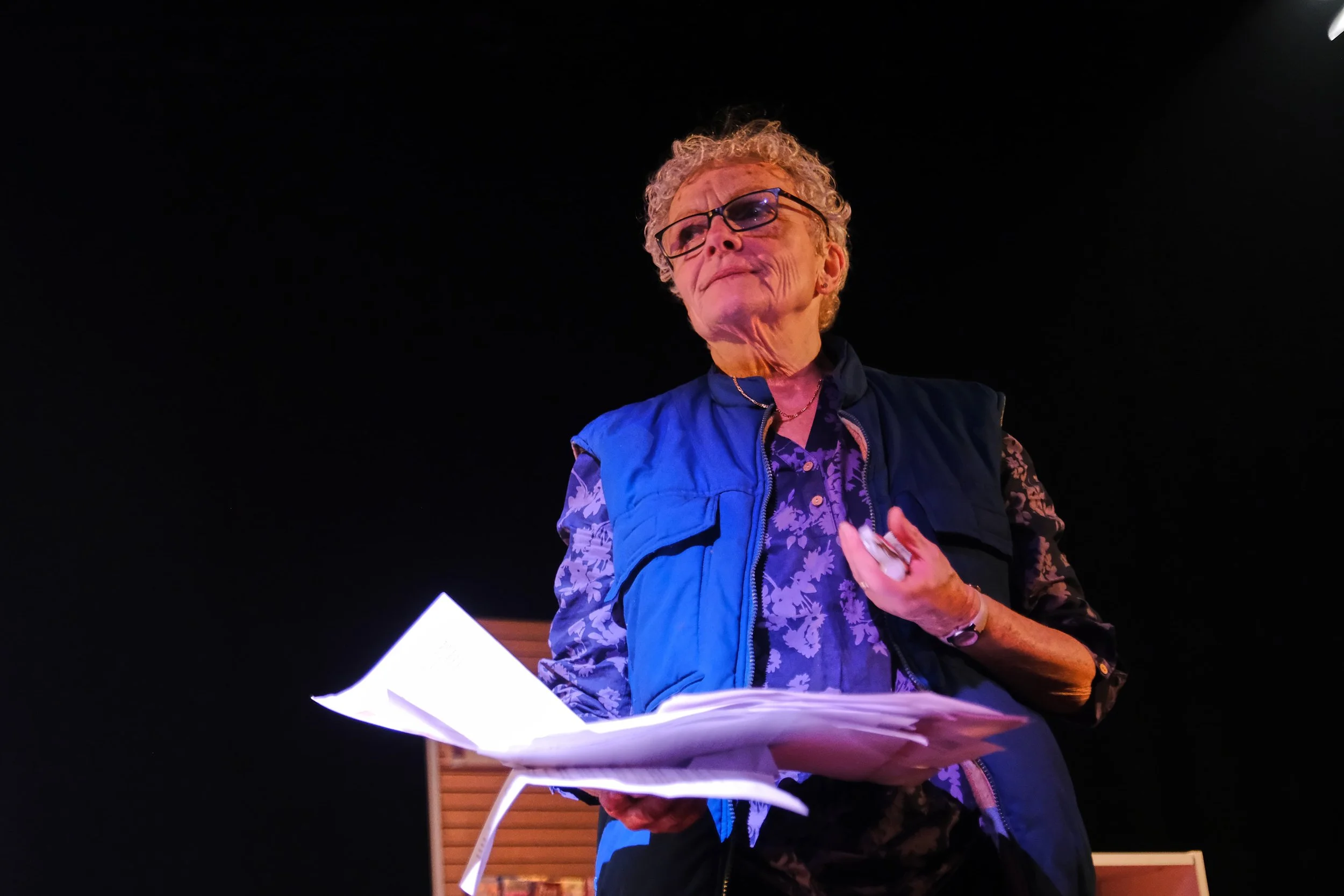
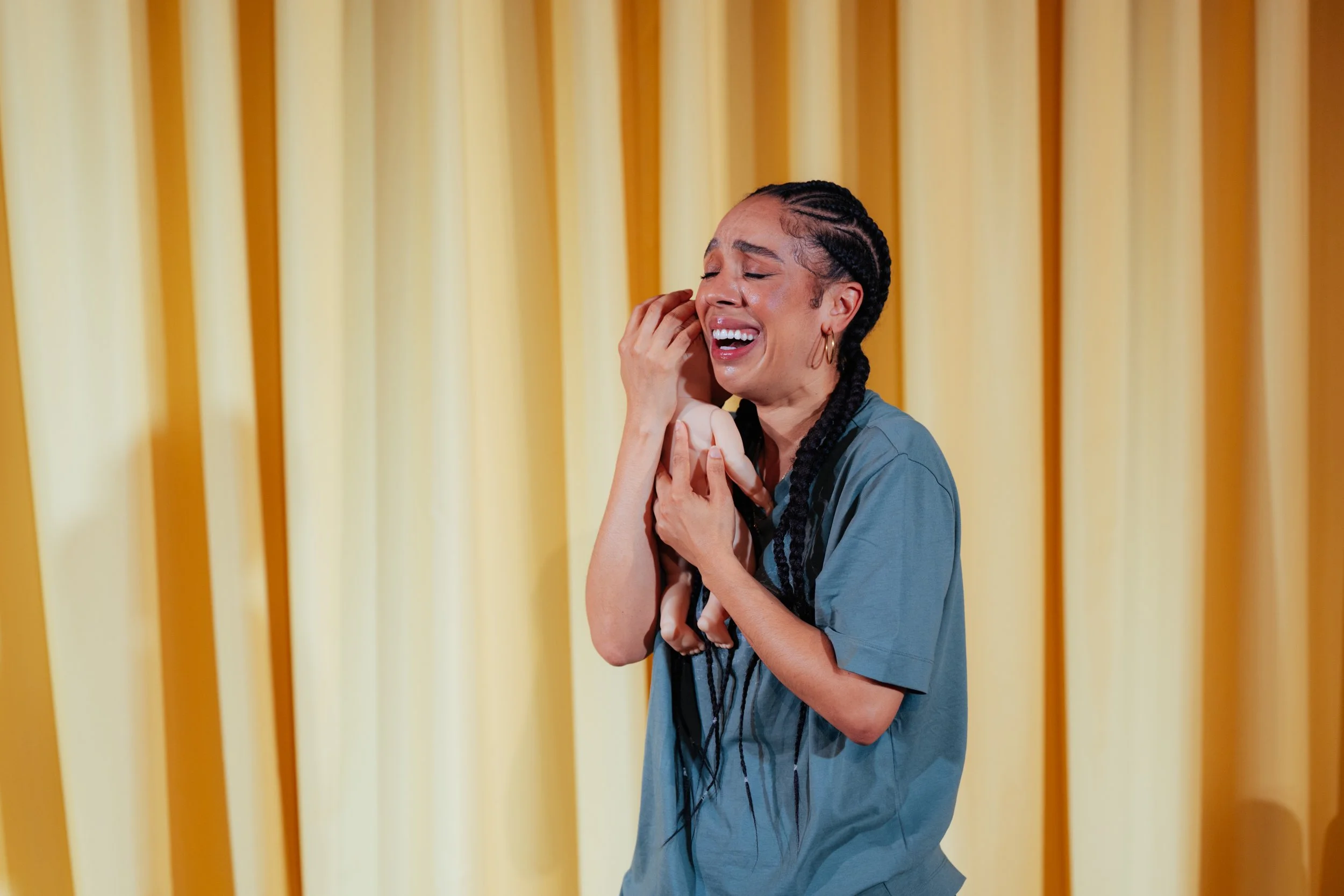
Production image by Tony Bartholomew
Written by Kirsty for Theatre and Tonic
Disclaimer: Gifted tickets in exchange for an honest review
Caution: This show contains scenes and dialogue referencing suicide, self-harm and domestic violence. It also contains strobe lighting.
As the jingle of the bell at the door rings at the Post Office in Barkham, postmaster Pam Stubbs experiences another glitch on her computer. Once again, she phones the Horizon helpline to see who can help her with her technical issue as the numbers literally double before her eyes.
In 2024, the Post Office Scandal became headline news as Toby Jones played Alan Bates in the critically acclaimed ITV drama ‘Mr Bates vs the Post Office.’ Since then, everyone in the United Kingdom has become invested in what happened when a ‘glitch in the system’ affected over 500 postmasters’ careers and livelihoods across a period of several years.
In this insightful, emotive, and informative production, Rabble Theatre brings this true story to the stage, where the lives of several of the postmasters are explored.
Joanne Howarth plays Pam Stubbs, the protagonist in the show, and she sarcastically as well as truthfully portrays her character’s point of view. At Barkham Post Office, Pam is literally ‘crying out loud’ as she finds the process of repeatedly ringing the helpline and not getting any answers, incredibly frustrating.
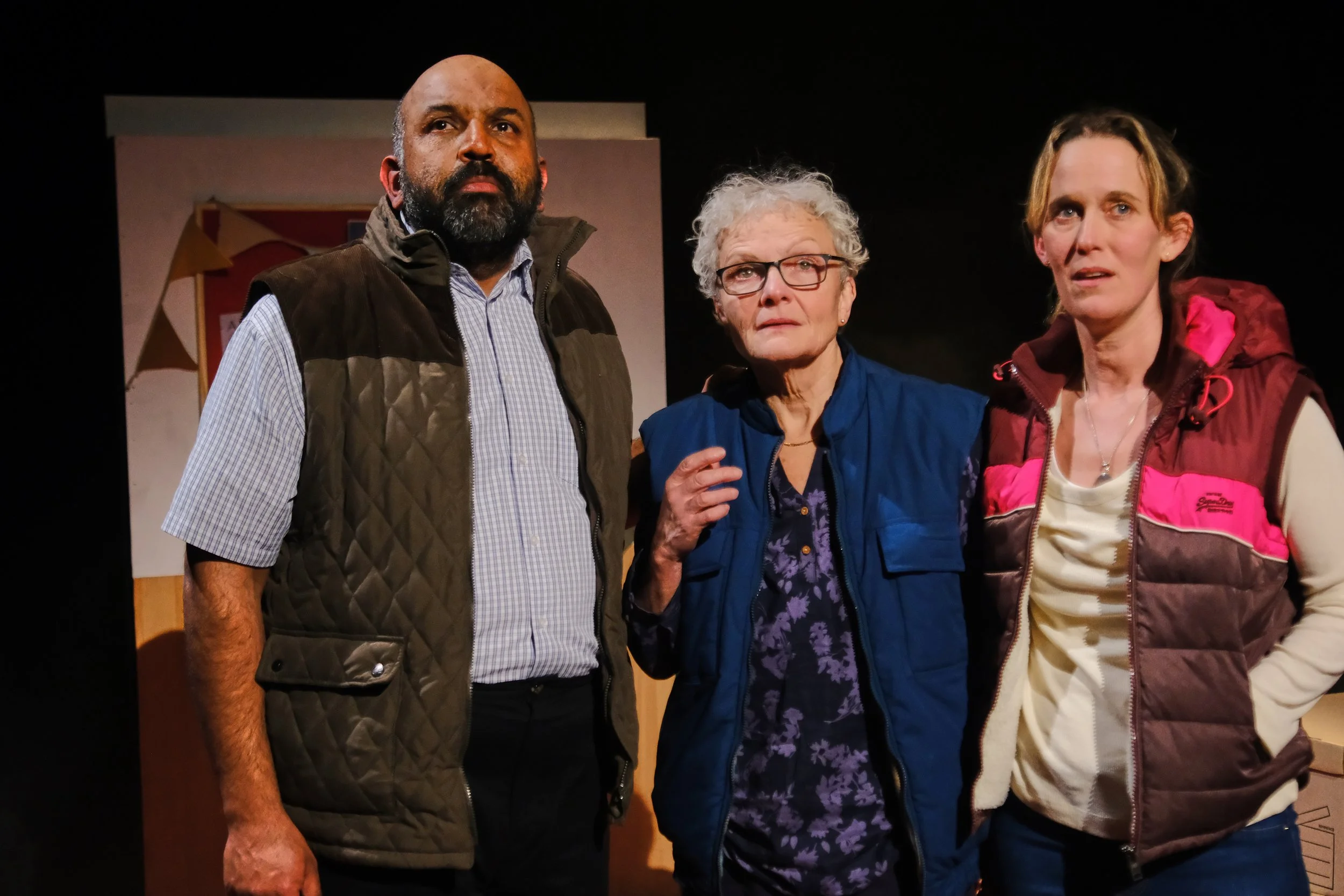
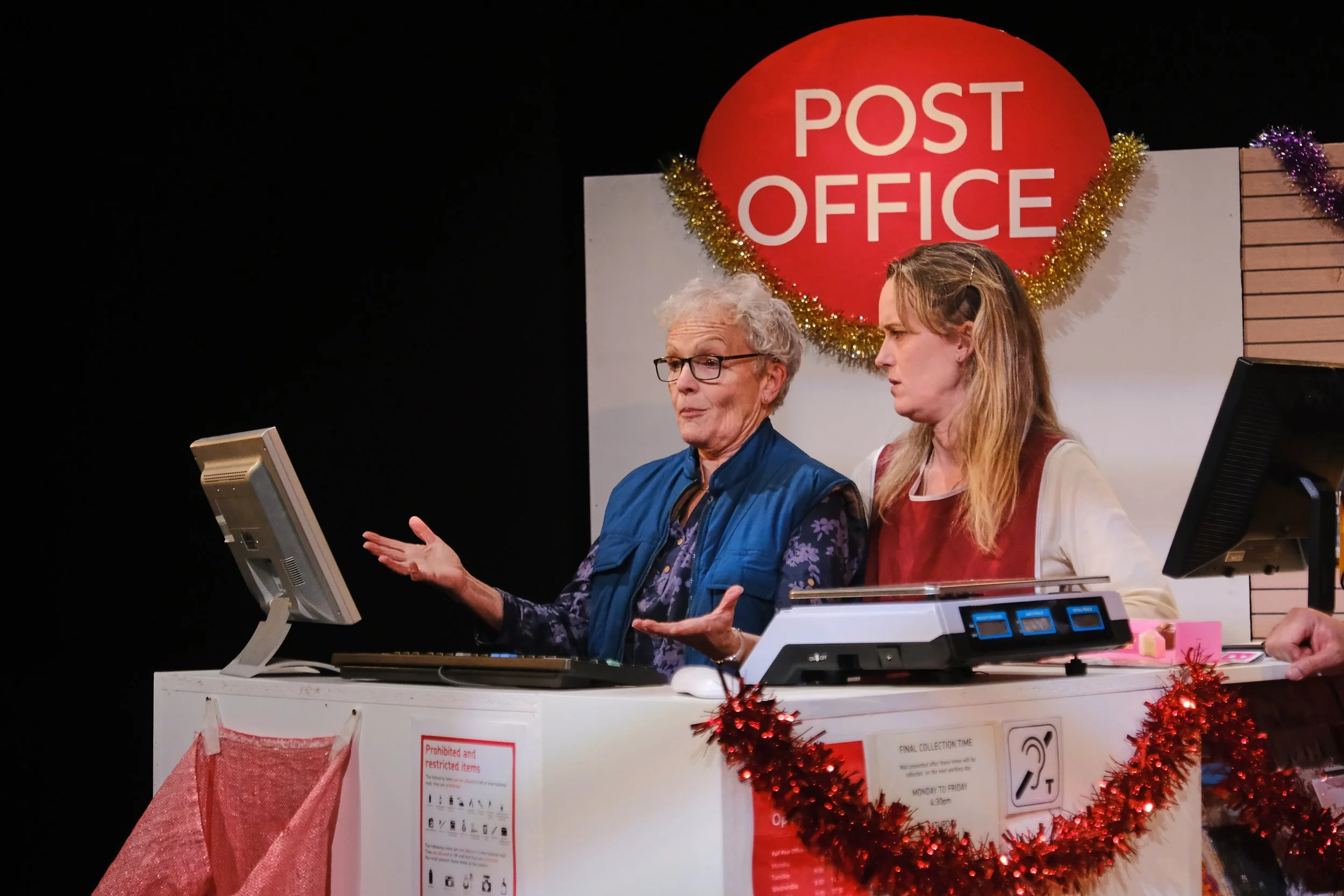
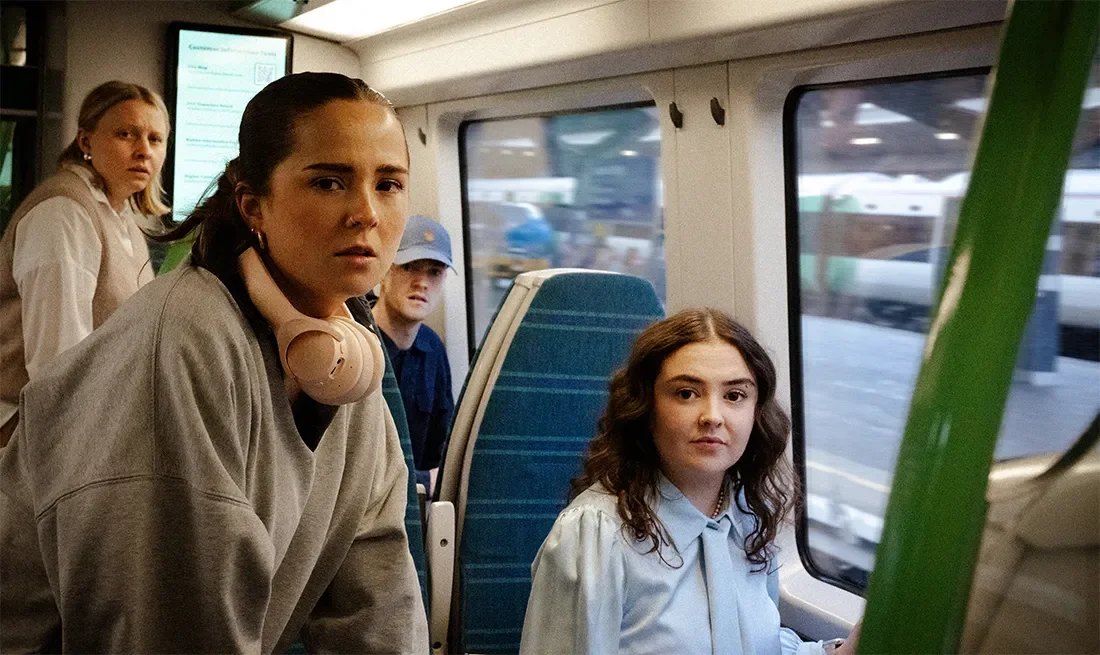
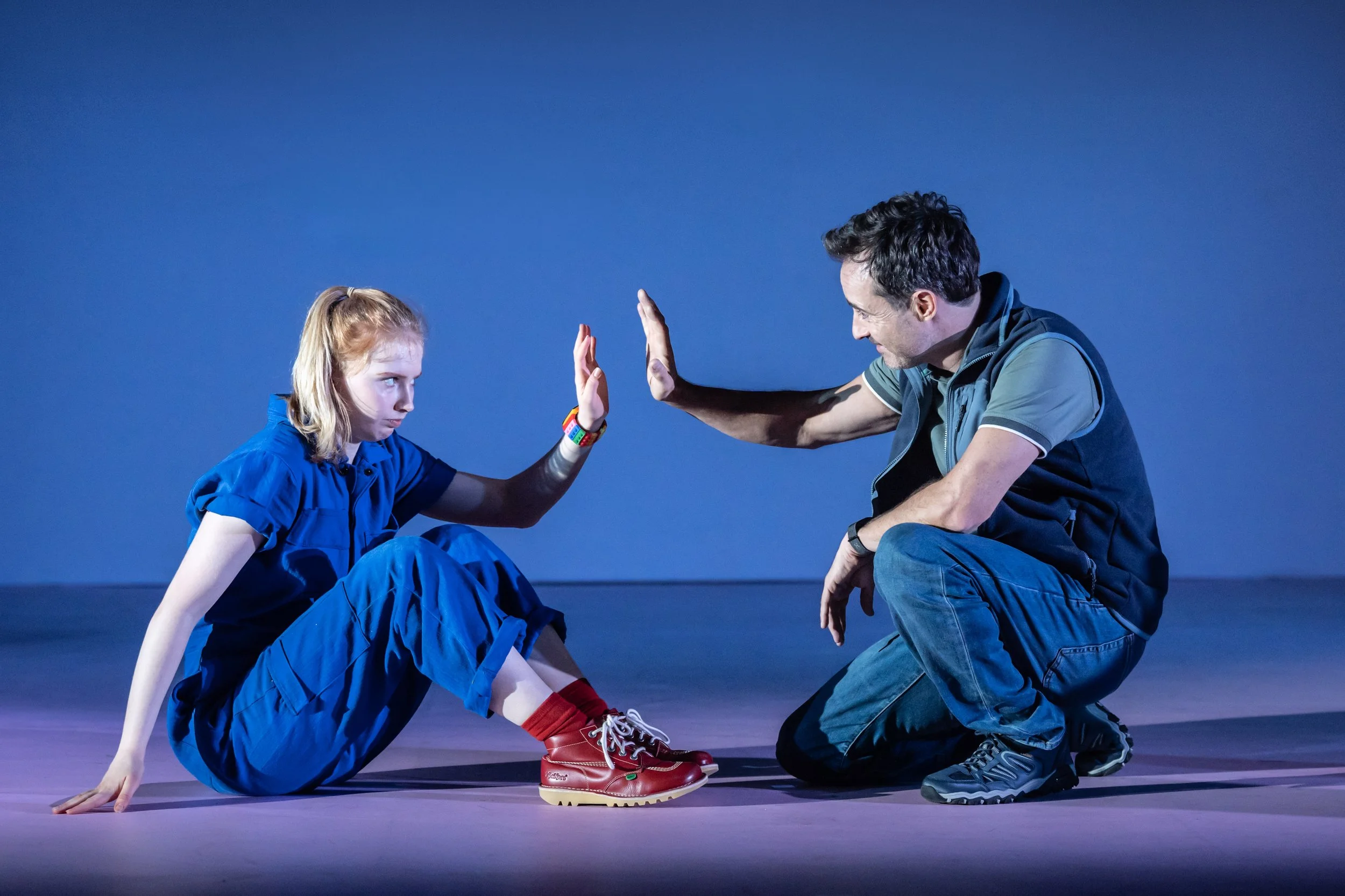
This production is both slick and fast-paced as the remaining actors play a range of different characters throughout the show. Laura Penneycard plays Tracy, a young 19-year-old postmaster with a discrepancy of £11,000. Naveed Khan plays Alan Bates, or should I say the now Sir Alan Bates, who has been a leading campaigner for the victims of the scandal. Sabina Netherclift plays Cari, another postmaster with a story to tell.
All of the actors in this production are able to play their characters cleverly and accurately, whether that be by showing stress when complaining about the faults with the computer system, or as characters in the courtroom towards the end of the show.
Many of the postmasters had discrepancies and shortfalls of thousands of pounds, and they were put under investigation and threatened with custodial sentences. The postmasters just couldn’t believe what they were seeing, and neither could the Fujitsu engineer, who was played by Naveed. This part of the production was a pivotal turning point during the play as others started to see what was happening.
The Post Office, a publicly owned company, was causing all of this, but at the time, the public just wasn’t aware of what was going on, not until the release of the ITV drama many years later.
The simple set design, designed by Caitlin Abbott, allowed for the focus to be on the postmaster’s perspectives throughout the show. I thought it was clever to have Pam Stubbs as the central character as it allowed for another of the postmaster’s stories to be told as opposed to Alan’s.
As each of the postmaster’s situations was explored, a box of evidence was moved across the stage and used to support them in telling their story. As the play moves on, Pam realises that she is not the only one and she joins the ‘Justice for Subpostmasters’ Alliance.’ The number of people affected rises and rise and it is not until the end of the show when Joanna Howarth, in her role as Pam Stubbs, talks about the real people, the real facts, and the real figures that make up this truly shocking true story that, as an audience member, you begin to understand what happened here.
The nation’s most trusted brand, which had 47 million transactions go through its branches each week, caused stress, financial decline, and, very sadly, 13 suicides as a result of this ‘glitch in the system.’ This production is powerful and shocking at the same time, and the fact that over 300 postmasters died with their reputations in tatters should lead us to question whether anything like this could happen again.
Glitch: The True Story of the Post Office Scandal continues at Derby Theatre this week until Saturday 7th March 2026, before Rabble Theatre continues to tour across the country at theatres including Chester Storyhouse and Minghella Studios, University of Reading.
★★★★