This Bloody Wedding at Camden People’s Palace Review
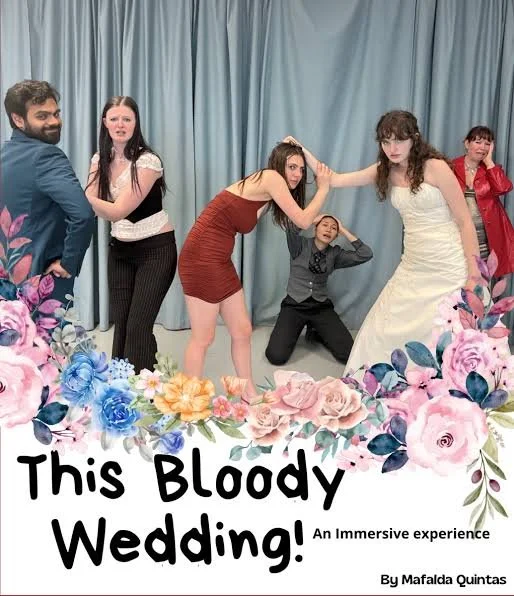
Mafalda Quintas' idea struggles to live up to its potential in this chaotic immersive play.
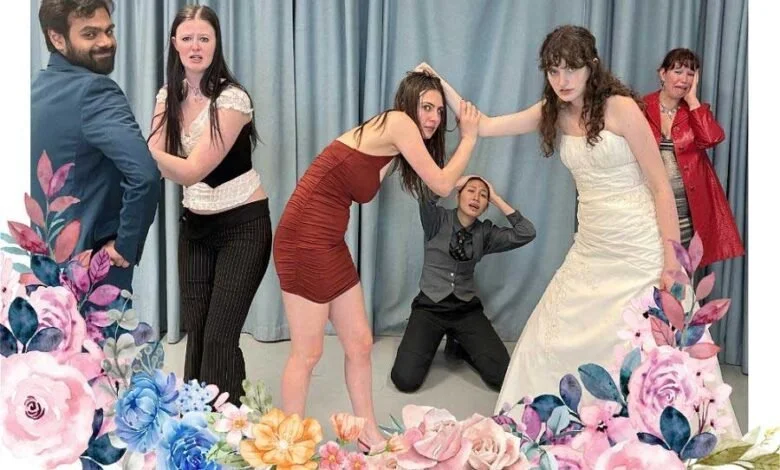
We are all invited to the wedding of Camila and Antonio, the lovely bride and a groom that's possibly a bit of a rascal but minted. Tania, the wedding planner, is flustered. So far, so wedding comedy. She enlists the audience to help — there is a lot to do and time is ticking.
What follows is a laborious process of allocating people into groups — think poorly run company away day, not immersive theatre — that soon erodes the fun of audience participation. Eventually, we are herded through a succession of parallel scenes, each led by one or two of the characters. The groom is getting ready! So is the bride! Neither of them has written their vows! There are papers to sign! Oh, and the bride's grandmother has the hots for the priest. It's a promising set of premises — there's real comic and dramatic material in each of these situations — but they are let down by a perfect storm of shortcomings.
These early scenes are fatally underdeveloped and poorly woven together, struggling to create engagement and to allow for all the plot cues to land. The audience is ushered from scene to scene too quickly, without the chance to fully immerse themselves in the story or build investment in the characters. We are offered a couple of prompts to get involved, but crucially, very little is done by the actors to improvise and build on these before it's time to move on. The result is that the scene shifts and audience relocations, instead of feeling dynamic and immersive, become an exercise in logistics — or cat herding.
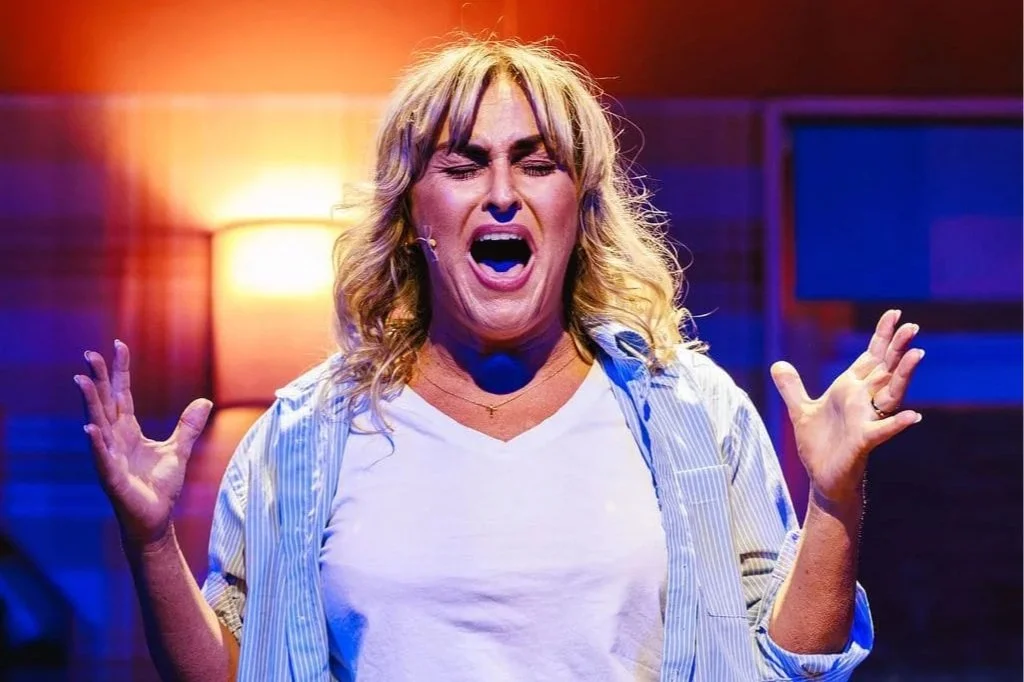
Both script and direction (Mafalda Quintas) offer little variation in pace or emotion. We are thrown into a high-stakes comedy of errors, with every hiccup seemingly there to sabotage this bloody wedding, and the characters swing between frantic and uber-frantic with little room for release.
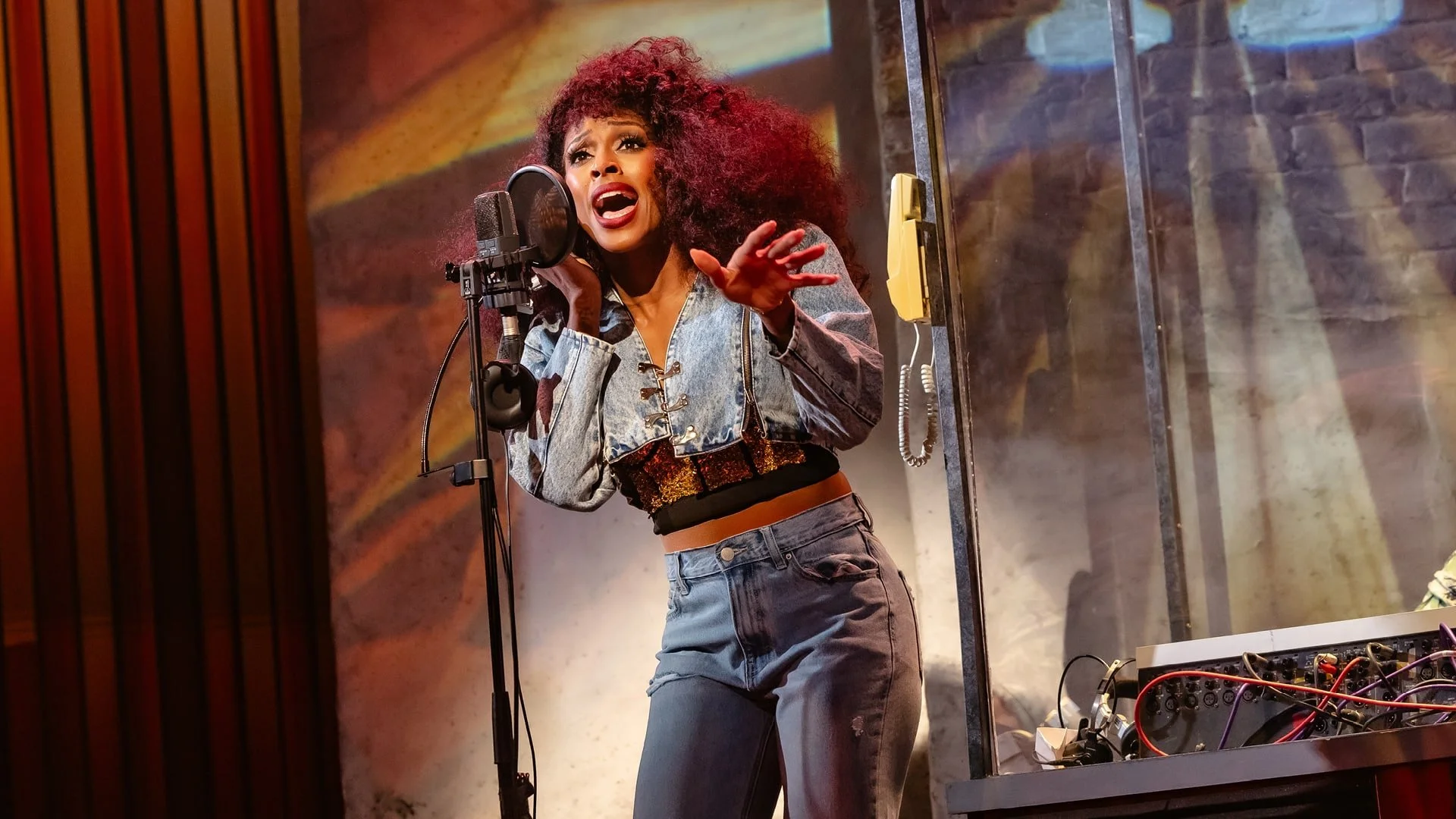
Nobody expects a spectacular set from a fringe show, but immersive theatre relies on the willing suspension of disbelief, and props, costumes and lighting go a long way toward it. Both the foyer and the changing room were challenging spaces to evoke bridal opulence, and the costume design undercuts its own characters: the wedding planner's edgy streetwear fights her uptight role, the grandmother's spandex reads more gag than character, and the police officer's sheriff getup belongs in a different show entirely. Save for the wedding dresses, none of the costumes support the story.
Some five or six relocations and many, many shouts later, we are brought back to the main stage to see Camila and Antonio finally marry. But ex-girlfriend Rebecca has crashed the ceremony — in a wedding gown, no less — determined to blow the whole thing up. More screaming, more chaos, and a murder that, of course, necessitates one more audience migration and a totally distracting interval.
In the second act, the logistical merry-go-round stops and the play becomes a whodunit, with more plot twists but not much intrigue. Rebecca, played by Shana Horwood, is delightfully wicked and infuses gusto into what would have been a marginal character. One by one, the plot and characters find some resolution, and we land on an unexpected villain, giving us a summer taste of panto.
It's a shame, because the underpinning idea is strong. There is plenty of comedy and immersive material in weddings, and the telenovela treatment could have offered further drama and hilarity if truly leveraged.
A cast more willing to embrace improv, with longer and genuinely more immersive scenes early on, could bring new audiences to the theatre through the participative hook. But in its current execution, it risks alienating existing ones.
★★
Written by Chania for Theatre and Tonic, August 2026.