The Three Ghosts of Silvertown at Tate Institute, Royal Docks Review
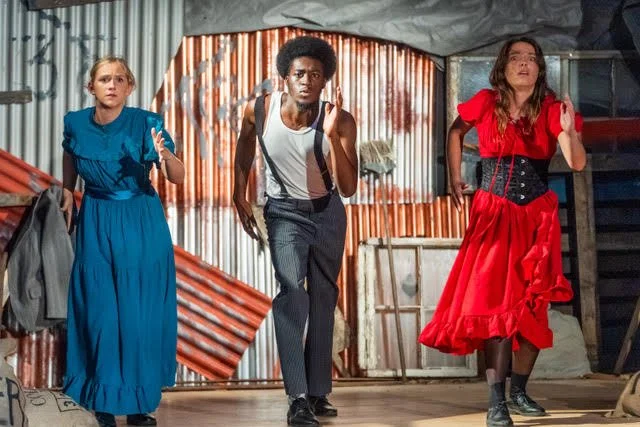
A hauntingly phantasmagorical addition to the ever-growing series of Newham Plays.
Over a 12-year long period, playwright James Kenworth has provided young people living in Newham with opportunities to engage within the arts, helping to address the borough’s historically low levels of cultural engagement through his series of drama workshops based on his series of Newham Plays. Now his play Three Ghosts of Silvertown currently showing at Tate Institute marks the 7th instalment in Kenworth’s critically acclaimed series of community-focused Newham based plays, all of which are partnered and supported by a nexus of professional and local funders, partners and stakeholders.
Kenworth kickstarted his series of Newham plays through collaborating with professional theatre makers to bring his experimental run of Revolution Farm, an adaption of George Orwell’s Animal Farm, which was staged within the non-traditional theatre venue Newham City Farm. This time round Kenworth infused Three Ghosts of Silvertown with his Newham Plays series’ signature blend of professional creatives.
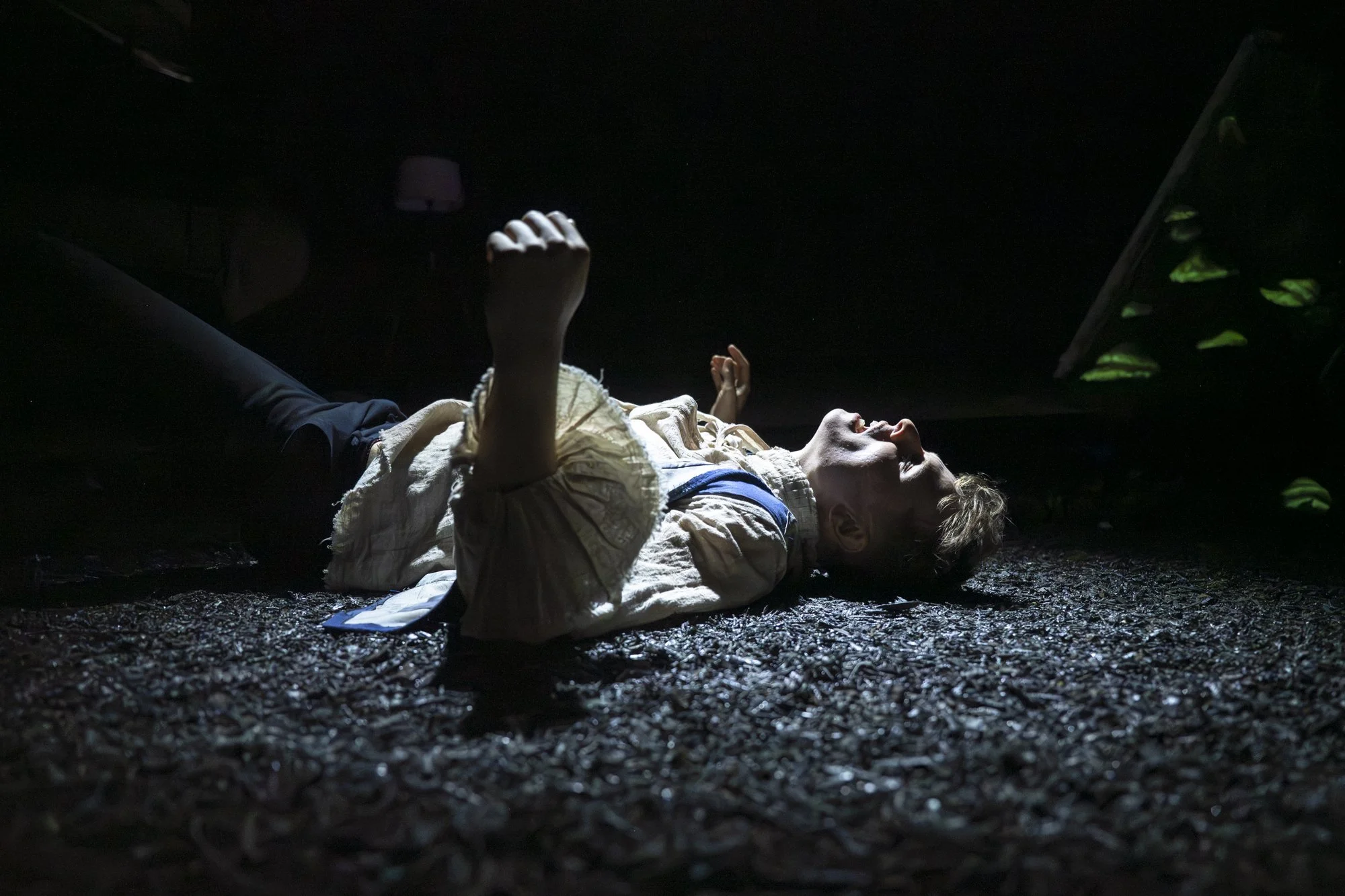
Three Ghost of Silvertown centres around the tales of Silvertown’s strikers who marched to find liberation within vastly growing industrial and exploitative rubber, chemicals, food processing, and refinery industries. Though the humble demands of strikers were not met, the strikes remain a monumental and historical moment within the New Unionism movement. Kenworth depicts the strikers’ lasting legacy with utter originality through injecting the voices of activists and young 21st century Newham folk into a script which incorporates Multicultural British English dialect and interweaves references of rave culture throughout with its pulsating techno and house music induced soundtrack.
Faithless’ 1990s rave classic Insomnia soundtracked Yasmine Meaden as she depicted the strike’s leader, Eleanor Marx, who suffered from endless bouts of depression. Meaden continued unravelling the threads of Marx’s illness through a gut-wrenching portrayal before Katie Smale took over to detail the events that eventually drove to Marx’s suicide in a particularly harrowing monologue.
Three Ghosts of Silvertown also makes for a brilliant fusion of history and site-responsive contemporary theatre confronting the inequalities of both past and present. In 1887, Tate Institute within the South of Newham would become the beating heart of a community for the next 110 years. From housing Silvertown’s public library between 1938-1961 and providing a vital air-raid post during WWII, to eventually transforming into a space where generations could gather for conversation, games, and celebrations with the Tate & Lyle Sports and Social Club. The Tate Institute became cemented within Silvertown’s cultural identity up until its official closing in the early 2000s.
Three years from when the Tate Institute was boarded up, the REinsTate project began transforming the empty building through its backing by ReSpace Projects. Beginning in 2014, the spacehas since become a healthy community hubculminated through 10 years of work by ReSpace Projects and 4 years of engagement from the team at Craftory Newham. Inspired by this remarkable resurrection of the Tate Institute in Silvertown, Kenworth’s collaboration with East London director and theatre-maker, Jade Ward McFarlane on Ghosts of Silvertown evidences how grassroot community initiatives are truly what liven the borough.
McFarlane, whose previous directing credits include The Terrible Fate and For Black Boys Who Have Considered Suicide When the Hue Gets Too Heavy, offered brilliant support, which helped transform Kenworth’s visionary approach to retelling the Silvertown Strikers into a fiercely impactful and lyrical blend of spoken word and movements.
The Tate Institute is a community centre rich in history, making it the perfect venue to restage the twelve week-long strike led by Eleanor Marx, portrayed by the talented Yasmine Meaden and Katie Smale and retold by the Silvertown ghosts, who lost their lives amongst the harsh conditions of factory working.
Though the strikers eventually came to bitter defeat after being starved back to work, the three ghosts Grace (Yasmine Meaden) Joe (Jamal Abdul) and Elizabeth (Katie Smale) who narrate their experience of the harsh conditions of squalor and exploitation that was the late 19th century’s industrial work field are determined to make their ending their own. As the ghosts narrate the poverty-stricken conditions, social injustice, mental suffering, physical torment and exploitation they experienced, they drift between centuries exploring the never-ending hamster-wheel of inequality. It is therefore clear that Three Ghosts of Silvertown is an inspiring culmination of new locally made writing and new young promising voices of tomorrow, showcasing the abundance of history and vibrant culture that makes up the Newham borough.
Overall, the pro-localist playwright successfully brought an original and compelling re-telling of the 1889 Silvertown Strike to East London’s Tate Institute, supported by Royal Docks Trust Main Programme Funding 2026/27 and Middlesex University Arts and Creative Industries Faculty Knowledge Exchange Fund.
Three Ghosts of Silvertown plays at the Tate Institute until 30 August.
★★★★
Written by Harriet for Theatre and Tonic, August 2026.