Written by Kerry for Theatre and Tonic
Disclaimer: Gifted tickets in exchange for an honest review. All views are our own
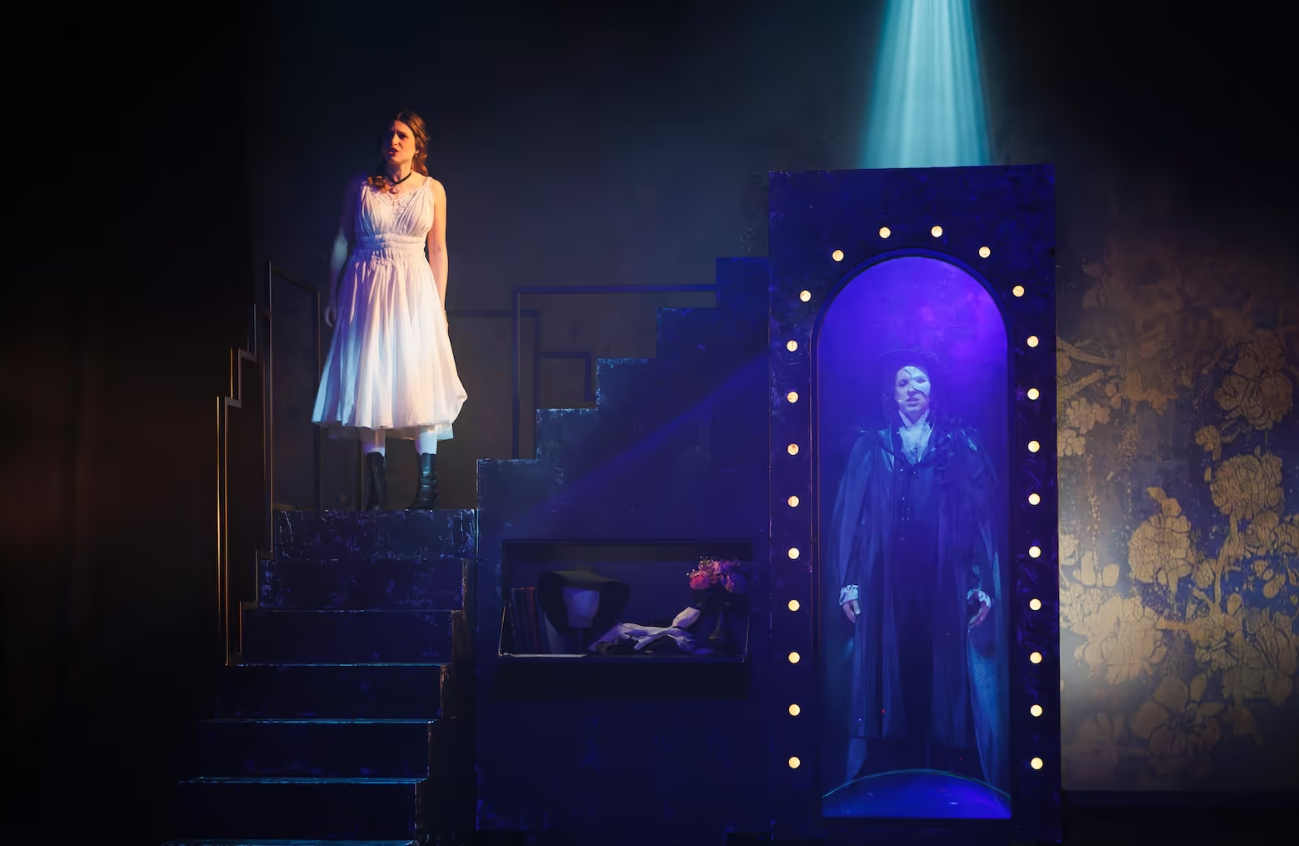
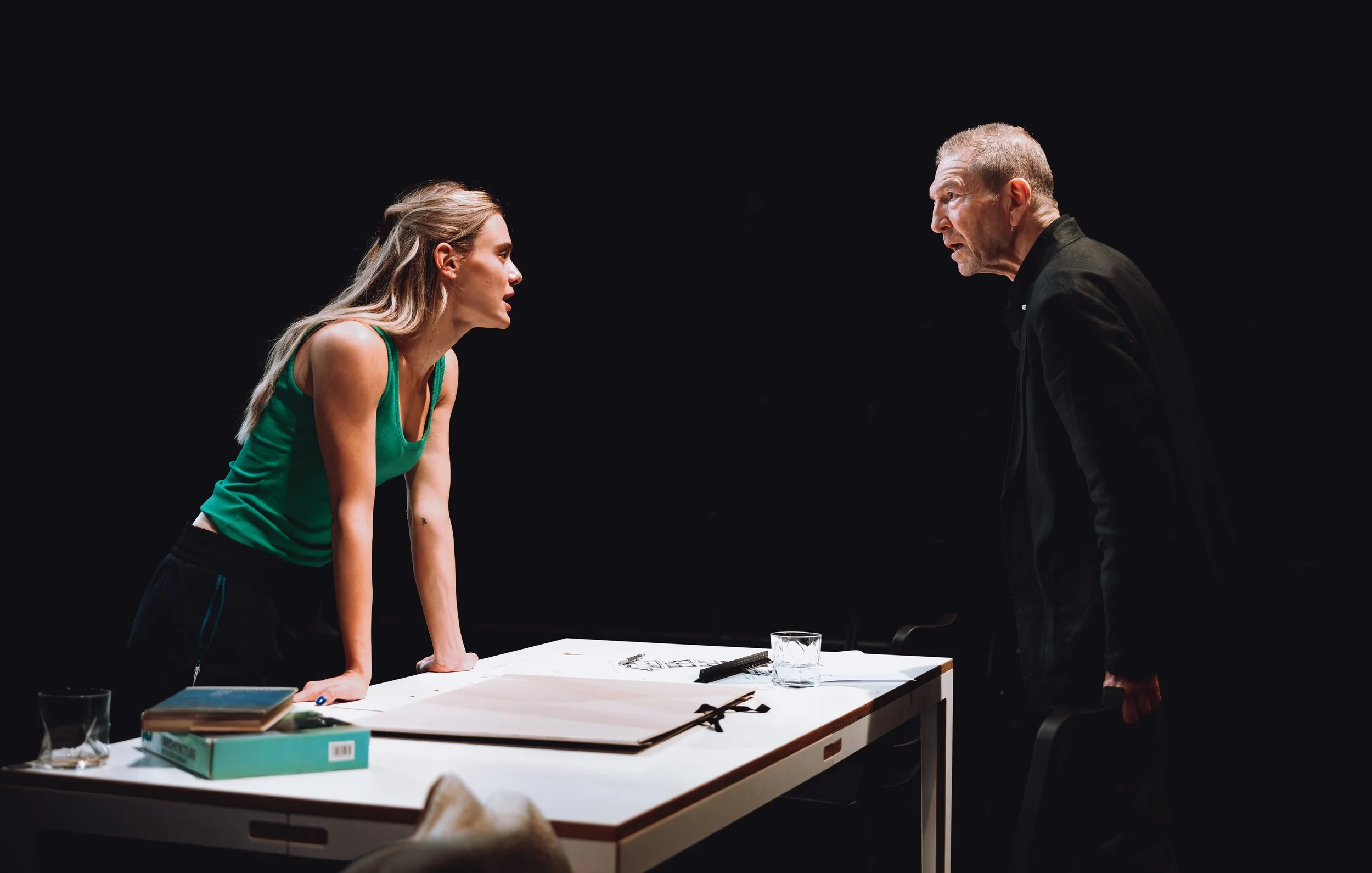
Luring you in with an impressive Edith Piaf-inspired French accent, “I Can Die Too” quickly reveals itself as the psychological construct of actor Lily, who, along with a highly stressed crew, is gearing up for the opening night of their version of the play “The Human Voice”. Having seen the Almodovar short film based on the same play last month, unaware this piece was also based on the same writing, it is clear that this is an honest adaptation, whilst bringing it into the twenty-first century and how media and theatre portray women classed beyond their years and their relationship with the past.
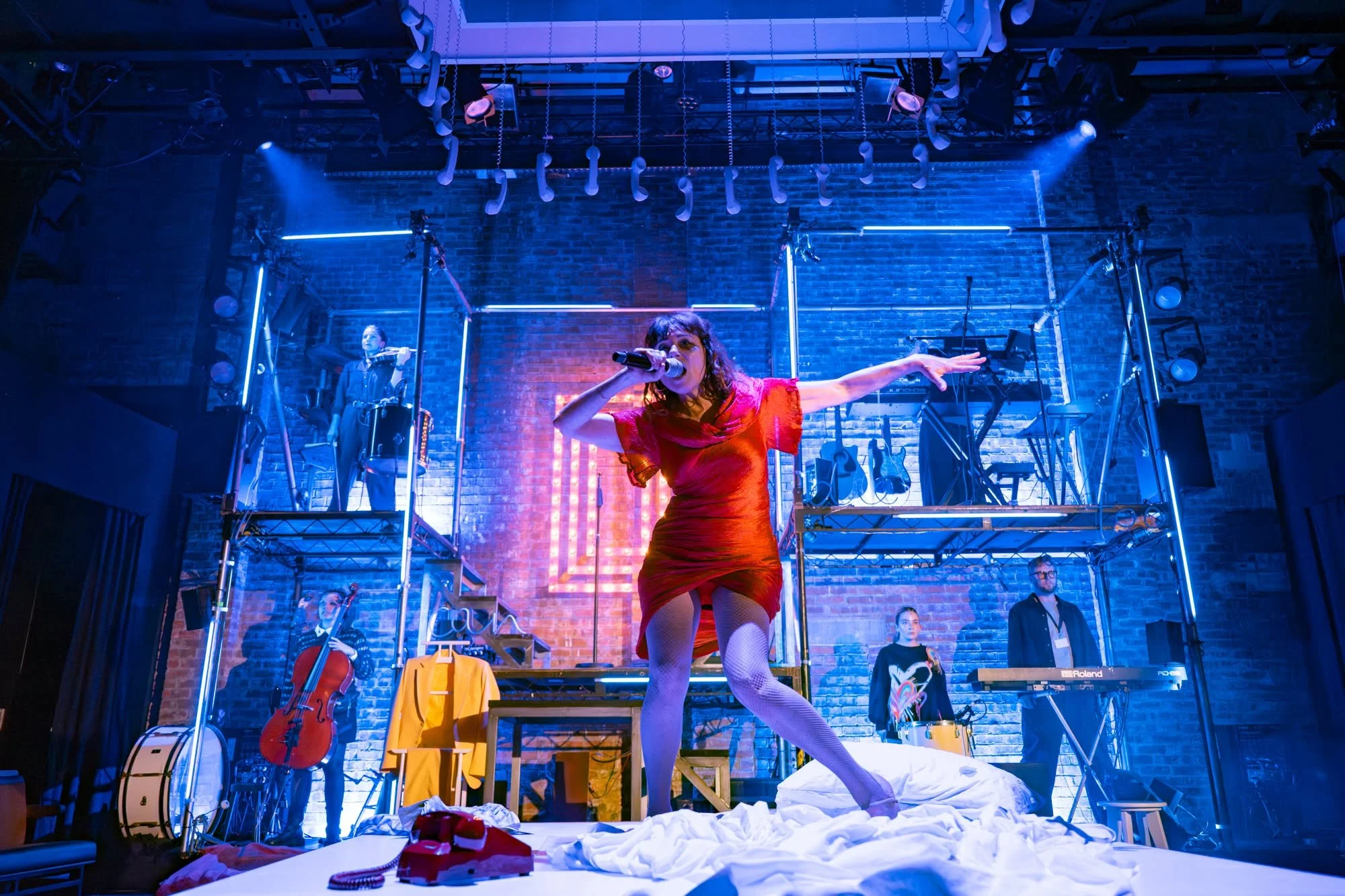
It seems to be becoming a trend to have musical numbers in plays without it being classed as the first. “I Can Die Too” is not an exception to this rule. Starting with an atmospheric score hidden behind purple drapes, soon catapults into what can only be described as power ballad Eurovision meets pop princess hits of the late noughties, with a splash of Madonna mixed in for good measure. The use of both classical instruments and techno decks envelopes the small but mighty stage. And it has to be said that Frances Ruffelle pours herself into every single song, never dropping a note or a beat the entire show. Whilst the supporting cast accompany live on stage, which feels right given the location and style of the piece.
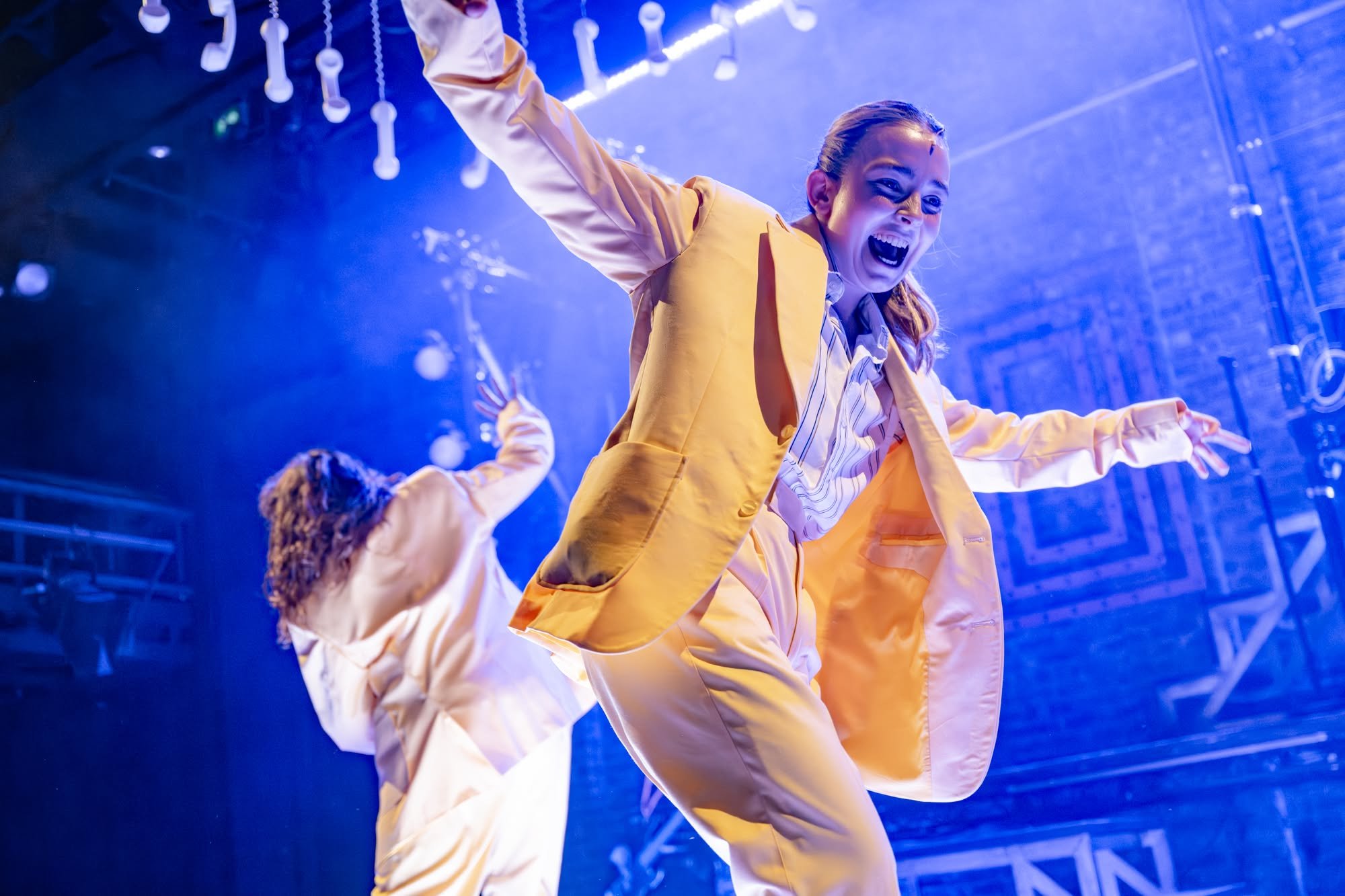
The musical choices of the show were what stood out the most to me, a true highlight. The choreography is accompanied by simplicity, mainly taking place on the raised platform on which the play is performed. When it does descend, there seems to be a tightness to the movements, but this only felt like an issue due to the size of the stage and its proximity to the audience. Nonetheless, the production value of the piece is high yet simple; having cages acting as a backdrop lends itself nicely as both a place for the crew to perform with their instruments, but also as a connection between the stage and the rest of the theatre.
The script did seem to have some predictability to it. Without spoiling, it only took me a minute after being introduced to Young Girl, perfectly portrayed by Maya Rugen, to decipher their connection to Lily. Besides this, it was interesting to see how the play was intertwined with Lily’s past and how it was affecting her present. There was an easy flow to the writing, never going off in tangents or trying to fill the piece with melancholy woe that seems so abundant these days. And even though a few lines did not get big reactions, except for the King Lear joke, which is also currently playing at Pitlochry. The theatre was not full, probably due to the nice weather, so that may be different on sold-out performances; however, I did find myself chuckling along to quite a few one-liners and, as a creative, felt seen in the crew’s painfully recognisable moans. There felt like a rapport between the crew characters, having their own stories but never overshadowing that of Lily’s, and even though most of their conversations were to do with the production of the play, you could feel the connections they had with each other on and off the stage.
“I Can Die Too” is a fresh, captivating adaptation of the French early twentieth-century play “The Human Voice” whilst keeping its values at the core. It stands out as the highlight of the Pitlochry season, and I’m excited to see where the piece performs in the future.
I Can Die Too plays at Pitlochry Festival Theatre until 2 August 2026.
★★★★★