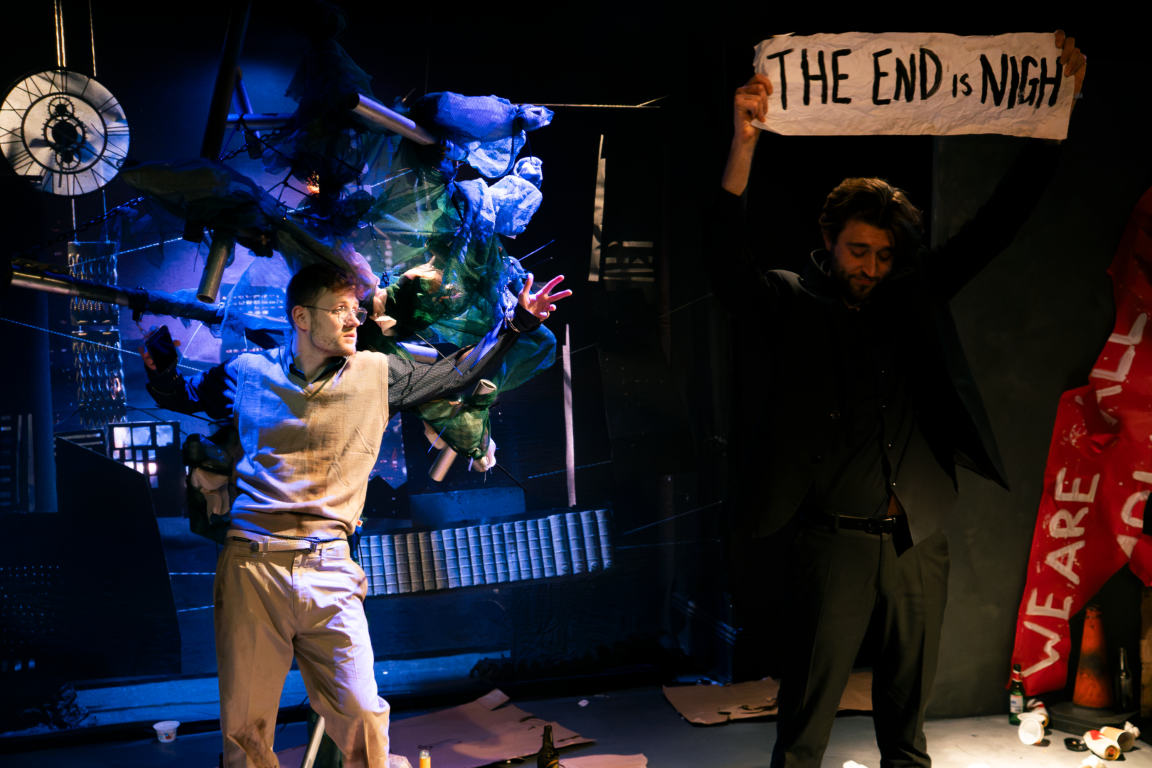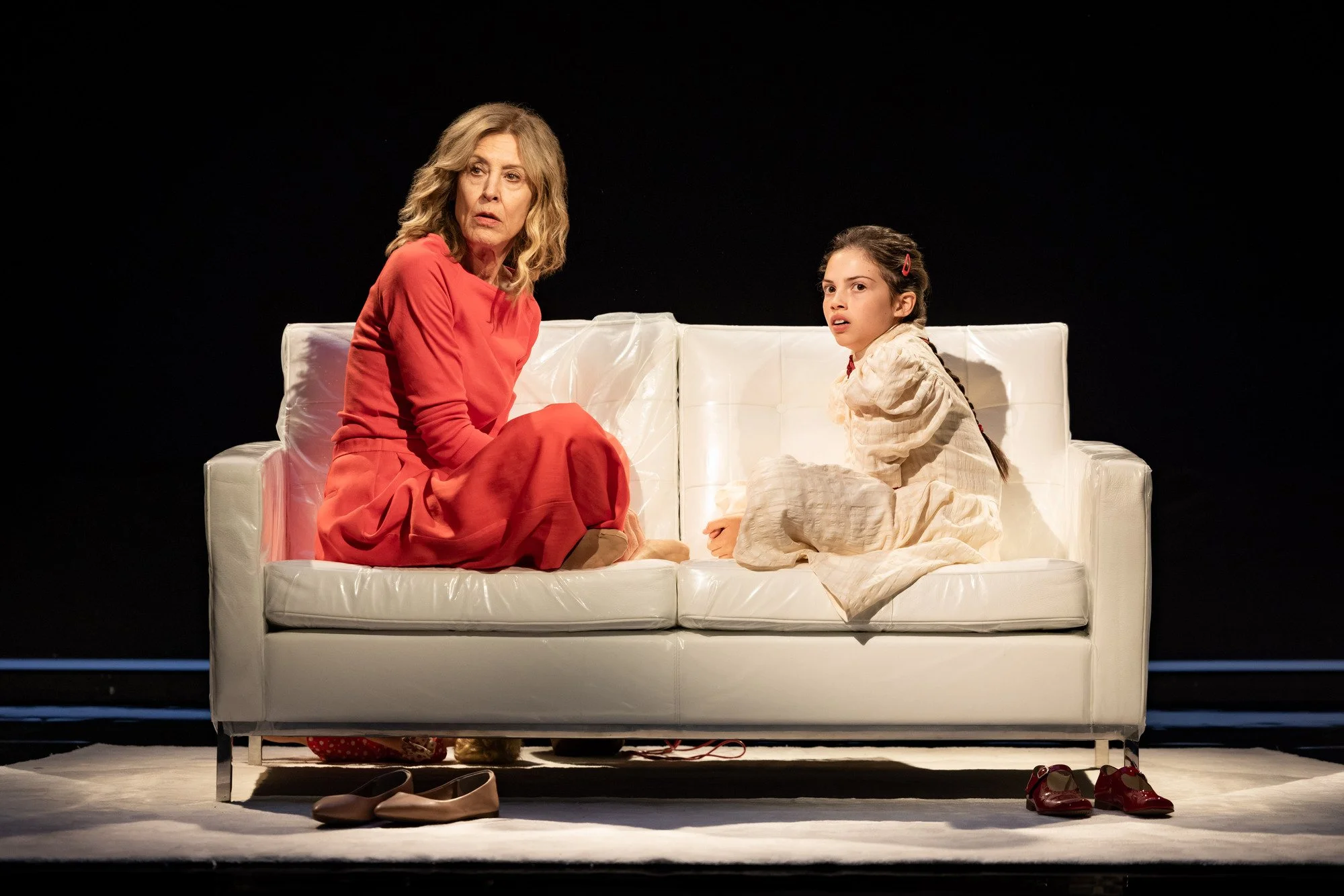
The Smile Of Her production image. Photo by Mark Senior
Written by Chiara for Theatre and Tonic
Disclaimer: Gifted tickets in exchange for an honest review. All views are our own
In this life-affirming, powerful solo play, Christine Lahti revisits her lifelong quest for authenticity and true worth, against a world that remains rigged against women. It is a courageous attempt to emancipate from, but also reconcile with, her family legacy.
Hers is a family of six siblings, a stern surgeon dad and a perma-smiling mother — a place where ‘we don’t do sad’, where uncomfortable emotions are swiftly exiled to one’s bedroom. As the story progresses, we are confronted with the cost of the unsaid and the toll of misogyny, especially when internalised.
In 90 minutes, the story gallops across decades, tracing her life from 1960s America to today — a childhood glossy on the outside and darker behind closed doors, through college, feminism and the perils of showbiz, to her present reckoning with the past.
Christine Lahti is brilliant. Looking gorgeous in bright, unapologetic red, she sustains extended periods of direct address with panache and charisma, inviting us in. Her delivery is varied and always engaging — we laugh with her, often out loud, at her mishaps, we root for her mission to become an actress on her own terms, not via the casting couch, and we share her rage as the elephants in the pristine living room crush the women in her family. She is equally striking in comedic moments and in the heartbreaking retelling of her family’s tragic legacy, and adept at multi-roling. She is supported by Jesamine-Bleu Gibbs as young Christine — an inspired choice, and a performance that brings real tenderness and introspection.
The script, written by Lahti, is packed with hefty topics, including domestic violence, rape and mental health. The account feels epic in its breadth, though some threads would reward greater depth. Even so, the script conveys the messy soup of tragedy and triumph that makes up a life well lived. By contrast, the male characters remain prisoners of their own toxic masculinity — less multi-layered than the women in the family, who each, in their own way, seek to transcend their gendered oppression.
Mêlisa Annis is effective in her direction, using time and space well, and creating poignant moments, especially in the movement and interaction between the two Christines. The transitions across scenes and characters could be clearer, and the piece would benefit from a little more breathing space.
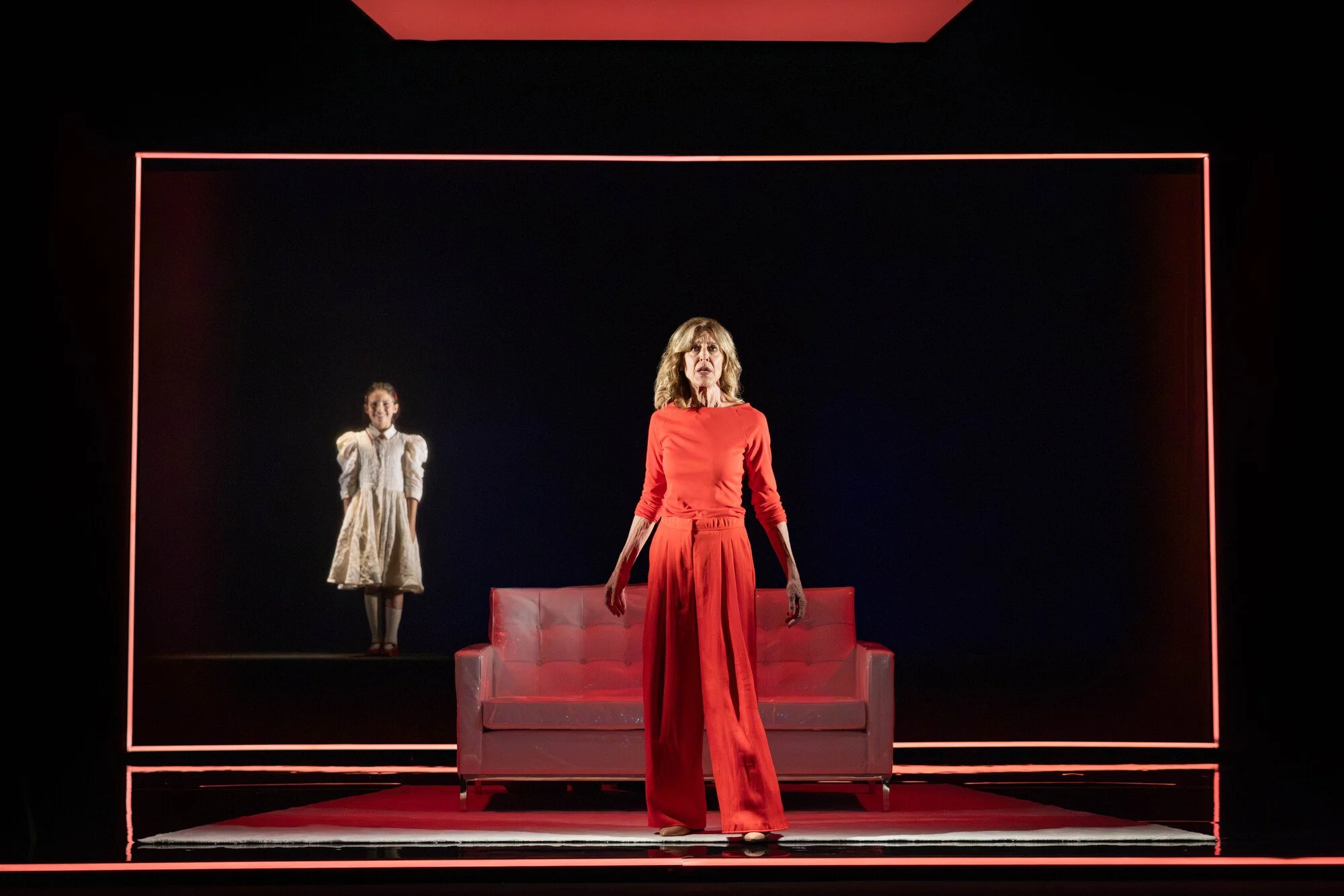
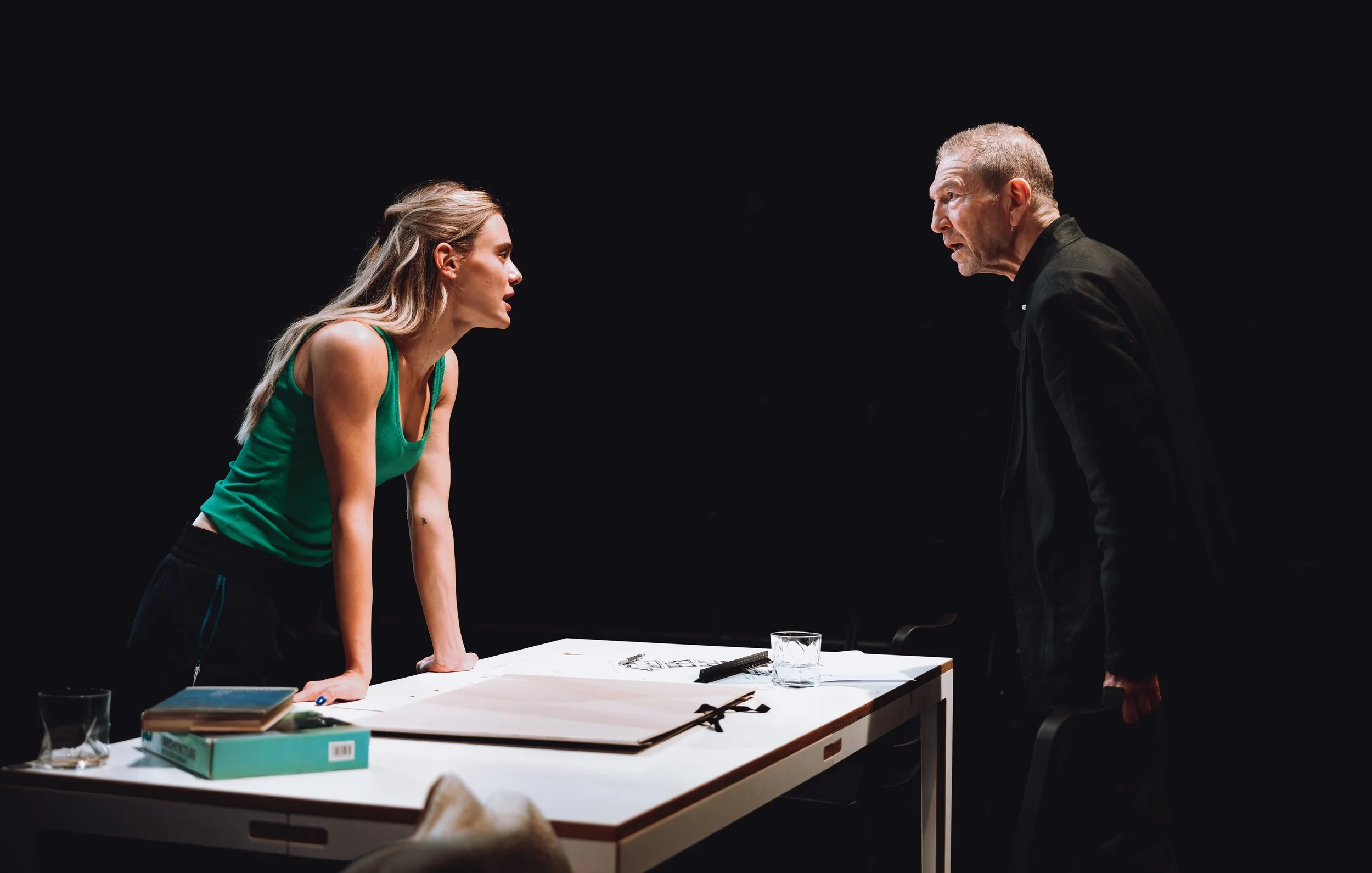
The set, designed by Sarah Beaton, consists mostly of an immaculate white sofa, covered in ‘premium quality plastic’ — a veneer of presentability concealing the Lahti family’s murkier reality, and a further site of professional confrontation. Given its emotional charge, it could have been used more. A sparing use of well-chosen props and clever lighting by Matt Haskins heightens the overall sense of oppression, a harsh black-and-white setting trying to dim Christine’s fire.
A gauze backdrop where photos and memories are projected adds some warmth and granularity, as do the song choices (sound by David Gregory), recognisable tracks that give a sense of history and place — if a little predictable.
The combination of these design elements is striking, but perhaps too polished for a play that wants to be personal and honest.
And it is this honesty and courage that make The Smile of Her special. Lahti’s unflinching yet compassionate look at her family is an act of integration and healing. We learn that the smile of her was not her mother’s own — it was a cultural injunction, and also her mother’s tool, one of the very few afforded to her, for survival.
In unveiling family secrets, Christine offers a chance to heal, to be less alone and, like a family heirloom, to bring light to darkness. This is a homage to all women — their growth, the price they pay for their audacity to demand better, their refusal to be broken, smile or not.
The Smile Of Her plays at Marylebone Theatre until 29 August.
★★★★