Til The Stars Come Down at Nottingham Playhouse Review

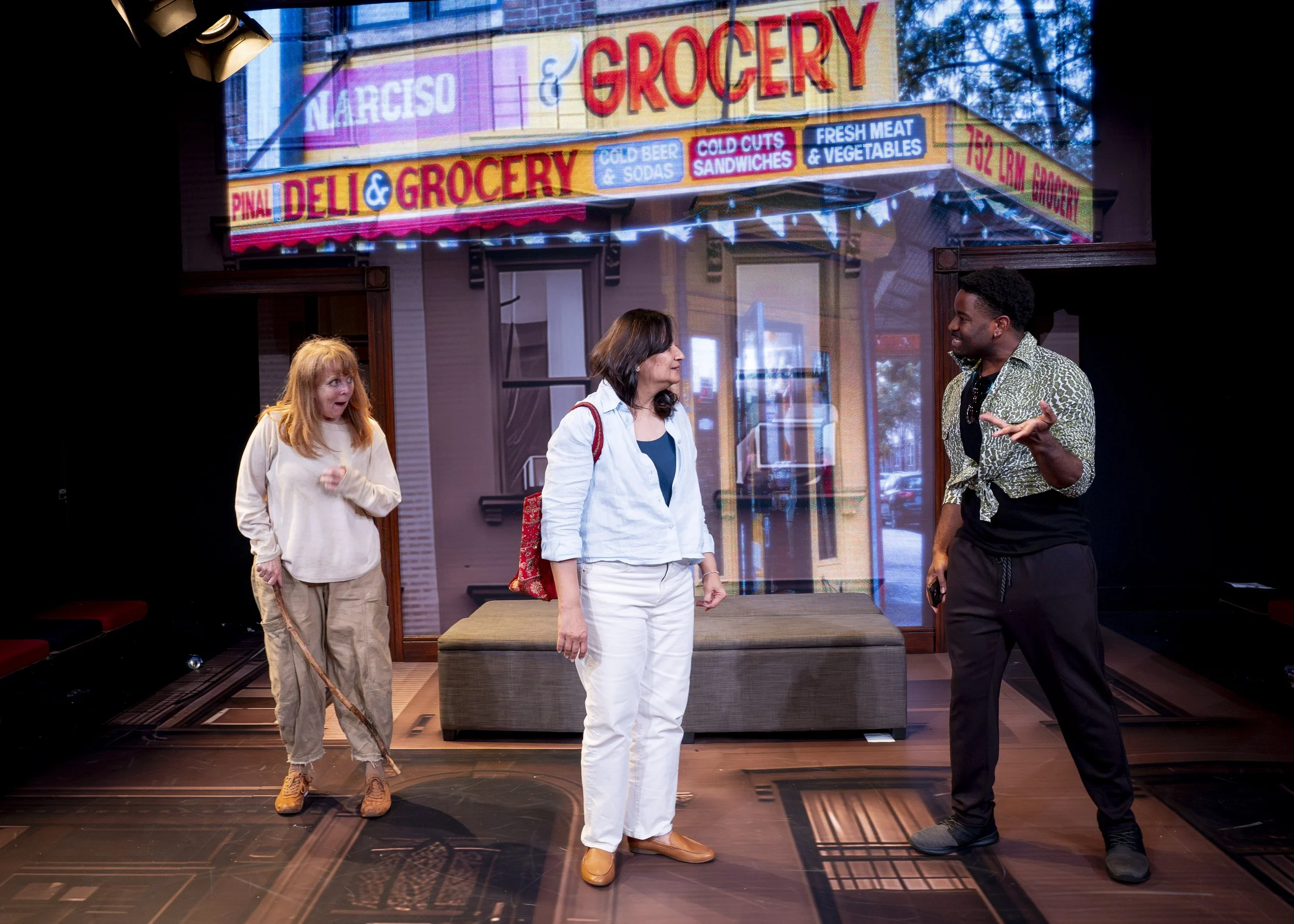
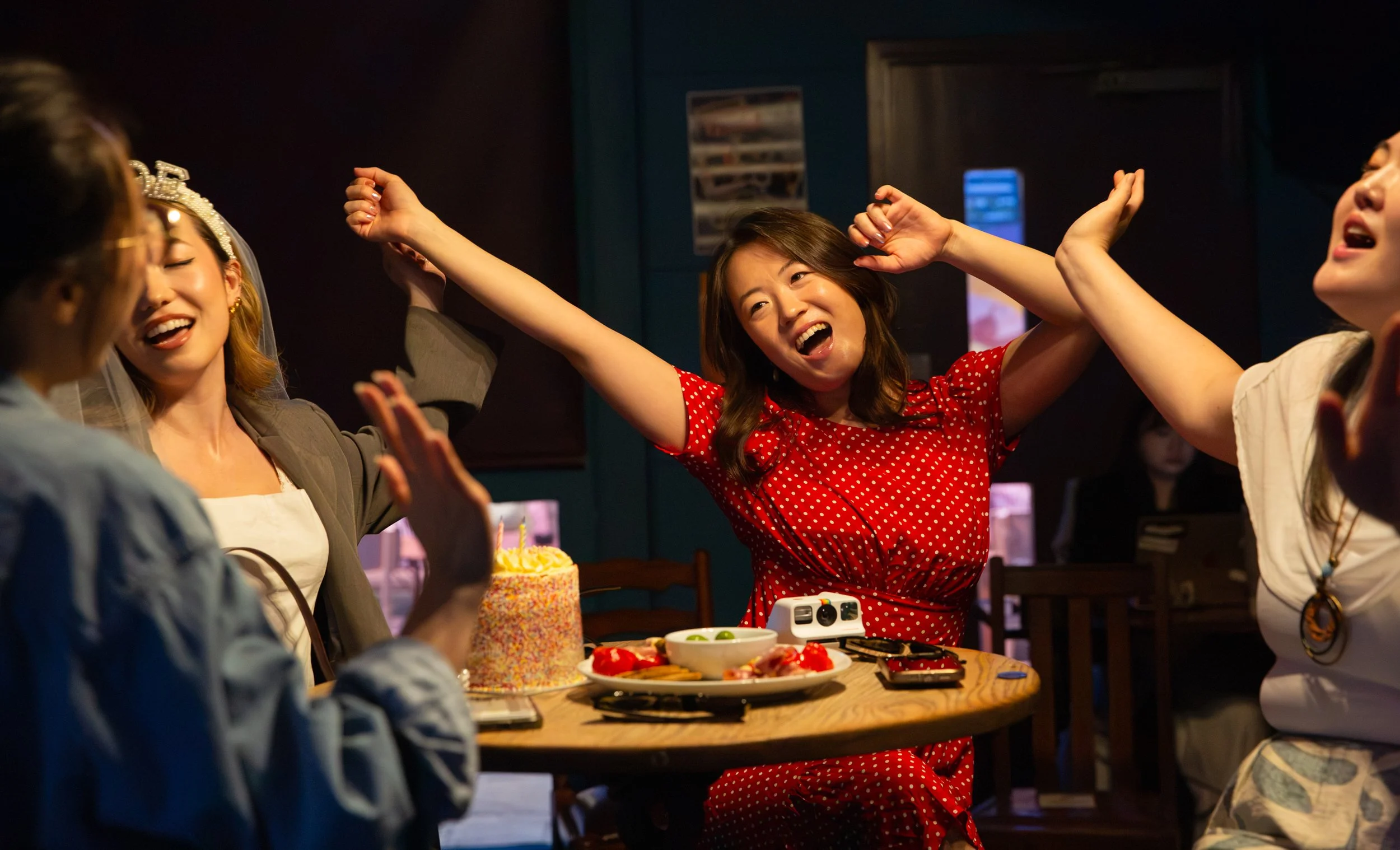
The play opens rather abruptly with a delightfully scatty Sylvia (AK Golding) randomly wandering onto the stage with such an air of confusion that you can’t help but feel a random interloper has somehow found their way into the production. Ultimately, this becomes rather symbolic of her role in Beth Steel’s wedding-oriented drama Till the Stars Come Down, which made its regional debut at Nottingham Playhouse last night. It is only when a consortium of random objects: a mirror, a fan and a hairdryer appear on stage and Sylvia takes her place in front of the mirror, that it becomes abundantly clear that she is the protagonist of the story. The interesting choice here, however, is one of understatement. Rather than everything revolving around Sylvia on her big day as she prepares to marry her Polish boyfriend Marek (Ivan Ivashkin), she remains physically and narratively central while almost fading into insignificance as a plethora of family dramas begin to unfold around her.
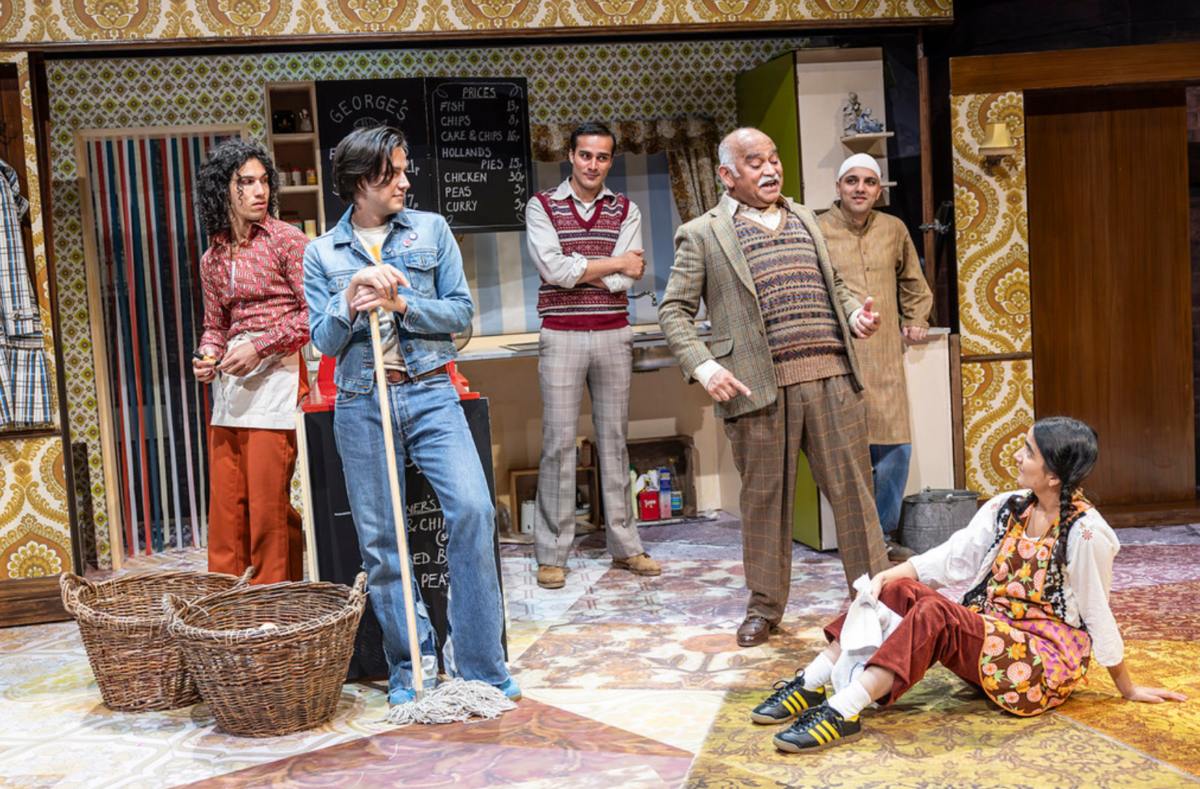
Set in a deindustrialised Mansfield, where Sylvia is betrothed to Marek, the play navigates a diverse range of subplots and themes, including social class, race and family dynamics. What is particularly impressive is how Steel has assembled a cast of characters who feel so endearingly relatable: simmering tensions that have lasted for decades, with no one quite able to articulate how they began; a fairly unhinged and eccentric aunt; grief over a dead mother; and marriages that are slowly falling apart. There is something wonderfully recognisable about all of this, and ultimately the play feels remarkably real for its audience.
In terms of stagecraft, the production makes excellent use of physicality and space. The theatre aisle itself becomes the wedding aisle, down which Sylvia floats with her father. There is a hilarious scene towards the beginning of the play in which Sylvia has an inevitable dress drama, with around four relatives attempting, unsuccessfully, to get the zip up at the back. What makes this particularly funny is when her sister Maggie (Leah Brotherhead) eventually hooks her leg around the front of Sylvia in an attempt to hoist the zipper upwards, after sister Hazel (Emma Pallant) and Auntie Carol (Sadie Shimmin) have already failed, resulting in most of them toppling to the floor.

There are several other brilliantly physical moments: Sylvia and Marek “having sex” against the wall at the front of the stage, and perhaps the most baffling but funniest of all, the father (Howard Ward) pretending to be Tarzan and annihilating an imaginary crocodile in a re-enactment of a New Year’s Eve club night many years earlier. His enthusiastic declarations of “splash” as he does so have absolutely no business being as funny as they are, but the entire audience was in hysterics. The only element of the production that didn’t particularly add anything for me was the use of a video camera. It is employed during the wedding to create a sense of intimacy within the family dynamic, but ultimately felt more like a gimmick than something that genuinely enhanced the production.
The various themes running through the play are handled with a pleasing degree of subtlety. Set in a deindustrialised East Midlands town where men once had secure employment in the mines for generations, the play asks what happens when that world disappears. Change is inevitable, but do you move with it or allow yourself to be swept away by it? A particularly poignant moment comes when Uncle Pete (Joe Alessi) runs his fingers around the rim of a wine glass while naming the mining towns scattered across the locality: Ollerton, Blidworth, Clipstone, Hucknall and so on. It is a simple moment, but one that presumably resonated particularly strongly with an audience in Nottingham.
Another key issue tackled by the play is attitudes towards race. Much of the family is suspicious of Marek based entirely on prejudice and is opposed to his marriage to Sylvia. Particularly vituperative is older sister Hazel, with lines such as “they’re offering us jobs now!” Rather than becoming preachy or didactic, the play explores how resentment can begin to simmer when these attitudes go unchallenged. This ultimately culminates in an argument between Sylvia and Marek, and a significant shift in Sylvia’s attitude: she moves from quietly ignoring her sister’s prejudice to actively confronting it.


Finally: Auntie Carol, played by the indomitable Sadie Shimmin.
If I could give a character a star rating, she would absolutely receive five stars. Everyone probably has, or knows, an Auntie Carol: an older powerhouse of a working-class woman from another generation who somehow manages to dominate every room she enters. She arrives with rollers in her hair and immediately gets the family started on the Bucks Fizz. She decides she deserves a place on the top table and begins interfering with the seating plan before getting absolutely hammered at the reception. She wears a ridiculously enormous pink hat which is subsequently shredded to tatters by the family cat, complains about the vegetarian option arriving late and then, in an absolutely show-stopping scene of hilarity, hoists herself backwards down the steps towards the dance floor for her fabulous rendition of “It’s Raining Men”, before being sick over the edge of the stage.
She then refuses to get into her taxi at the end of the night because she hasn’t done the Macarena yet.
What an incredible woman.
Til the Stars Come Down plays at Nottingham Playhouse until 26 September.
★★★★
Written by James for Theatre and Tonic, September 2026.