You’d Notice If It Was Gone: The Case for Recognising WHAM in Theatre
Written by Eleanor for Theatre and Tonic
Wigs, hair and makeup form such an important part of every theatre show; it’s kind of unbelievable that they’re still being left out of industry awards, namely the Laurence Olivier Awards, which is one of the biggest nights on the calendar and takes place in April.
Since the nominations were announced, and increasingly over the past few years, there has been a clear lack of recognition for wigs, hair and makeup departments, alongside a growing push from across the industry to change that.
Tom Scanlon, who currently stars in Cabaret, posted a ‘Get Ready With Me but without WHAM’, and it really showed just how much of a difference it makes. WHAM, alongside costumes of course, is what really helps transport you somewhere else. It’s that final step between actor and character in a theatrical performance.
Nicola Coughlan, along with so many others in the industry, shared a #RecogniseWHAM post when the Olivier nominations were announced earlier this year, calling attention to a craft that’s incredibly skilled but often goes unnoticed.
And maybe that’s part of the issue. When wigs, hair and makeup are done well, you’re not really meant to notice them. But take them away, and that’s when you really start to notice what’s missing.
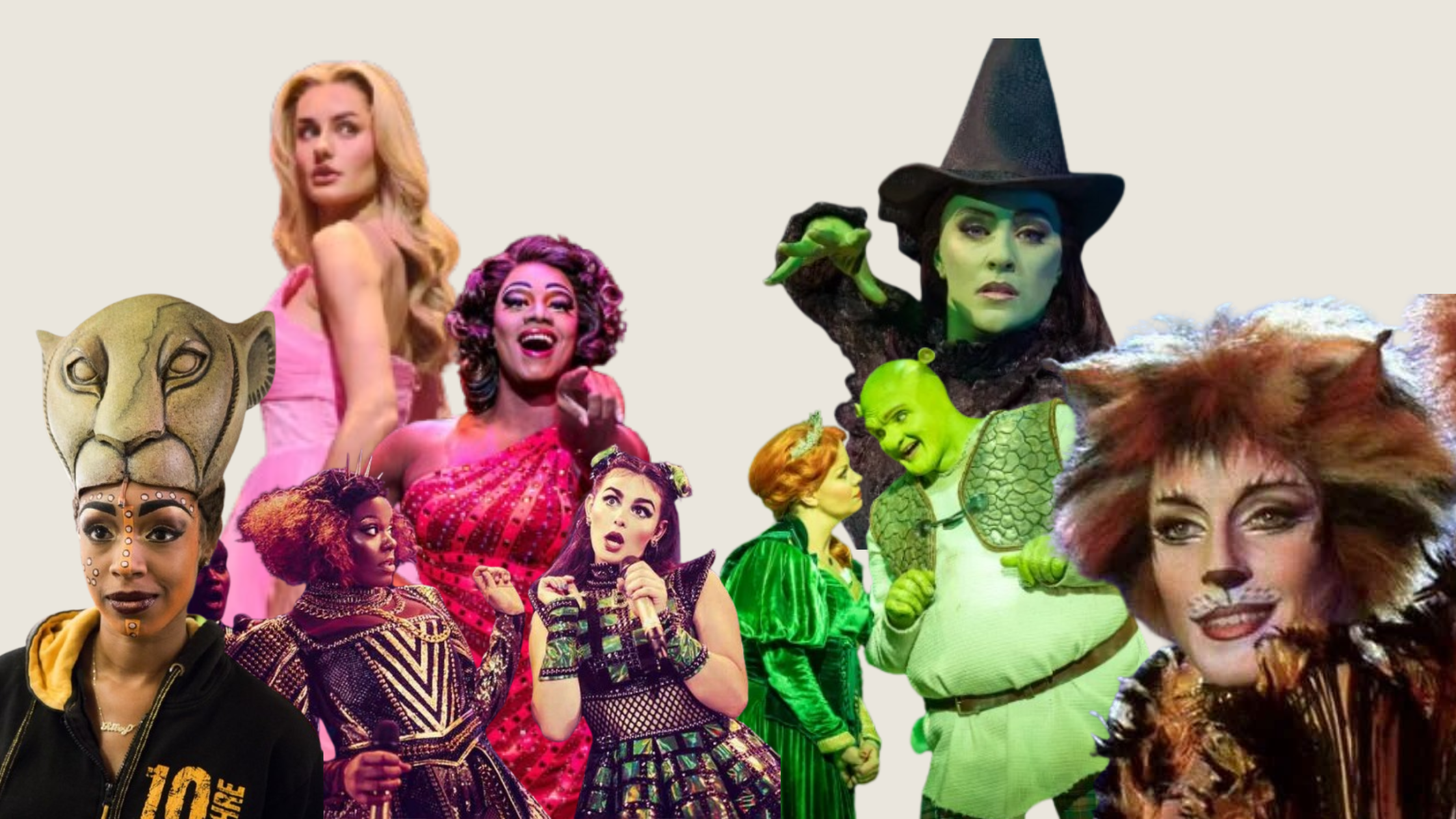
Imagine shows like Wicked or Cats without them. Elphaba not being green would completely change the story; it would be distracting more than anything else. And Cats just wouldn’t have the same magic and would lack the same appeal if the actors didn’t actually look like cats. The transformation is the storytelling.
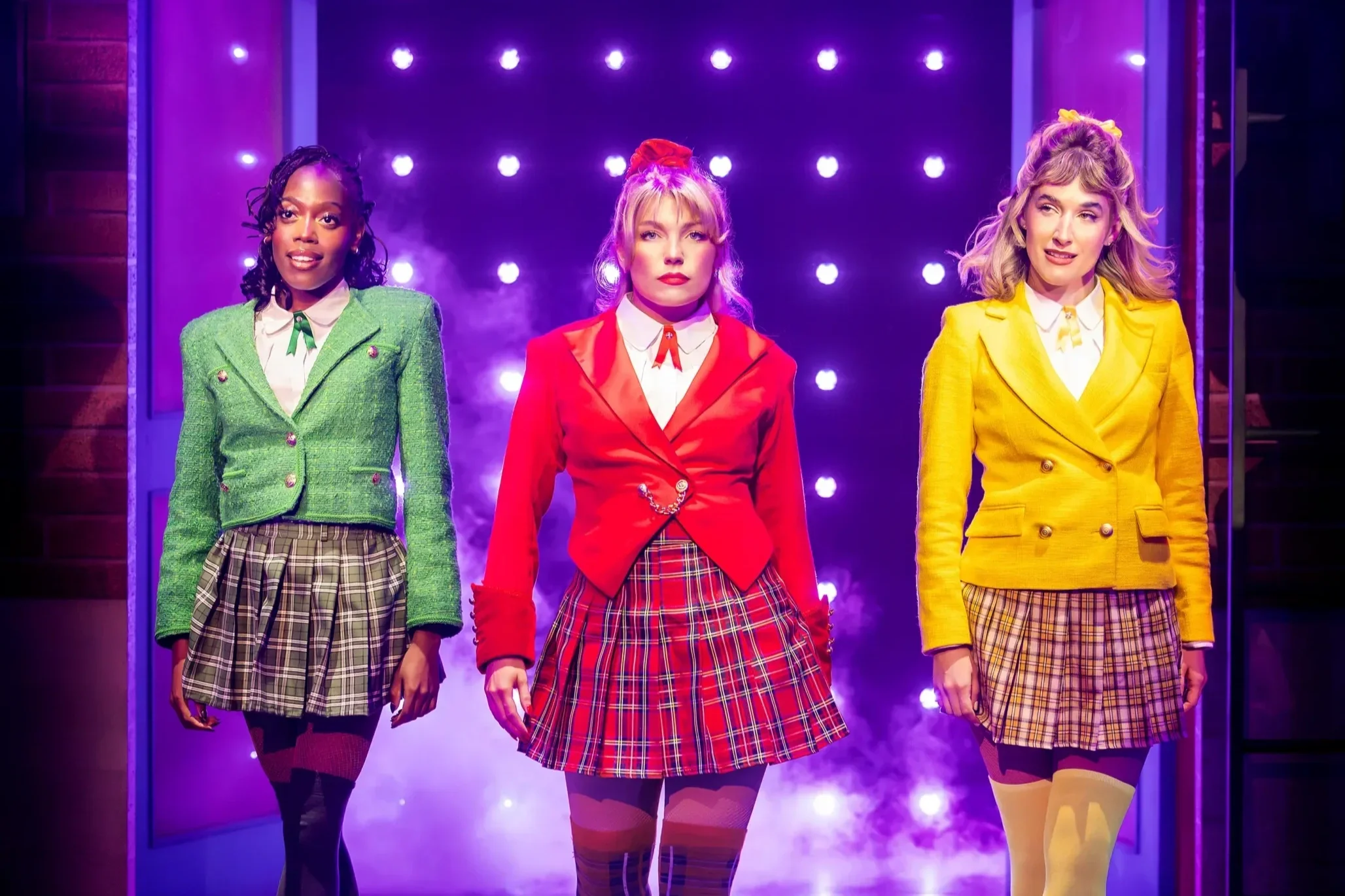
But it’s not only about the big, obvious examples. Think about Six, where each queen’s look is such a big part of who she is, or Hairspray, where those larger-than-life styles are completely tied to the world of the show. Even in more natural productions, subtle wig work, ageing and makeup quietly shape character, time and place in ways most people won’t consciously pick up on.
It’s also what makes so much of theatre’s versatility possible. Actors are constantly switching between roles, sometimes within seconds, and those transformations rely just as much on WHAM as they do on performance. Harrie Hayes, currently in Horrible Histories: The Concert, plays Elizabeth I, Death, a peasant, a highwayman, a dancer and Boudica, all in one show. That’s seven quick changes, each requiring some level of wigs, hair or makeup. It’s brilliant to watch as an audience member, but those seamless transitions don’t happen by accident. They’re made possible by highly skilled teams working backstage at speed, resetting, restyling and keeping everything consistent under pressure.
That’s what makes the lack of recognition so frustrating. This isn’t just an added extra; it’s a core part of how stories are told on stage. It takes real skill, creativity and consistency, especially doing it night after night, often in a matter of minutes or less.
Of course, it’s great that costume, set and lighting design are recognised. They absolutely should be. But after years of conversation around this, it does feel disappointing that the Olivier Awards still aren’t recognising wigs, hair and makeup as part of that same creative ecosystem. So this is our open call for the awards to start recognising the amount of talent that these teams have across our industry.
Because when it’s done well, you barely notice it.
But you’d definitely notice if it wasn’t there.