Antigone at Tron Theatre, Glasgow Review

Presented by the Tron Theatre in association with Groupwork, Lulu Raczka’s adaptation of Antigone (directed by Finn den Hertog) reimagines Sophocles’ tragedy through the relationship between two sisters, bringing the story of these Greek heroines down from their pedestals and grounding it in the lives of two young women. Although the original play is centred on Antigone’s experience with a wider political conflict, this production places her relationship with Ismene at the heart of the story, exploring the complexities of sisterhood and the experience of women in times of war. By having the sisters as the only two characters ever present onstage, the production draws our attention to their relationship, reminding us that beneath the political conflict and familial tragedy lies a deeply personal story.
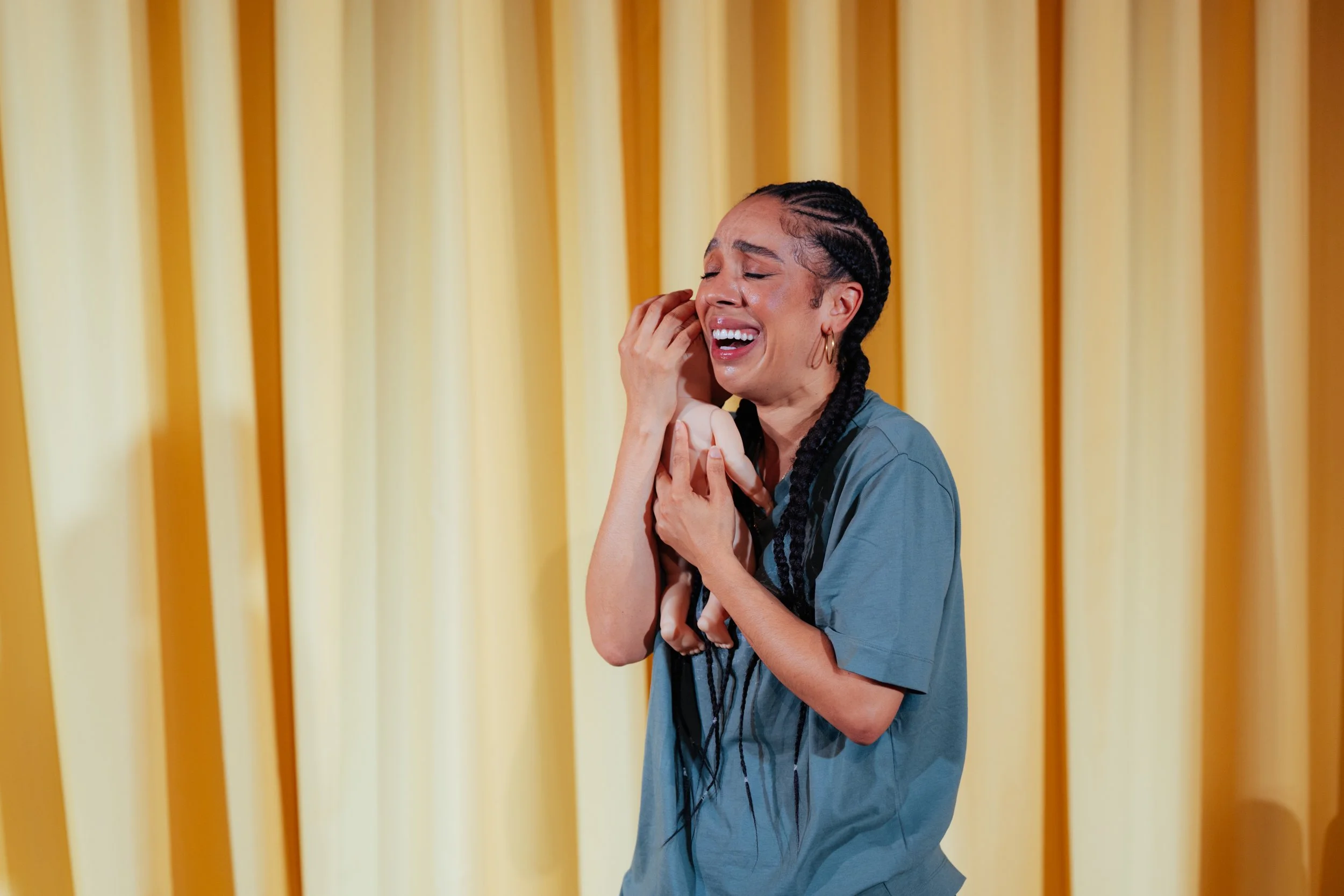
Milla Clarke’s set is plush and untouched, evoking a sense of youth and naivety that feels at odds with the violence of the world beyond it. There are echoes of the female virtue so heavily emphasised in Sophocles’ original play, with the pristine surroundings suggesting both a gilded cage and a padded cell. This delicate environment makes the brutality of the sisters’ circumstances all the more striking. Lewis den Hertog’s projections, meanwhile, are confronting and intense, displayed on such a scale that we have no choice but to share in Antigone’s desperation.
The contrast between the sisters is played beautifully by Holly Howden Gilchrist and Eilidh Loan. Loan’s bolshy Antigone (or ‘Tiggy’ as she is commonly known in this production) is characterised by an impulsiveness and bravery that befits her perfectly. She is fiercely determined, her defiance driven by a conviction that makes her refusal to obey all the more affecting. In contrast, the younger Ismene is withdrawn and nervous, existing in the shadow of her sister, but with a depth and complexity of her own. Their differences are particularly striking in the moments when they discuss teenage experiences of alcohol and sex, allowing their youth to emerge and grounding these mythological figures in the reality of teenage life. These glimpses of ordinary adolescence make their circumstances all the more heartbreaking.

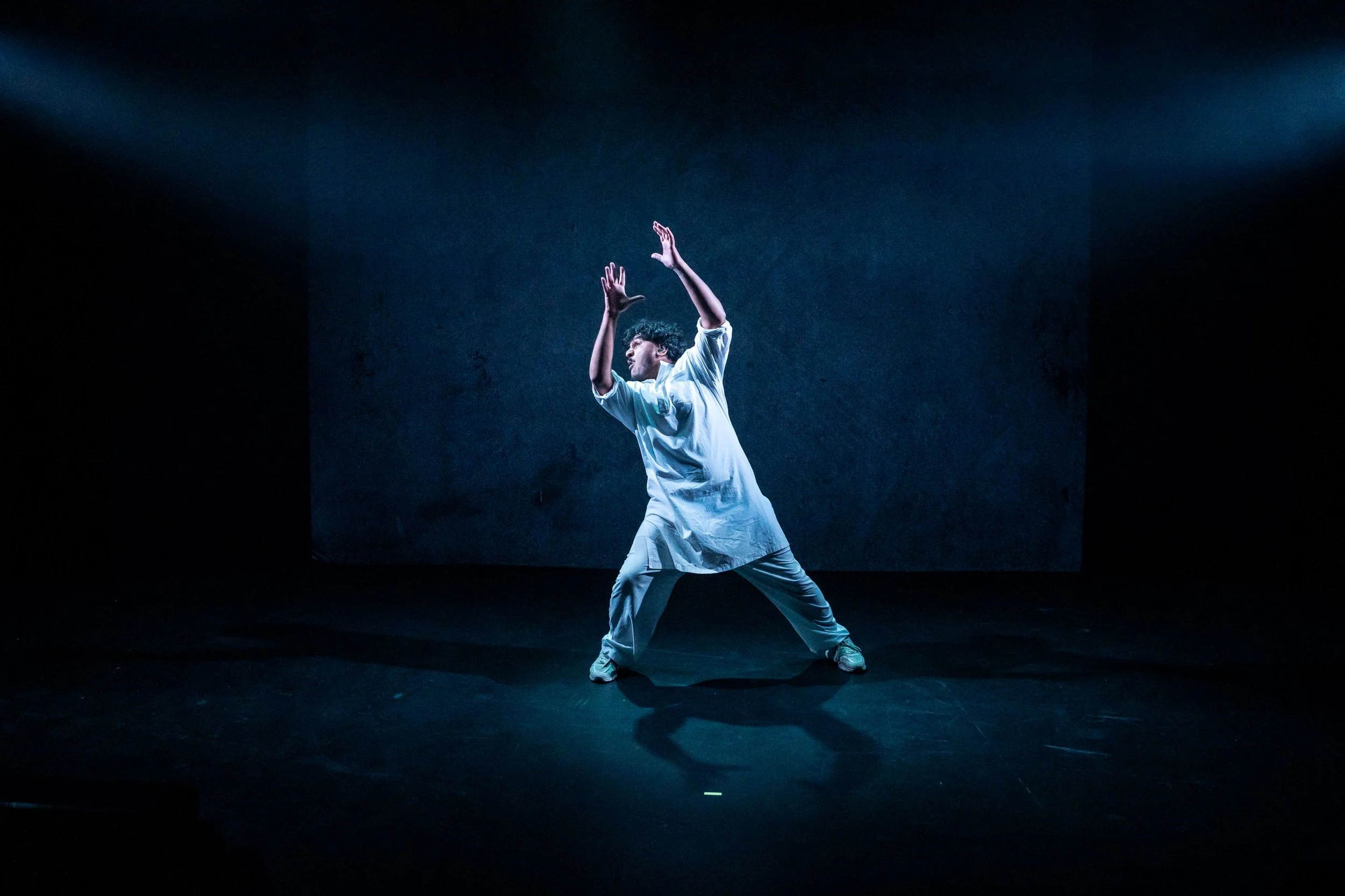
Movement direction by Vicki Manderson effectively creates the outside world described by the sisters. A particular highlight is the fight scene that takes place upon Antigone’s leaving, which conveys the sisters’ desperation and the rawness of the conflict.
The production’s lack of an interval means that its pacing does occasionally begins to drag, with dialogue and movement becoming slightly repetitive. While the intimacy of the sisters’ relationship is compelling, some moments would benefit from greater variation in rhythm and intensity.
Ultimately, the tragedy of this Antigone lies not simply in the death of its titular heroine, but in the destruction of the bond between two sisters. By stripping away the grandeur of Greek tragedy and placing women’s experiences at its centre, the production offers a fresh perspective on a familiar story. Its most affecting moments are those in which the sisters’ youth, vulnerability and love for one another come to the fore, reminding us of the human cost of a world shaped by violence and conflict.
Antigone plays at Tron Theatre, Glasgow until 10 October.
★ ★ ★ ★
Written by Madeleine for Theatre and Tonic, September 2026.