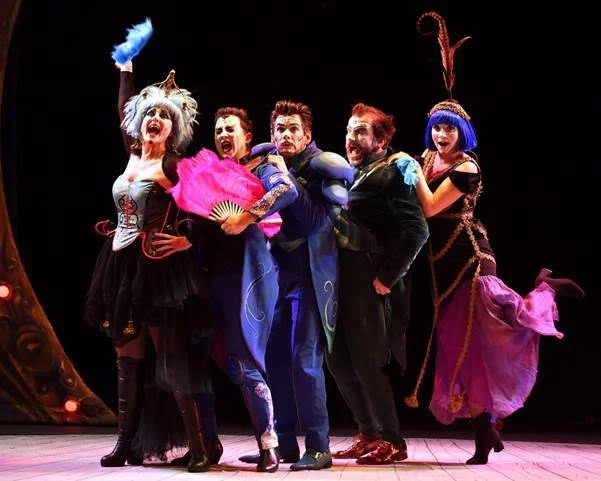
Interview with Joel Joan, Vània
Conducted by Laura for Theatre and Tonic.
This interview was conducted in Catalan and later translated into English.
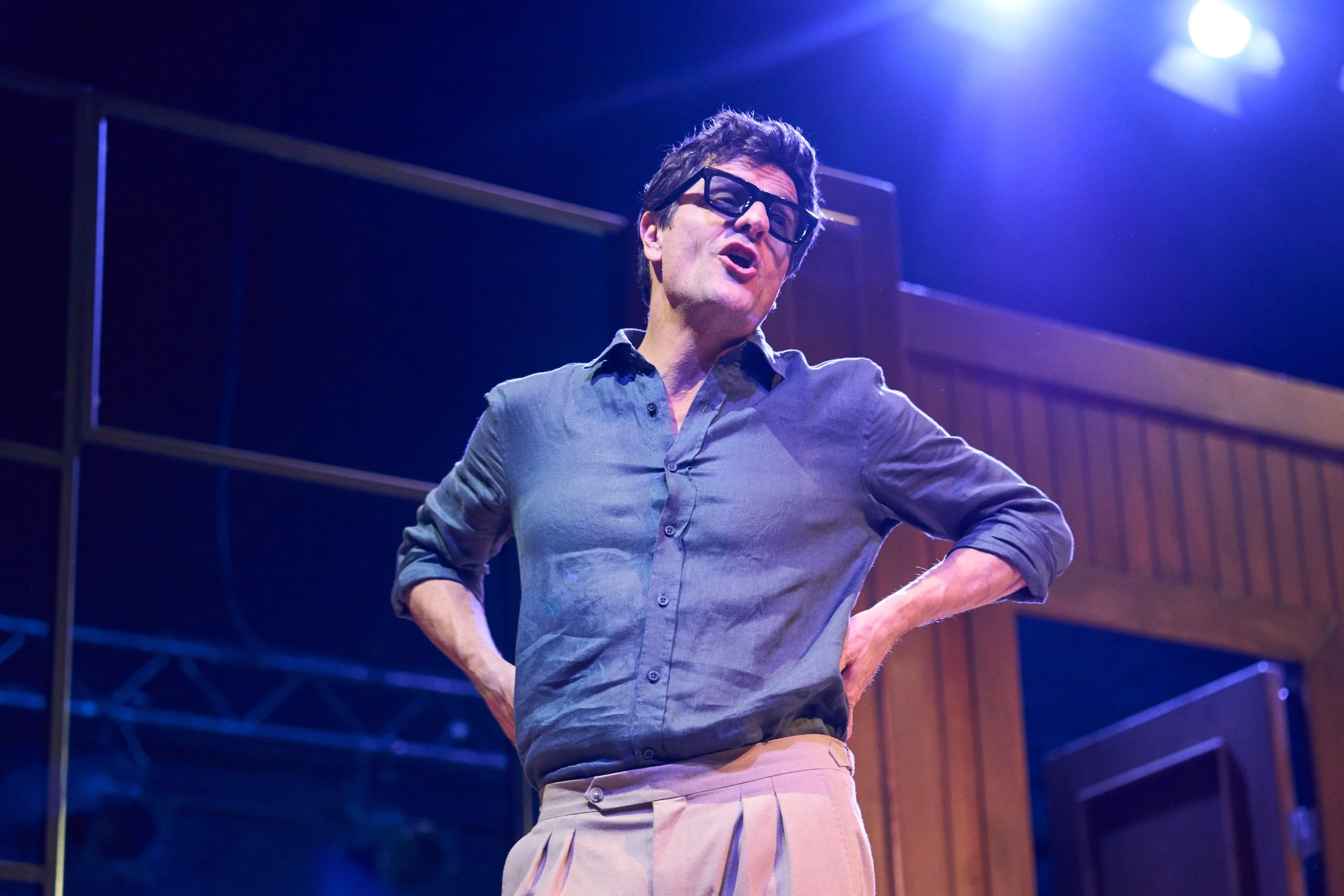
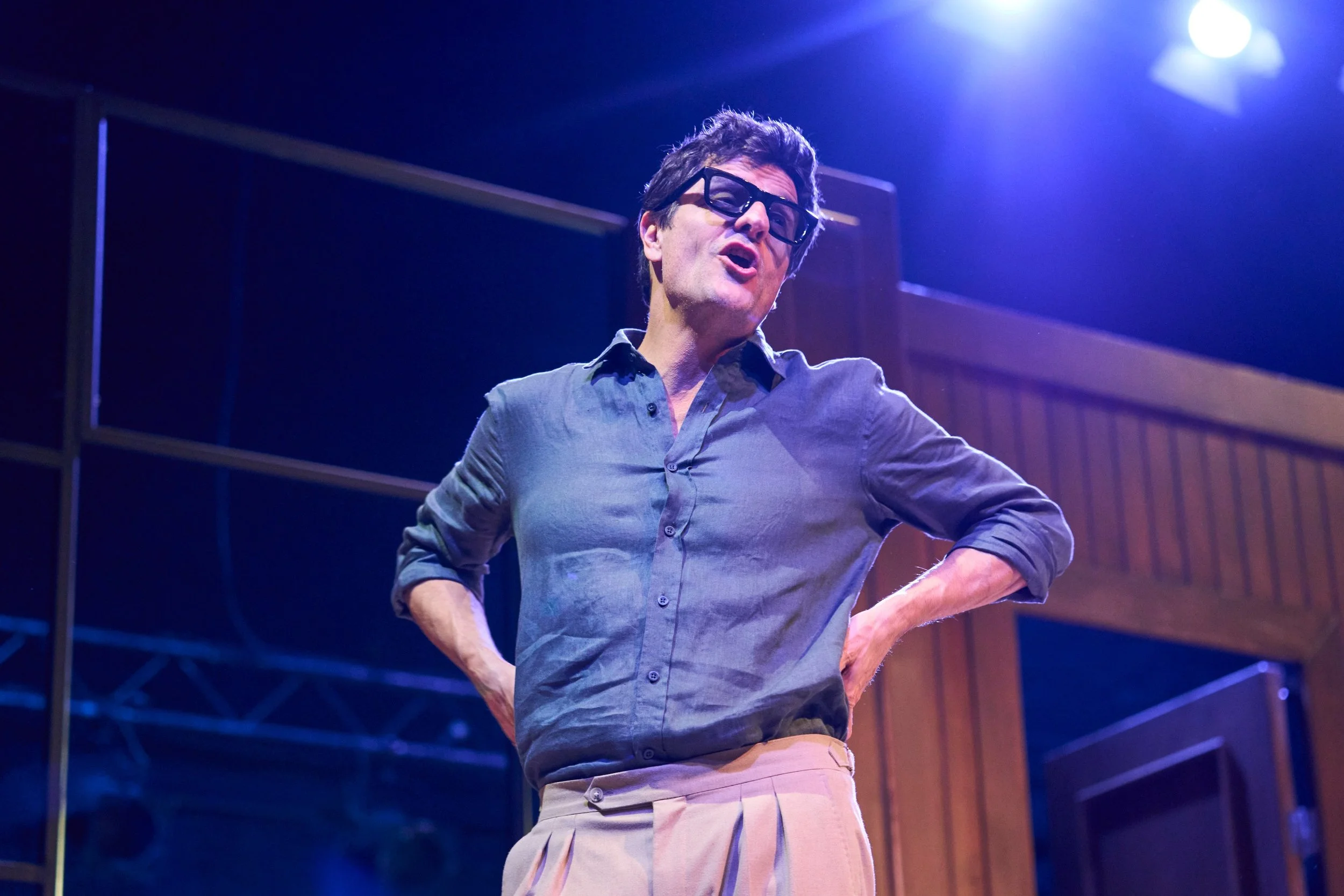
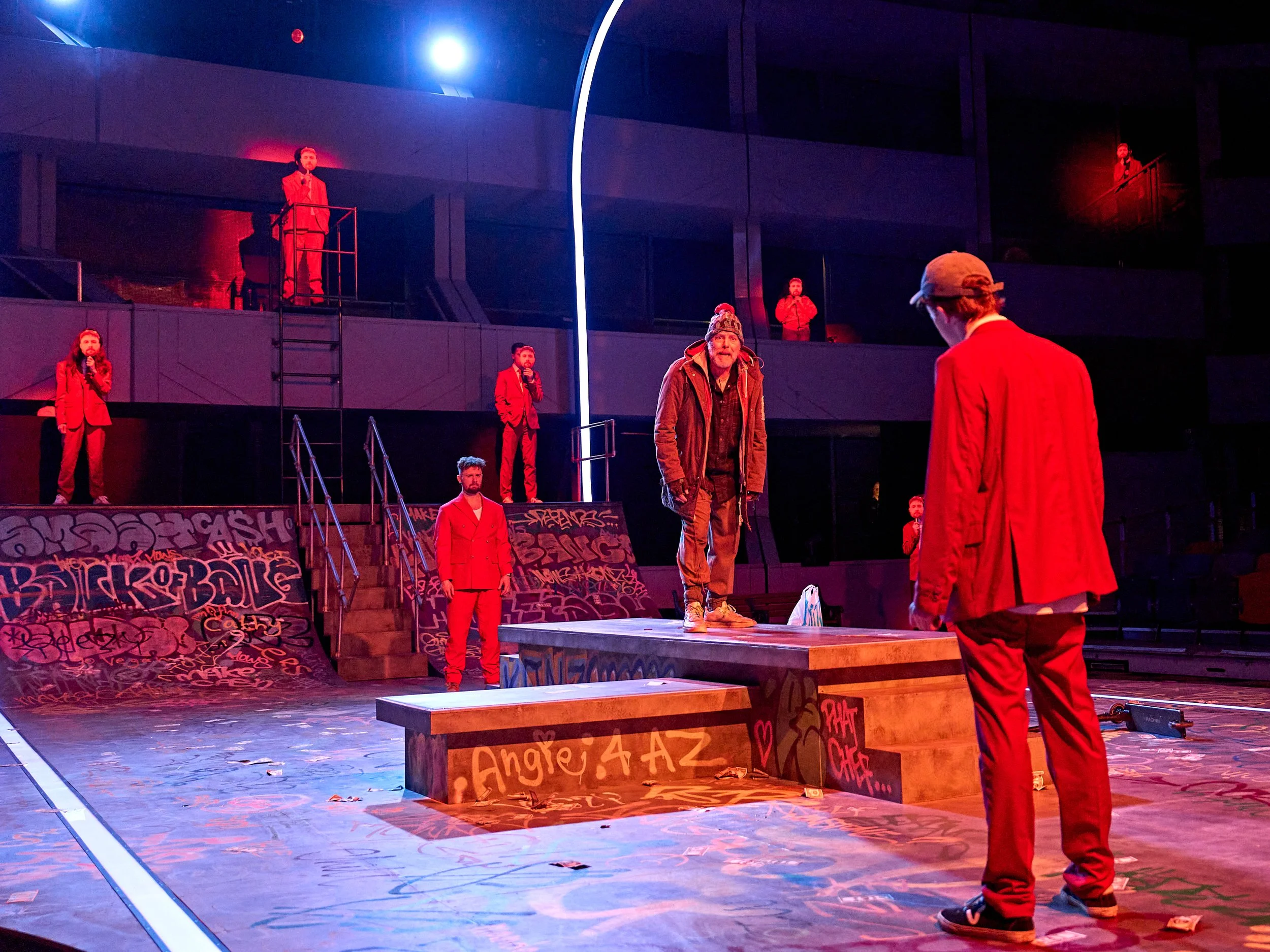
Joel Joan takes on the most challenging project of his life with Vània, an adaptation of Simon Stephens’ reinterpretation of Uncle Vanya, which premiered in London in 2023. In this production, Joan performs all eight characters alone on stage in a one-man play, directed by Nelson Valente.
In the UK, where our readers are, Vània has already been performed and experienced. I found it funny that you hadn’t seen Andrew Scott’s version.
No, no, it was impossible. In fact, when they suggested it to me, they were showing it in a cinema here in Barcelona. And I decided not to go. Because it stops you... Andrew Scott is very good. If I tried to imitate him, I would only make a fool of myself. And secondly, it is always important to find your own way of expressing yourself, to be authentic with yourself. Because if not, I don’t know what interest there would be in me doing it and the audience seeing me if it is someone else’s work. And it really blocks your imagination.
So you’ve decided not to see it? Ever?
No, I will not see it because I want to keep the memory of my own version. If I see it, it will definitely cancel everything out. Maybe I will watch it one day, but now I have to focus on myself, and I don’t want Andrew’s ghost here. I want to be free.
I’ve seen in the promotional videos that your script is full of colors and notes. I imagine it has been a huge project. What was the preparation process like for you?
Like when you take competitive exams or your college entrance tests. Very similar: many hours of studying and understanding the play and understanding each of the characters. I kind of did a PhD on Vània. I know everything. Each character, why they say what they say, how they say it and what their life situation is.
It’s been a huge amount of work and very hard to memorize because there isn’t a narrative thread guiding you through the story. It’s the story stripped bare. What each character thinks and what comes next. And that’s something I have never encountered before.
And there’s a lot going on beneath the surface, right? There is what is said, but also what is not fully said.
Always. In life and in theatre too, we say about 10 percent of what we think, of what happens to us.
When I saw it (I have seen the play!) it seemed very easy to cross the line between comedy and parody.
You mean you found Andrew Scott a bit parodic at some point, huh? (laughs) It’s okay. It is a fine line, yes. But that is what Chekhov said: he always considered it a comedy. As with all comedies, if there is no drama, there is no play. That is why it is called dramatic art, because conflict is what makes us laugh or cry. And Simon has emphasized that a bit.
There are moments when a character can border on parody. Saul [Liam in the original Vanya], for example, who is this poor guy living in that house. He is very funny. He is the absolute loser, the pushover. The guy who no longer has a home, lives with other people, and on top of that, his wife left him the day after they got married, but he remains faithful. He is a marvelous loser. I am in love with Saul.
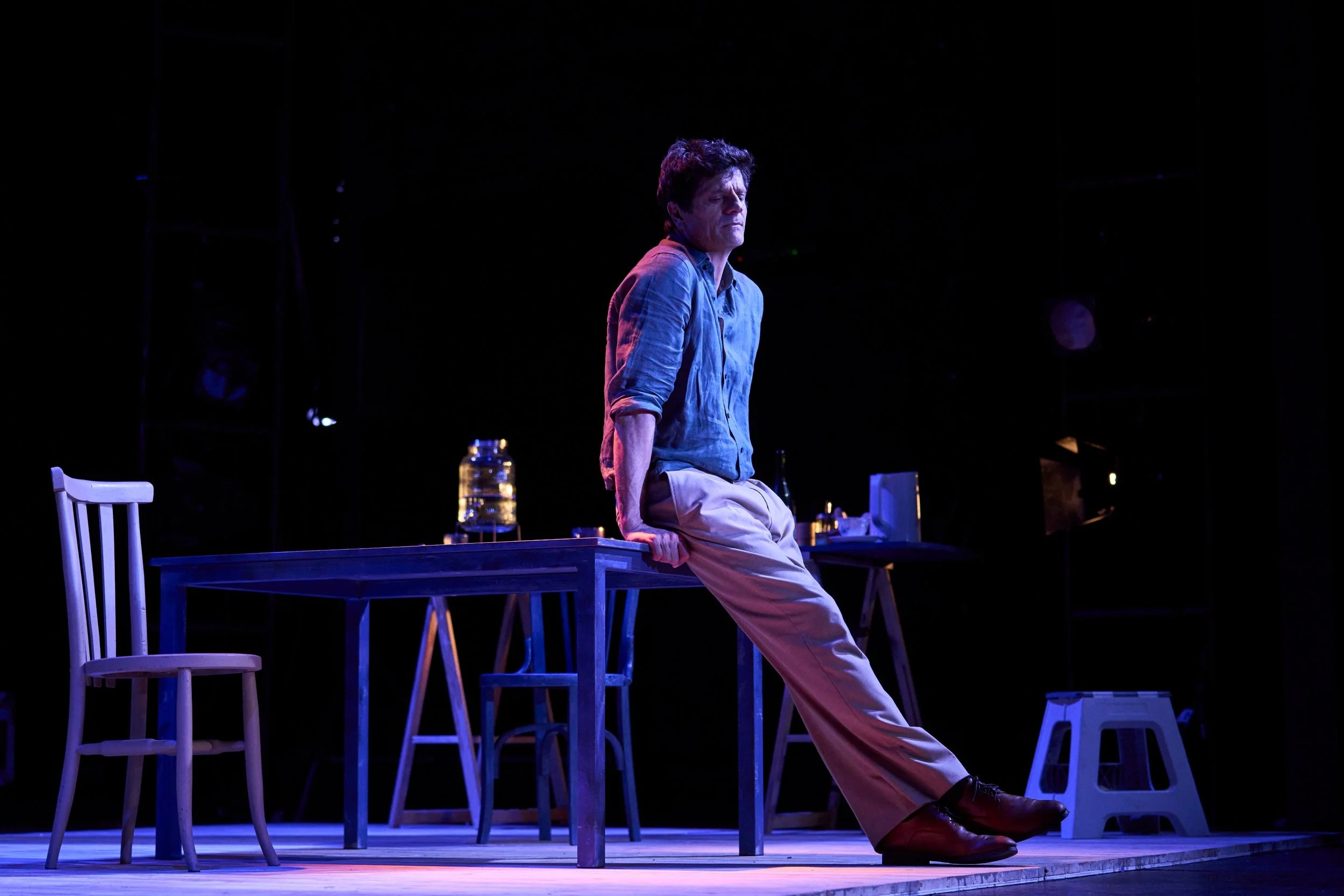
It is very important never to abuse the audience. Not even in comedy. It is okay for there to be moments when people don’t laugh and enter a different register. That’s what we aim for in theatre: to shake the audience, to surprise them, to play with their emotions. Not to treat them in a monolithic way: “this is a drama and here we came to cry”. Yes, it is a drama, but sometimes it’s funny. Sometimes it is more tragic than dramatic.
Ultimately, Uncle Vanya is a celebration of life from the perspective of the losers, which is kind of what we all are. We all would have liked to be Oprah Winfrey, but there is only one. And that makes us feel very close to these characters. We are all frustrated, we are all happy, everything is compatible. Life has many layers. And mocking the character does not mean you stop loving or respecting them. That is the charm of great authors.
You talk a lot about how much you love and know them. Which would you say has been the easiest character to step into? And which the hardest?
Maybe Uncle Ivan… but it was not easy either. I prefer not to choose, like Sofia does, who is the best. Even the smallest ones, like Saul, generate infinite tenderness in me.
In reality, everything has been very difficult. Nothing has been easy. It’s probably the hardest thing I have ever done in my life.
You produce, write, and act in many of your works. What makes you decide to get involved in projects like Vània, Venus in Fur, or Frankenstein?
Firstly, it is work and I have bills to pay, like everyone. And secondly, I need to keep my mind busy. Acting has periods where you’re just twiddling your thumbs. And this season I wanted to do something but step out a bit from comedy. Escape Room I already know very well. And comedy is very rewarding. Making people laugh is a superpower. But I felt like doing something different. And that is why I chose Vània.
You went for the hardest!
Exactly. What I wanted was a little five or six character play, to engage with a company, and then go for a beer together. But this text came out. And since I am also a bit childish and Andrew Scott did it, I thought “if he can do it, so can I!” As if I were in his league. These are my fantasies.
When I did the monologue Jo soc la meva dona (I am my own woman), I promised myself never again. It’s just very sad: you show up at the theatre alone and leave alone. And on stage, all the tension falls on you; you cannot relax for a second. But the proposal was so intense, so cool, that I thought either I do it now or I never will. My brain is not like it was at 25 and memorizing gets harder and harder.
And an opportunity like this does not always come along, right?
Exactly. The opportunity to do this text this way, in one of the best theatres in Barcelona, the Romea… I had to say yes.
Speaking of Escape Room, why did you decide to make a film instead of just recording the play?
We did both. The play is recorded, both the first and second versions. But the second one will not be seen until after the film. And we made the adaptation because both Hector and I are very much about cinema. Cinema has tools that theatre does not. Theatre is a stage, with limits. In cinema, you can let your imagination fly, take the characters to different places.
With a film you gain things, but you must lose some as well.
Yes. In cinema you always lose a bit of comedy. Theatre is more rewarding in that sense. I laugh more in a theatre than in a cinema. But you gain realism. Suspense or horror can be worked on much better in cinema.
There is standard Catalan and everyday Catalan. Something I really like about your projects is that you use the Catalan we all speak. Has that been incorporated in Vània?
No. Here, the translation is by Joan Sallent, who is the best translator we have in Catalonia right now, he translates a lot of Shakespeare. He manages to use everyday Catalan without barbarisms or Spanish calques. He is very meticulous with the language and at the same time makes it sound very relatable.
When I write contemporary things, yes, you see the ‘buenos’ or ‘gilipolles’ like we say on the streets. For me, the important thing in a language is its syntax, its genuine form. When we do calques from Spanish, which takes up all the space, that is when we lose authenticity.
In fact, Plats Bruts was very transgressive because we did not want a linguistic corrector on set. We used street words, some Spanishisms. And now it is used in many schools to learn Catalan. At first, on TV3, Catalan had to be very standard, and that distanced it from everyday speech. With Plats Bruts we broke that, and even today it sounds natural.
You can catch Joel Joan’s Vània at Teatre Romea, Barcelona, only until March 22nd.