MAGIC at Chichester Festival Theatre Review
Written by Stephen Gilchrist for Theatre & Tonic
Disclaimer: Gifted tickets in exchange for an honest review. All views are our own
Ok. Full disclosure. I am a member of the Society for Psychical Research, the august organisation to which Harry Houdini pledged twenty thousand dollars if anyone could prove to him the existence of the supernatural.
Magic is the world premiere of David Haig’s play about the search for the truth of the afterlife by two anguished and celebrated souls, Houdini after the loss of his beloved mother to whom he was devoted, and Sir Arthur Conan Doyle, whose son, Kingsley, a twenty six year old officer who served and was wounded in WW1 but died of influenza in 1918. The play is said to be based on meetings between the two, their evolving friendship during the 1920s, and the fracture of that friendship as they ended up promoting opposing sides of the reality of spiritualism.
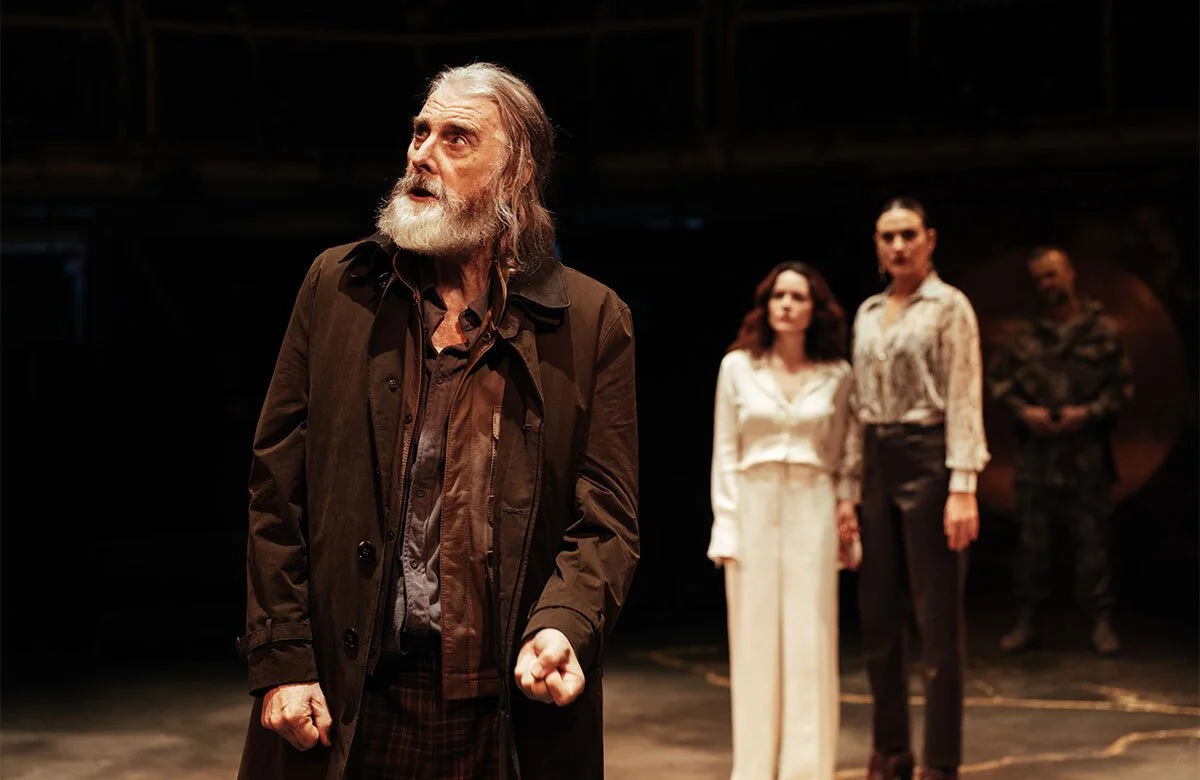
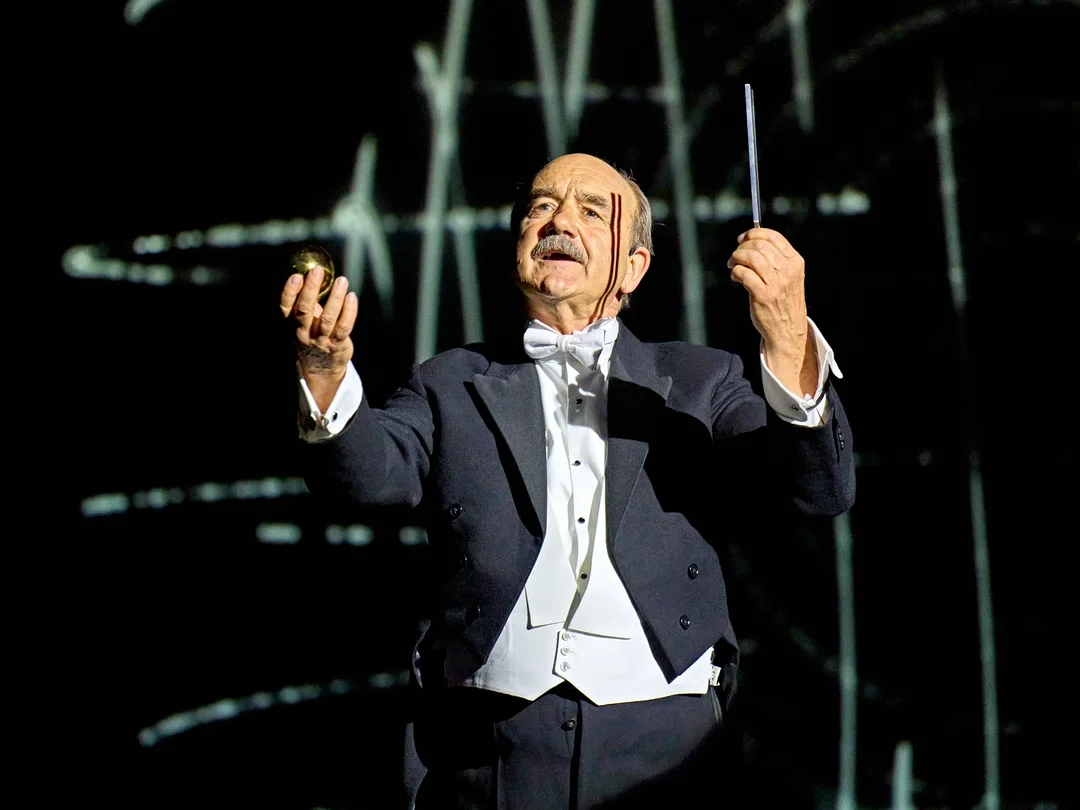
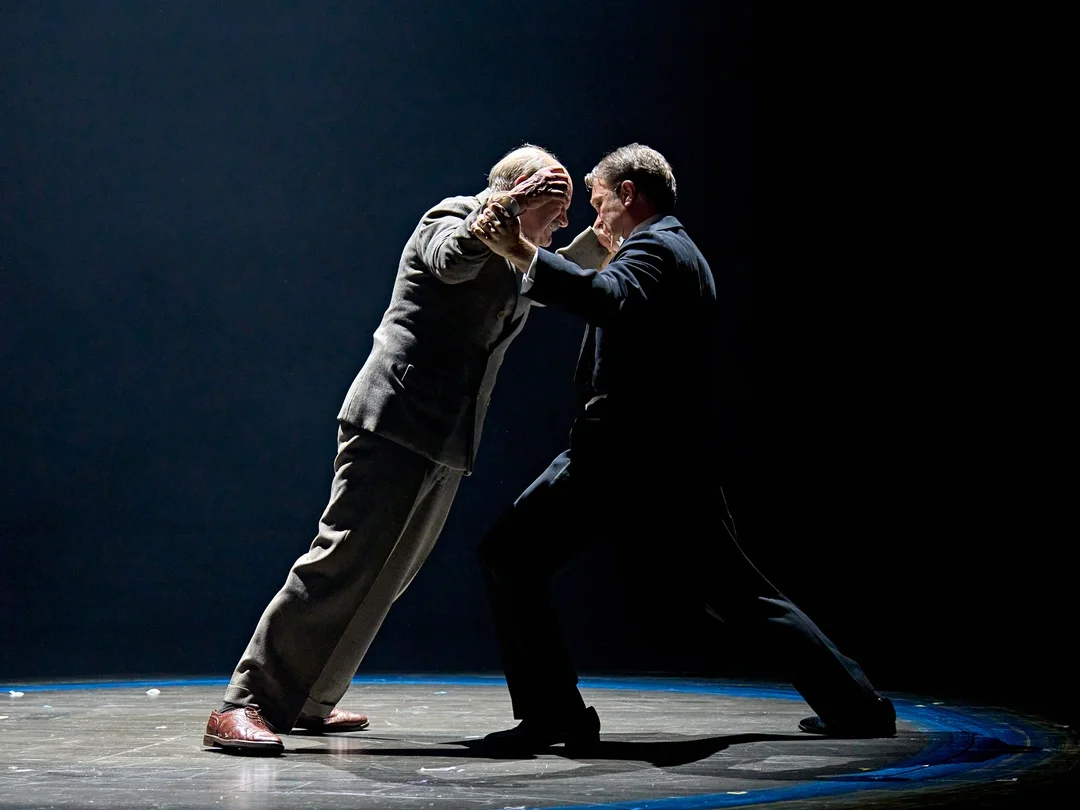
Haig himself plays Conan Doyle with a cultured, endearing sincerity, clinging to the belief that psychic phenomena exist and can be explained scientifically, although he is presented here as somewhat gullible to the guiles of fraudulent psychics. Houdini, played by the exceptionally versatile Hadley Fraser, is the Jewish boastful, bombastic American illusionist and escapologist, whose scepticism and disappointment in being unable to contact his deceased mother turns his life into a passion for debunking frauds He dearly wants to believe in the faith of his friend Conan Doyle, but cannot abandon his inbred scepticism. Their friendship is touchingly drawn in emotional and intense scenes.
The theme of the play is less about the two protagonists and more about the measures that some will take in a desperate quest for solace. Conen Doyle is pitiful, Houdini, angry after two seances with Mina Crandon, an American psychic medium who claimed to channel her dead brother, Walter Stinson.
Widely touted for her alleged paranormal skills by Conan Doyle, which, in the play and in real life, are disproved by Houdini. In these two key climatic and suspenseful scenes, Mina Crandon is played with real energy, power and authenticity, and in the finality, with extreme antisemitic malevolence towards the magician, by the excellent Jade Williams. Jenna Augen as broadly New York- comedic Bess Houdini, Harry’s wife, and Clare Price as Conne Doyle’s wife, Jean, offer fine support. The play does not opine on the truth behind spiritualist belief, which is left hanging in the air, but this is not really the point of the show. The play is about bereavement, grief and the search for solace.
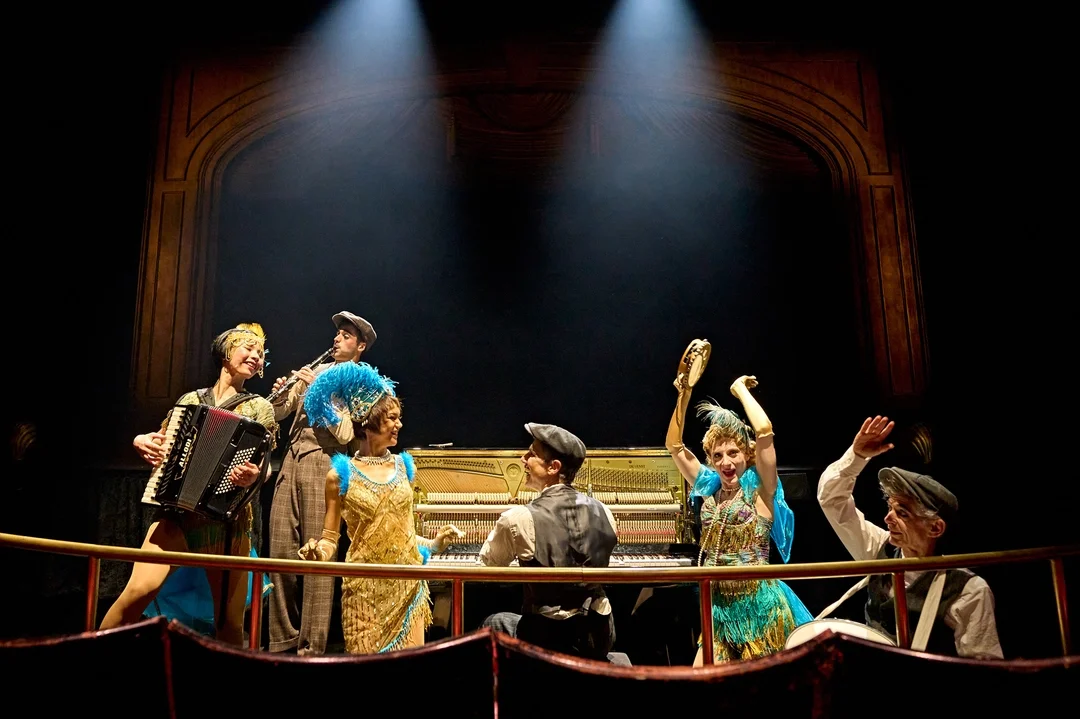
Under Lucy Baily’s direction, a lot of care has been showered on this show. Bess in real life was a Flora-Dora singer and dancer, and there are vaudevillian dance turns (movement director, Ayse Tashkrian) between scenes to live music (composer Orlando Gough. The CFT’s revolve is used to good effect, and overall design by Joanna Parker is, in turn, theatrical and spookily bare. There are colourful recreations of some of Houdini’s illusions (designed by John Bulleid), with an indication of how these were accomplished.
This is not Haig’s first play , and he has a fine sense of the theatrical and draws his characters colourfully and sensitively. His narrative may not be poetic or lyrical, but it is certainly entertaining and gripping. As my companion said, you could hear a pin drop during the séance scenes.
This is a fine, engaging and intriguing night out. Performances and production values are first class. In short, it is a class product.
Magic plays at Chichester Festival Theatre until 16 May 2026.
★ ★ ★ ★