Can a Show’s Reputation Be Harmed by Its Fans?
Since its conception, the theatre has relied on its fans to help keep a show on stage. However, when fans become too passionate, can this lead to a negative effect for the show?
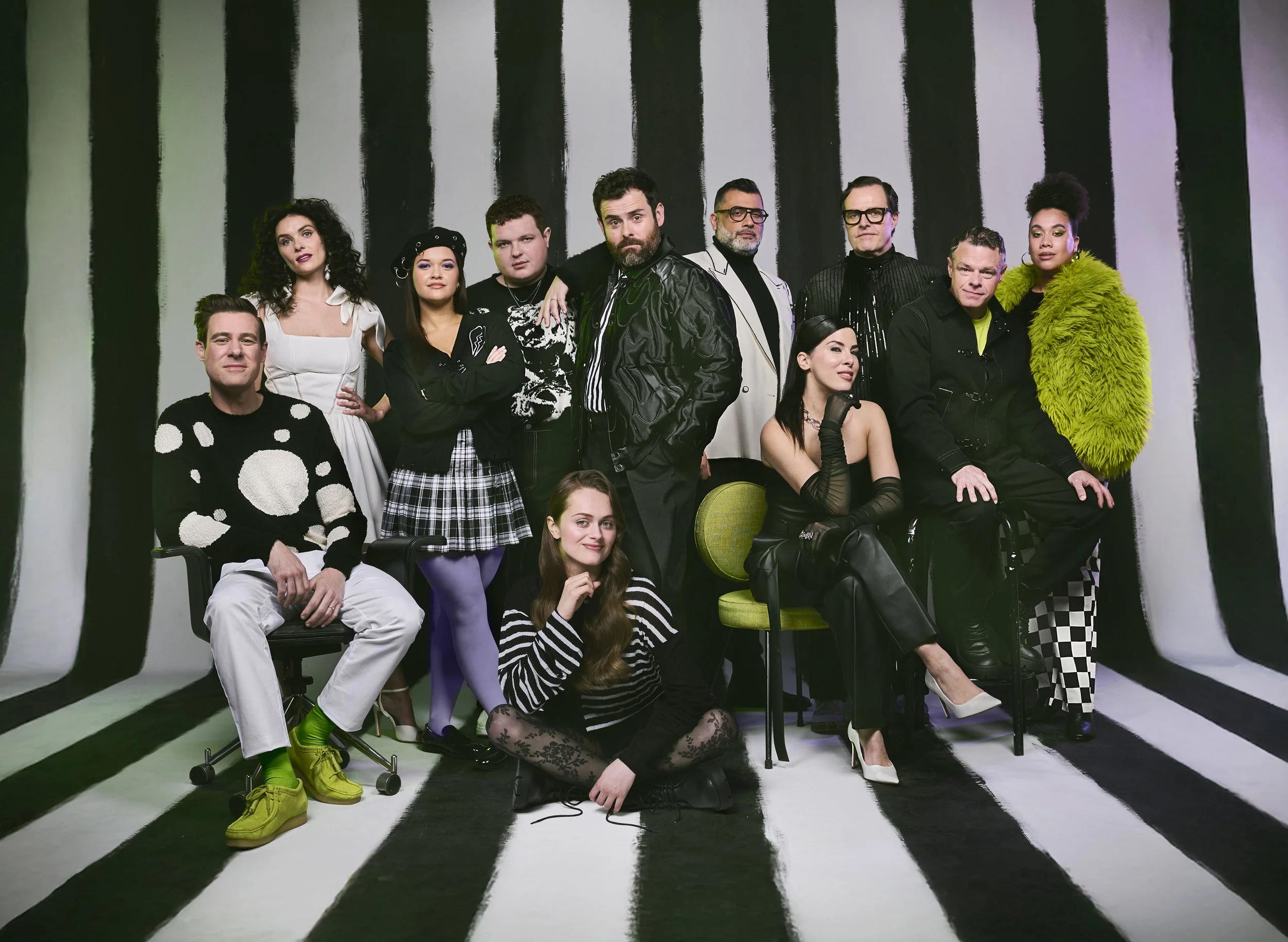
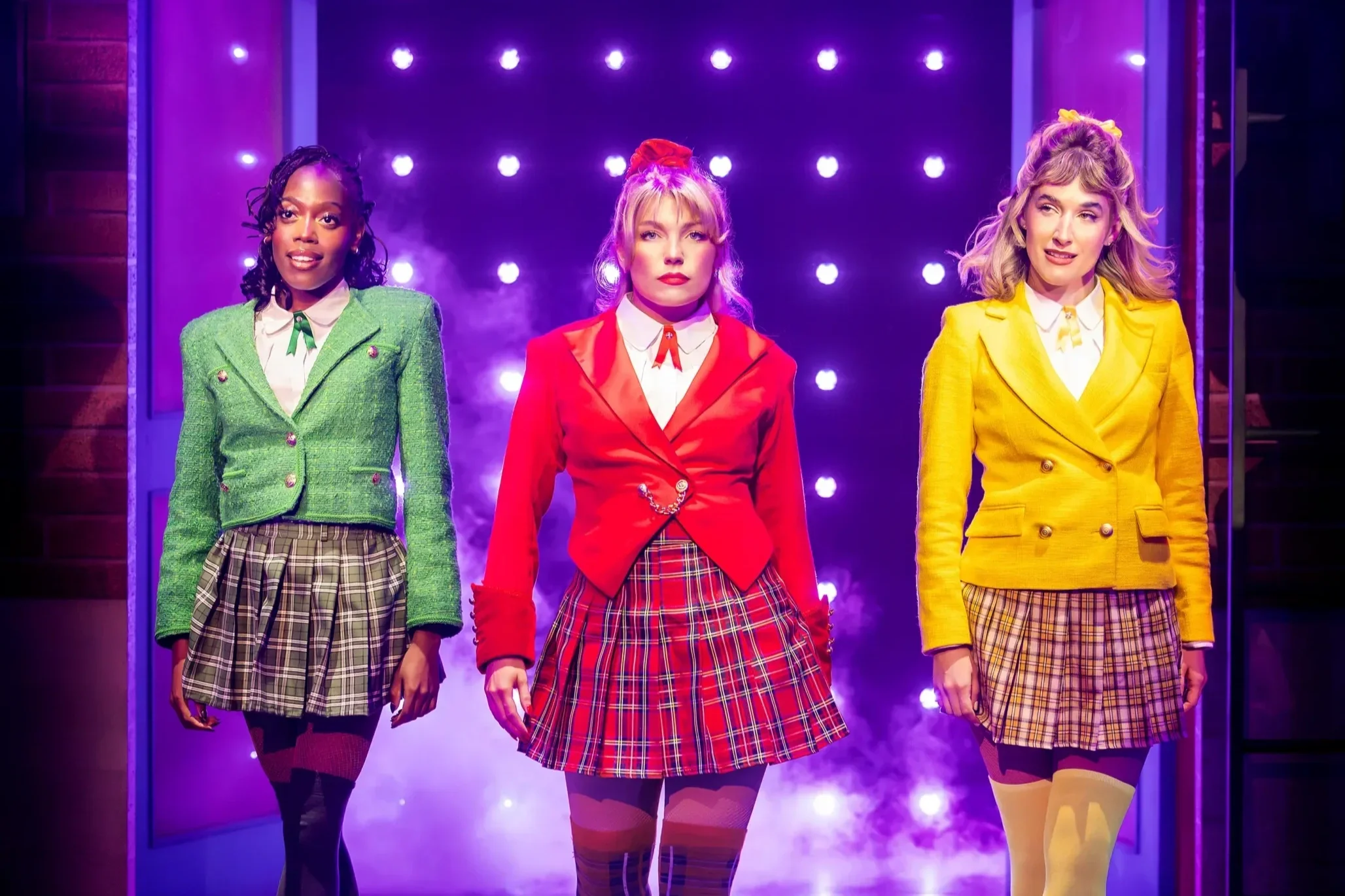
Heathers The Musical, adapted for stage from the 1989 film ‘Heathers’, debuting to mixed reactions off-Broadway in 2014, has become one of theatre’s most beloved shows. This has led to an international fanbase flooding to see the show each year, and creating communities both on and offline to support the show. Alas, this at times has led to negative views of the musical and its fanbase as a small number of people work to keep only an exclusive group of fans in the show’s inner circle.
Theatre etiquette has become an ongoing conversation in the media since COVID, with many people feeling it now ceases to exist. Heathers the Musical has not escaped this curse, with corn nuts (the Heathers the Musical fanbase) being regarded as oftentimes inconsiderate to the audience around. There have been times of singing full volume along with actors, shouting lines back to characters during scenes and mirroring choreography whilst sitting in their already cramped seat. For this reason, Corn nuts have become a hindrance to the show, with Kate Rockwell (Broadway’s Ms. Fleming) even taking to her personal Instagram account to ask fans to stop this behaviour as it is disrespectful to not only other audience members but cast and crew who are trying to concentrate to give the best performance possible.
Hate towards English versions of Heathers has been long-standing, with many fans not enjoying the changes made to the show when it transferred over to the West End in 2018. It is ok to not enjoy these changes; however, the reaction from hardcore fans became inappropriately large, with many sending hate towards the cast and creatives of the show. This has led to US fans calling UK versions of the show a ‘knockoff’, further downgrading the work of all the people involved with making it happen.
Casts often change in theatre for multiple reasons, and the new people who fill these roles do not always look like carbon copies of their predecessors. This has led to many actors in Heathers facing racist backlash from Corn Nuts who seem not to agree with people’s casting. However, if a person is a good actor for the character, and race is not a centralised story for the show, does it really matter who is in the role?
The gatekeeping of shows has been prevalent for many years, with this increasing over the last couple of years. But why is it that I am not deemed a worthy fan if I do not know every lyric to every song? And why is it a competition as to how many times I have watched a show with a different cast each time? This kind of mentality can take the fun out of theatre, and make it more of a race to collect the most programmes.
Stage Door has often been a topic of debate within the theatre community, with some feeling it has become over the top and others feeling it is the highlight of their show experience. But have fans begun to feel an entitlement to seeing the cast at the stage door?
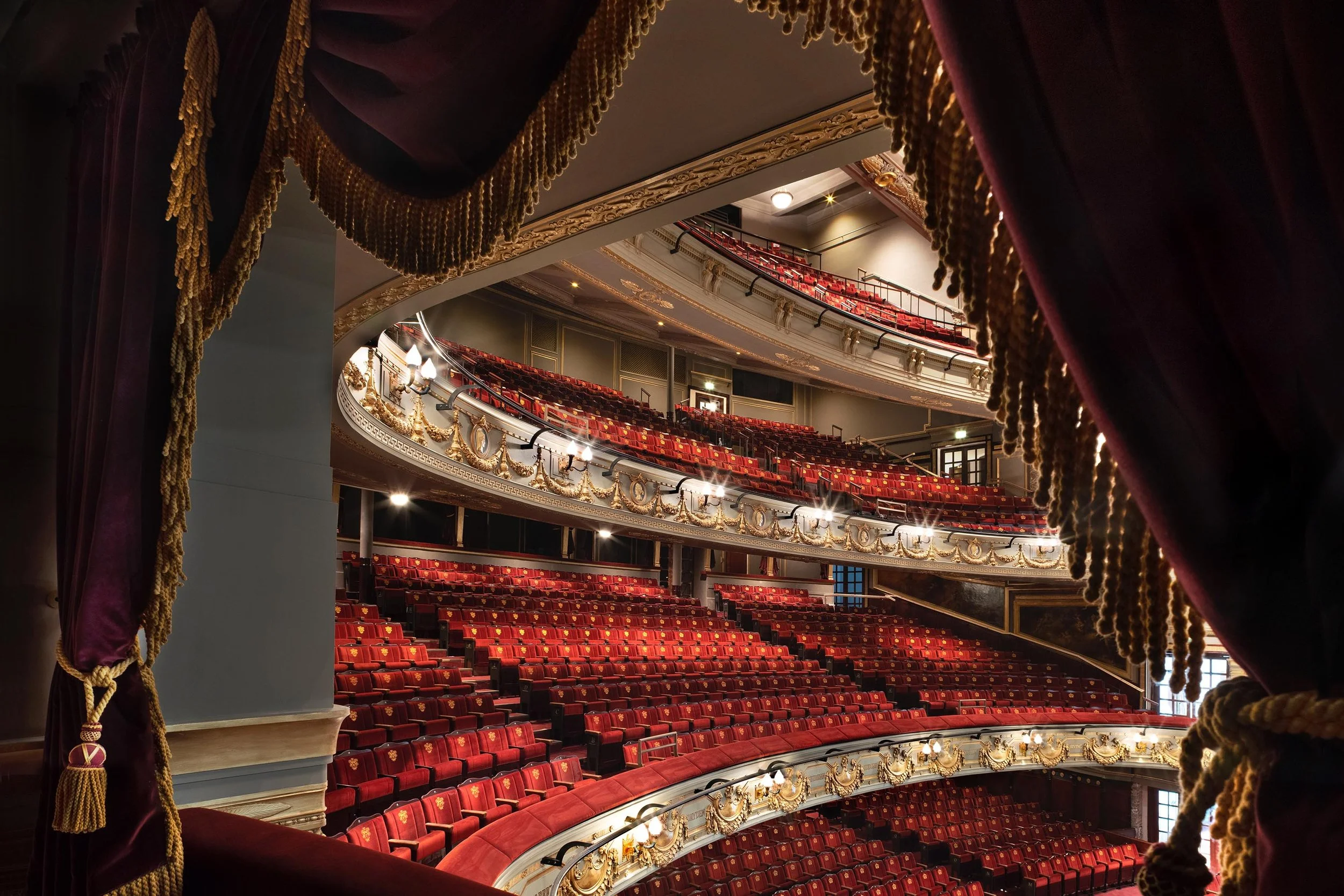
Back in May, Sadie Sink and Noah Jupe began a short run at the Harold Pinter Theatre in Romeo & Juliet, playing the titular characters. This is a somewhat smaller theatre just off of Leicester Square and therefore has quite busy roads and foot traffic. I was lucky enough to see this show during its run, and when I got home I was excited to look on social media to see how others had felt about the show after personally loving it. I was surprised to see that most of the dialogue about Romeo & Juliet was not about the show itself but rather the interactions people had at the stage door.
Coming off the back of Stranger Things, Sadie Sink was the big celebrity name attached to the show, and therefore people crowded the small area to get a glimpse of her arriving and leaving the theatre each day. However, it is not a fair evaluation to say that she is rude merely because she said, whilst arriving at the theatre, she was unable to take any pictures or sign autographs because she was late. At what other job would you be expected to meet 30+ people when you arrive at your place of work? If a show’s reputation is only about fans at stage door, is this detrimental to the actual show itself?
All shows deal with actors becoming ill or needing a day off; this allows for stand-ins to take centre stage and perform in these main character roles. However, in recent years this has led to backlash from fans who seemingly have only paid to see the show for a single actor. This seems somewhat disrespectful of the rest of the cast who have put in the same hours of work into the show and are being hated on for no reason. This kind of reaction could be expected if Ariana Grande turned up to perform Taylor Swift’s Eras Tour, as you had paid to see that artist, but if you had paid to see the musical Wicked, does it matter who is played which character if the show remains the same?
Overall, these shows’ reputations have been affected by their fan’s behaviour, but they remain successful and it is only a small number of fans that act in this manner. So have they been overly harmed, maybe not?
We’d love to hear your thoughts on this conversation in our comments section below!
Written by Ruby for Theatre and Tonic, August 2026.