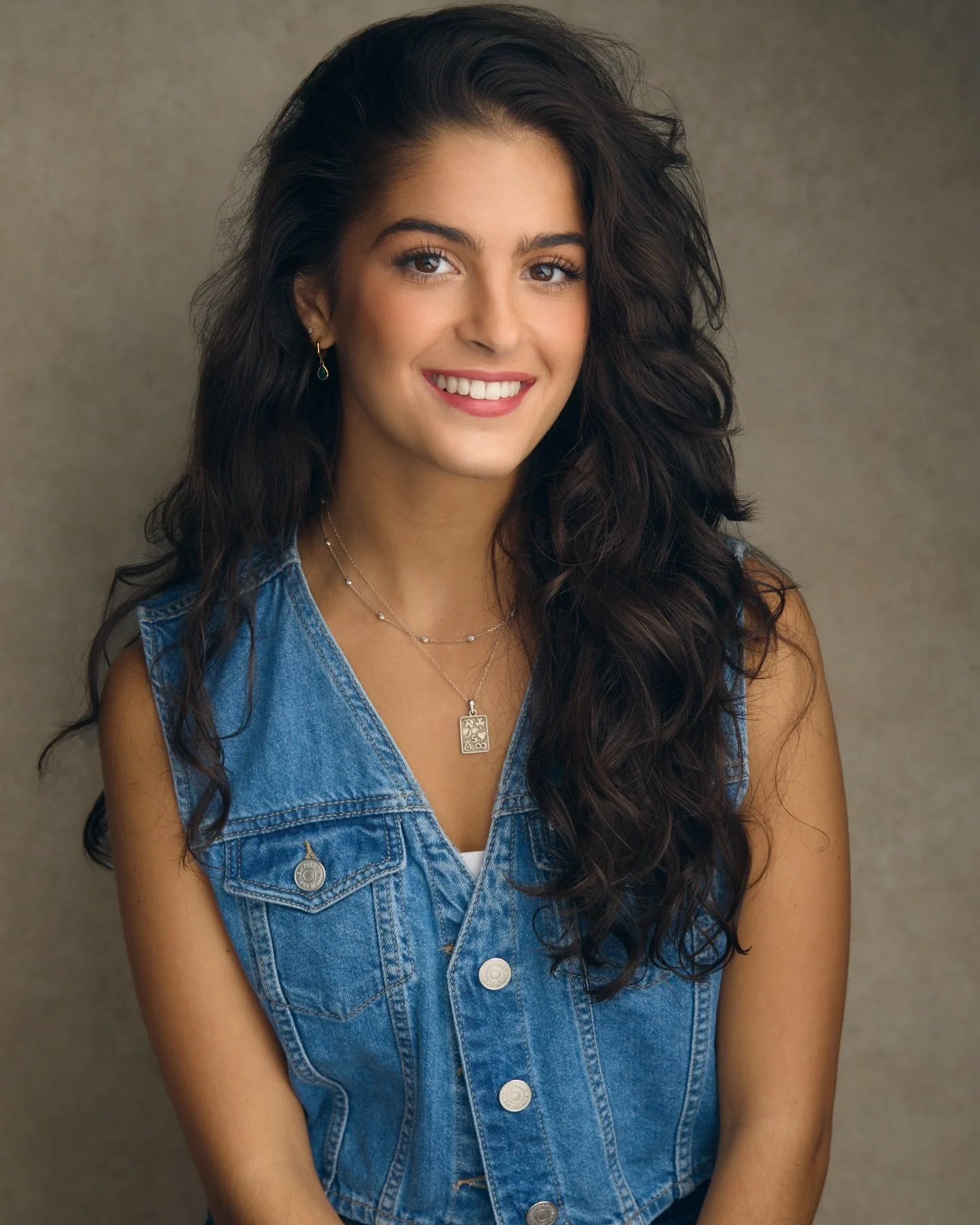
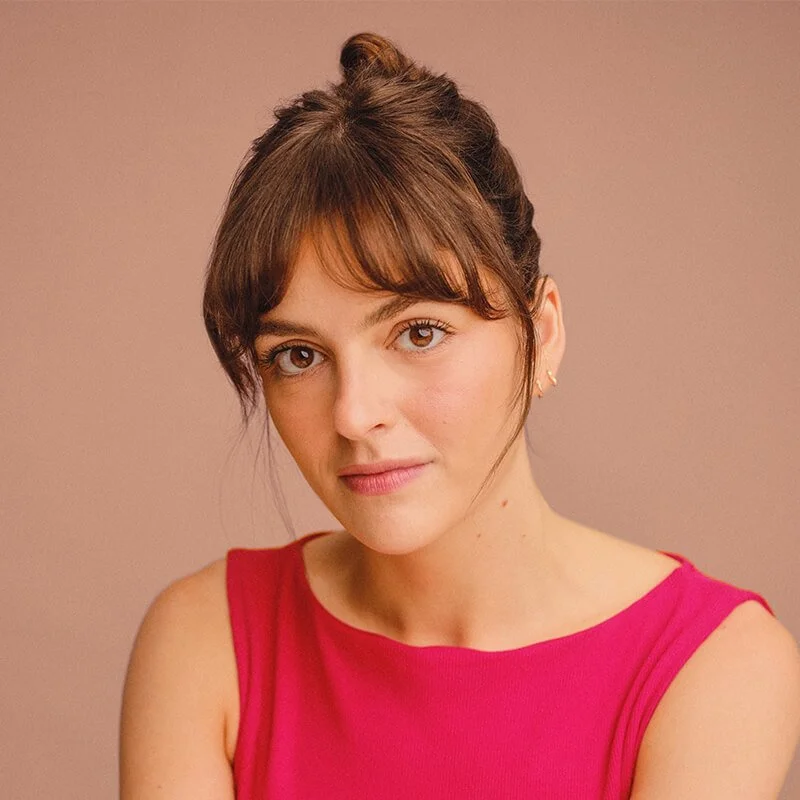
Interview with Farah Saffari, The Beekeeper of Aleppo
Conducted by Emmie for Theatre and Tonic
Nesrin Alrefaai and Matthew Spangler’s adaptation of The Beekeeper of Aleppo, the best-selling novel by Christy Lefteri, embarks on a brand-new UK tour this year. Making its first stage debut in 2023 at the Nottingham Playhouse, the story follows beekeeper Nuri and his wife Afra as they are forced by war to escape the beautiful Syrian city of Aleppo. Directed by Miranda Cromwell, the new tour kicks off once again in Nottingham. We chatted with Farah Saffari to find out more about this important piece of theatre.
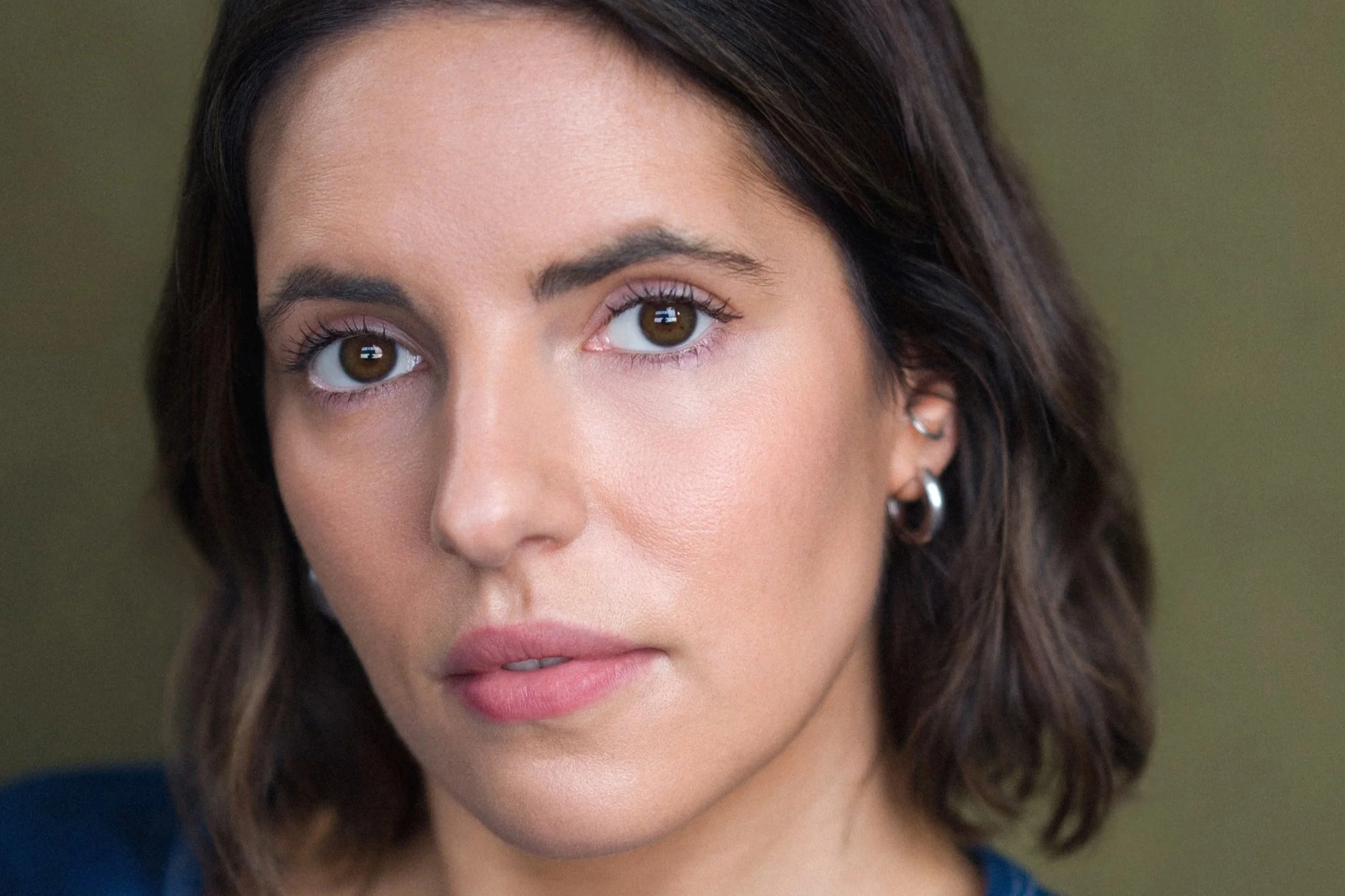
1. You are starring as Afra in the UK tour of The Beekeeper of Aleppo. Had you seen the previous production or read the book prior to your involvement in the stage adaptation?
I had heard of Christy Lefteri’s bestselling novel, but hadn’t actually read it until the audition came up for Afra. It was really interesting reading the stage script alongside the book while prepping scenes. I sadly didn’t catch the production when it was first staged, but we have two returning cast members, so it’s been lovely hearing their stories, memories, and getting pointers from their experience.
2. Are there any aspects of Afra’s character or her story which have resonated with you personally? Did this result in any challenges during the rehearsal process?
Afra’s story is one of resilience, of holding onto love when it feels like everything has been taken by force. She experiences trauma after trauma, first in war-torn Syria and then through her journey to seek asylum in the UK. Displacement and leaving your home for political reasons is something close to my family, so that aspect really resonated with me.
The challenge in rehearsal has been finding how to colour her specific experience- how she carries the complexity and contradiction of having to leave behind her home, her life, and everything she knows, and step into the unknown.
3. For those who don’t know, what is The Beekeeper of Aleppo about?
The Beekeeper of Aleppo is a love story about survival. It follows Nuri and Afra as they are forced to flee their home in Syria and navigate displacement, grief, and memory, while trying to hold onto each other. It’s about what happens to people when their world is torn apart and what it takes to keep going.
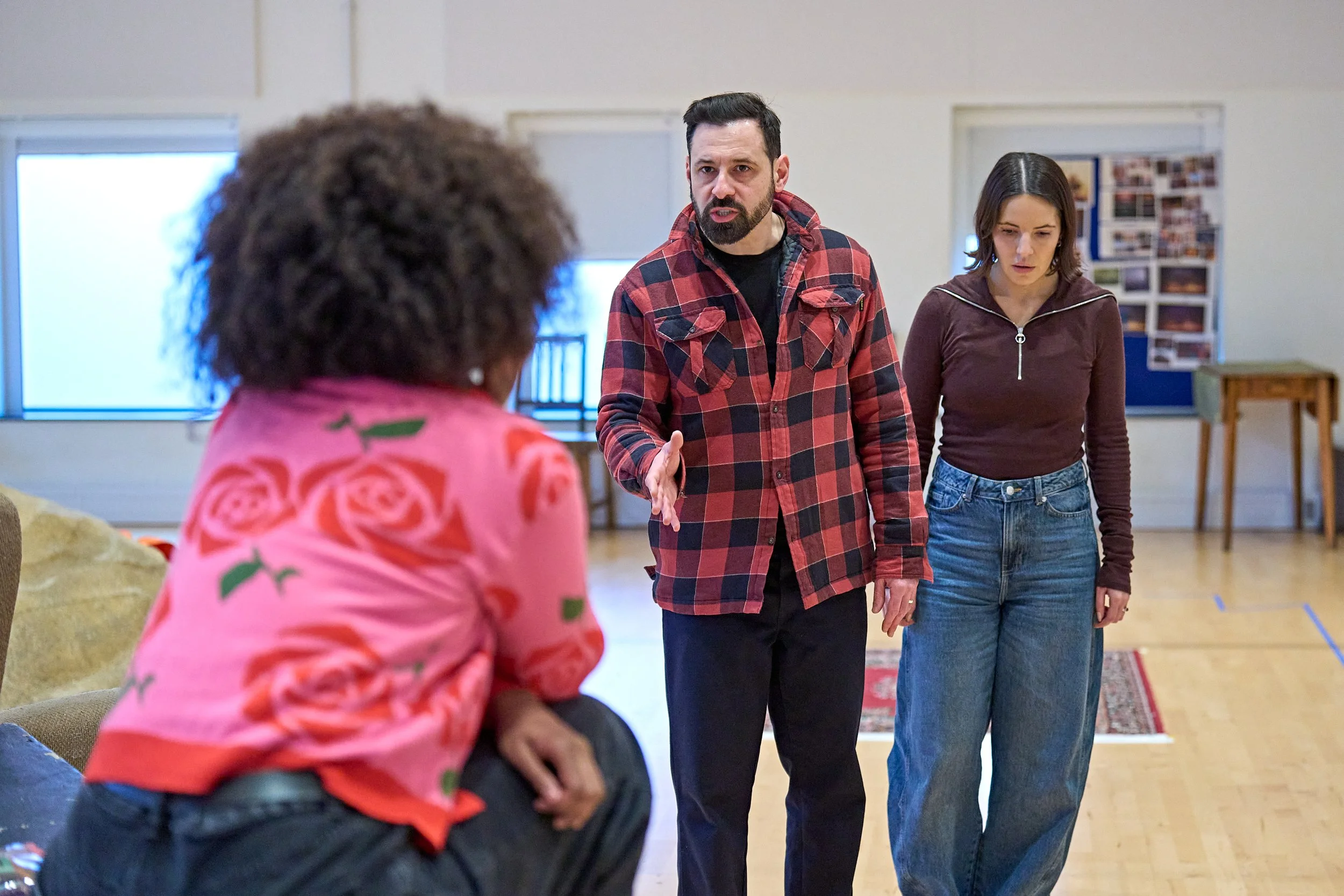
4. How would you describe the play to someone who hasn’t read the book but is interested in giving it a go?
Our story is, above all, one of hope and understanding. It explores our capacity as human beings to welcome strangers, especially in moments of need, when systems and laws can be working against them. The kindness of one person can be enough to help another continue moving forward. That’s what we see with Nuri and Afra, amidst chaos and fear, something keeps them going in the hope of finding their way back to each other.
5. Your relationship with Nuri (played by Adam Sina) is really vital to the course of this play. What has helped you understand the complexity of their relationship and how do you think this may shift once you start the run?
In their grief and in leaving their home behind, they’ve also lost one another. We’re given brief glimpses into their life in Syria before the war, which for us as actors has been a chance to explore how they love and support one another- the small gestures of comfort, humour, and care that can then be woven throughout the play, even in fractured moments.
The layers we’ve been building through rehearsal, with Anthony Almeida’s direction, have already shifted aspects of their relationship, adding unspoken rituals and shared rules that give us insight into how they function as a couple. I’m really curious to see how that continues to evolve over the run and what new discoveries might emerge.
6. The Beekeeper of Aleppo deals with themes of displacement, migration, and humanity — all of which feel very timely. How are you dealing with these difficult themes as a performer?
What keeps me going through the harder moments is knowing how important these stories are to tell, even when they make us uncomfortable. As a cast, it’s been vital that we have support throughout the process, as many of the themes intersect directly with people’s own lived experiences.
We’ve had access to a dramatherapy specialist, Nikki Disney, who has helped us explore how these characters carry trauma- not just emotionally, but physically too. Learning how to look after ourselves, both mentally and physically, has been essential in making this work sustainable over a long tour.
7. Why is it important for audiences to engage with a play like this in today’s climate?
It’s really tough to see what’s going on in our world right now, we can’t and shouldn’t look away. This play was deeply relevant when it was first staged, and it feels even more so now. It offers a stark and intimate look at the journeys people make in search of safety. By sharing those experiences, we can begin to challenge the stigmas surrounding migration and reconnect audiences with the human stories behind the headlines.
8. If Afra could speak to audiences after the final curtain, what do you think she would want them to know?
I think she would want them to know that she never loses hope. In regaining the love she shared with Nuri, in rediscovering joy, and in trusting that beauty still exists in the world. She is a survivor and a reminder to stay connected to the people and communities around us, even in the hardest moments.
The Beekeeper of Aleppo plays at the Nottingham Playhouse from 6 to 28 February before embarking on a UK tour with runs at places such as Theatre Royal Bath, Salisbury Playhouse, Theatre Royal Brighton and Malven Theatre.